
Artist Natasha Tontey has opened her new large-scale, immersive exhibition, “Primate Visions: Macaque Macabre”, at Museum of Modern and Contemporary Art in Nusantara (Museum MACAN), Jakarta in Indonesia.
In this multimedia work, Tontey explores the relationship between the native population of black-crested macaques and the indigenous people of South Minahasa.
The artist presents a fictional environment, brought to life by film and installation, that interrogates the symbiotic relationship between animals and humans.
Commissioned by Audemars Piguet Contemporary, the project saw the in-house curatorial team working closely with Tontey and Museum MACAN to develop and realise it.
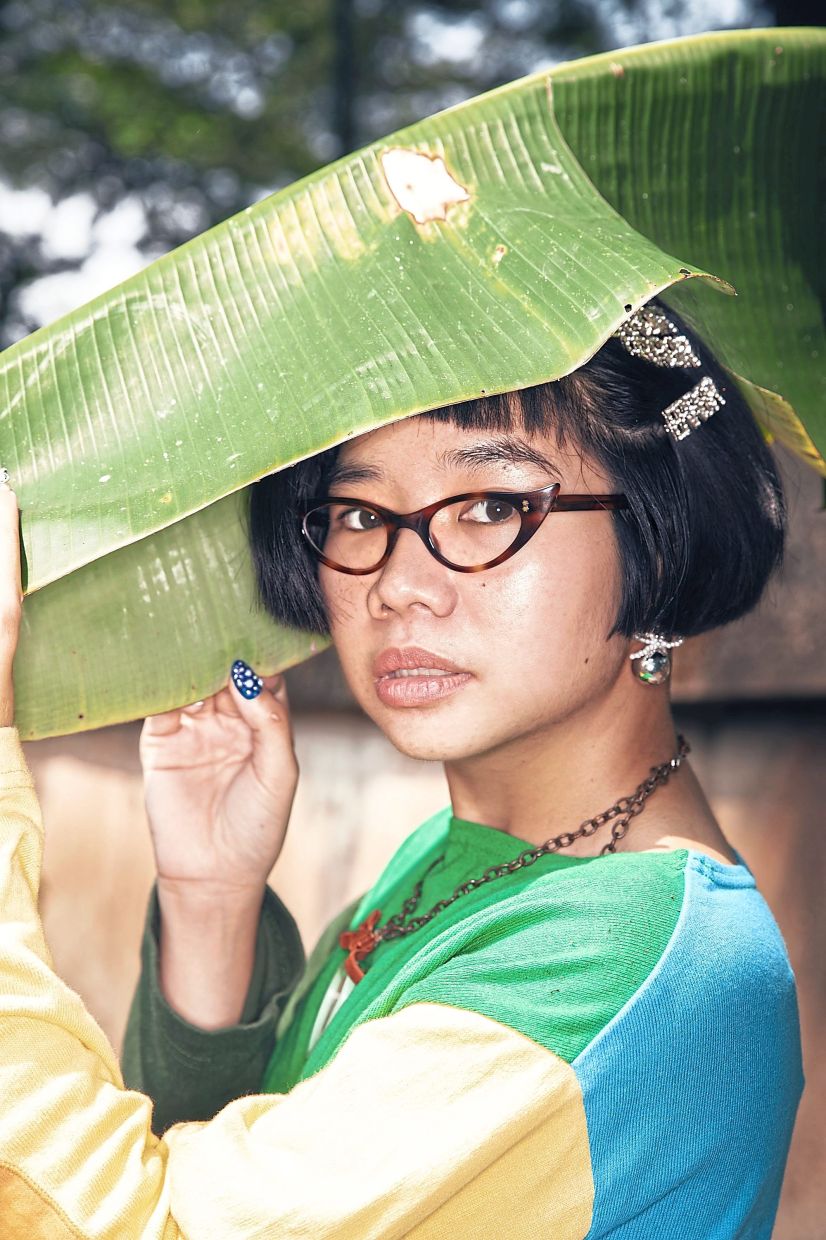
Tontey’s exploration of her own ancestral heritage is core to “Primate Visions: Macaque Macabre”.
Here, she draws on her ongoing engagement in ritual practices, as well as her interrogation of social norms in her native Minahasa – in this case, with the local population of macaques.
The black-crested macaque, known as yaki in Minahasan, is simultaneously viewed as part of the social structure of everyday life by the indigenous community, and as vermin known for invading villages and stealing crops.
This relationship is further complicated by the recognition of yaki as an endangered species by international organisations who encourage their preservation.
“Primate Visions: Macaque Macabre seeks to unearth and examine the complex, often contradictory, relationship between humans and the yaki, the black crested macaque of Minahasa.
“Through speculative fiction, I try to navigate the intertwined dynamics of primatology, ecofeminism and technology,” explains Tontey, 36.
“The narratology and immersive experience highlight the intricate bond, the messy relationship between humans and yaki, reflecting the tangled interactions between species and encouraging audiences to consider their own relationships with the non-human world.
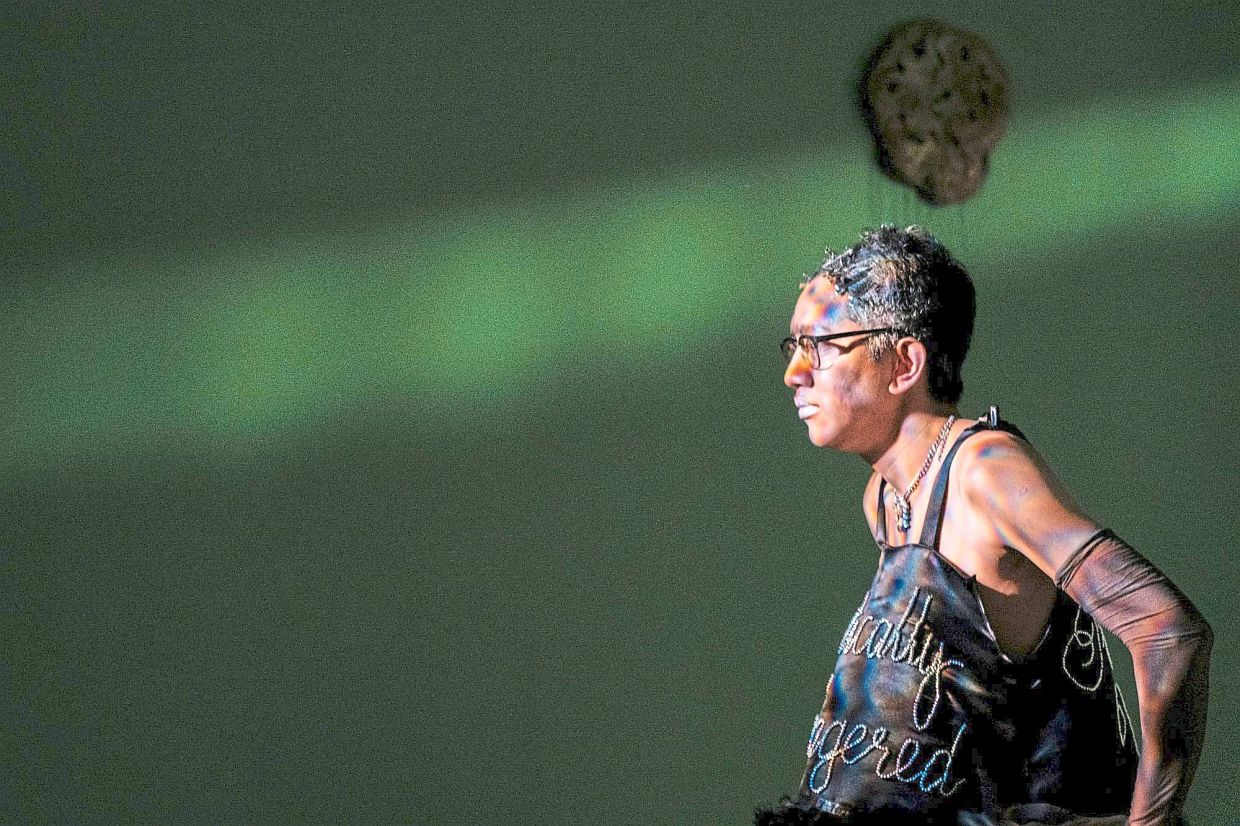
“It is a world both playful and macabre, filled with radical oddities!” she opines.
The artist’s work seeks to reveal the biases and connections that humans share with their animal counterparts, envisioning a world where a deeper understanding between species is possible.
Rooted in the theoretical texts of writers, including Donna Haraway, Tontey’s research uses a playful mode of storytelling to dissect the complex interaction between the yaki and the Minahasan people.
Her single-channel film, at the centre of the exhibition, follows a pair of primatologists who liberate a troop of yaki held captive in a forest.
The protagonists engage in dialogue and experiments, while imagining a future relationship between these two species.
Through a reinterpretation of Mawolay, a Minahasan ritual in which locals wear monkey-like costumes to deter the yaki from raiding their villages, Tontey invites audiences to enter a fictional reality that encourages empathy, understanding and patience between beings.
The artist’s film is presented alongside installation comprising original parts of the film’s set, such as costumes and pieces of scenery to draw the audience deeper into the film’s narrative while engaging with these objects in their fantastical environment.
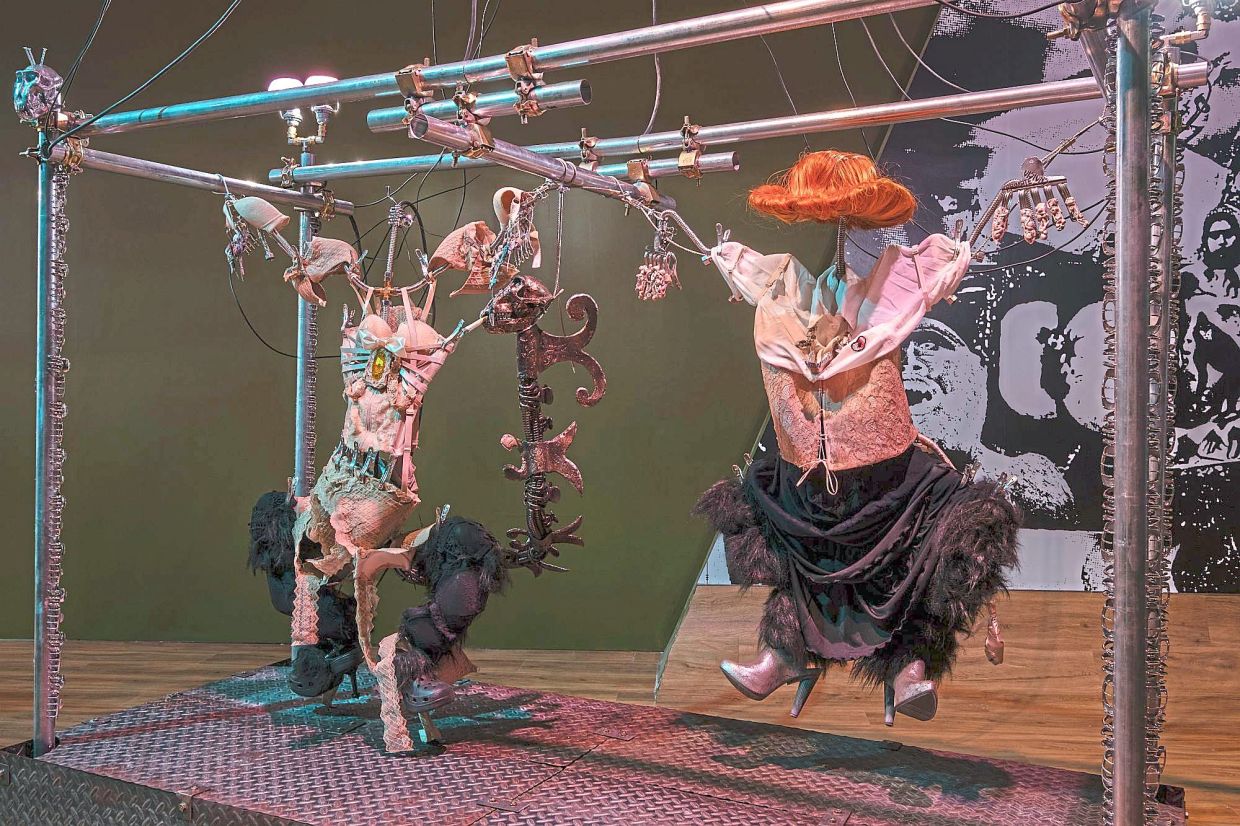
Informed by the formal qualities of B movies, horror and DIY production methods, this exhibition places her work in a long tradition of Indonesian film-making that uses creative energy to drive production.
With “Primate Visions: Macaque Macabre”, Tontey has created a vibrant, multisensory environment that invites viewers on a transformative journey into her fictional world.
“We’re thrilled to present Natasha Tontey’s Primate Visions: Macaque Macabre at Museum MACAN.
“Through a compelling combination of immersive installations and videos, she invites the audience to explore the rich tapestry of speculative narratives beyond anthropocentric mindsets, while raising awareness about overlooked cultural heritage and the interconnectedness of humans and non-humans.
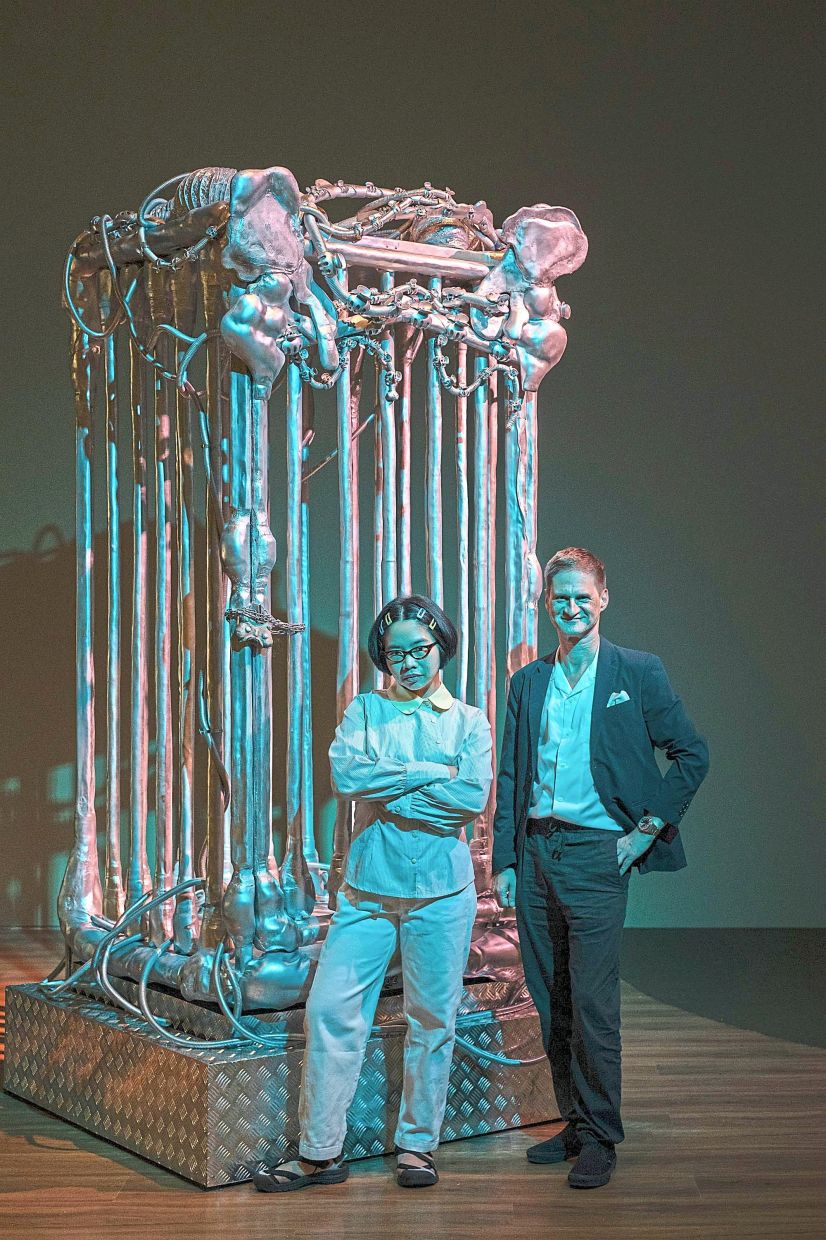
“This thought-provoking work encourages us to reflect on the cultural demarcation of different life forms in the world from the gaze of other species,” says Museum MACAN director Venus Lau.
The exhibition reveals the unexpected similarities between humans and other species and envisions a more collaborative future, reflecting Audemars Piguet’s belief in the power of creativity to connect people.
“This work reveals the unexpected similarities between humans and other species and envisions a more collaborative future, reflecting Audemars Piguet’s belief in the power of creativity to connect people,” Audemars Piguet Contemporary curator Denis Pernet says.
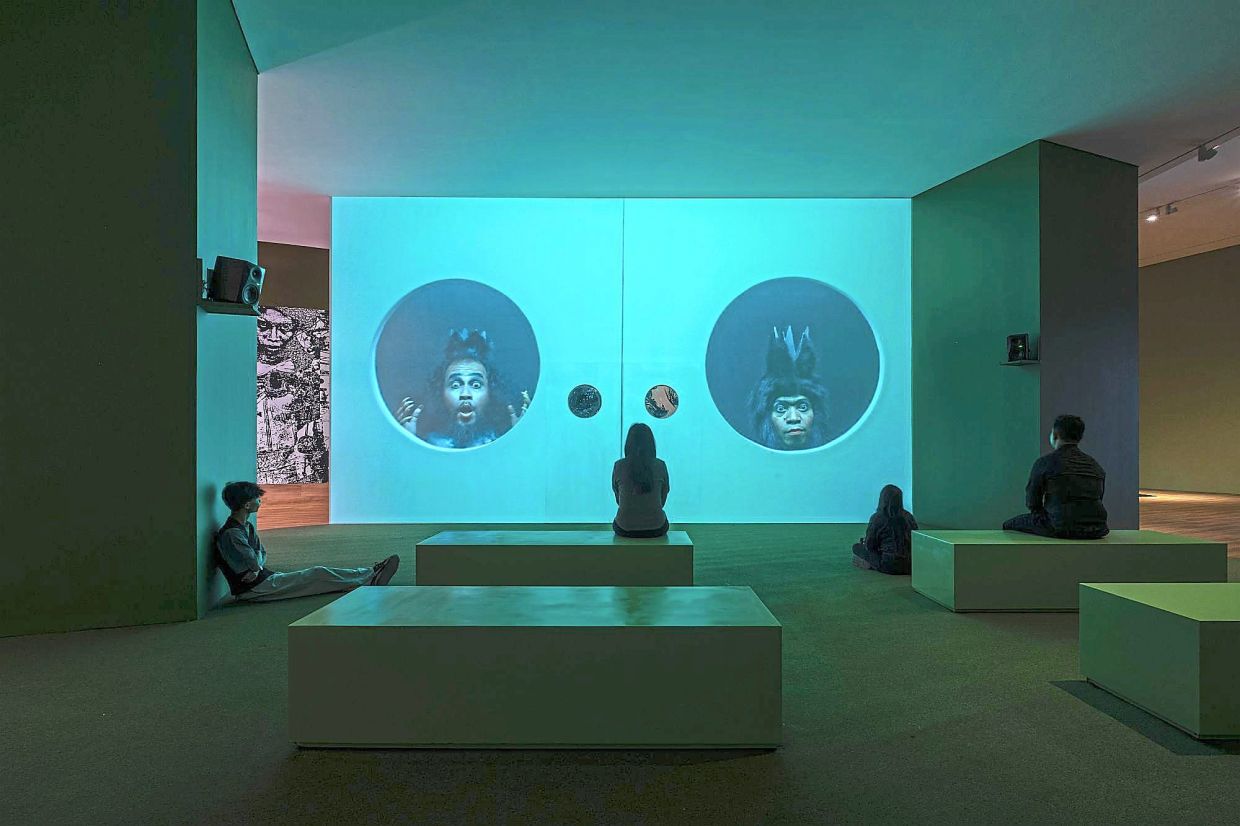
“We are proud to have supported the artist in the commissioning of this work, her largest and most complex to date, collaborating closely with the team at Museum MACAN to realise this project in Jakarta,” he adds.
Tontey’s five-month long exhibition ends on April 6.
This installation marks the latest in a number of Audemars Piguet Contemporary commissions which are currently on public view around the world. These include Petrit Halilaj and