When award-winning scientist Prof Dr Ong Wee Jun first learned about photosynthesis as a Year 4 student, he was captivated by a simple yet powerful question: Can we one day harness sunlight the way nature does – where a plant converts sunlight into energy – to power our world sustainably?
That curiosity would later become the foundation of his life’s work.
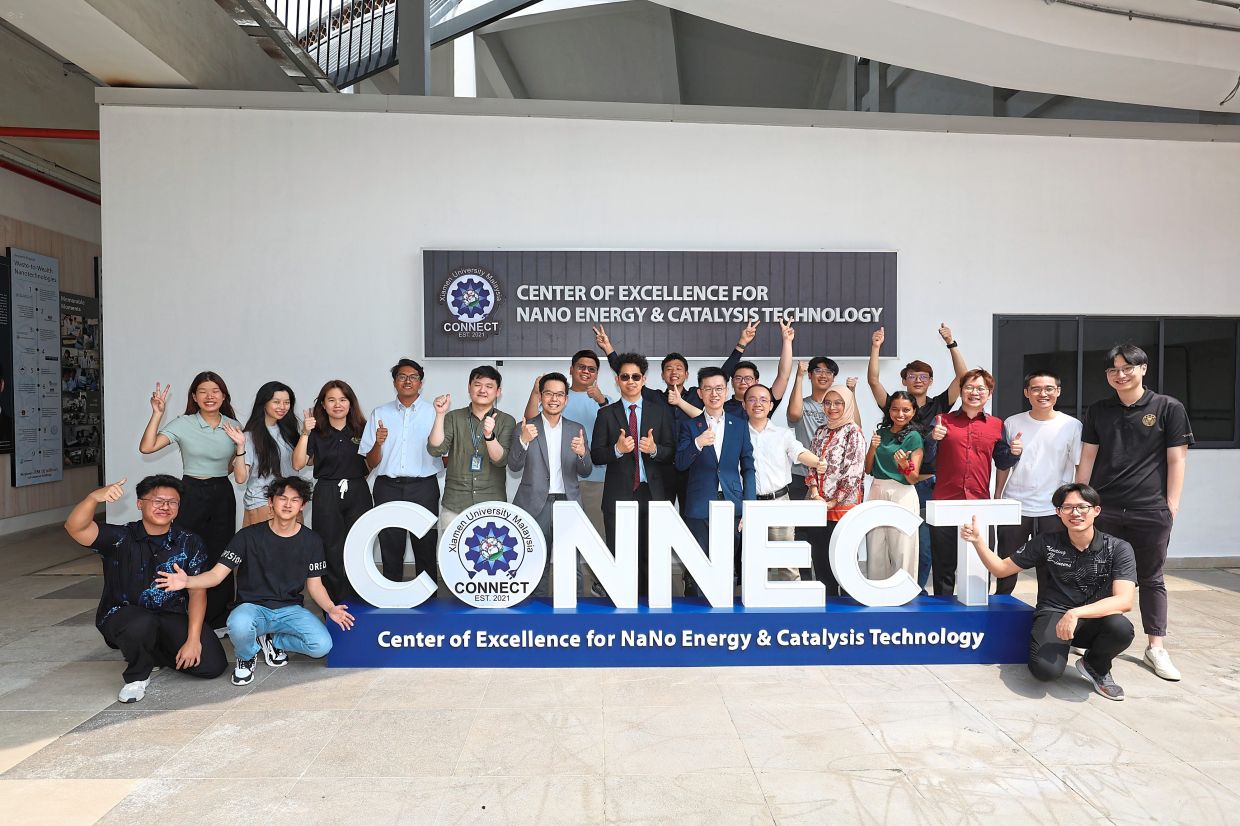
Today, as assistant dean of the School of Energy and Chemical Engineering at Xiamen University Malaysia and founding director of the university’s Centre of Excellence for NaNo Energy & Catalysis Technology (Connect), Prof Ong leads pioneering research in solar energy conversion – creating “artificial leaves” that mimic photosynthesis to generate clean fuels.
His team’s innovations also focus on transforming natural resources and waste into usable energy: turning seawater into hydrogen, carbon dioxide into energy-rich chemicals like methanol, and plastic waste into valuable fuels.
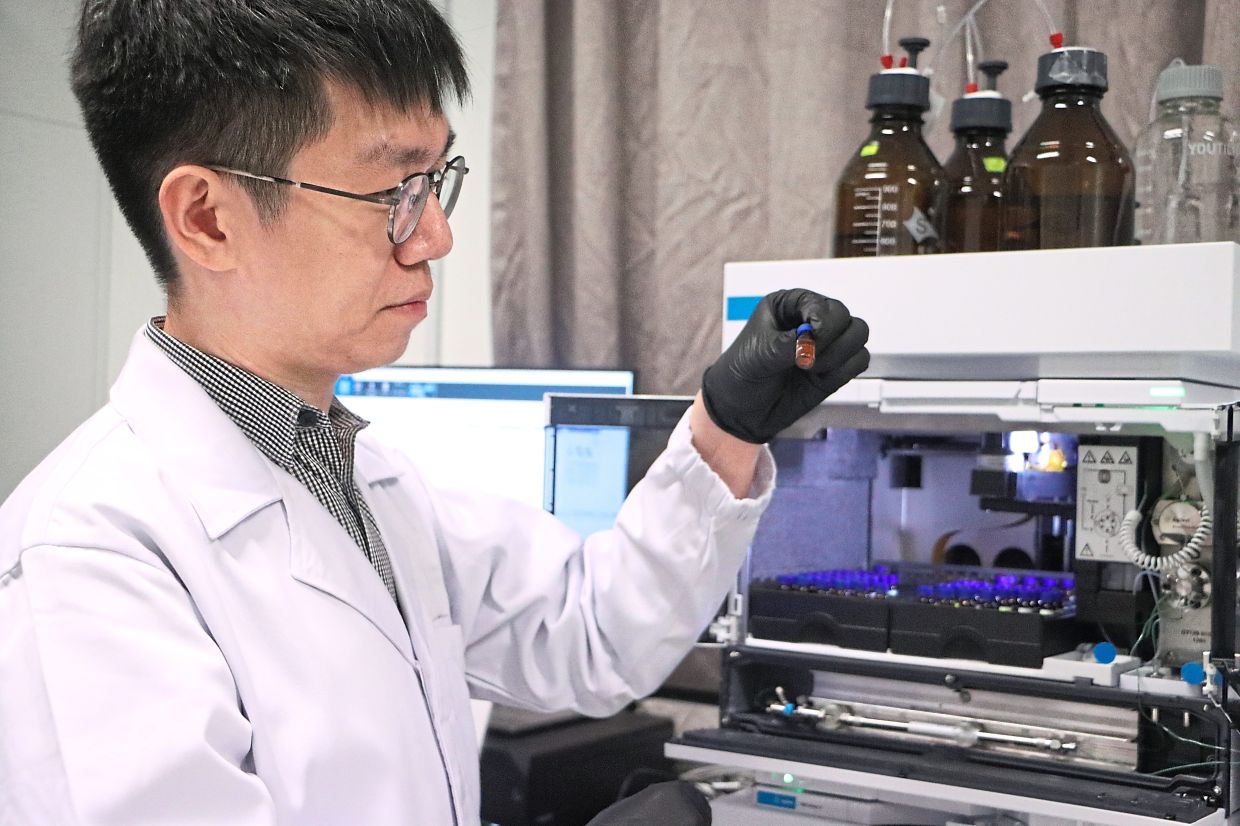
“It’s truly about realising the concept of waste to wealth,” he explains.
Working with partners such as Petronas Research; NanoMalaysia; and the Science, Technology and Innovation Ministry (Mosti), Connect bridges academic research with industrial application, ensuring that Malaysia’s scientific breakthroughs contribute directly to its transition towards a sustainable, low-carbon economy.
In conjunction with World Science Day for Peace and Development on Nov 10, and International Week of Science and Peace (Nov 9-14), StarLifestyle highlights the work of Prof Ong and two other researchers whose work protects precious wildlife and forest biodiversity.
Prof Ong’s research journey has taken him from Monash University to the Lawrence Berkeley National Laboratory (LBNL) in California, the United States, where he worked at the world-renowned Joint Centre for Artificial Photosynthesis.
“At LBNL, I saw how fundamental science could lead to practical, scalable energy solutions,” he recalls. “That experience inspired me to bring world-class innovation home – to build Malaysia’s own ecosystem for clean energy discovery.”
Armed with this vision, Prof Ong established Connect in 2021, a hub that now leads several multi-million ringgit projects in partnerships with government agencies and industries.
These include developing copper-based catalysts to reduce greenhouse gases, scaling up solar-driven hydrogen systems, and converting palm oil waste into graphene and green hydrogen.
Together, these projects represent Malaysia’s growing leadership in the global clean energy transition.
In simple terms, Prof Ong describes his work as “turning sunlight into clean fuels, like how plants perform photosynthesis, but using nanomaterials (materials between one and 100 nanometres, which is 100,000 times smaller than the width of a human hair) instead of leaves”.
His team is currently building a prototype “sun-to-fuel” system that produces hydrogen from water using sunlight – a project expected to be completed by mid-2026.
In the future, he envisions solar-driven hydrogen farms across Malaysia, providing self-sustaining power for rural communities without relying on fossil fuels or large grid systems.
“Our research goes beyond the laboratory,” he says. “It’s about transforming Malaysia’s abundant sunlight into a renewable engine for a circular, carbon-neutral energy future.”
Guided by his personal philosophy of “WOW – World-class, Outstanding, Winnable”, Prof Ong’s pursuit of excellence has earned him global recognition.
He has been named an Emerging Investigator by the Royal Society of Chemistry, a Clarivate Highly-Cited Researcher (among the world’s top 0.1% most-cited scientists; seventh consecutive year making the list; and one of only four Malaysians who received the honour this year), and a recipient of the Merdeka Award Grant for International Attachment.
“To me, these milestones are not just personal achievements,” he says. “They reflect the dedication and creativity of my students and collaborators. They remind me that impactful science from Malaysia can shape global narratives in sustainability and innovation.”
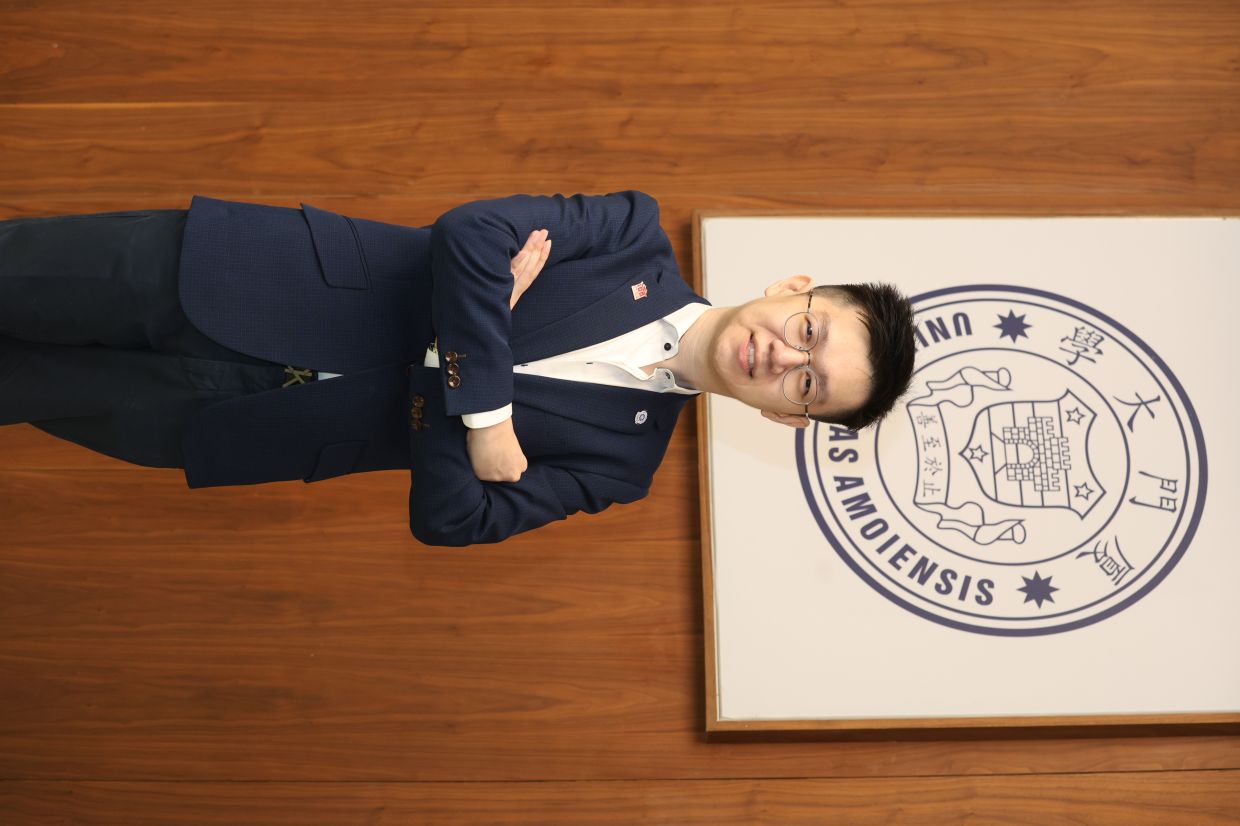
He emphasises collaboration – between disciplines, institutions and nations – as the key to meaningful innovation.
He also believes that Malaysia’s young scientists will play a vital role in driving the region’s green energy revolution.
“Our youth are digital natives. They’re using artificial intelligence, machine learning, and big data to accelerate clean energy discovery,” he says.
“By combining these tools with creativity and collaboration, we can lead South-East Asia towards a cleaner, smarter and more sustainable future.”
Beyond his laboratory, Prof Ong practises sustainability in his own life – from minimising waste and energy use to advocating for responsible research ethics as an editor for several international journals.
“Sustainability isn’t just a field of study,” he says. “It’s a way of living and thinking.”
Reflecting on his 12-year journey in science, Prof Ong remains grounded by the same wonder that first inspired him as a child.
“Nature continues to guide and humble me,” he says.
“It reminds me that the most powerful innovations are often hidden in plain sight – waiting to be understood and used for the betterment of our planet.”
As Malaysia works towards its net-zero emissions goal by 2050, leaders like Prof Ong represent the spirit of science and peace – where knowledge, curiosity and compassion converge to create a brighter, greener future for all.