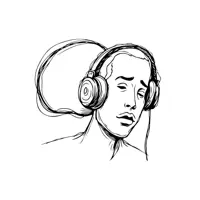
Hey, we introverts aren’t grumpy, antisocial wallflowers, OK!


Workplaces would do well to consider personality diversity in their culture. Introverts, extroverts, ambiverts, all have unique strengths and qualities to contribute to their organisations. — MISSLUNAROSE12/Wikimedia Commons

At the start of 2024, I re-read a favourite book that explores introversion as a personality trait and what introverts can offer in their personal and professional lives. I shared some quotes on social media from Susan Cain’s book, Quiet (2012), and wrote about how introverts can find hyperactive environments overwhelming, especially during the run-up to holidays at the office.

I received messages from introverts and extroverts who shared their feelings of pressure from expectations to conform to what’s often referred to as “mandated fun” at work. While the intention behind fun office activities is to boost morale and foster team spirit, when people feel compelled to join in, it can have a negative impact on employees’ well-being and performance, research shows.

This can happen for several reasons. Employees facing heavy workloads and tight deadlines might perceive managerially imposed events as an added demand on their time. It leads to heightened stress and frustration as they navigate conflicting priorities between work duties and social obligations. As one person said, “My manager will say social activities aren’t compulsory, but everybody knows there’s pressure to attend or else there might be some consequence. We tend to go along with it despite the stress. It’s difficult to say no.”

Imposing activities some employees might not enjoy or find stressful can result in a superficial work culture. This lack of genuine engagement can negatively impact team cohesion and morale over time.

One health worker – who recently attended a “fun day” at work – shared that even their extrovert colleagues seemed “tired and exhausted” as they posed for photos to show “camaraderie and cheer”. When I asked what would be preferable, the worker replied, “To have our personal time respected. But we feel we need to conform, otherwise it’s as if we see ourselves as being too good for such activities. But that’s not the case. We work hard and would just like to focus on what needs to be done, and then disconnect, go home, and enjoy our personal time. When you’re at a work-organised social event, it still feels like you’re at work.”

I empathise with this kind of conflict. I enjoy socialising and spending time with family and friends, but I quickly feel drained if I feel compelled to socialise or take part in events where attendance isn’t mandatory but clearly expected. A significant factor here relates to respecting people’s autonomy and choice. If workplaces were to arrange social activities and events that are completely and truly optional to attend, it’s likely to increase engagement and productivity because of the respect shown for everyone’s preference and the absence of pressure experienced by employees.

With workplace diversity being a hot topic, leaders would do well to include personality diversity. Introverts, extroverts, and ambiverts (a mix of both personality types) all have unique strengths and qualities to contribute to their organisations. Where those contributions become diluted is when there’s an expectation (implied or otherwise) to fit a specific mould.

Speaking from personal experience, organisations that take personality diversity into consideration tend to foster a stronger sense of commitment and engagement when employees are allowed the space to be energised according to what works best for them. When it comes to interactions, a common misconception is that introverts don’t like to socialise and that they’re shy. As Cain writes, “Shyness is the fear of social disapproval or humiliation, while introversion is a preference for environments that are not overstimulating. Shyness is inherently painful; introversion is not.”

Introverts do like to socialise, but preferably in small groups or one-to-one where it feels more meaningful and less animated. Ask me to attend a team-building event and I’ll run a mile (OK, walk a brisk half-mile). I’m quite happy and able to work well in a team, but I build connections gradually rather than all at once.

Mandated "fun" in the office doesn’t just affect introverts. Extroverts and ambiverts can also become demoralised if they feel forced to participate in events. For introverts, an added pressure is the possibility to be seen as unfriendly or uncooperative if we don’t engage much. There’s often the unwelcome advice to “socialise more” and “get out your shell”, as if introversion is a personality disorder to be cured rather than a trait to be respected.

According to research cited in Cain’s book, up to 50% of employees in an organisation are introverted, and we can assume the same for students in schools and universities. If places of work and study are serious about being inclusive, there’s more to consider beyond gender, race, and physical ability.

It is crucial to acknowledge that not everyone will feel comfortable expressing their preferences, emphasising the importance of creating spaces where people can be themselves without the pressure to conform to social expectations. In doing so, we can pave the way for more authentic, supportive, and harmonious work cultures that create a win-win for employees and their organisations.


Sunny Side Up columnist Sandy Clarke has long held an interest in emotions, mental health, mindfulness and meditation. He believes the more we understand ourselves and each other, the better societies we can create. If you have any questions or comments, email lifestyle@thestar.com.my. The views expressed here are entirely the writer's own.

Get 20% OFF The Star Digital Access

Monthly Plan

RM 13.90/month

RM 11.12/month

Billed as RM 11.12 for the 1st month, RM 13.90 thereafter.

Best Value

Annual Plan

RM 12.33/month

RM 9.87/month

Billed as RM 118.40 for the 1st year, RM 148 thereafter.

Follow us on our official WhatsApp channel for breaking news alerts and key updates!

Next In Living

Feeling drowsy at your desk? A 5 minute stroll will perk you up
What’s in your dog’s food? How to make sure your pet is getting quality meals
'Dutch sashimi': Getting the young to swallow herring
Winemakers on the Greek island of Santorini try to adapt to heat and drought
Common home cleaning practices that lead to hidden wear and damage
Security education should start early, especially for girls, say experts
Sunny Side Up: None of us can be blank slates
De-extinction company hatches live chicks from an artificial eggshell
Food vendors across Asia struggle over rising costs of plastic
Solar-powered charging station in central Cuba brings life to a darkened island

Others Also Read