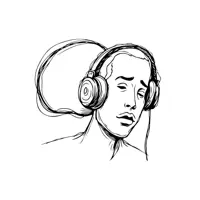
We're at our best when we embrace each other's differences


We can learn to appreciate what makes us unique while respecting the traditions and customs that bind us together. — 123rf.com

This week, I came across this quote by the German philosopher Arthur Schopenhauer: “We forfeit three-fourths of ourselves in order to be like other people.”

The line stuck in my head because of a response from a reader to my last column on the tendency to keep busy or useful to fit in and attain admiration and respect from others (“Being kinder to yourself doesn’t mean you’re being self-indulgent”, The Star, March 19, 2023). The reader wrote: “I’ve always been a high achiever. It makes me feel like everyone else since many people in our culture strive to achieve. But at the same time, I also feel burned out and stressed even though I try to keep this hidden.”

One of the fascinating insights that come from being a counsellor is that so many of us desire to be “normal” – just like everybody else. Humans are social creatures, and the need to belong and conform is deeply ingrained in our psyche. We have an innate desire to fit in with our social groups, to be accepted by others.

This need for conformity is evident in the various social institutions that exist in our society. For example, people who follow sports teams often feel a sense of loyalty and belonging to the team and its community of like-minded fans. This shared passion and identity can provide a sense of camaraderie and belonging, even among strangers.

Generational norms and beliefs also play a significant role in shaping our behaviour and attitudes. People tend to conform to the values and beliefs of their generation, which are shaped by the historical and cultural context in which they grew up.

While there’s a place for conforming and being “just like everybody else”, humans have a contrasting yet equally important desire to uncover new experiences, explore beyond our boundaries, and experiment with new ideas. It makes sense that we should want to feel grounded and secure; on the other hand, bold exploration and the acceptance of new ways and ideas have led to the countless innovations, creations, and conveniences that we all make use of and enjoy.

That said, the myth of normality has been renewed time and again by previous generations’ desires to keep their beliefs and cultural norms intact and relevant. Traditions offer great value and a sense of continuity and belonging, but each generation adds to that rich historical tapestry. Our collective experience is an open and constantly unfolding story rather than a closed book.

In his book, The School of Life: An Emotional Education, British philosopher Alain de Botton offers an antidote to the myth of normalcy. He reminds us that any idea of the “normal” is not an accurate map of what it means to be human. We are each far more complex than we are encouraged to accept. We can all be at times anxious, tender, mean, generous, playful, thoughtful, lost, excited, and everything else in between.

Despite this, we struggle to imagine that anyone else could possibly understand and accept the complexity of our inner selves. And so we strive to be “normal” in an attempt to ensure we don’t stand out for fear of being misunderstood or rejected. As a result, we might feel unclear about ourselves most of the time, and polite rationalisations often mask our emotional feelings.

This makes it difficult for us to trust that our often messy experience of being human (which is normal) is something other people encounter within themselves. Everybody else appears so much more composed than we feel.

It can be helpful to strike a balance between our need for conformity and our desire for authenticity. We can learn to appreciate what makes us unique while respecting the traditions and customs that bind us together.

Indeed, one of the things I love about Malaysia is how people of different faiths and heritage coexist and contribute to the richness of the culture while respecting, embracing, and celebrating those differences that bring everyone together. And of course, no country does diversity in cuisine quite like Malaysia, which is always worth celebrating.

In our uniqueness, we can learn from and inspire each other, while sharing the best of what we all have to offer. And it’s in our common humanity that we create shared values and develop traditions that allow us to continue the story that’s brought us to this point.


Sunny Side Up columnist Sandy Clarke has long held an interest in emotions, mental health, mindfulness and meditation. He believes the more we understand ourselves and each other, the better societies we can create. If you have any questions or comments, email lifestyle@thestar.com.my. The views expressed here are entirely the writer's own.

Get 20% OFF The Star Digital Access

Monthly Plan

RM 13.90/month

RM 11.12/month

Billed as RM 11.12 for the 1st month, RM 13.90 thereafter.

Best Value

Annual Plan

RM 12.33/month

RM 9.87/month

Billed as RM 118.40 for the 1st year, RM 148 thereafter.

Follow us on our official WhatsApp channel for breaking news alerts and key updates!
Sandy Clarke , conformity , individualism

Next In Living

Feeling drowsy at your desk? A 5 minute stroll will perk you up
What’s in your dog’s food? How to make sure your pet is getting quality meals
'Dutch sashimi': Getting the young to swallow herring
Winemakers on the Greek island of Santorini try to adapt to heat and drought
Common home cleaning practices that lead to hidden wear and damage
Security education should start early, especially for girls, say experts
Sunny Side Up: None of us can be blank slates
De-extinction company hatches live chicks from an artificial eggshell
Food vendors across Asia struggle over rising costs of plastic
Solar-powered charging station in central Cuba brings life to a darkened island

Others Also Read