A pair of blue-and-gold cuff links rattled around in the console in Alessandro Negrini’s electric Mercedes. They were a gift from Vice President JD Vance.
The night before, Negrini, a Milan chef, and his business partner Fabio Pisani fed the American vice president and his entourage bites of osso buco wrapped like candy in saffron pasta, and small bowls of the “zuppa Etruscan” that helped the restaurant land a Michelin star.
The vice president had come to town for the opening of the Milan Cortina Winter Olympics, which kept Negrini busy. Earlier that week, he had also served his famous soup to Italy’s president, Sergio Mattarella, and the president of the International Olympic Committee, Kirsty Coventry.
But on this morning, the chef was driving north to the Valtellina, the valley where he grew up, to explain why a comforting dish of buckwheat pasta, cheese and cabbage means more to him than any other — and why he thinks it could help bring more attention to a place that barely got a name check during the Games, which ended Sunday.
“Pizzoccheri,” he said, “is the history of this valley.”
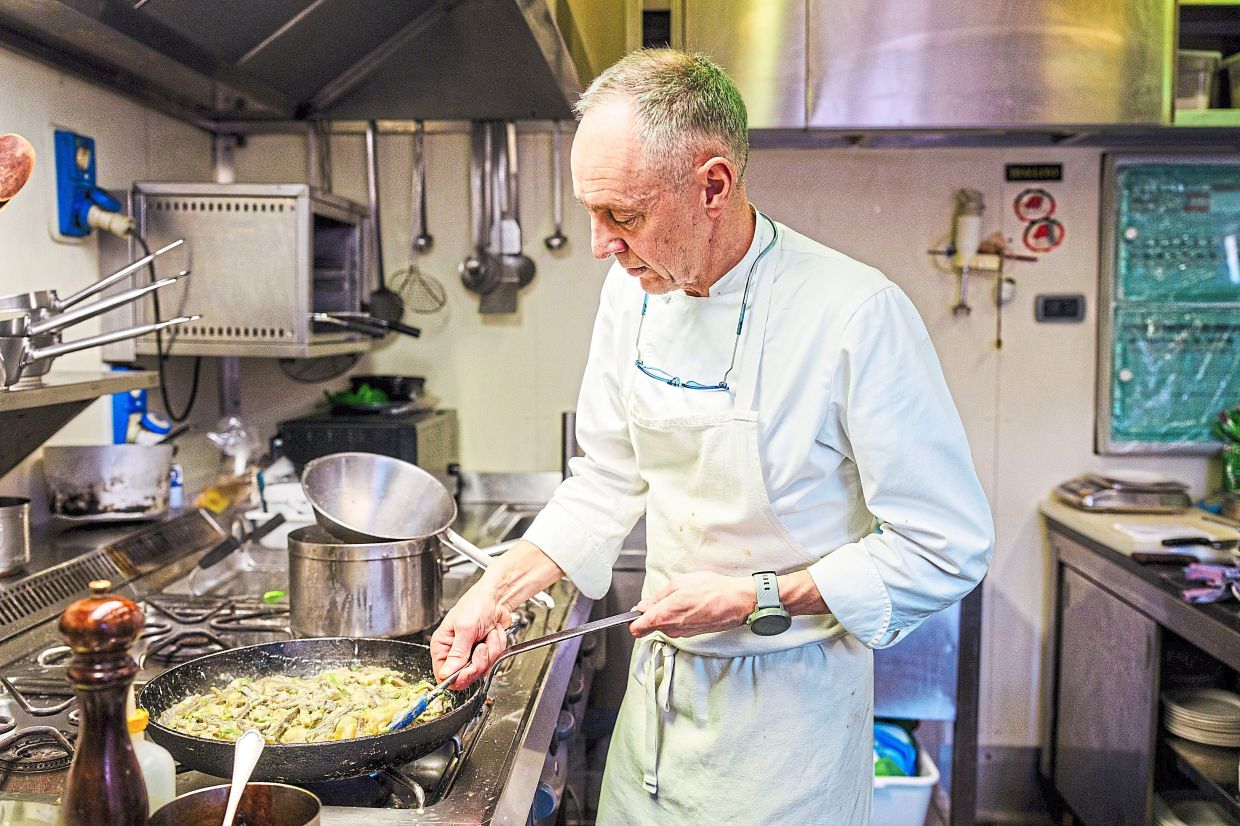
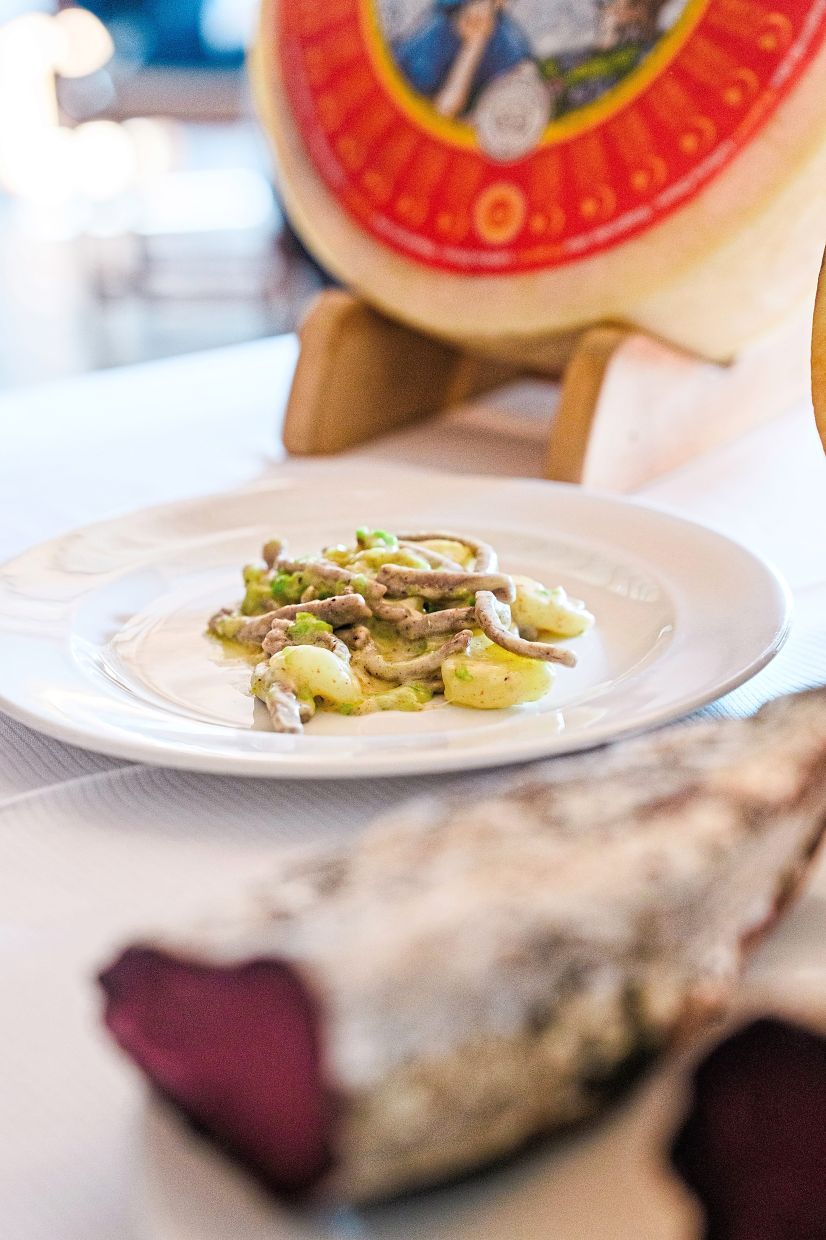
To him, the valley is synonymous with pizzoccheri, a dish designed for harsh winters. It starts with short ribbons of fresh, hand-cut buckwheat pasta that are layered with local Casera cheese, potatoes and savoy cabbage. A pour of warm, garlicky Alpine butter glosses the top.
But to people watching the Olympics over the past two weeks, the valley was the equivalent of flyover country.
Milan, the fashion capital that hosted skating and hockey events, is 128km southwest of the Valtellina. The dramatic halfpipe in Livigno, near the Swiss border, is at the valley’s northernmost point.
A five-hour drive northeast from Milan to Cortina d’Ampezzo, the wealthy ski resort where curling, skiing and sliding competitions were held, bypasses the valley entirely.
“I’m not an antagonist of the Olympic Games,” Negrini said. “But I want to ask you,” he added, “why did they not say it’s the Valtellina games? It’s important to show this valley is not only the snow and skiing.”
Pizzoccheri seemed to be everywhere at the Games. Diners in Milan sampled upscale US$19 (RM74) versions at restaurants nestled among fashion boutiques. In ski towns it was on virtually every menu and stacked in grocery store refrigerator cases.
Pizzoccheri was even served in Olympic Village cafeterias, where some athletes posted reviews on social media.
But Negrini said that visitors learned little about the valley of 180,000 people where pizzoccheri comes from.
“This is a very tribal dish,” he said. “It shows our culture, and the story is about the mountains and the ingredients of the mountains and the people of the mountains.
”A pizzoccheri purist, he can’t stand the liberties people take. Some versions have cream or overcooked butter. Others use dried buckwheat pasta instead of fresh or, God forbid, cheese from places like Holland.“I’m crazy when I see that,” he said.
Once you start radically changing a dish, he said, you begin to erase its provenance. In Valtellina, where the population is ageing and younger people are migrating to cities, that erasure is felt even more deeply, Negrini said.
“For me, it is a question of respect for the territory,” he said.Eugenio Signoroni, an Italian food journalist, explained that while storytelling is a big part of Italian cuisine, the story needs to be true.
“I don’t want to seem to be protective that one thing can only exist in one place,” he said. “What I don’t like is when something becomes only storytelling and loses every real relationship from the surrounding area.”
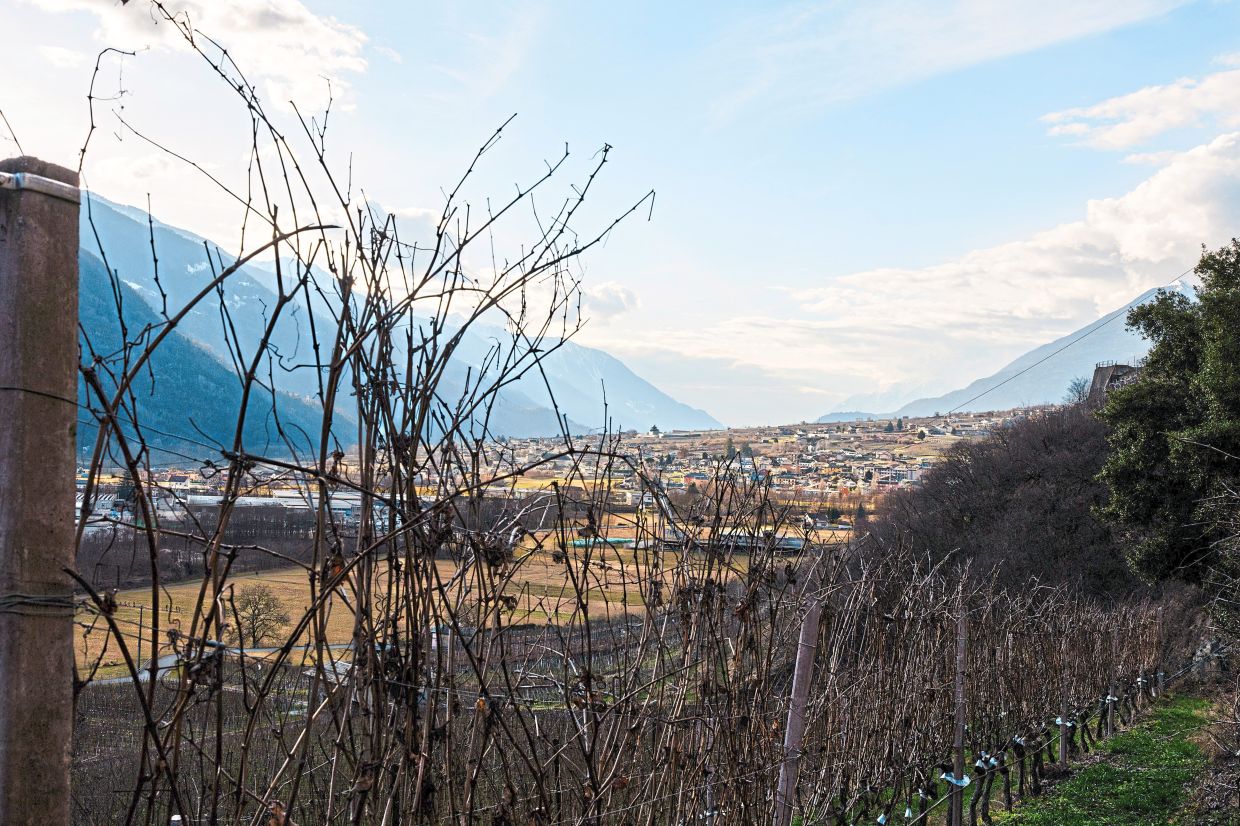
The Valtellina is considered the agricultural soul of the Lombardy region’s mountain cuisine, but it’s a tough place to farm. The terrain is so steep and rocky that the style of winemaking, with grapes growing from centuries-old stone terraces carved into the mountainside, is called “heroic viticulture.”
Bitto, the region’s prized Alpine cheese, can be made only during the short time cows can find enough green mountain pasture to graze.
The valley’s most famous product is bresaola, the lean, salted, air-dried beef born from the need to preserve meat in a way that would help people survive harsh winters.
And the buckwheat that is at the heart of pizzoccheri? Farmers don’t grow enough anymore to supply chefs like Negrini, who supplements the local crop with shipments from Canada and Ukraine.
Local food producers tried to ride the Olympic wave, promoting valley agriculture and cooking, including a new apple variety named after the Piz Bernina, the highest mountain in the Eastern Alps, introduced specifically for the Games.
Government officials pointed to big-ticket gains, including road improvements, a US$765 mil (RM3bil) investment in the rail system and faster internet connectivity.
But none of that spoke to the cultural drift that Negrini worried about.
To better explain it, he invited me and another New York Times journalist covering the Games to the Valtellina.
We headed straight to his friend with a helicopter for a flight over the valley, including Caspoggio, where he grew up. As the chopper buzzed the village, he called his mother, who came outside and waved.
Back on the ground we hiked to Fracia, a restaurant in the middle of a rocky vineyard that serves what he thinks is the perfect pizzoccheri.
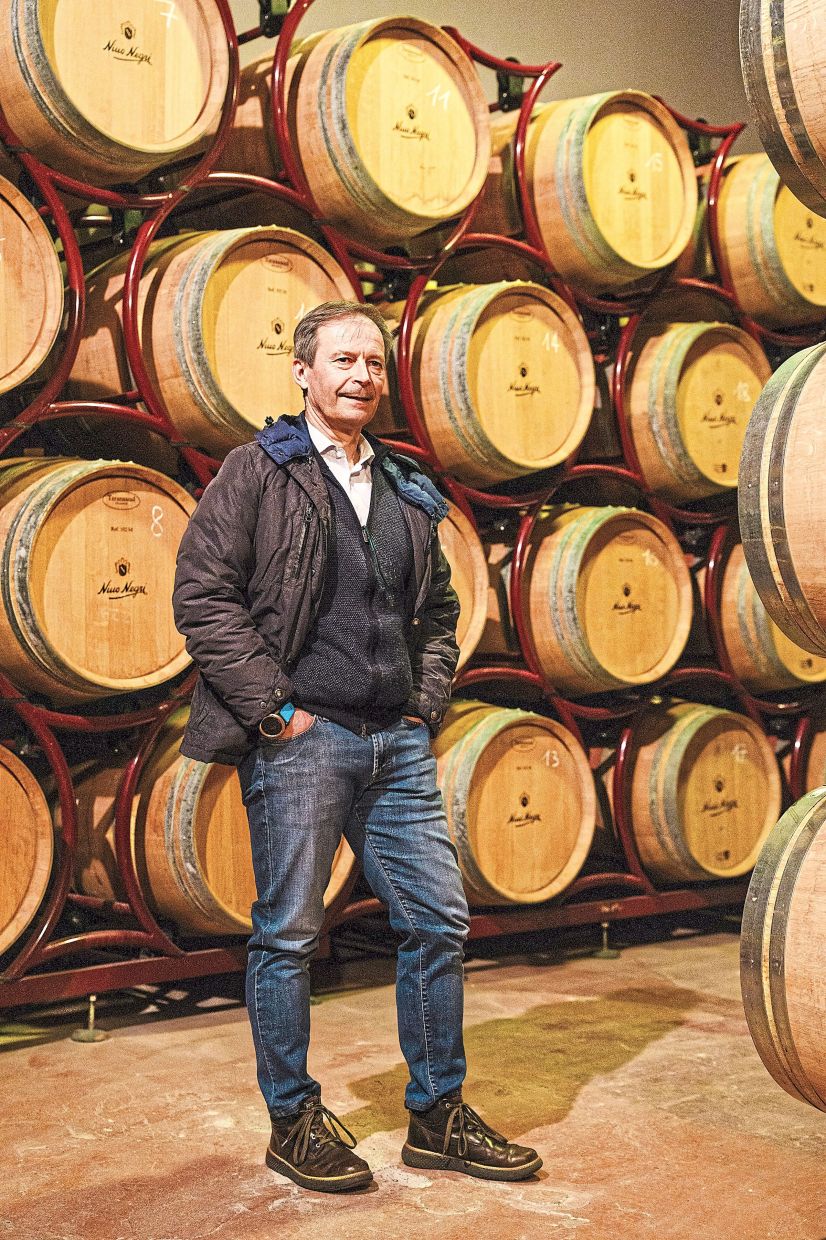
Danilo Drocco, who runs Nino Negri, the region’s premier winery, discussed the effect of the Olympics over plates of pizzoccheri and wine made from the nebbiolo grapes grown outside the restaurant walls.
“We have been given the opportunity to be on the global stage at just the right moment,” Drocco said. “But can we take advantage of it?”
Even Negrini might not be totally ready. He sometimes prepares pizzoccheri in his Michelin-starred Milan kitchen, but he didn’t serve it to Vance and other Olympic dignitaries because the heavy mountain dish didn’t fit with his sophisticated tasting menu.
People often ask him to open a restaurant in the Valtellina, but he said the economics don’t work — at least not yet.
Besides, his wife and son aren’t game to move to the mountains. But eventually, he said, the family might be. And of course, he will cook pizzoccheri. – © 2026 The New York Times Company