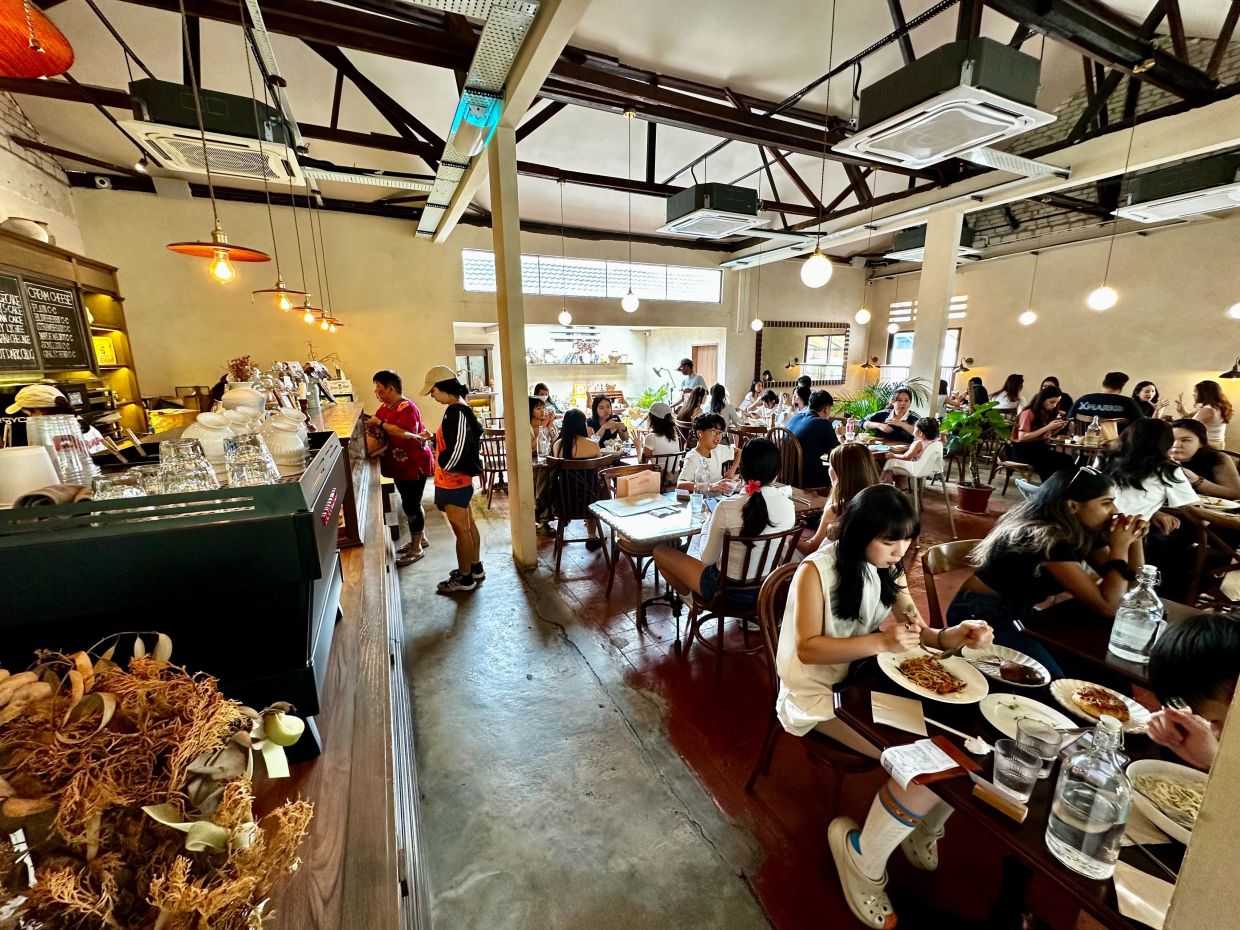
It is 2pm on a sunny Tuesday afternoon. It isn’t a public holiday or any kind of special day, yet when I walk up to the entrance of Kuala Lumpur’s Grumpy Bagels, it is heaving at the seams with an army of people. And there is no discrimination in this demographic – there are mums with babies in prams, students, solo diners and intergenerational families with elderly people in tow.
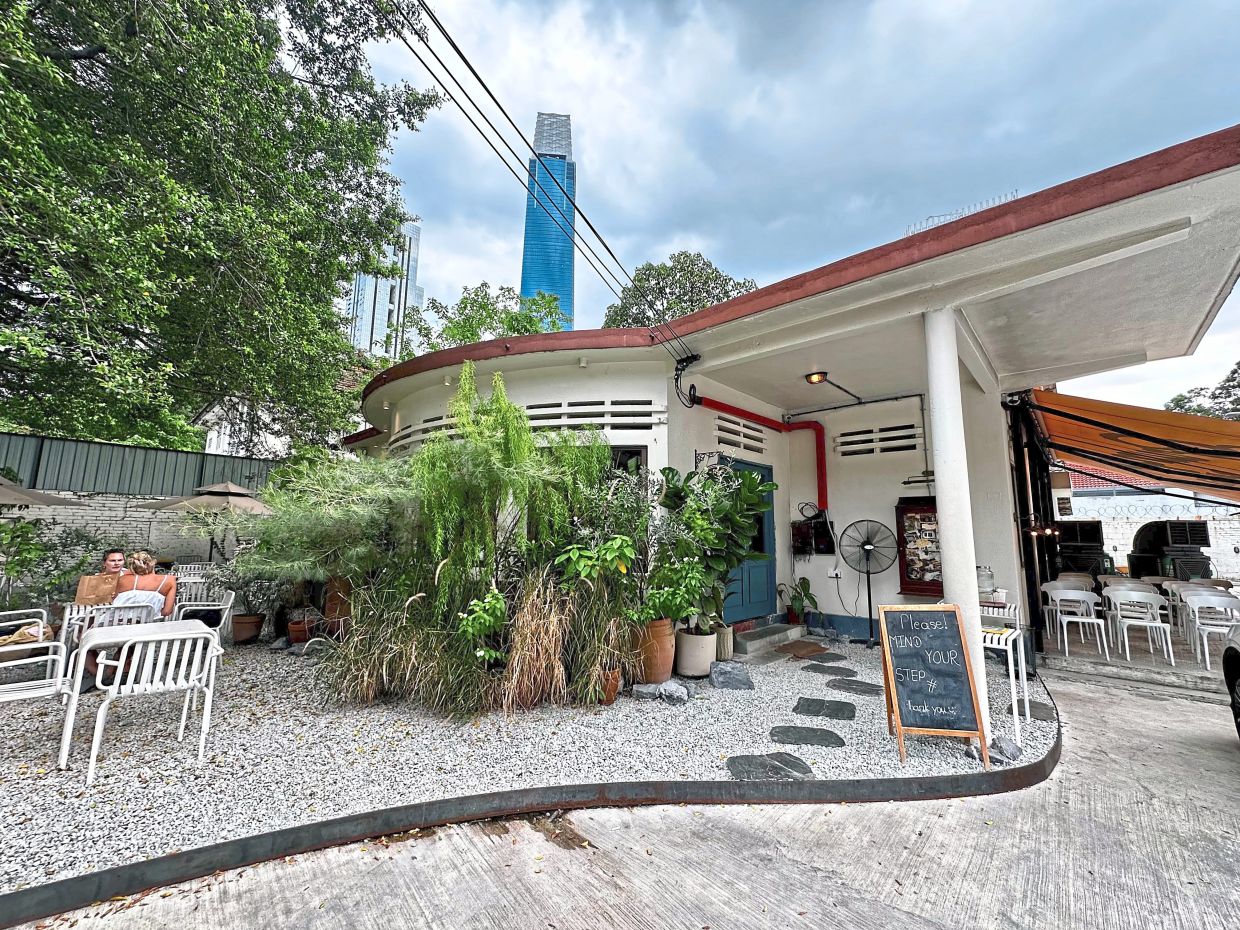
I am told that the wait time for a table will be 30 minutes. Thankfully, I am seated in under half that time. The space is beautiful – a converted old-timey bungalow that exudes charm and serves a delicious array of bagels. But why is this restaurant so much more popular than any other?
Well, Grumpy Bagels is one of a growing number of lucky restaurants that has had the sheer good fortune of “going viral”.
In modern terms, going viral often means a restaurant has attained a sudden surge in popularity as a result of social media – whether it is through the restaurant’s own social media videos, reels or posts or through someone else’s – typically a media platform or social media influencer.
A restaurant can go viral for any reason – aesthetic appeal, the qualities of a particular dish or drink or even as a direct result of an owner/chef’s engaging personality.
Virality can be attained instantly – the moment a restaurant opens its doors – or years into operations.
But what actually happens when a restaurant goes viral?
Instant popularity
When Grumpy Bagels went viral, its founder, Claire Tan, says she was completely unprepared for the enormity of what happened next. Tan is a former flight attendant who started experimenting with making bagels after she returned to Malaysia during the Covid-19 pandemic.
.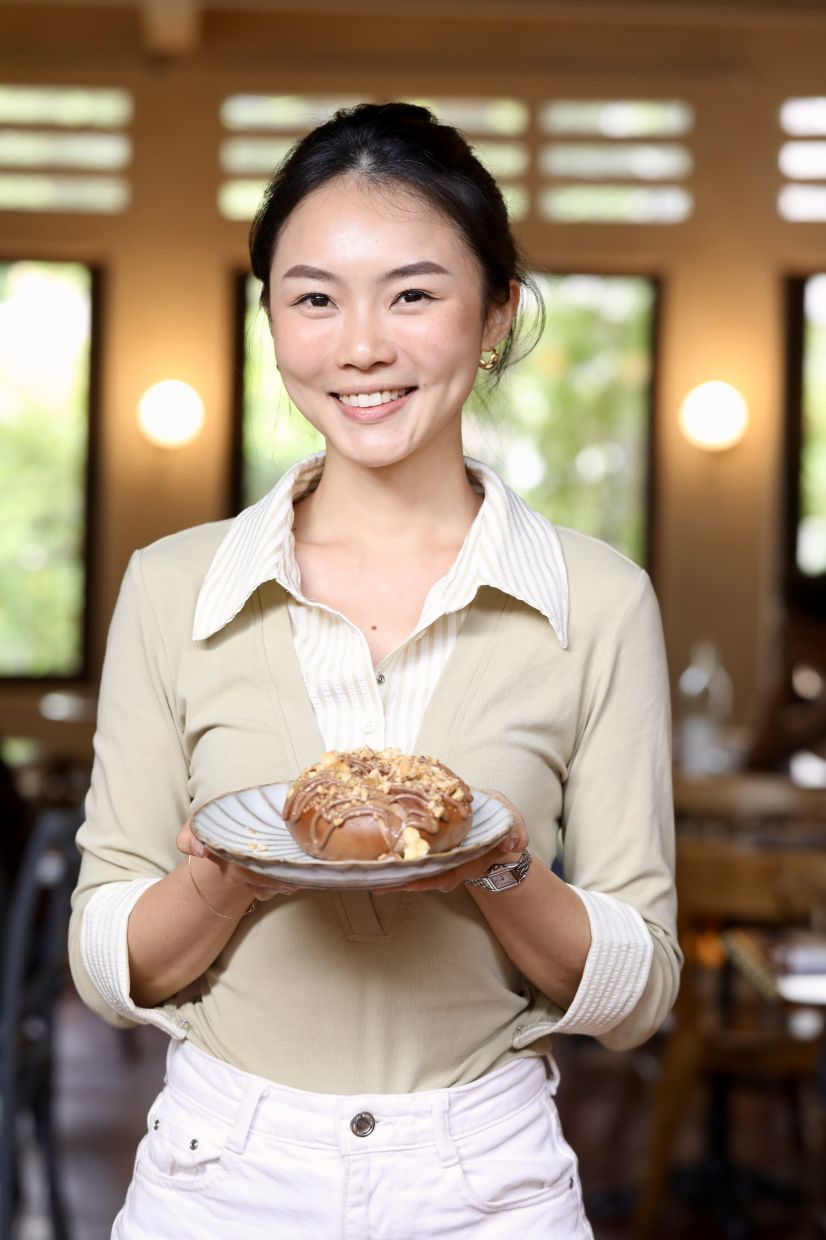
Her foray into opening her own bagel restaurant was marked by serendipity. She chanced upon an old bungalow off Jalan Imbi in KL, fell in love with the space and decided to transform it into a restaurant.
The restaurant opened in early 2024 and went viral from the very first day of its opening, something that Tan attributes to the fact that she documented and posted videos of the renovation works on her social media platforms.
“Actually, we didn’t expect it to be so viral. I did videos of the renovation and I didn’t realise that after the renovation site check video, we would become so viral. I think people were also curious about bagels then, so that helped us get visibility too.
“And it was not a good thing for us because we were so new and I don’t have an F&B background. So we didn’t know how to handle it. Now we have 34 staff, but back then, we had only four people. We made 350 bagels a day and were sold out within two hours! We were so shocked; we didn’t know what to do.
“And because we were so new, the supplier didn’t want to send stock to us. So we had to go and collect supplies one by one from different places after we closed the shop. And I still remember clearly – we didn’t have any experience on how to manage stock, so we would basically open for a day and close for two days just to restore everything. And then we would open again, and we couldn’t handle the crowds because we were short of manpower, so we would close again,” says Tan.
It was only when Tan’s husband gave up his job as a project manager to help her run the business that Tan was finally able to navigate her way through the restaurant’s overwhelming virality. At its peak, people were waiting in queues for up to four hours just to sample Tan’s bagels!
In many ways, Tan says going viral forced her to learn quickly from the get-go, as it was either sink or swim for her business if she couldn’t adapt.
“We got better and better, but we were forced to learn and grow within a very short period of time. But social media really helped us a lot in terms of reaching Malaysians as well as international travellers. Until now we haven’t spent any money on social media – it’s been entirely organic growth,” says Tan.
For Sangeetha Manimalar, meanwhile, going viral happened years after she opened her nasi lemak stall, Akka Nasi Lemak.
Sangeetha is a passionate, energetic cook who has been cooking since she was nine years old. She learnt how to cook from people in her family, including her grandfather, who once owned a restaurant.
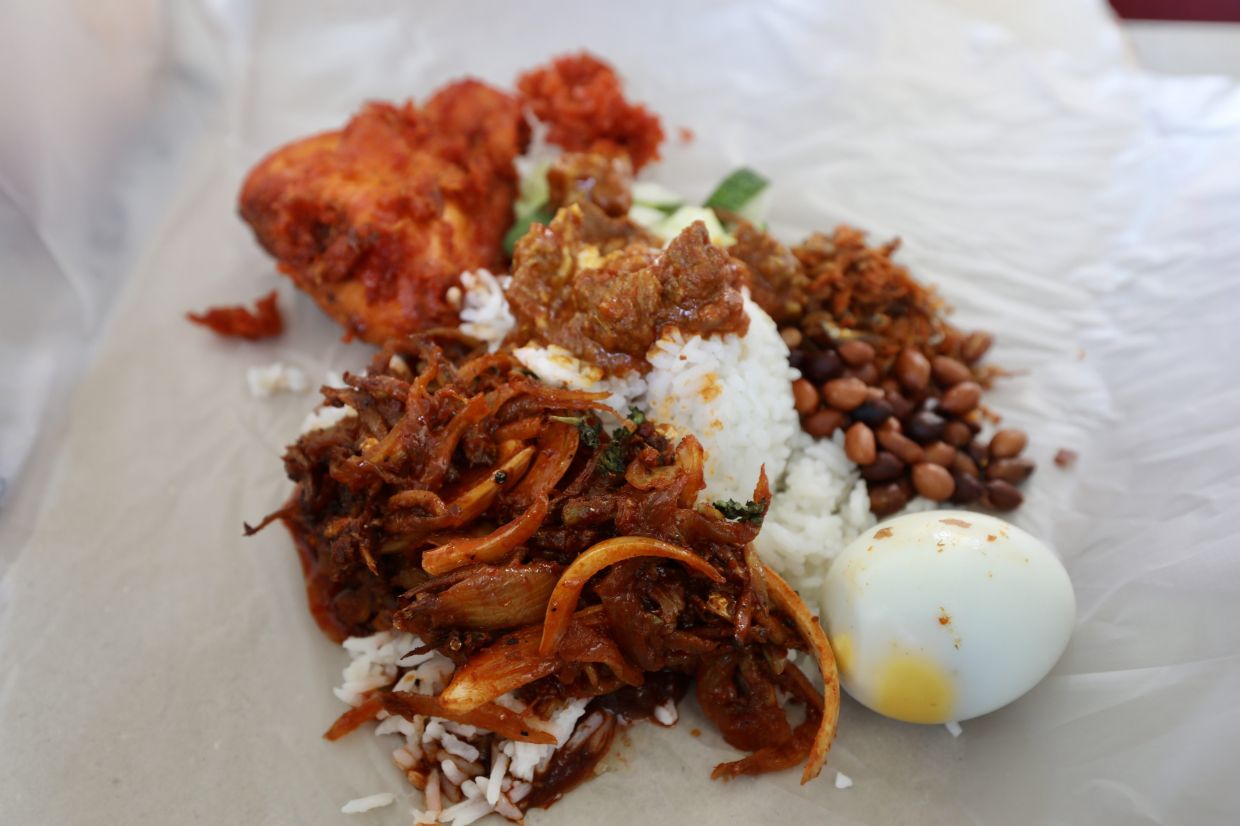
She started working when she was 16 years old and after getting married, she opened her stall, selling nasi lemak alongside a delicious array of side dishes like ayam goreng berempah, mutton curry, sambal sotong and sambal petai ikan bilis.
When Sangeetha had been running Akka Nasi Lemak for over 10 years, she suddenly went viral after a social media video of her serving nasi lemak gained traction, with many praising her gentle, cheerful nature and good manners.
Before she went viral, she was serving a maximum of 100 people a day. After? Crowds surged around her stall, swelling up to 4,000 people at a time!
“I didn’t know I went viral. I was wondering, ‘What happened to my shop?’ And then one of my cousins showed me a TikTok video and that’s how I found out I went viral.
“During that viral period, people were waiting for hours for my nasi lemak. I still cooked everything myself, but I often ran out of the nasi lemak rice, and I would have to ask people to wait, sometimes up to 45 minutes. I also had to implement a queue system because people would be waiting two hours before I opened the stall, and I didn’t know who came first, and arguments would break out,” says Sangeetha.
While being an overnight success had its challenges, Sangeetha says one of the things she has been happiest about is that she has become more recognisable.
“The good thing is, everywhere I go, people respect me and they know me. Even though my name is Sangeetha, if I go to the supermarket or market, people call me Akka,” says Sangeetha, who now has ‘Akka Nasi Lemak’ tattooed on her forearm.
Nadia Nasimuddin, meanwhile, is a seasoned entrepreneur who opened Dotty’s Pastries & Coffee 10 years ago after craving the pastries she had sampled when she was studying in the United Kingdom. Dotty’s was born with the idea of being a cute bakery to serve the neighbourhood in KL.
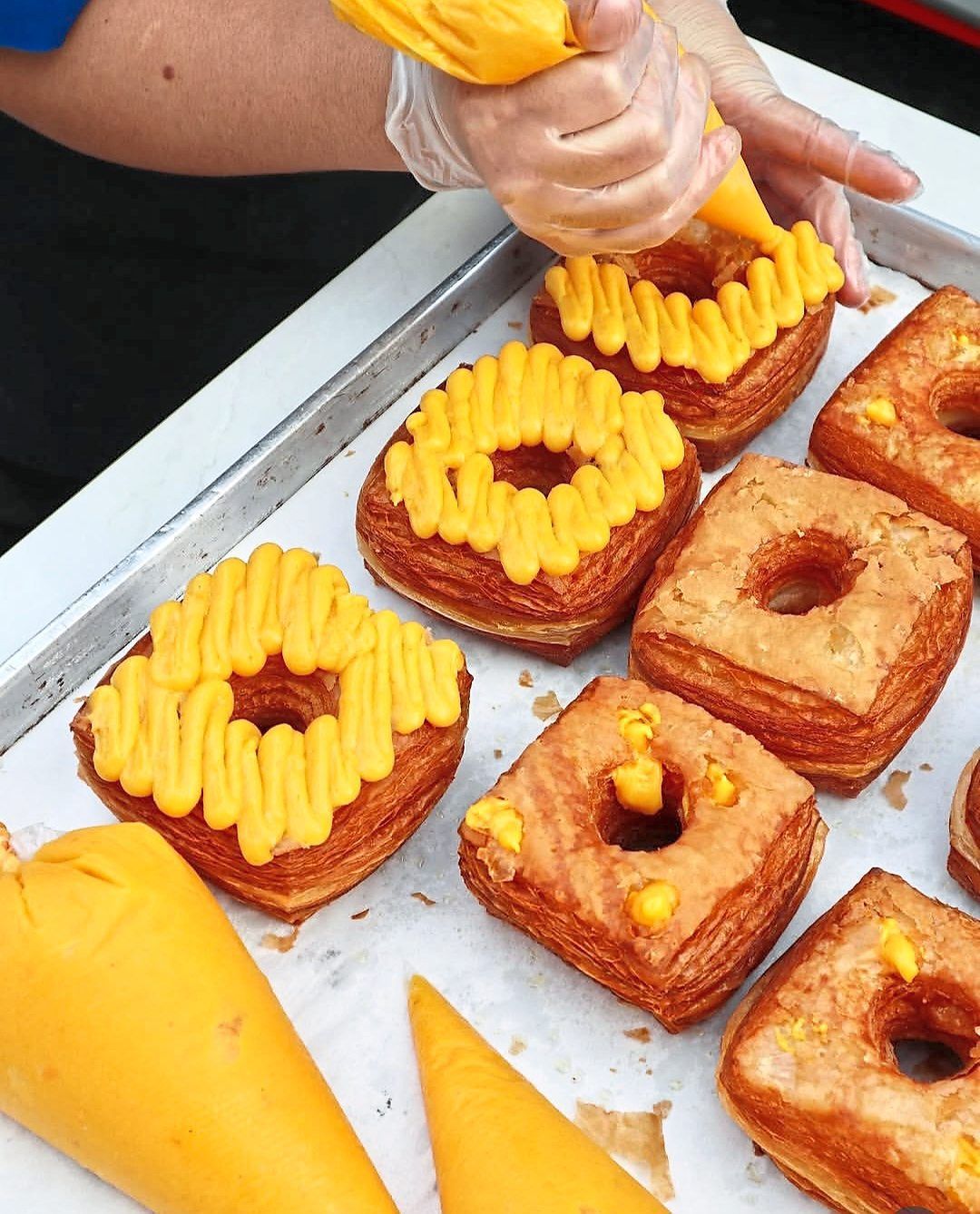
Interestingly, Dotty’s is one of the earliest examples of a restaurant that went viral prior to the existence of TikTok but around the time that social media platforms like Instagram were gaining traction. The restaurant’s virality was hinged on its salted egg yolk cronuts (croissant-doughnuts), and it built a huge following after the cronuts were posted on its Instagram account, instantly inspiring long, serpentine queues that trailed outside its doors.
“Initially when we started, I remember it so vividly – it was over a testing weekend. So we prepped the food and opened and by 11am, we had sold out of everything!
“The challenges of going viral instantly like that was that customers were very demanding. They wanted their cronuts and they didn’t want to wait for them. Aside from dealing with the impatience of customers, we also had to find a system in place to cope with the demand, because we were new and didn’t have everything in place yet. Once we did, we could meet demand and we were more consistent with orders,” says Nadia.
Short-lived hype or long-term success?
Can virality last? Or – like a meteor – does it spark popularity and then quickly fade away into oblivion?
The truth is, virality can breed deep-seated loyalty and/or genuine interest because people often look for or remember the faces and places that have the tag ‘viral’ to them. But conversely, given the evanescence of current zeitgeists and predilections, it is equally easy for diners to move on to the next viral hit.
For most restaurant owners, the onus of sustaining virality is on them. A lot of their eventual success depends on how quickly they land on their feet and how much they continue to grow and evolve.
Sangeetha, for example, has not lost the charm and personality that catapulted her to fame – she is the same happy person she was when she first started the business. “My smile is the same from early in the morning till I close shop for the day,” she says.
While she says the number of customers has dwindled from the early days after she attained virality, these numbers still surpass her pre-viral days.
“On Saturdays and Sundays, it gets crowded and sometimes my mother comes to help. At our current peak, we might serve 300 people a day. It’s not like the viral days – it is more slow and steady and peaceful, but going viral has been very good for me and I am very grateful for the business,” she says, smiling.
Tan has also greatly benefitted from going viral and now sells 800 bagels a day on weekdays and up to 1,500 bagels a day on weekends. Queues are still omnipresent, but wait times are more manageable.
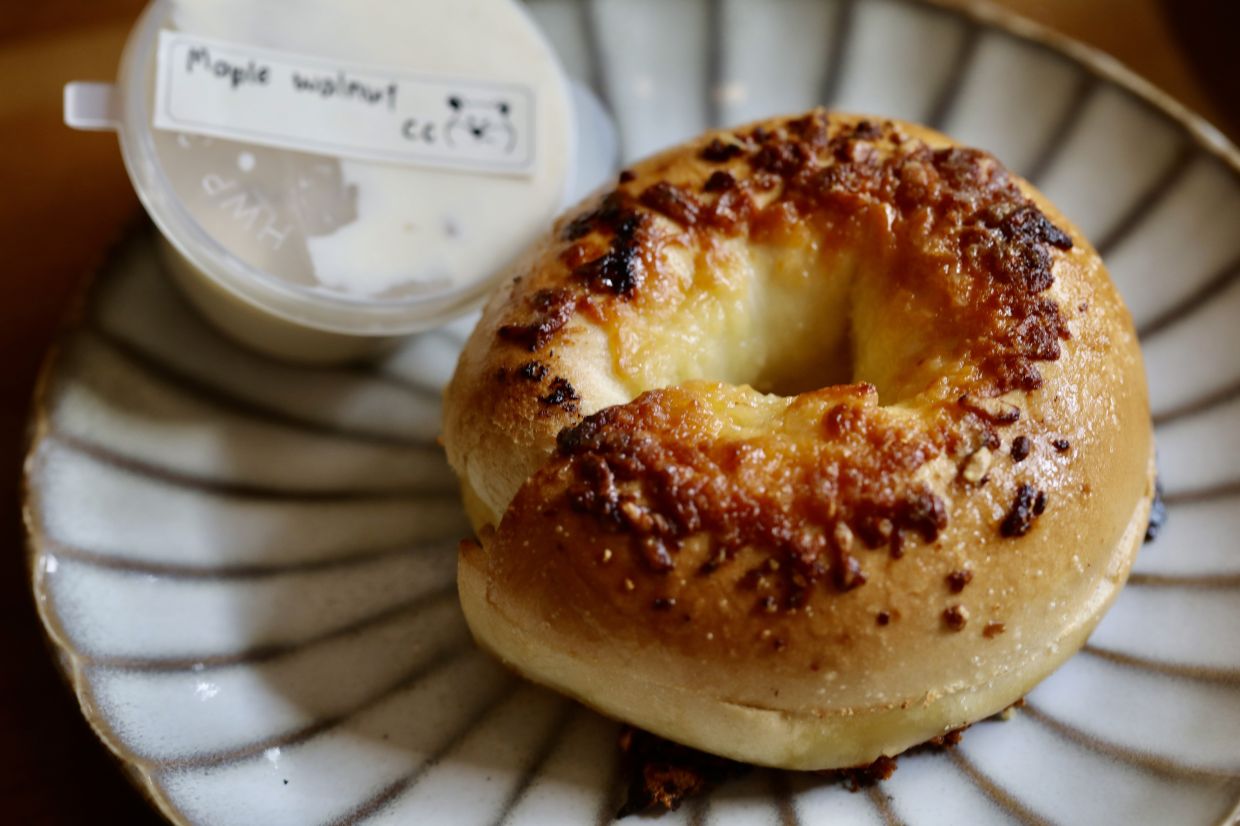
Business is evidently still going strong and she credits going viral with giving her a head start. But she has also leveraged that initial success to introduce new viral dishes like her strawberry matcha drink and maple walnut cream cheese bagel, as well as improve processes and hire more staff. Each day, part of her team’s current SOP is to eat a bagel to ensure consistency and flavour.
“Going viral is a double-edged sword. If you are viral, people will come. But if you don’t manage the service well or serve good food, it will kill you very fast as well. So during our first six months, we were very worried about when the hype would be over.
“Every week when I saw that there were fewer customers, then my husband and I would be thinking, ‘Is it because our hype is over?’ And we would worry all over again. So I think for our side, we keep trying to do seasonal things to bring back customers. Like now for CNY, we have launched a new range of cookies and for Raya, we will have seasonal specials as well.
“So it’s just to keep people anticipating and for them to know we have something new,” says Tan.
Tan’s virality has also helped her expand. She recently opened the second Grumpy Bagels outlet in KL’s heritage Sentul Depot.
“The first outlet is very different because then we didn’t have experience, so we learnt along the way. But with the second outlet, we basically have all the SOPs. We even have a management team, so it’s so much easier compared to the first outlet. We still don’t know how the crowd will be, but we’re better prepared than during the first opening,” says Tan.
Dotty’s Pastries, meanwhile, has shown that a restaurant built on a single viral product can still evolve. Longevity is no mean feat in the notoriously difficult F&B business and Dotty’s has not just survived but thrived for an entire decade. Under Nadia’s stewardship, the restaurant has continued to introduce new viral sensations like Dubai chocolate and its hugely popular crookie (croissant mash-up with cookie dough). Its signature salted egg yolk cronut also remains a best-seller at its outlets.
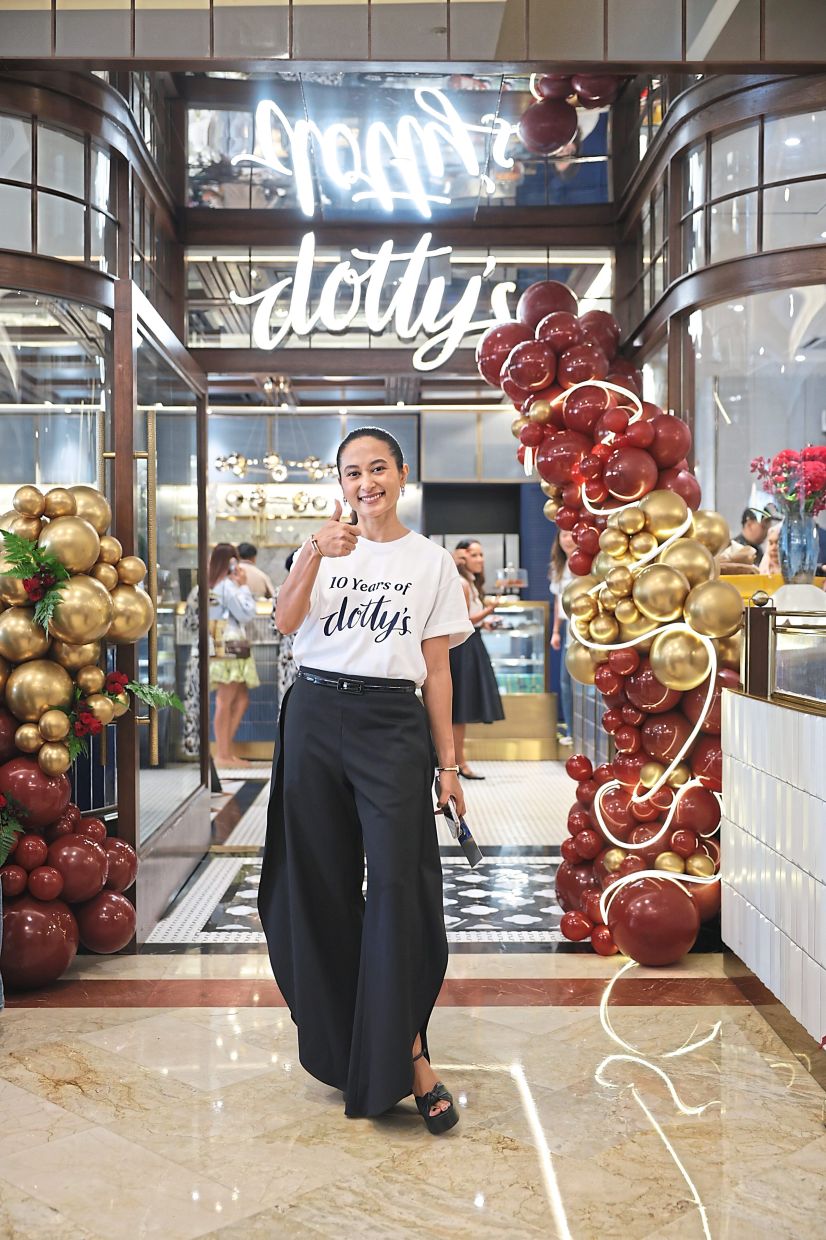
Nadia has also helped build Dotty’s reputation as a bakery that evolves with local flavours, with items like the onde-onde cronut gaining viral traction. Dotty’s now has two outlets to its name, but Nadia says there will probably be an additional two outlets as well as a sub-brand under Dotty’s – none of which would have been possible without going viral.
“If we hadn’t gone viral, we may have just been a small neighbourhood bakery. So going viral definitely helps build interest, but if you don’t know how to sustain it, it might not give you longevity. When you’ve reached 10 years, you know you’ve done something right. Because it’s not easy to keep going – you may be viral for three months, but then people often move on to something else,” says Nadia.