Whenever speech language therapist Jennifer Peters, 56, goes out with her stepdaughter Sasha Lee Payu, she can never be entirely sure what might trigger a reaction.
Sometimes, the result is a rash. Other times, the effects are far less visible.
Lee, 25, was diagnosed with autism when she was two. According to Peters, when Lee was younger, eating foods that did not agree with her body made her seem unfocused and "dopey", particularly affecting her ability to process auditory information.

"As an adult, it is less noticeable, but it is still there," says Peters during an interview in Kuala Lumpur.
Food allergies can trigger severe and sudden reactions, including hives, rashes, swelling, eczema, diarrhoea, vomiting, stomach pain, asthma and sinusitis.
In more serious cases, reactions can escalate into anaphylaxis, a life-threatening condition that requires immediate treatment.
Common triggers include foods such as peanuts, shellfish and soy. Anaphylaxis is typically treated with an epinephrine (adrenaline) injection, followed by emergency medical care.
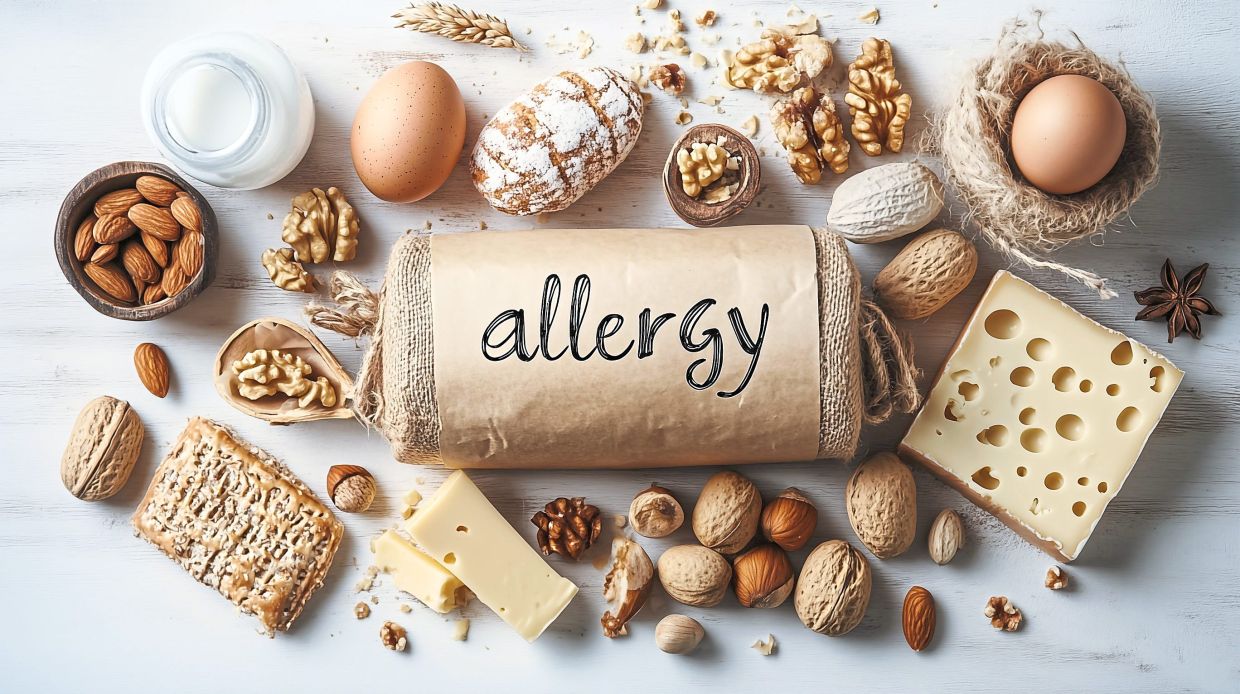
An article Food Allergy – A Hidden Crisis (Jan 26) in The Star reports that in Malaysia, doctors say food allergies are no longer just a childhood "phase" or a mild rash after a meal.
With increasing cases identified in clinics, medical professionals believe public awareness and food labelling must be improved to better protect those at risk.
For Peters, managing Sasha's diet was particularly challenging when she was younger, especially given her sensory sensitivities.
"The biggest hurdle was cutting out the offending foods because her body craved them - they were the foods she actively sought out," she says.
Unseen reactions
A 2020 study titled "Socio-Demographic Factors of Allergy Awareness Among Pre-University Students in Selangor" found that despite the high prevalence of allergic diseases, public awareness of food allergies remains limited.
Published in the International Journal of Advanced Science and Technology, the study stressed that increasing awareness of allergy symptoms, treatment and prevention is crucial to ensuring a better future for allergy sufferers.
Peters believes food intolerances are often underestimated because their effects cannot be seen.
"Any parent of a child with special needs knows that you spend much of your life after diagnosis seeking advice from all kinds of professionals," she says. "We figured out the way forward through a combination of consultations and a lot of self-research to decide what was best for our child."
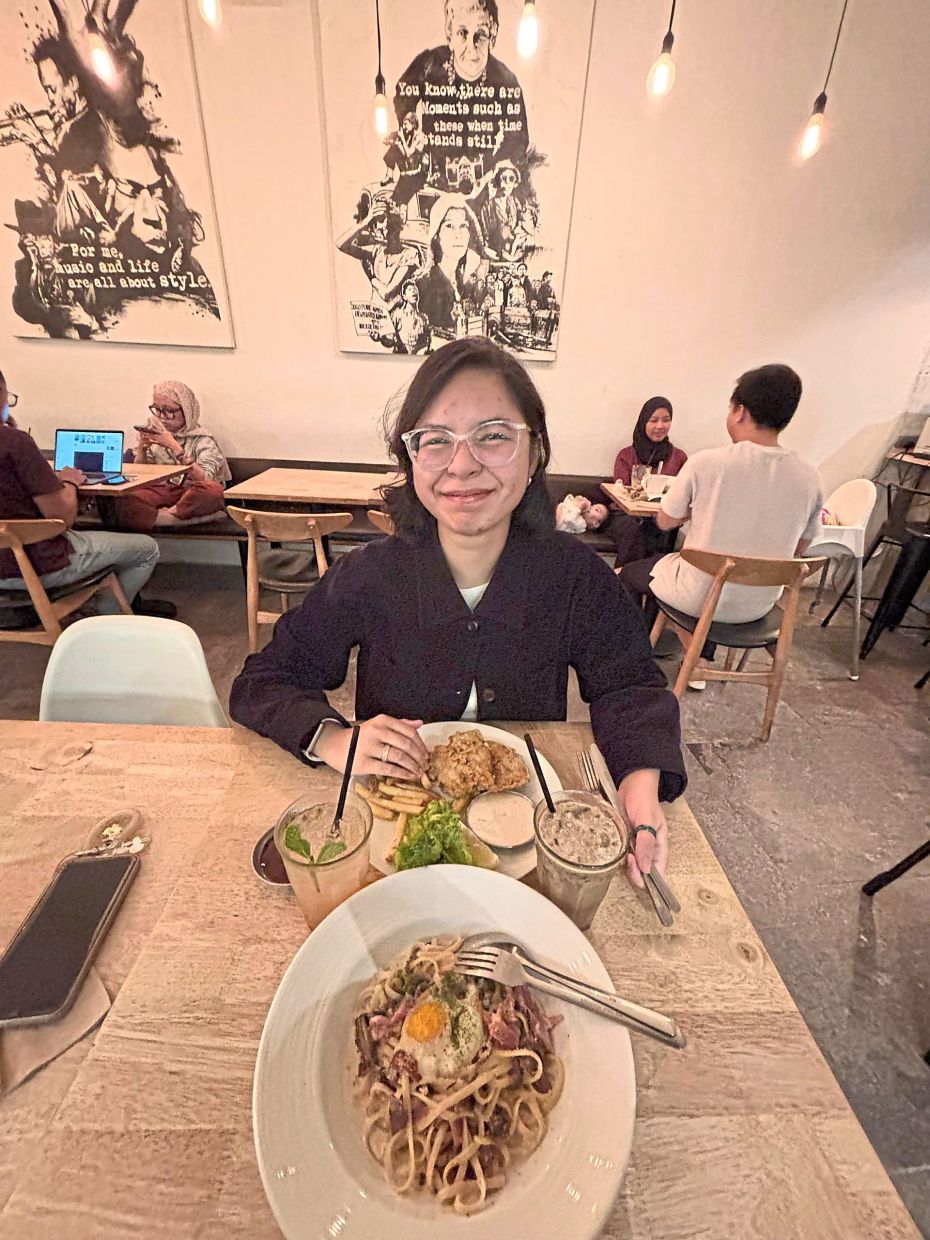
"Many people have never witnessed or endured the intense itchiness and burning discomfort that comes with skin-related allergic reactions," says Siti Ameena from Petaling Jaya, Selangor.
"Respiratory allergies tend to get more attention, while skin allergies are often seen as less serious, even though the physical distress can be severe."
As a child, she was allergic to shellfish, nuts, dairy and eggs. One of her earliest memories involves developing a reaction after eating marble cake, likely triggered by the butter used in it.
"I would experience immediate itchiness along my inner thighs, along with extreme dryness and skin flaking," she recalls. "It wasn't blistering, but the irritation was intense."
One of her worst reactions occurred after accidentally consuming a boiled egg in nasi lemak.
"Within 20 minutes, the itchiness became unbearable. I scratched so much that it left scars," she says. "I became very cautious – paranoid, even – when I was younger."
As she entered her teenage years, most of her allergies subsided, leaving only reactions to shellfish and nuts. However, in her early 20s, her condition evolved into dyshidrotic eczema affecting her hands.
Recently, exposure to strong cleaning agents caused her allergies to flare up again, this time spreading across her hands.
"To mitigate it, I turned to homeopathic treatment to help calm my food allergies and prevent the blisters," she adds.
A hidden struggle
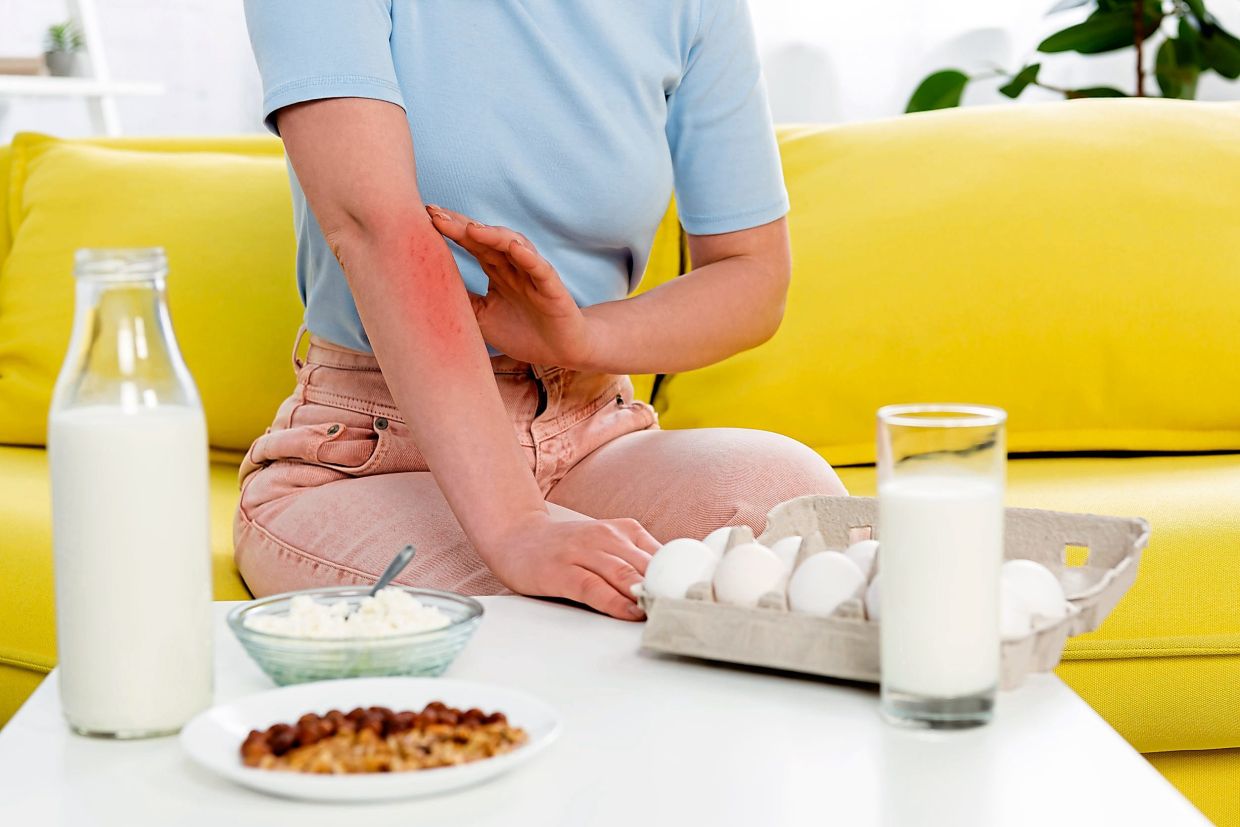
Food can be harmless to many, but for others it can trigger serious and unseen reactions. Photos: 123rf
For Peters (left), protecting Lee means watching closely for food reactions others may not see. Photo: Jennifer Peters
Siti Ameena pays close attention to what she eats to prevent unwanted reactions. Photo: Siti Ameena Abdul Kaiyum
Because food allergy symptoms are not always obvious, they can put those affected at risk.
Photo: 123rf