
Efforts to mitigate climate change are more urgently needed than ever, after the United Nations said the world has failed to keep global warming within a critical 1.5°C limit set under the 2015 Paris Agreement.
Addressing the COP30 climate conference in Brazil late last year, UN Secretary General Antonio Guterres said it was “inevitable” that the 1.5°C threshold will be breached by the early 2030s due to humanity’s continued reliance on fossil fuels, calling this a “moral failure”.
COP30 itself showed just how far we remain to meet self- imposed climate targets, with countries failing to agree to a binding plan to phase out planet- warming fossil fuels.
We’re not out to dispute that – but while it’s important to be aware of how bad things are, it can be motivating to dwell on some of the progress that is being made.
So to start off the year on a positive note, here’s an overview of climate action that is going in the right direction.
A UN treaty that allows the creation of protected areas on the high seas is set to come into force after it was ratified by more than 60 states last September.
Environmental advocacy group Pro Wildlife described the result as a “milestone in ending irresponsible overfishing and advancing global marine conservation”.
The High Seas Treaty allows countries for the first time globally to establish marine protected zones in areas on the high seas, covering over 40% of the Earth’s surface. It also calls for environmental assessments of human activities such as fishing.
In 2023, more than 160 countries agreed on the treaty after prolonged negotiations.
With the sufficient number of ratifications, the treaty came into effect on Jan 17.
The high seas are areas beyond any national jurisdiction and, in effect, belong to no country. Until the High Seas Treaty, there have been no uniform environmental rules governing them.
While continuing to produce large amounts of electricity from fossil fuels and remaining the world’s biggest emitter of carbon dioxide, China is also ramping up renewable energy production.
Unveiling new climate targets last September, President Xi Jinping said China would raise the share of non-fossil fuels in its energy mix to more than 30% and expand wind and solar capacity to 3,600 gigawatts by 2035 – six times higher than in 2020.
In 2024, 373 gigawatts of capacity, mostly from solar energy, were added to the grid, up by 23% compared to 2023, according to the national energy agency.
Xi also pledged to cut greenhouse gas emissions by 7% to 10% from peak levels by 2035.
China, the world’s second-largest economy, has pledged to reach its peak carbon dioxide output by 2030 and achieve carbon neutrality by 2060. Analysts say it could hit the peak earlier, given the rapid expansion of renewables alongside continued coal use.
European Union member states have notoriously been struggling to reach consensus on climate action, as last made evident by negotiations on emissions targets.
Under a compromise reached in December, the bloc plans to cut greenhouse gas emissions by 90% compared to 1990 levels by 2040.
However, up to 5% of the cuts may be achieved from 2036 through international carbon credits – meaning greenhouse gas emissions generated in the EU can be offset by projects in non-EU countries that remove or store carbon.
By and large, however, greenhouse gas emissions in the EU are on the decline, dropping by 2.5% in 2024, according to the European Environment Agency.
This means the bloc is on track to meet its self-imposed target of cutting emissions by 55% by 2030, as long as member states implement all current and planned climate measures, the agency said.
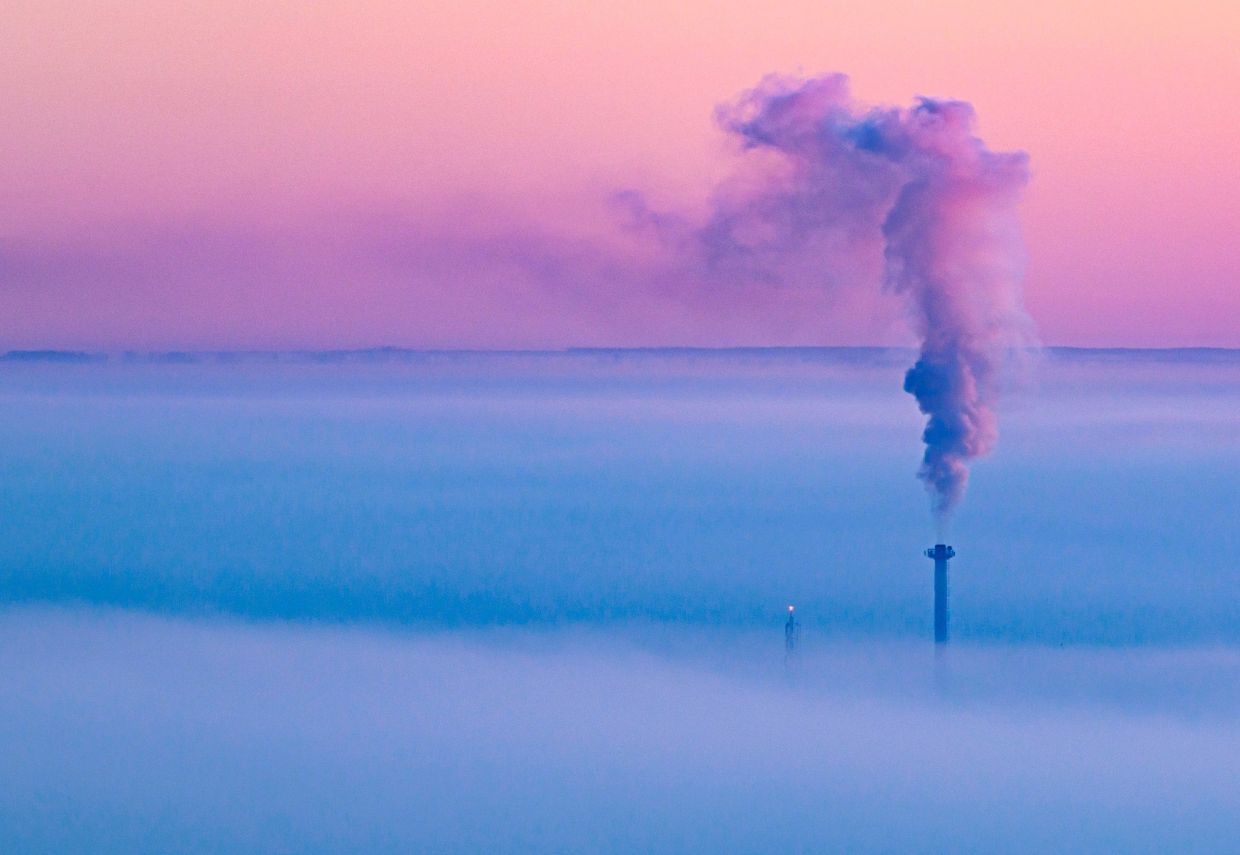
Global efforts to protect the ozone layer seem to be paying off, as the ozone hole continues to shrink.
In 2024, Earth’s ozone hole was smaller than in the years 2020 to 2023, the World Meteorological Organisation (WMO) reported last September.
A thin ozone layer allows more harmful ultraviolet (UV) radiation from the sun to reach the Earth. For humans this can cause skin damage or skin cancer, as well as cataracts.
According to the WMO, provisions adopted in the late 1980s to protect the ozone layer have since led to the phase-out of more than 99% of regulated ozone- depleting substances such as chlorofluorocarbons or CFCs.
These were once used inrefrigerators, air conditioners, fire-fighting foam and hairspray.
The WMO projects the ozone layer to recover to 1980s levels by mid-century.
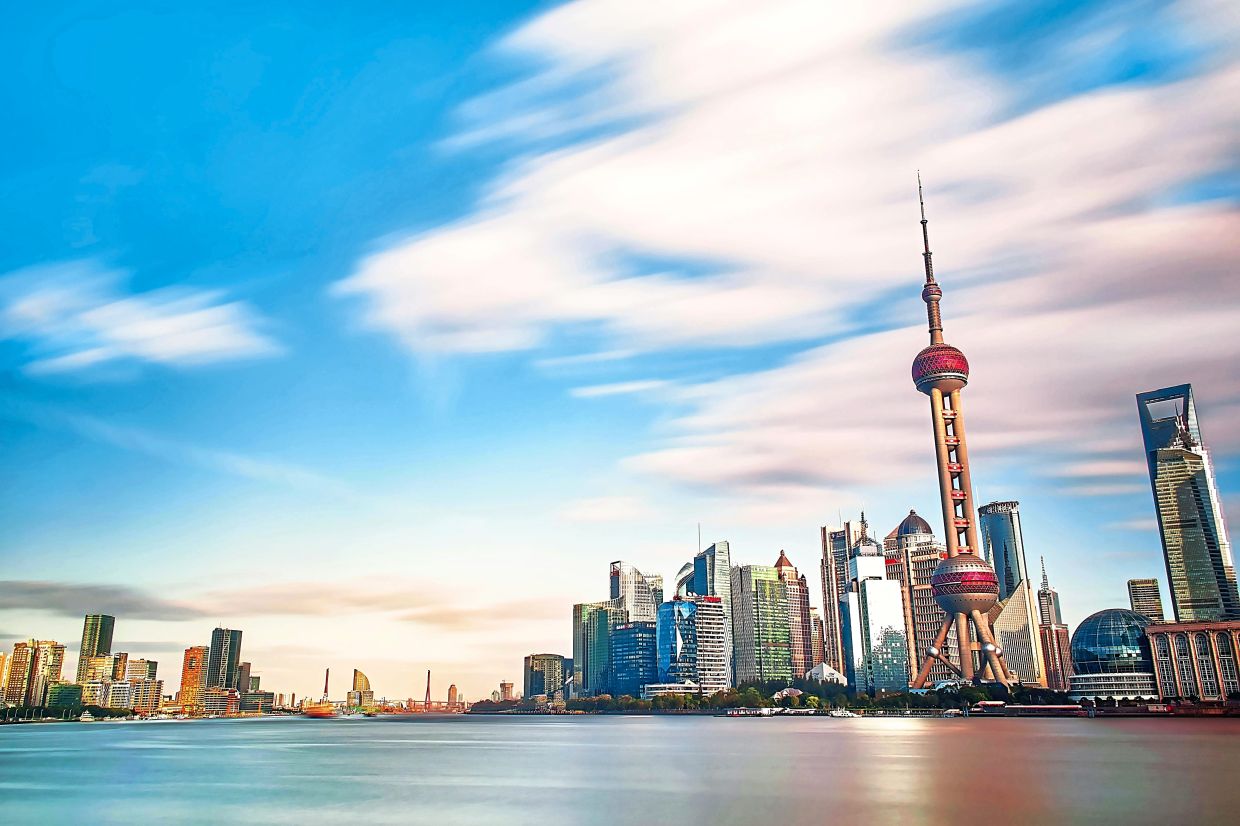
Emissions from traffic, industry, agriculture and forest fires are causing air quality to deteriorate in many places around the world.
However, air quality has significantly improved in the Shanghai area in China, thanks to an increased number of parks and trees, the WMO reported last September.
A rise in electric cars also helped to bring down pollution, it said.
Meanwhile, the concentration of particulate matter in the atmosphere has also fallen in North America and Europe thanks to environmental protection measures, according to the WMO.

Paris is considered a frontrunner when it comes to green mobility, which is clearly visible to anyone taking a stroll through the French capital.
Between 2002 and 2022, car traffic has declined by almost 50%, and roads along the Seine have been converted into a walking and leisure area.
A speed limit of 30 km/h applies in large parts of the city, and traffic is severely restricted in the centre. Cycle lanes have been added to dozens of roads and footpaths expanded.
More than 200 of Paris’ 6,000 streets are now car-free, with another 500 to be turned into pedestrian zones soon, following a referendum last year.
Meanwhile, air quality has improved significantly in the French capital, with the transport revolution likely having played a major role. – dpa