It is just like any suburban road in Malaysia with smooth traffic and no gridlock five days a week, but come Friday and Sunday, the situation at Kampung Kubang Perlis changes drastically.
Right from the crack of dawn, traders from near and far start arriving by the droves to set up makeshift stalls at a rubber estate that is intersected by the state’s route R6 road.
Traffic along this single carriage thoroughfare is further reduced to a crawl when legions of shoppers join the vendors by haphazardly parking their vehicles on road shoulders.
This strong turnout, however, is not without justification.
Major tourist draw
Nat Pokok Getah has grown to become one of Perlis’ major tourist draws since its inception some 15 years ago when a small group of traders established a bi-weekly morning market under the cool shade of towering rubber trees.
Unique to Perlis and Kedah, the term “nat” is used for morning market or “pasar pagi” which has survived centuries of change in this part of the Malay Archipelago.
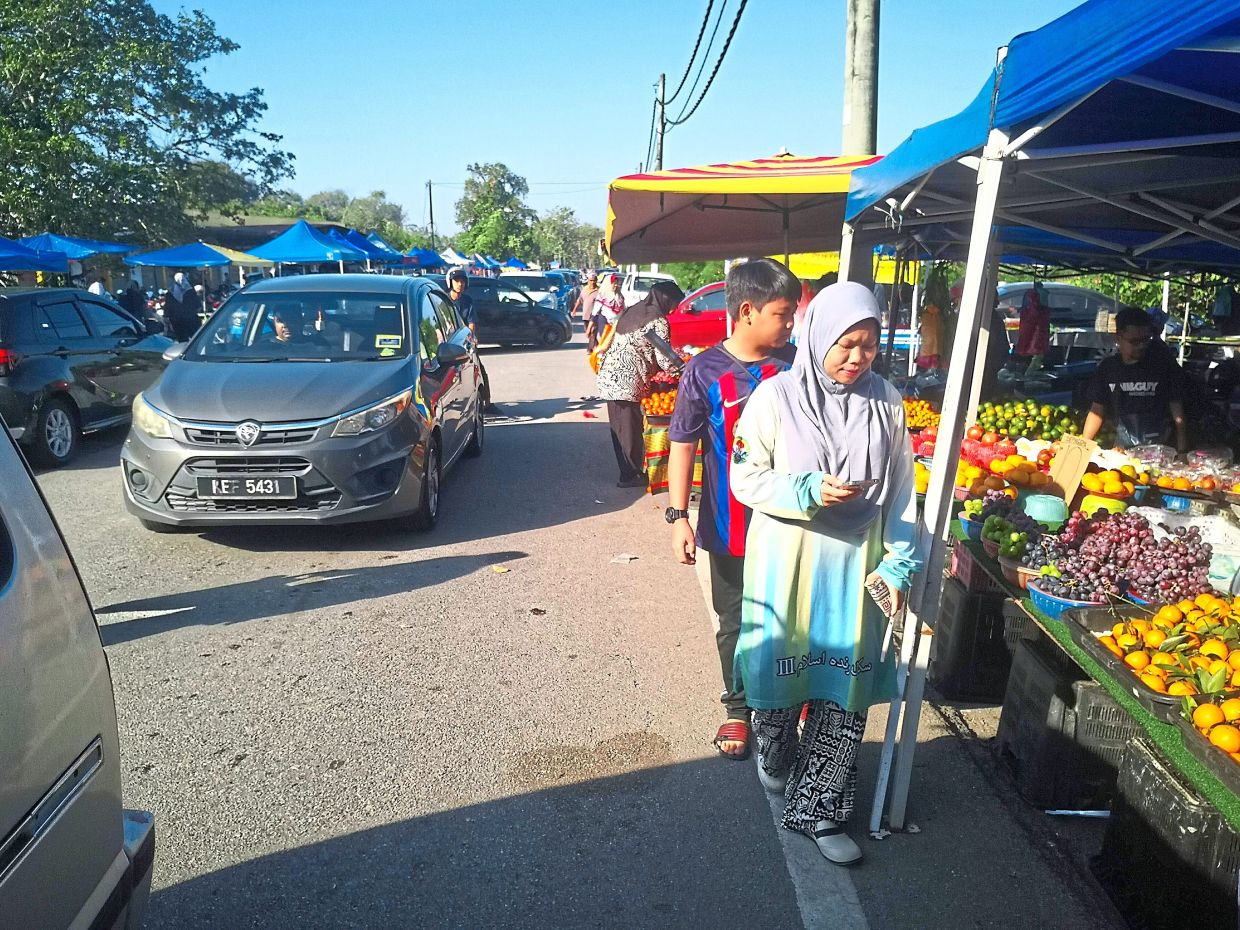
Over the years, the number of traders grew in tandem with increasing public response.
Success achieved as a premier retail destination is not only due to the venue’s strategic location close to the royal town of Arau and the Changloon-Kuala Perlis Expressway, but also the novel experience of shopping in the lush natural setting of a flourishing rubber estate, complete with the melodious cacophony of birds singing and sharp cicada shrills from the canopy above.
Home to more than 200 vendors today, this bustling marketplace offers an irresistible fusion of diversity, bargains and even possibilities of finding hidden treasures from the piles of bric-a-brac put on display by antique and preloved goods traders.
Together with fellow vendors making up a rather comprehensive one-stop shop for items like beauty and personal care products, secondhand household and electrical appliances, toys and a variety of other general merchandise, these stall owners coexist harmoniously with Mother Nature, blending seamlessly with the undulating landscape.
Tempting the tastebuds
The main draw in this labyrinthine wonderland of diverse retail options, however, is the lure of interesting dining experiences.
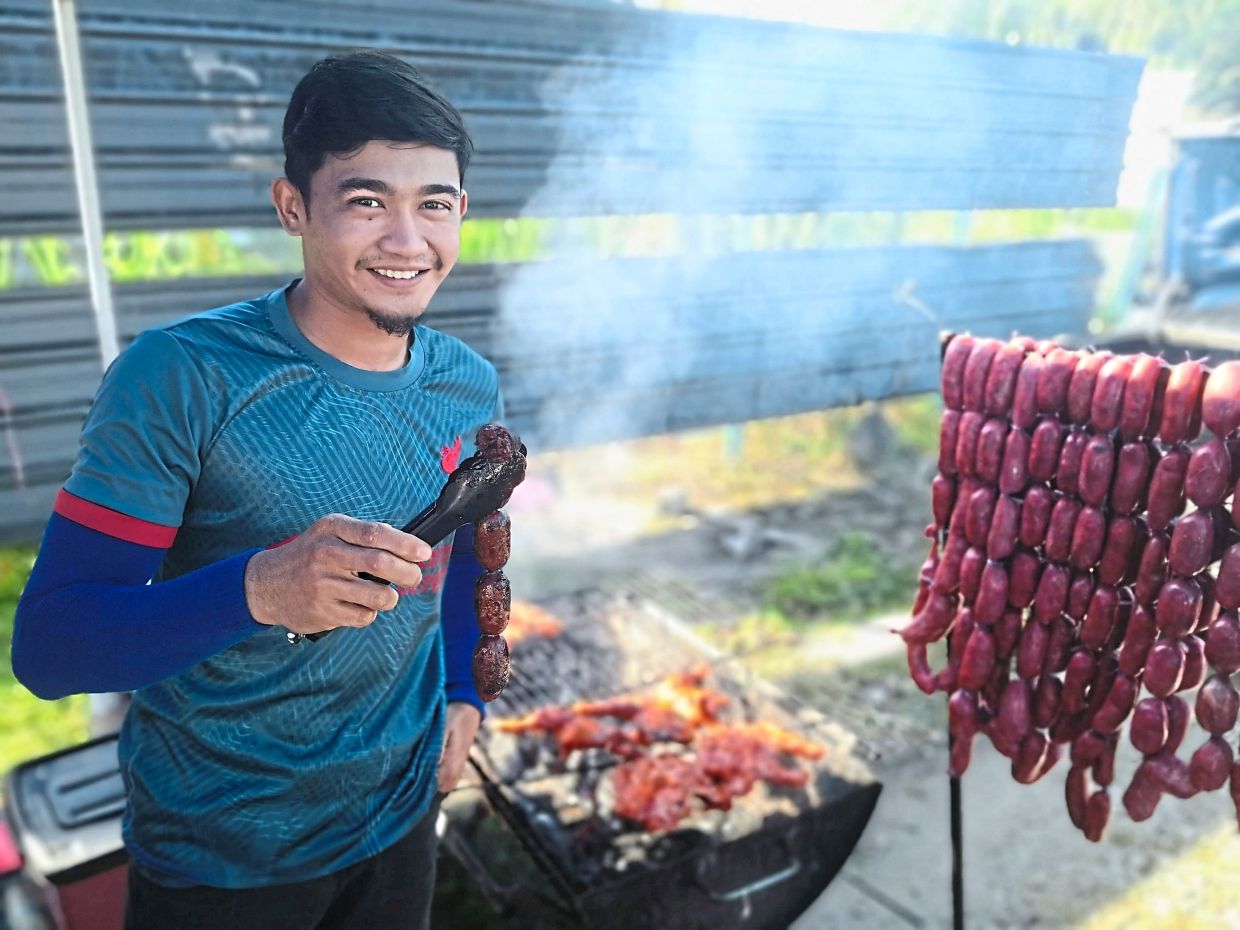
Nestled among traders selling fresh local produce like seafood that has just been brought to shore from the nearby seaside towns of Kuala Sanglang and Kuala Perlis, salted fish, buffalo meat and poultry, are food stalls offering an amazing array of choices to tempt the tastebuds.
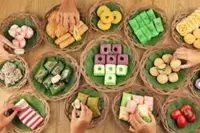
Besides the usual favourites like keropok lekor, satay, cucur udang, pasembur and apam balik, Nat Pokok Getah draws in the crowds with a delightful spread of traditional northern Malaysian fare unique to Kedah and Perlis.
The shared culinary heritage between these two states is not only due to geographical proximity but also because Perlis used to be part of Kedah, only to become a separate principality in 1842 after Kedah fell under Siamese rule.
Some six decades later, Siam (today Thailand) relinquished control over Perlis to the British under the 1909 Anglo-Siamese Treaty, thus making the state’s separation from Kedah permanent.
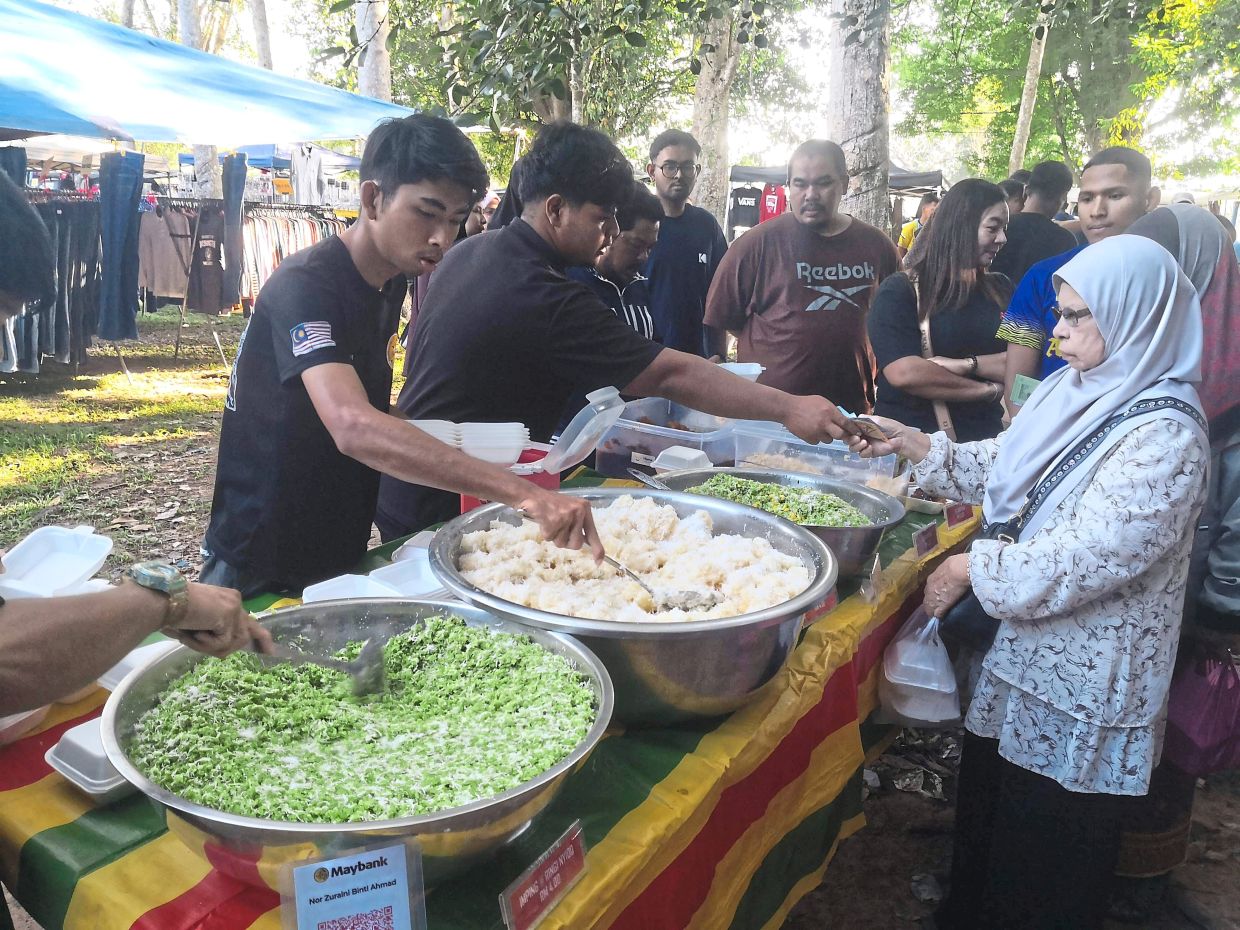
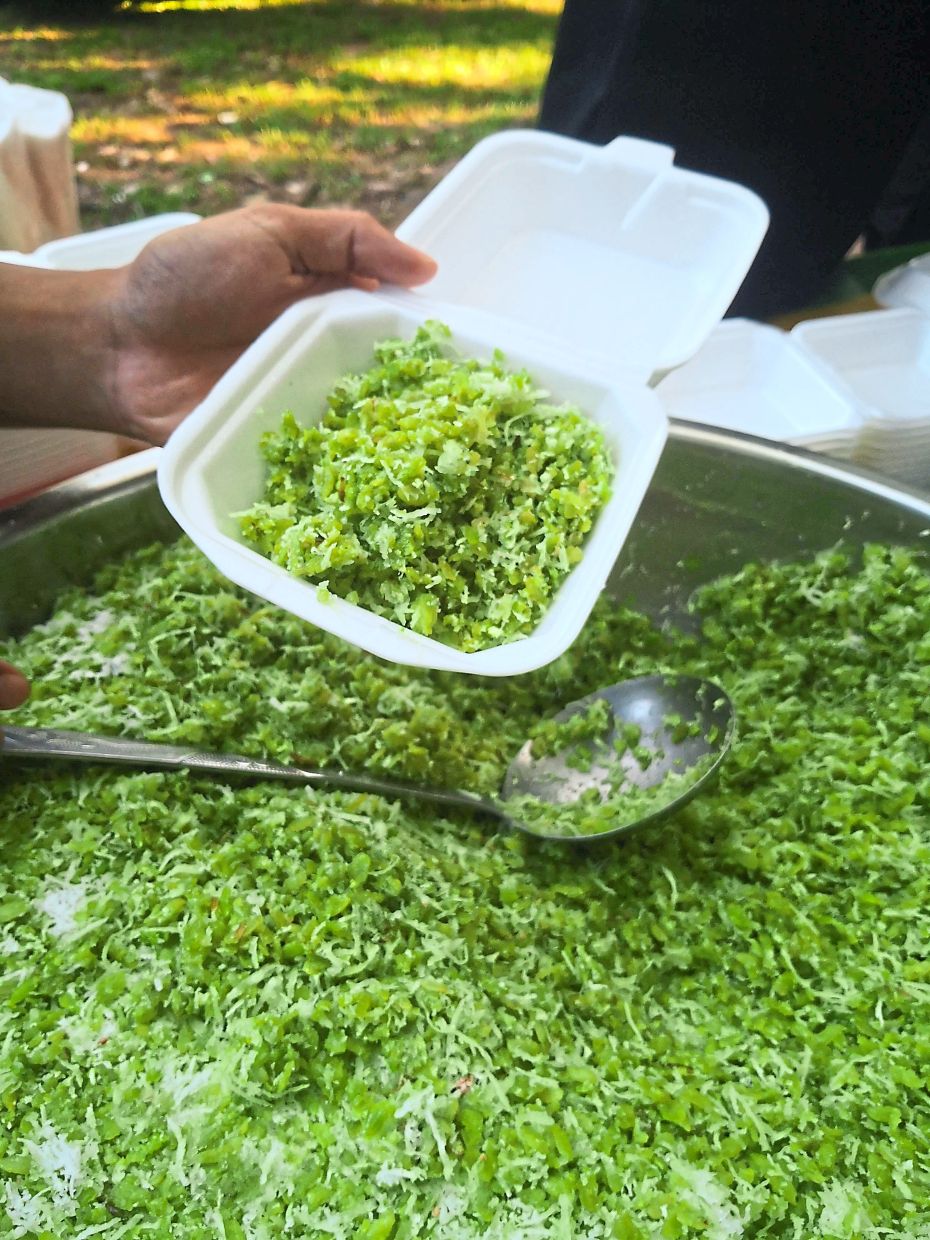
Receiving good response are stalls selling emping padi muda. Made from pounded young padi grains that have been mixed with grated coconut and sprinklings of salt and sugar in an oil-free heated wok, this tasty local snack is best enjoyed with a hot cup of coffee.
Sold either in its original form or with added sweet corn, the small flattened padi discs take on their trademark greenish hue after pandan extract is added during the cooking process.
In the past, emping preparation involved an entire village.
Padi grains harvested by men were placed in hand or leg pestles worked by the women.
After cooking, everyone sits down to enjoy the tasty meal together.
Although a rare occurrence today, these communal feastings helped enhance the spirit of sharing and togetherness in the villages.
Local variants
Sharing equal prominence is tapai pulut daun getah which is fermented glutinous rice wrapped in exactly the same dark green foliage found so abundantly within Nat Pokok Getah.
Only rubber leaves collected from surviving trees at abandoned rubber estates are used, as tapai pulut makers favour this wrapping media due to its uniqueness as well as abundance and low cost.
Other leaves used are from the banana and maru plants. Growing wild along river banks, the maru tree’s broad and robust leaves have long proven useful to the locals.
Hailing from an even wider descent is the seldom seen agar kering. Although popular in all the four northern Malay states, it is the unique ingredients used in Perlis that set this colourful snack apart from the ones prepared in Kelantan, Terengganu and Kedah.
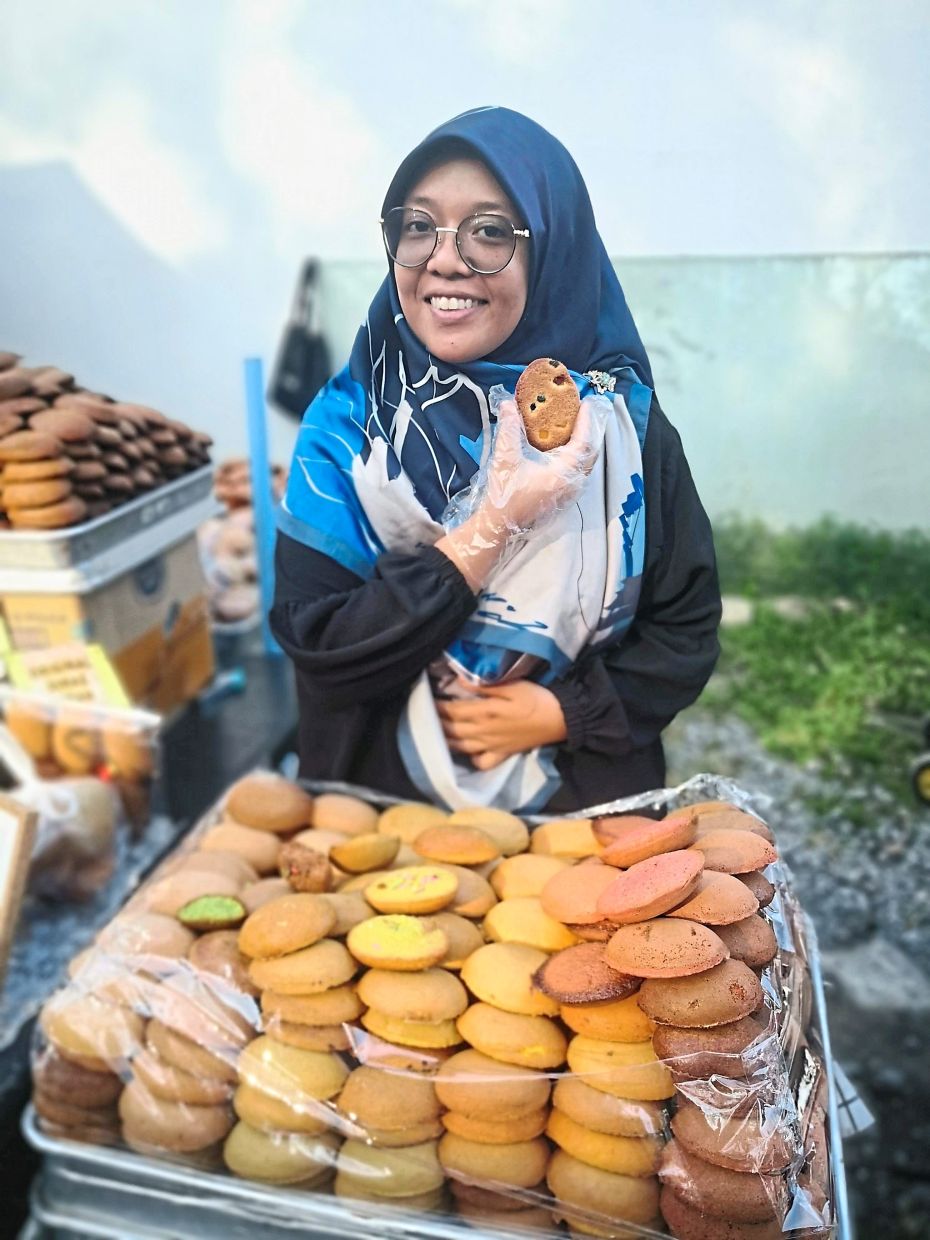
Made using seaweed jelly, water, sugar and permitted colouring as base ingredients before being thoroughly sun dried after cooking to give the soft and chewy candy a crusty, crystalline exterior, some interesting variants sold by enterprising Nat Pokok Getah vendors incorporate Harumanis mango extract.
The Harumanis concentrate not only gives the dry jelly a striking orange tinge but also imbues it with the mango’s distinct sweet taste and fragrant aroma.
From its peak at around 9am, activity at Nat Pokok Getah goes on a gradual decline until noon when the crowd thins considerably and vendors start packing up their stuff and heading home for some well-earned rest.
Apart from Nat Pokok Getah, Perlis also hosts other morning and night markets like Nat Tambun Tualang (Monday), Kuala Perlis Night Market (Tuesday), Nat Balai Baru (Wednesday), Pasar Malam Batu Bertangkup (Thursday) and Kangar Farmers’ Market (Saturday) on various other days of the week.