
The way we ate in 2025 was a wild ride, a time to take chances on unexpected flavours and drink cold-foam matcha lattes and dip everything in sauce.
While many Americans agonised over the price of beef, others spent like crazy on A5 Wagyu. Classic chain restaurants like Chili’s and Red Lobster were winners, but so were ingredients aimed at gut health, memory and mood. And perhaps — just perhaps — we hit peak protein.The game has changed for 2026.
Last year’s anything-goes sensibility has given way to caution. Diners crave quality, reliability and small pops of pleasure. Quiet luxury is the catchphrase.
To make sense of it all, every December I consult an army of market researchers, food company executives, restaurant publicists and cooks and dissect their forecasts for the coming year.
The goal is not to declare that “swangy” is the new swicy or that everyone will be eating whole baked sweet potatoes stuffed with butterkäse. Rather, let me serve you some educated guesses at where we’re all headed, through the lens of how we eat.
We live in an era of strategic consumption: protein shakes, superfood bowls and metabolic maximisation, all aimed at hitting specific nutritional goals. Forecasters expect precision targeting to continue but to start tapping into traditional kinds of cooking.
We’re talking about the kind of warm, grounding foods your best imaginary grandma might have made, like sourdough bread, dried apples, sauerkraut and vegetables she canned herself. Some are tagging it “nonna-stalgia.”
“The consumer right now is leaning a little bit away from science and into whole foods put together in a way that takes away some of the noise” of having to chase micronutrients and swallow supplements, said Melanie Bartelme of Mintel, a market research company.
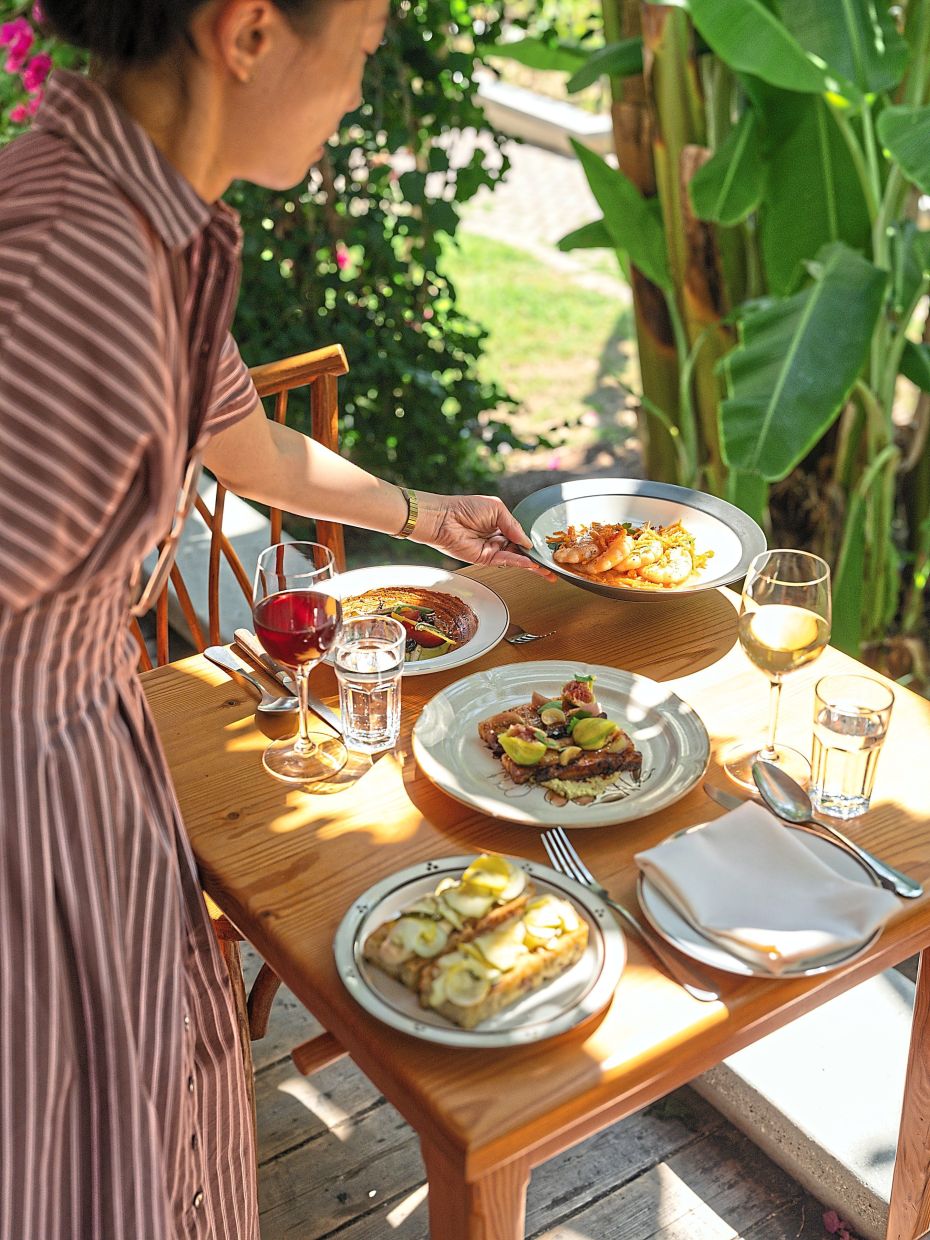
Taste and nutrition have long been the leading reasons people crave particular foods. Now those two find themselves in a throuple with texture.
“This is the generation of fluffy, chewy, smooth, crunchy, melty,” said Andrew Freeman, president of AF & Co., a San Francisco consulting firm that for 18 years has published the popular Hospitality Trends Report with brand marketing firm Carbonate.
Thanks in part to the growing ranks of ASMR fans, #CrunchTok — with its videos of shattering pastry and freeze-dried candy — racked up more than 1.5 billion views this year.
The word “crispy” turned up on more than 60% of all U.S. restaurant menus.The pendulum is already swinging. Chewy is on track to become the new crunchy.
Pinterest agrees, adding all things gummy to its list of food predictions for 2026. And don’t count out the sleeper: creamy.
It can be bold or mellow, infused or aged, and acts as both a health tonic and a delicious ingredient. What’s not to love?
The quality and styles of vinegars available to home cooks will continue to expand, and chefs are finding new ways to use them, like spritzing thyme vinegar on warm cookies or marrying red wine and kombu jelly with raw vegetables.
Vinegar is essential to Filipino food, which is increasingly popular in the United States. Bartenders are using it to create nonalcoholic cocktails with more character.
Home cooks bored with ranch dressing or other sauces are punching them up with vinegar. And holistic-health devotees are using raw, unfiltered vinegar to battle all manner of ailments.
Politics isn’t the only realm in which the United States has turned inward. Americans are looking in their own backyard for ingredients that are uniquely theirs.
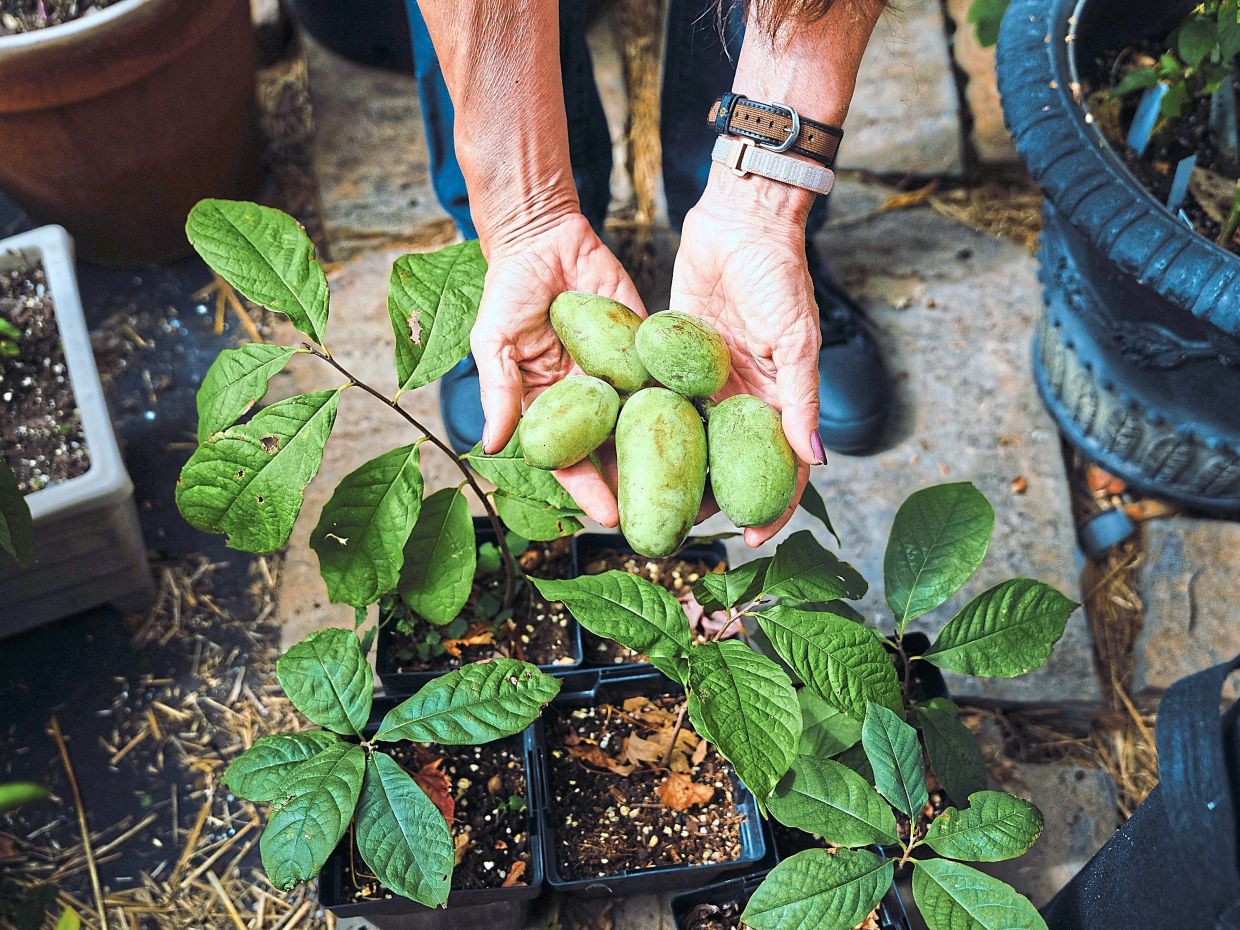
Yaupon tea, made from a holly plant that grows in the Southeast, is being touted as the only native source of tariff-free caffeine in North America. The pawpaw is starring in soda and margaritas. Juneberries, also called service berries or Saskatoons, are showing up on menus. Bison prices have risen along with demand from followers of the carnivore diet.
The “dopamine décor” movement – fitting out the home in colours and designs meant to lift the spirits – is heading into the kitchen.
That particularly lovely bottle of olive oil or a stack of beautifully illustrated cans of tinned fish have been deployed as sophisticated design elements. Time to display that collection of jam jars you use for your matcha!Whole Foods Market is calling it “kitchen couture.”
“Consumers are seeking products that mirror their inner lives, not just their tastes,” said Alon Chen, CEO of Tastewise, which uses generative artificial intelligence to track trends for food companies. More than ever, he added, food choices – even the containers they come in – are a way to define yourself.
In an obsessively scrolling world that can feel automated and out of control, people want to feel something real. As a counterbalance, chefs and restaurateurs will pay more attention to colour, aroma and light.
Diners will seek out hands-on rituals like tea ceremonies, restaurant food they can participate in preparing, and field trips to gather oysters or mushrooms.
All of this is part of a growing focus on the neurodivergent diner who might be particularly sensitive to the smells, lighting, texture and sound of a restaurant.

“It’s a move from whimsical to purpose-driven sensory experiences, and an opportunity for a more inclusive experience for underserved folks,” said Joel Gregoire, a Canada-based associate director for food and drink at Mintel.
At some restaurants, that means clearly written menus, meals that can be easily customised, and reserving part of the restaurant for people who can’t tolerate noise or bright lighting.A bonus: That might mean quieter restaurants for everyone.
If “affordability” was the mantra of 2025, the new year may offer a slight variation: “value.”
Seeking value isn’t necessarily about looking for the cheapest price. Food forecasters say that most people will be more discriminating. They’ll spend on unique experiences and high-quality food from different cultures – especially from sustainable sources they can trust.
“It’s this sense that I want to spend money, but I’m a little bit nervous, so if I spend it I want to make sure it was worth it,” said Freeman of AF & Co.
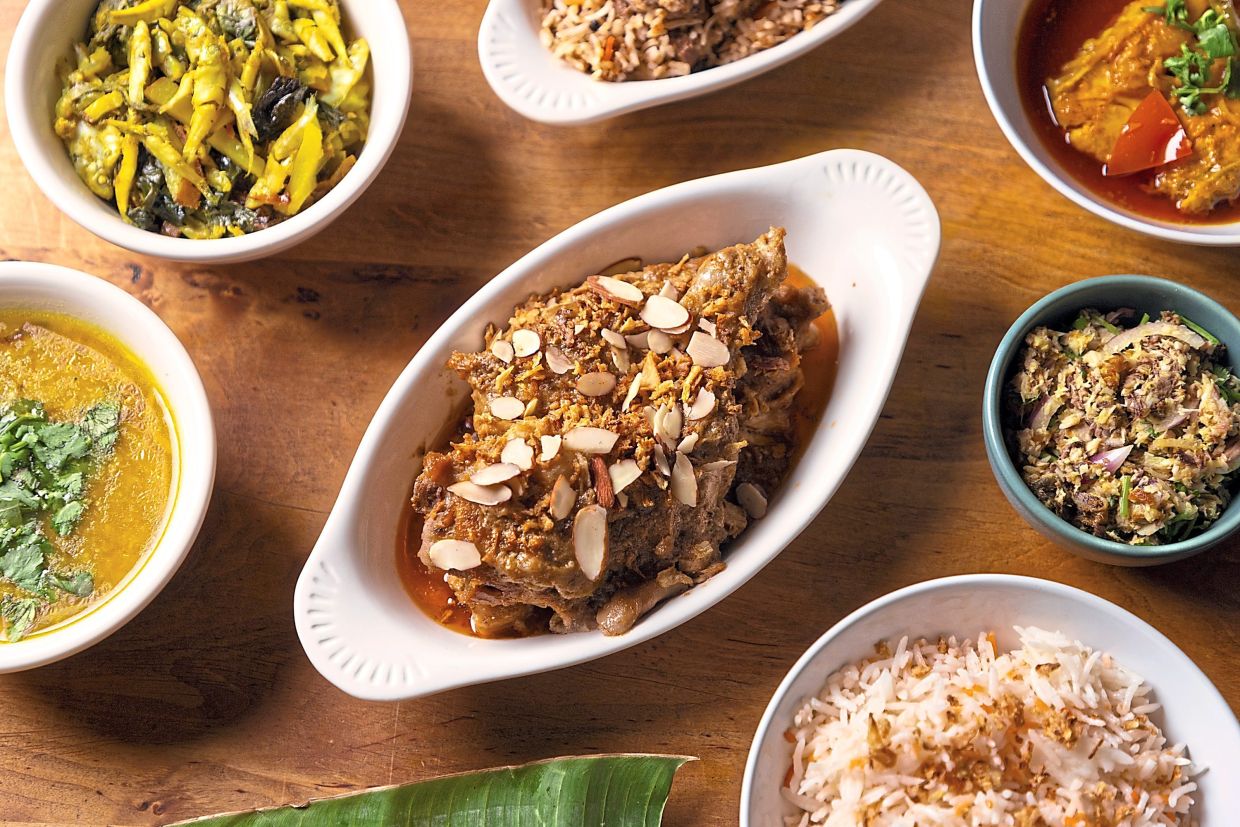
Restaurateurs are seeing the value of informed, personal service that feels genuine, not scripted. To that end, some chefs are scaling down.
“Smaller restaurants with shorter menus but that are high on ambience and service are growing,” said Phoebe Ng, a New York publicist.
Celery will show up in desserts, as a pickle and in other applications beyond mirepoix.On menus, flights will move beyond wine and beer to almost anything — cream cheese, sliders, fruit, candy.Hotel dining will experience a resurgence as people look for small ways to feel as if they’re on vacation.Supermarket freezer cases will fill with more minimally processed, restaurant-quality food.Chinese chain restaurants, and places offering new twists on classic sandwiches — like the paratha burger and the naanini — will challenge traditional American fast food.
Japanese-style breakfasts will appeal to a desire to start the day with less sugar and fat.Expect more foods that focus on women’s health as it relates to menopause or fertility.
Chai raves and other booze-free daytime dance parties will spread inward from the coasts.
At the office, shareable boxes of lunch food will replace the sad desk salad.
Fruit sauces and chutneys will show up in savory versions, including black currant, McCormick’s flavour of the year.
Solo dining will emerge as self-care, treating a quiet dinner alone as a spa-like respite.
Look for more one-dish restaurants that serve only, say, chicken, egg tarts or steak sandwiches.
Cinnamon rolls will be everywhere, and move from sweet to savory.And finally, the vegetable of the year: cabbage! Braised conical cabbage and kimchi showed up on lots of menus in 2024, but this inexpensive, healthy vegetable is set to reach new heights as America deepens its cabbage crush. – © 2025 The New York Times Company