
With Christmas just days away, homemaker Geraldine Marsh, 53, has one pressing worry: whether her house in the Portuguese Settlement in Melaka will flood again before the festivities begin.
When tropical storm Senyar swept across Malaysia recently, Marsh’s home – within walking distance from the seashore – bore the brunt of the storm.
Just last week, flooding occurred again due to the high tide.
Her single-storey wooden home sits beside a monsoon drain that leads directly to the sea, and muddy waters often spill over during the rainy season.
“Floodwaters rose to about 10in (25.5cm) during last week’s floods,” Marsh says, gesturing at the visible watermark on the wall. “We can’t buy new furniture as it’s always damaged by the floods.”
Marsh and her husband, fisherman Mervin Adrin DeSilva, 57, are now praying for calmer weather as Christmas approaches.
“Every year, flooding tends to happen near Christmas. While this isn’t new for me, I can only hope our home will be spared this year,” says the grandmother of nine.
Another concern for the fishing community is the declining catch, caused by erratic weather and ongoing sea reclamation works around the Settlement, says DeSilva.
“In the past, we could catch kilos of geragau (krill), prawns and fish. These days, we can hardly catch anything. We have to go farther out to sea – often as far as Pulau Besar, off the coast of Melaka – just to get a better catch. And going farther means using more petrol, so we don’t earn much as fishermen,” says DeSilva, who has been fishing since he was 13.
For decades, the Portuguese community in the Settlement has been known for making cincalok (a traditional condiment made from fermented geragau) and belacan (shrimp paste made from geragau).
It is a way of life passed down through generations, but with rapid development and shrinking fishing grounds, fishermen are finding it harder to make a living. Over time, their cultural heritage may fade.
Her daughter, Angel DeSilva, 28, lives nearby and is always at hand to help with the preparations.
For Christmas, Marsh’s signature sweet treats always make an appearance – ghee cookies, peanut cookies and sesagong, a traditional delight made from toasted rice flour, grated coconut and sugar.
On Christmas Eve, she plans to prepare her usual spread: chilli achar, roast chicken, beef pie and seybak, a Eurasian salad made with roast pork and chilli sauce.
Christmas is a two-day celebration for her family.
“For Christmas Eve dinner, my family comes over. Adrin’s side joins us on Christmas Day,” says the soft spoken mother of six.
“No matter the challenges, we always make it a point to celebrate Easter and Christmas as a family. Even though money is tight, we try to make things as nice as possible. Instead of buying new clothes, we’d rather use the money to buy ingredients and cook for our loved ones. It’s all in the spirit of Christmas,” she says.
Celebrating with faith
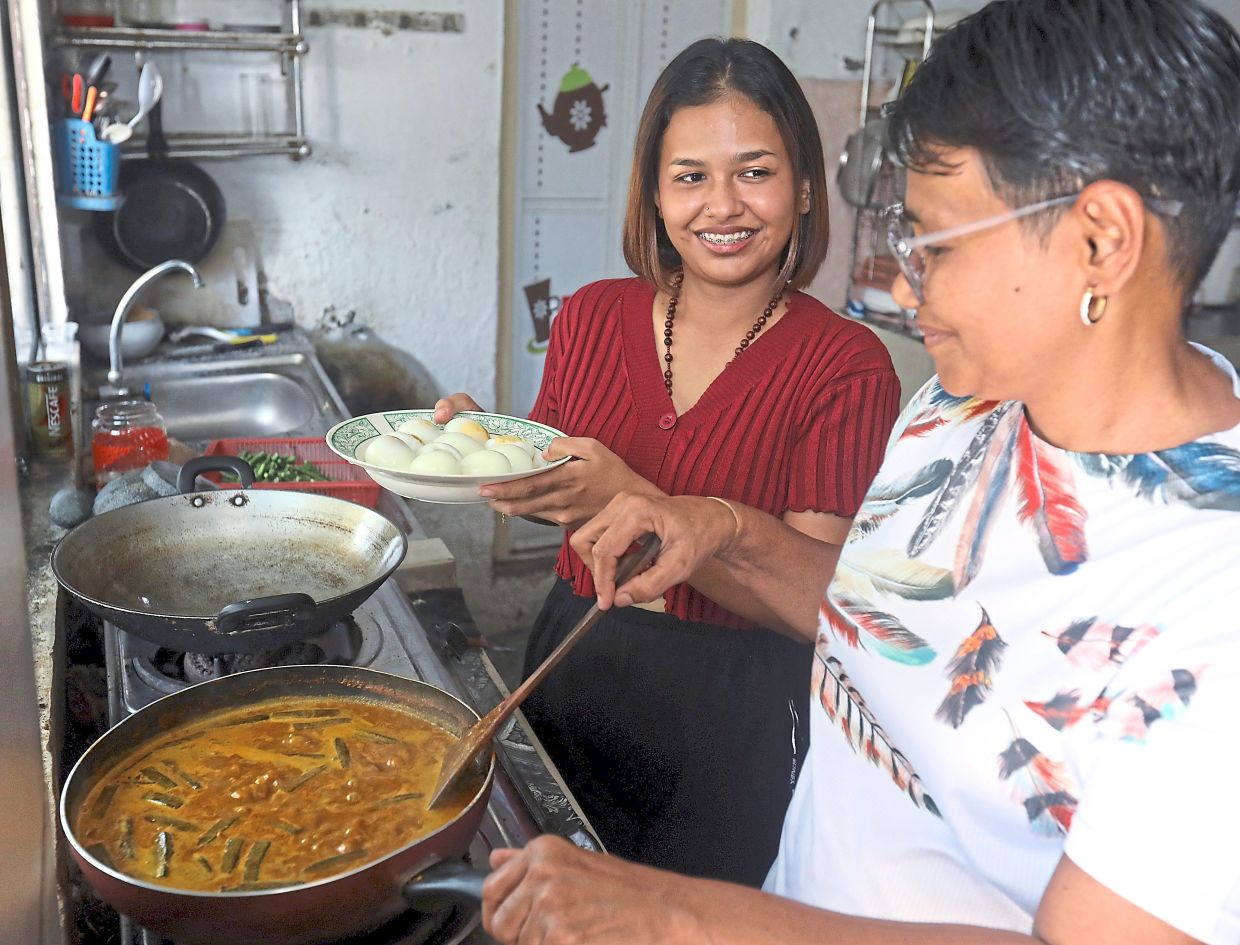
Marsh (right) is glad that her daughter Angel DeSilva is eager to learn traditional Kristang dishes. Photos: The Star/Azlina Abdullah
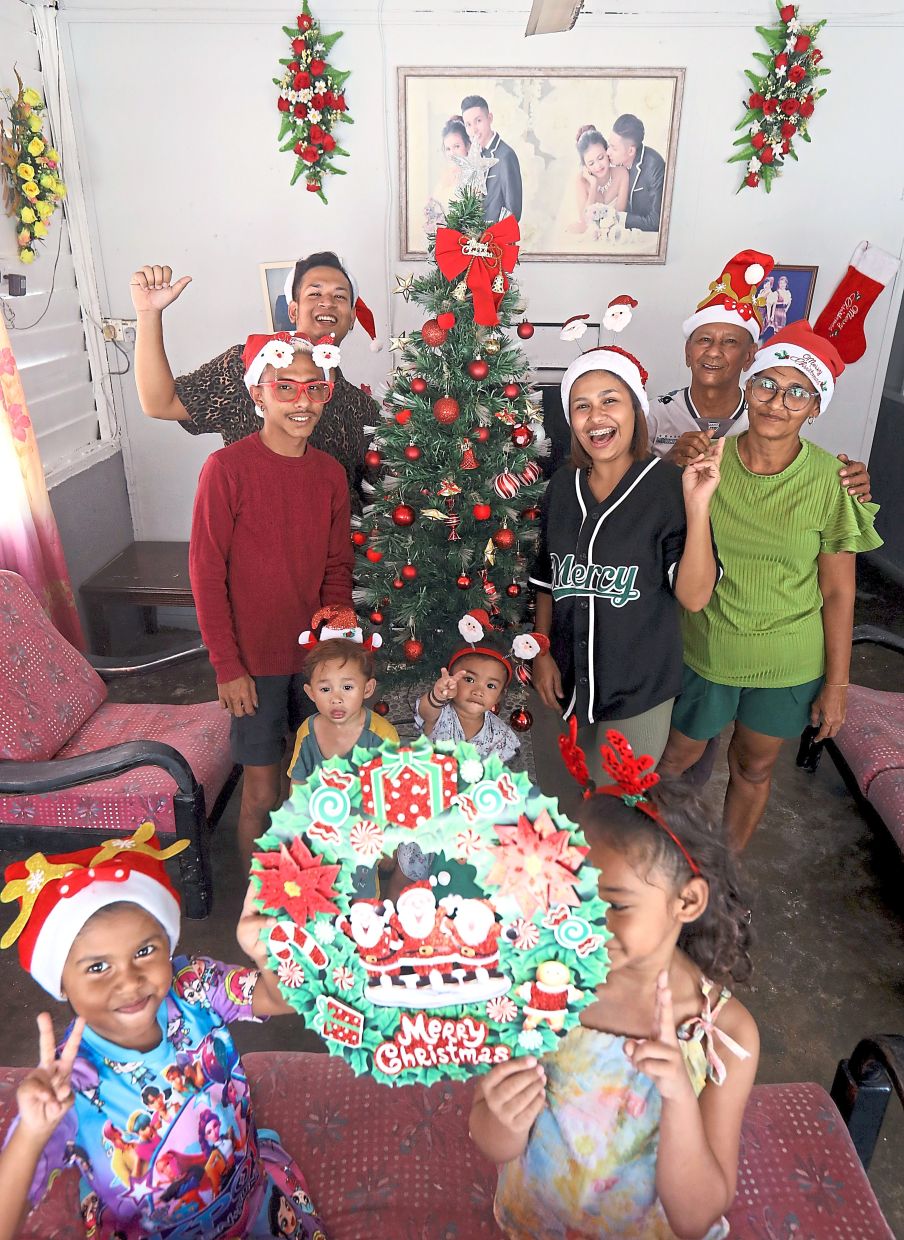
Marsh (extreme right) and her family decorate their home for Christmas, undeterred by fears of flooding.
Photo: The Star/Azlina Abdullah
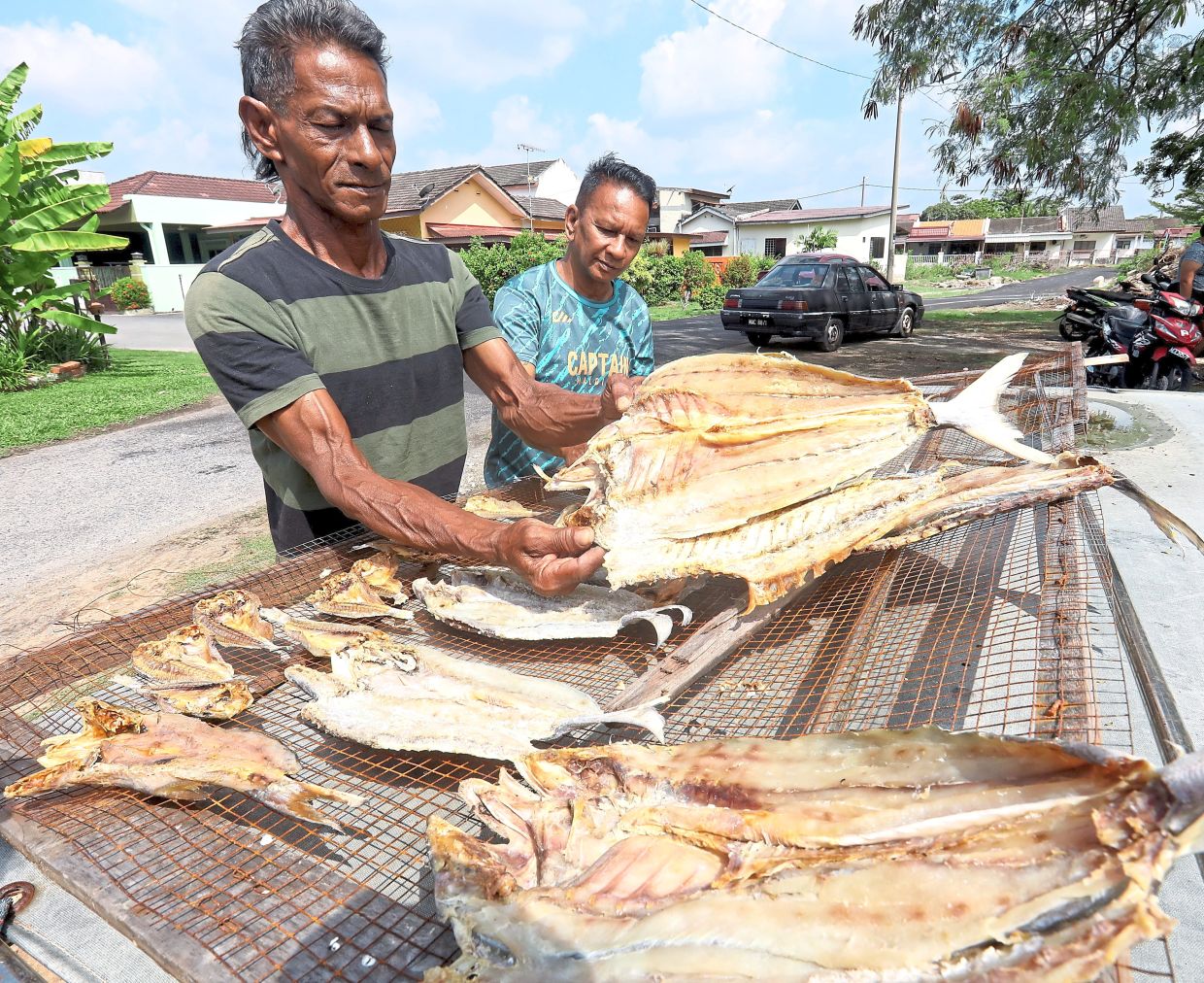
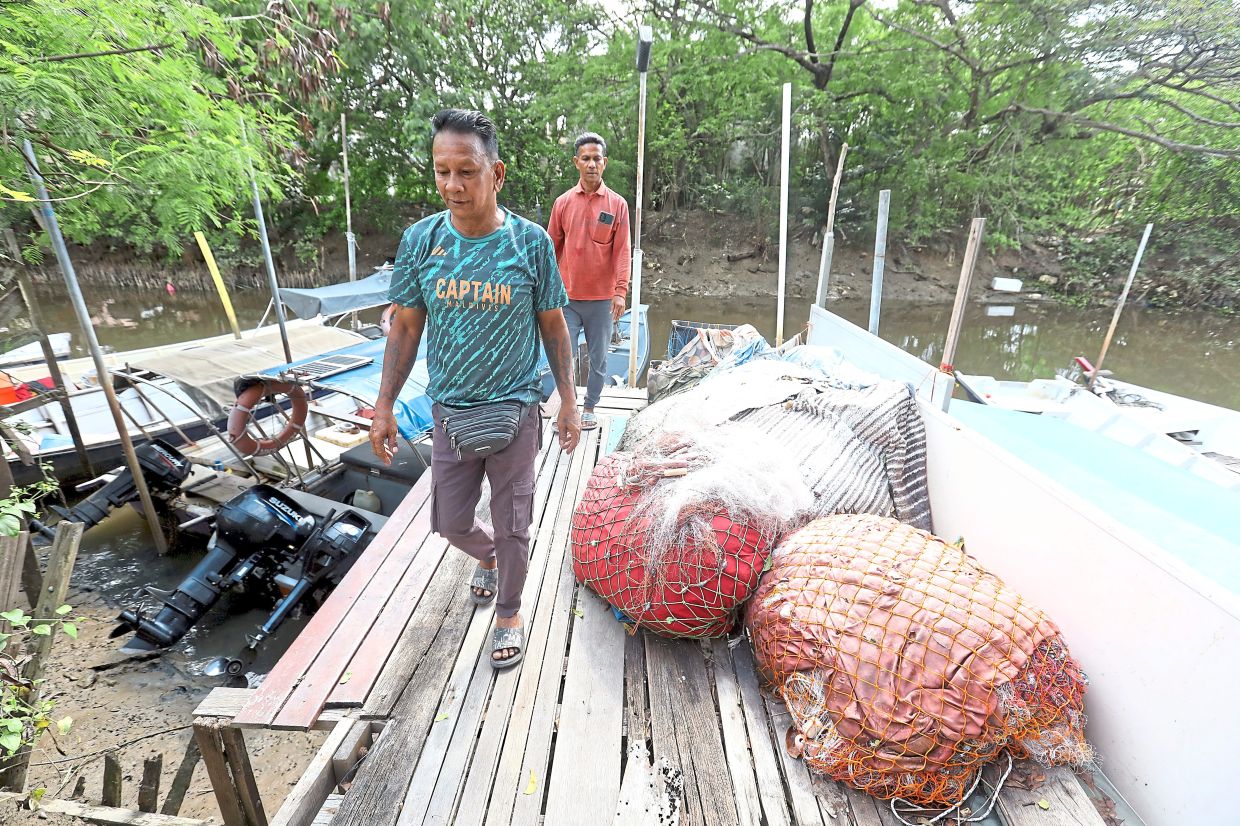
DeSilva (right) and his brother-in-law, fisherman Edward Marsh, hope for a better catch in the days ahead.
Photo: The Star/Azlina Abdullah
Development and changing coastlines are making it harder for fishermen in the Portuguese Settlement to earn a living.
Photo: The Star/Azlina Abdullah
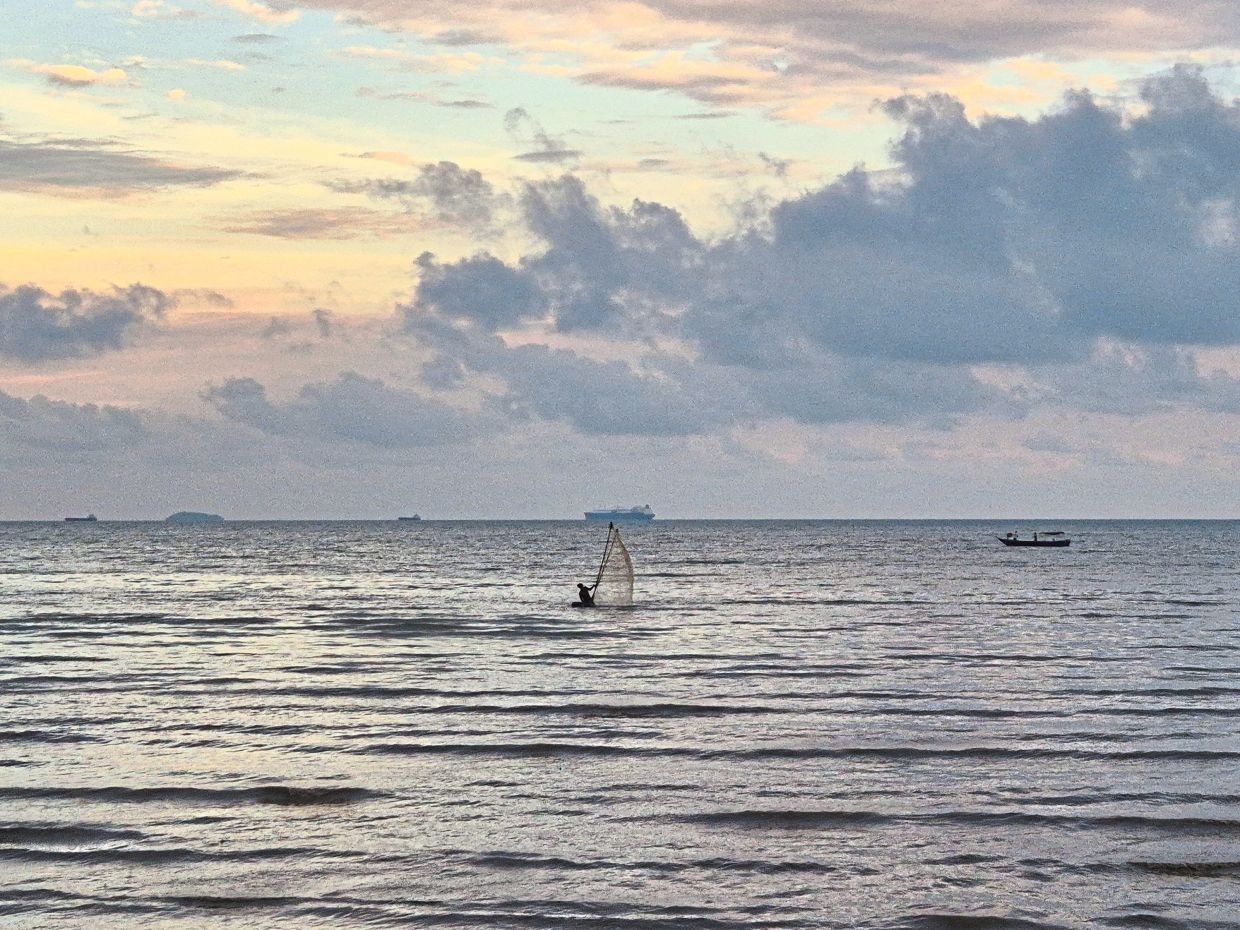
DeSilva searches for geragau along the seashore, a practice tied to the Settlement’s fishing heritage. Photo: Sabine Ferrao