As a pet owner, it's good to occupy your dog by ocasionally teaching them new things.
It's important to keep dogs mentally stimulated and physically active to prevent the seemingly inevitable boredom when they stay at home, which can often lead to potentially destructive behaviours, especially in young dogs.
Start with some easy, basic activities and ease into more challenging ones if you and your dog are so inclined.Make this an opportunity to get yourself active and involved with your dog and don’t forget to have fun while doing it.
Learning new tricks is a fantastic way to engage your dog’s mind and strengthen your bond. Start with simple obedience tricks like “sit,” “stay” or “down,” then gradually introduce more advanced commands.
Setting up a mini obstacle course indoors using pillows, blankets or even a low broomstick for your dog to navigate. This is a great way to stimulate your dog’s mind and body.
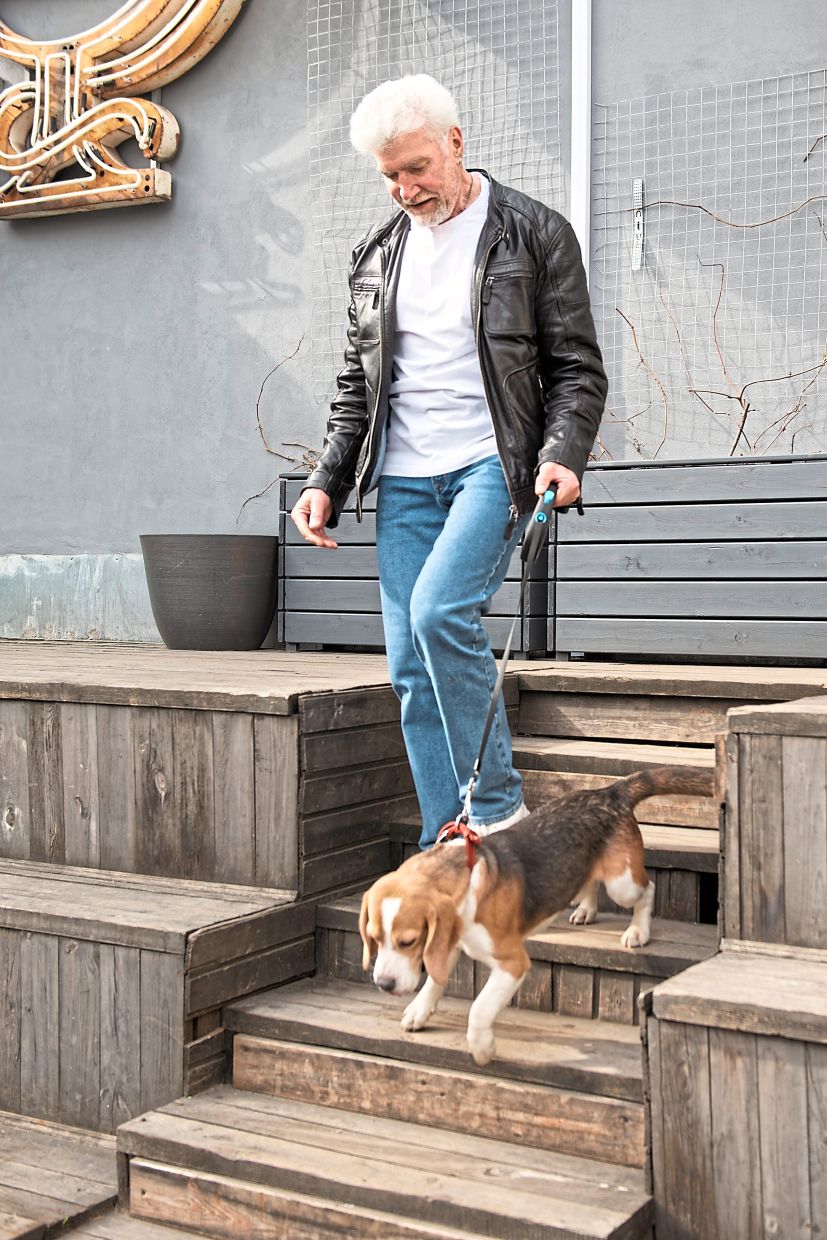
If you have stairs, try throwing a soft toy up and down the staircase, encouraging your dog to chase and retrieve it. This provides a great workout and improves their agility.
Dogs have a sense of smell that’s between 10,000 and 100,000 times more acute than humans. It is important to keep your dog’s scent skills sharp. Turning your dog’s favorite activity into a rewarding game or treasure hunt is a great way to keep them active in this area.
Scatter small, high-value treats around the house and encourage your dog to sniff them out. Start with easy hiding spots and gradually increase the difficulty as your dog becomes more proficient.
Place treats in a muffin tin and cover some with tennis balls or other safe objects. Let your dog use their nose and paws to uncover the hidden goodies.
Invest in puzzle toys that require your dog to manipulate the toy to release treats. These come in various difficulty levels, so start with easier ones and gradually challenge your dog as they master each puzzle.
ou can easily create your own puzzle feeders using household items. Try stuffing treats inside an empty toilet paper roll and folding the ends, or hiding treats within a muffin tin covered with tennis balls.
These mats with hidden pockets or folds are perfect for hiding kibble or treats, encouraging your dog to sniff and forage. This not only provides mental stimulation but also slows down fast eaters.
Drag a smelly treat or a favourite toy across the floor to create a scent trail for your dog to follow. This taps into their natural tracking instincts and provides a great mental workout.
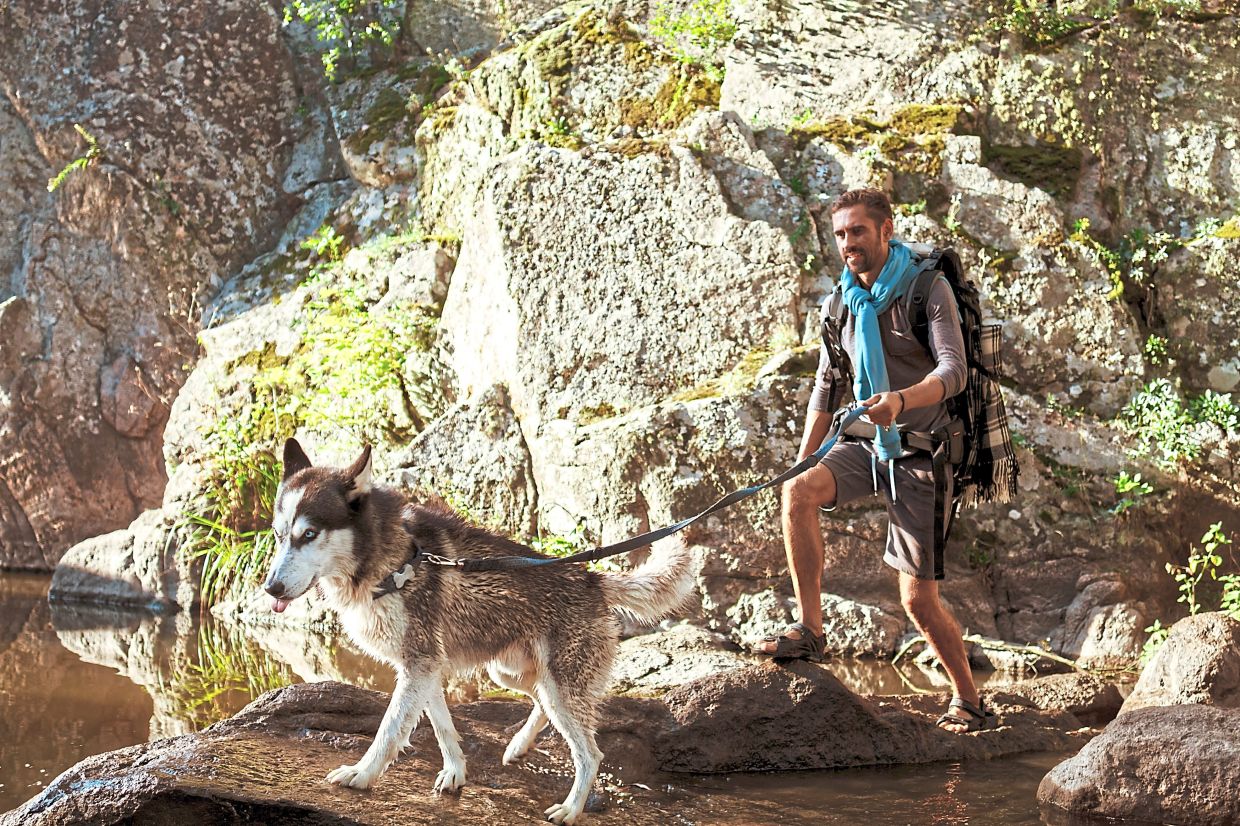
When the weather permits, go walking or hiking with your dog and take in the beautiful scenery. Fitness is important for both dogs and people and walking is the most recommended exercise to improve fitness. Nothing could be simpler or cheaper, all you need is you, your dog, a collar and leash and some enthusiasm.
It is important to note that before starting any exercise programme, your dog should first be evaluated by a veterinarian to make sure there are no underlying medical issues (such as heart issues or bone/joint issues) that might affect the dog’s future health and welfare.
Dogs should not be subjected to intense running or trotting (especially on hard surfaces) until their growth plates have completely fused (usually 12 months of age, but up to 18 months of age on large or giant breeds) to prevent future bone issues. This can also be discussed with one’s veterinarian. – American Kennel Club/Tribune News Service
Dr Jerry Klein the is the chief veterinarian for American Kennel Club. For more information on responsible dog ownership, visit the AKC at www.akc.org.