Saulo Jennings, a chef from Brazil's Amazon region, is so passionate about the rainforest's flavours – like the massive pirarucu fish – that he refused to cater a vegan dinner at an environmental awards ceremony hosted by Britain's Prince William.
The 47-year-old chef is, however, ready to impress heads of state at the COP30 meeting at Belem with an immersive dinner showcasing both plant and animal ingredients from the world's largest rainforest.
Jennings was appointed a United Nations gastronomy ambassador in 2024 and has cooked for presidents, diplomats, and Mariah Carey, among others.
Born and raised on the banks of the Tapajos River in northern Brazil, where he opened the first of his six restaurants 16 years ago, Jennings said that sustainability, for him, is about balance.
"The request I received was to create a 100% vegan menu, and I explained that I didn't feel comfortable signing off on such a menu because my work is precisely to show that the Amazon is sustainable, and this includes the fish.
"I even suggested making an Amazonian menu with mostly vegetable dishes, but also including sustainably managed fish, which ended up not being accepted.
"As far as I know, it wasn't a requirement of the royal family." (Earthshot declined to comment.)
"I greatly respect those who choose this path. But I think it's dangerous when veganism is treated as synonymous with sustainability. They are different things. The forest is a balanced ecosystem, it needs people, animals and plants living together. What worries me is when this becomes a cultural imposition.
"The people of the Amazon are vegan, vegetarian and carnivorous without thinking specifically about it. We eat what the forest gives us. This relationship with food is ancestral."
"I was the first to question this, including with Brazil's Tourism Minister, and we managed to get a correction made to the bidding process. It would be absurd for the whole world to come and see the Amazon and for us not to be able to serve our own food.
"Many people from outside are still afraid of our food, and end up ordering chicken or turkey, when they could eat pirarucu (an Amazonian freshwater fish that can grow up to 3m long), which is noble, flavourful, and sustainable."
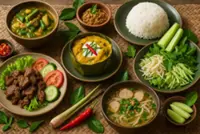
"The basis of everything for me is cassava ... but I also love working with Brazil nuts, jambu (a herb which creates a tingling sensation in the mouth), melipona honey (from stingless bees), Santarem butter beans, pumpkin, banana, black tucupi (made from fermented and boiled manioc juice), and Marajo cheese (made from the milk of water buffalo).
"At COP, I want the world to taste these flavours and understand that the forest also speaks through food."
"Absolutely. Cuisine is one of the most direct ways to protect the forest. When you consume sustainably managed fish, artisanal flour, or real tucupi, you are helping a chain that keeps people on the riverbank and prevents deforestation. Amazonian food is a political act of conservation."
"I am the son, grandson, and great-grandson of people who live off this land. Food for me is memory, it is resistance, and it is the most beautiful way to tell who we are.
"When we talk about the Amazon, there are still those who think it's exotic and don't understand that it's science, technique, and tradition. "My dream is to see a pirarucu dish being served with the same prestige as a Peruvian ceviche or an Italian pasta." – AFP