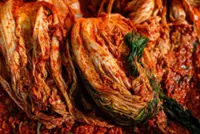
As a child growing up in South Korea, 71-year-old Yoo Jung Im recalls watching her mother make kimchi in awe and fascination.
“My mother was a very good cook. When I was little, she used to make kimchi for me, and by the time I was 11, I was sitting next to her and making it with her. So that is how I gained an interest in cooking,” she says.
Yoo is a sprightly lady with perfect posture, a sweet smile and beautiful, ageless skin. She says her looks and youthfulness can be attributed to a lifetime of eating kimchi.
As an adult, Yoo set up her own food company called Pung Mi Food Agri, which has now been in operation for 40 years. Under the auspices of this establishment, she launched her own eponymous kimchi brand – Yoo Jung Im Kimchi. Yoo’s reach is so widespread that she now exports her kimchi to countries like Australia and the United States.
But it is her role as Korea Grand Master of kimchi that truly gives her an immense sense of satisfaction and pride. Throughout South Korea, there are currently only five kimchi grand masters. The designation of kimchi grand master (officially called Korea Grand Master) is provided under the auspices of the Ministry of Agriculture, Food and Rural Affairs in Korea after review and deliberation.
The designation covers categories like traditional drinks, tea, kimchi and jang (fermented pastes), among others. According to an article in the Korea Times, there are currently about 80 active masters nationwide.
To become a Korea Grand Master in kimchi, Yoo says potential candidates have to undergo rigorous evaluation and must meet qualification requirements, including preserving traditional methods. Most importantly, the candidate must have been working in the relevant field for more than 20 years.
Yoo passed the test with flying colours 15 years ago and became the youngest kimchi grand master on record when she attained the title in her fifties. Her products now bear the Korea Grand Masters logo issued by the government.
Kimchi legacy
Each kimchi master is recognised for only one kind of kimchi. In Yoo’s case, she is a Korea Grand Master of cabbage (pogi kimchi) kimchi. “Pogi” refers to a whole head of vegetable – in this case, whole Napa cabbages.
For the uninitiated, kimchi is a traditional fermented Korean vegetable dish that has roots spanning 2,000 years. It was originally created to prolong the shelf life of vegetables during harsh winter months in Korea. As the years progressed, so too did the dish, including the addition of chilli peppers (gojucharu) during the Joseon dynasty from the 14th century onwards – something that kimchi has now become synonymous with.
There are now over 300 different kinds of kimchi. Kimjang, the practice of making and sharing kimchi, was inscribed by Unesco onto its Representative List of the Intangible Cultural Heritage of Humanity in 2013.
These days, 22 November is officially recognised as Kimchi Day and honours the 11 ingredients and 22 health benefits associated with kimchi.
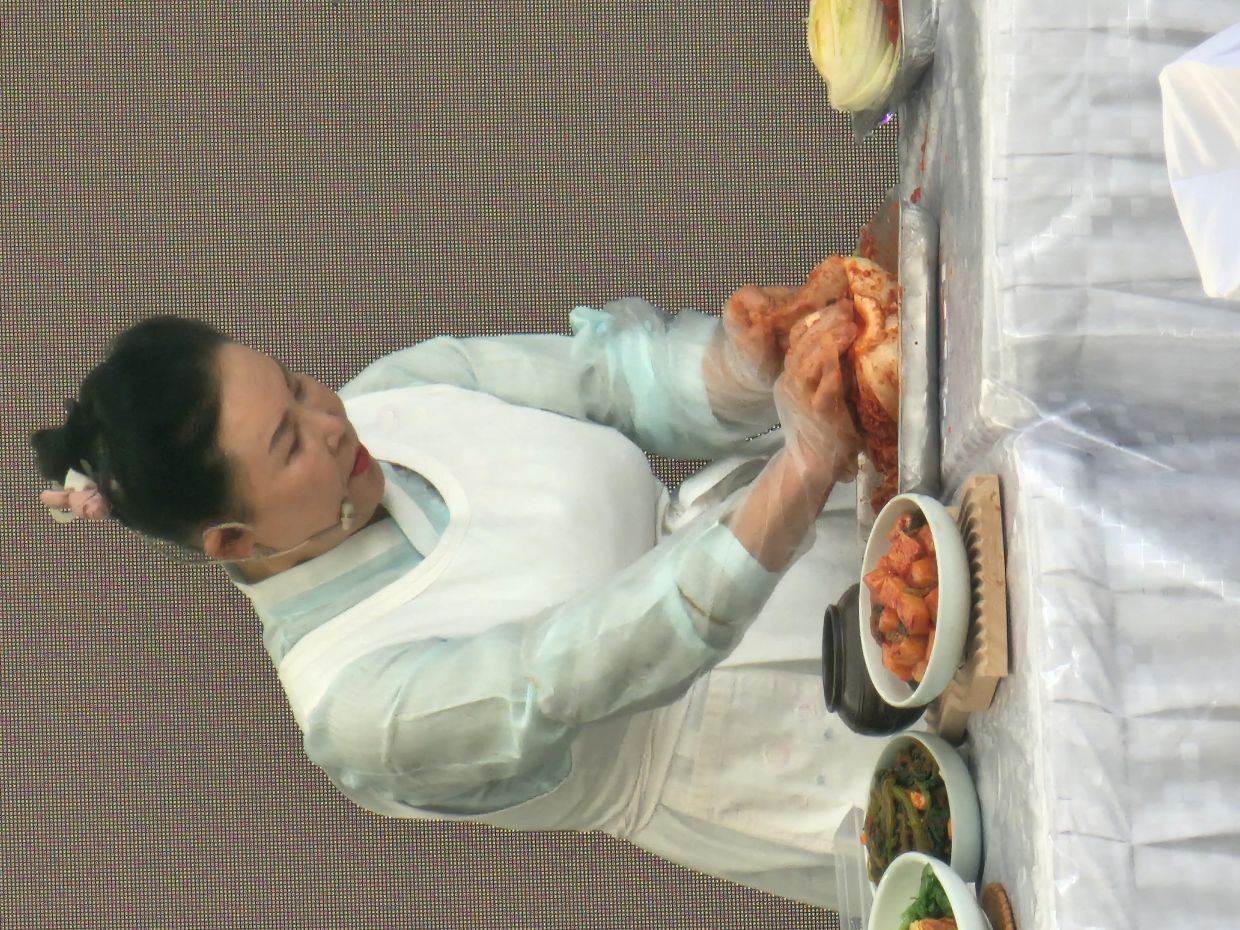
To make pogi kimchi, Yoo says there are a few key steps that need to be taken, including the ones that she believes are crucial. First, she says the cabbage has to be 90 days old (from seedling to the day of harvest) for optimal use. The cabbage is then normally cleaned and left in salted water for up to 12 hours. This converts the sugars into lactic acid, which is what allows it to ferment.
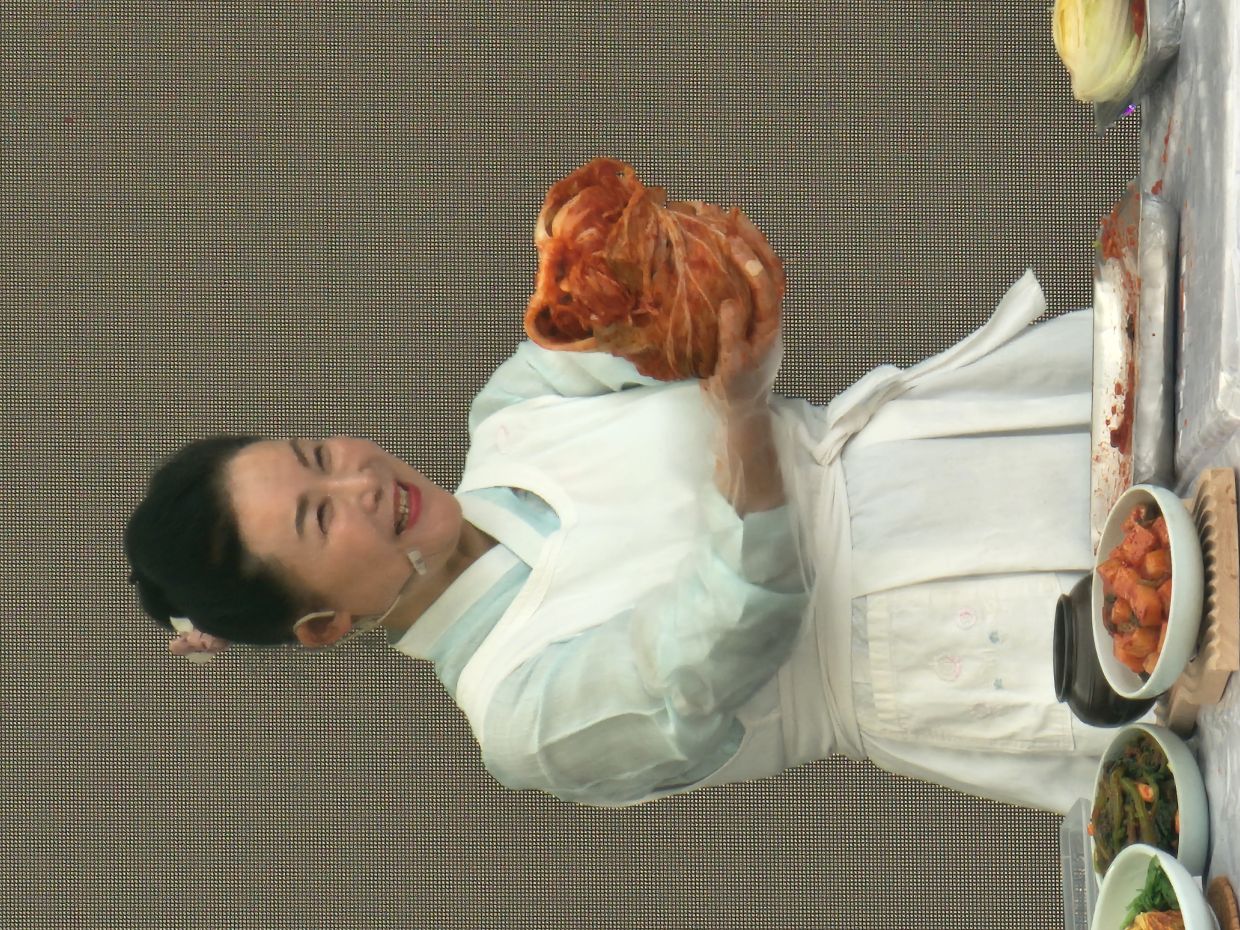
It is then washed under running water three to four times and rubbed with a mixture that includes red chilli pepper paste (gojucharu), glutinous flour, fish sauce or squid sauce, water parsley, green onion and leeks – among a long list of ingredients. Each leaf is rubbed individually with this paste before the whole concoction is eventually wrapped to resemble a swaddled newborn baby.
The cabbage is then stuffed into earthenware pots (the old-fashioned way) or fitted into containers in a purpose-built kimchi refrigerator and left to ferment.
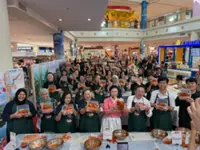
Yoo has spent most of her life making kimchi and now spends her days travelling around the world promoting the dish and teaching others how to make it, something she says continues to give her joy.
“In Korea, we say there are as many different kinds of kimchi as there are mothers. Why? Because every house has a different version and taste of kimchi. So this is the way we continue to preserve our heritage and tradition,” she says.