The farmers’ market looked – let’s be honest – sad.
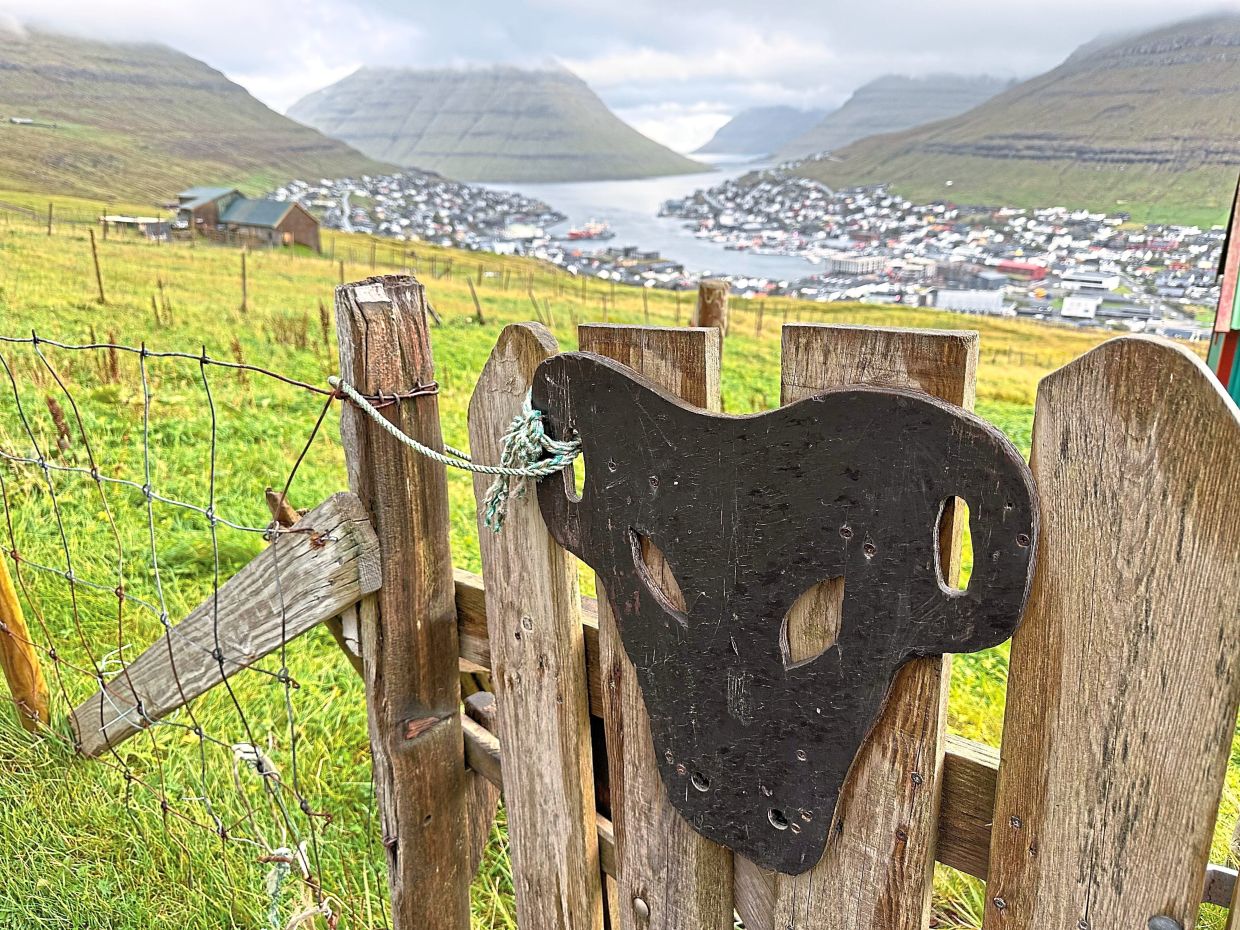
Conditions aren’t friendly in the Faroe Islands for growing food. Raked by north Atlantic winds and nibbled by thousands of sheep, the nearly treeless islands have poor soil and little room for planting. Potatoes and rhubarb are local staples.
But some residents have had enough of importing almost all their food from the rest of Europe and beyond. Many products are stamped with the flag of Denmark, under which the islands are self-governing.
There are efforts to grow more adventurous crops like kale, seen as hardy elsewhere in the world, and to promote local products – from seaweed to meat and fish "fermented” by the salty air.
That work can be seen in the Faroese capital of Torshavn, where the tiny farmers' market is held one Sunday a month for much of the year. In September, a few stalls offered meats, bags of kale and cabbage and seasoned salt next to the overcast harbour.
The vegetables were priced at around 40 Faroese krona (RM26) per bag, a reminder of the high prices for food in the remote islands whose closest neighbours are Iceland, Scotland and Norway.
Cups of soup made from fermented local radishes – and imported beans – sold for 75 krona (RM49), with a piece of bread.
The farmers’ market is part of Matkovin, a project set up by a local couple to promote food producers. It notes the growing international interest in Faroese food, including a Michelin-starred restaurant and a network of home-cooked meals for tourists called "heimablidni".
"There is a divide, though, between this romantic vision of the Faroese food culture and the everyday state of things, where the majority of our food is imported from far-away countries,” the project says.
It adds: "Few Faroese foods are available in the shops, and we are never told where the producer of these foods is located. The Faroese food producer is invisible."
Some Faroese said the Covid-19 pandemic and its shocks to the supply chain raised serious questions about food security, along with a large labour strike in May 2024 in the islands that led to rationing.
The Matkovin project highlights a dozen local food producers of such things as goose carcasses, pesto and liver pate, along with bios that often describe the craggy islands’ challenges.
"One half the year we live on the shadow side, as the sun sets for the last time in Trollanes on Michaelmas on Sept 29, and we do not see the sun again before St Gregory’s Day on March 12.
It is indeed very dark here during the winter months,” says the bio for Uppistova, a small farm on the island of Kalsoy where the AP purchased eggs and rhubarb jam.
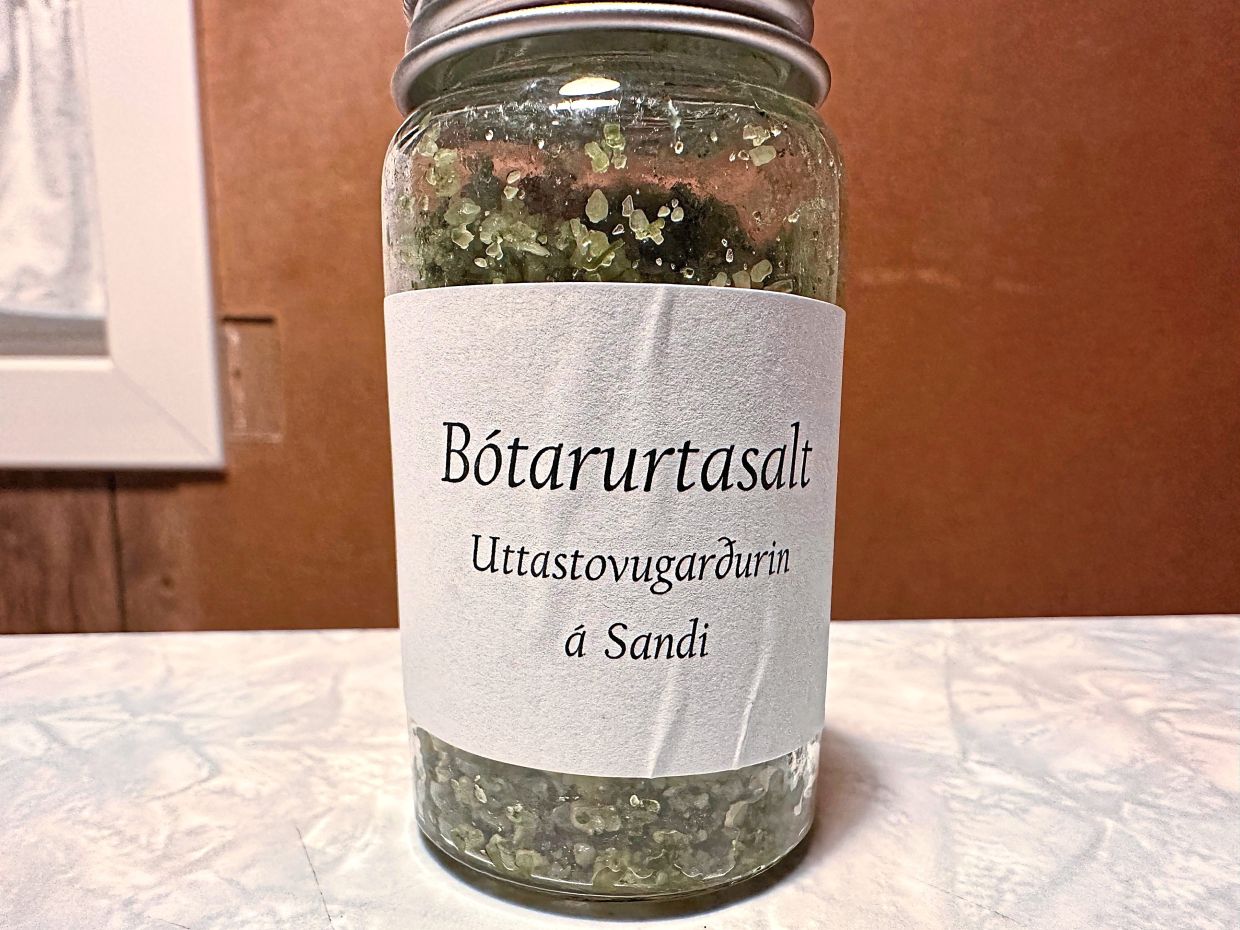
Meanwhile, a project called Veltan is working to coax a wider variety of vegetables from greenhouses on the southern island of Sandoy, though offerings remain hardier ones like peas and carrots.
"We at Veltan believe that in Faroe Islands it should be possible to eat Faroese vegetables!” the project says.
The work builds on growing local pride that is showcasing the islands’ more adventurous food offerings, which have emerged over the years from remoteness and tough living.
The Michelin-starred restaurant Paz offers a tasting menu at nearly US$400 (RM1,692) for "what the land and sea offer at any given moment”.
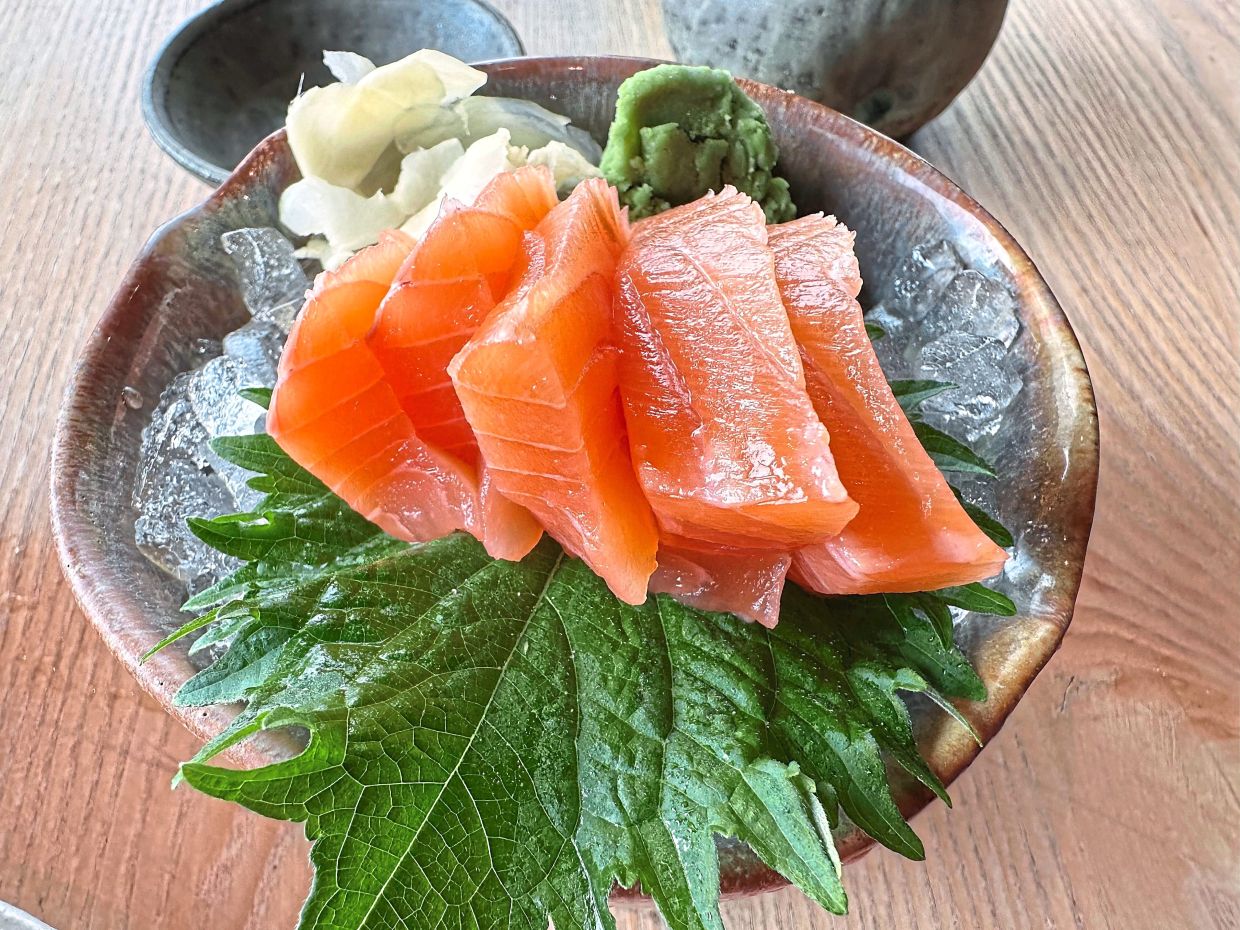
Its menu draws on seafood, which drives the economy, and the local fermenting process by which fish and meat are hung in wood-slatted buildings and left to cure in the sea air. Locals call it an acquired taste.
There is still much work ahead. At a steakhouse in the sheep-roamed islands’ second-largest community, Klaksvik, a server was asked where they sourced their lamb.
"New Zealand,” she said. – AP