A drill echoes through narrow tunnels deep within the mountain where miner Hugo Flores bores into rock in search of one of Earth’s most toxic elements.
Buried in red stripes of minerals illuminated by his headlamp is mercury.
Here in the pine-covered mountains known as the Sierra Gorda – one of the most biodiverse stretches of Mexico – a "mercury boom” is underway.
Soaring international gold prices are driving up the price of mercury, a toxic metal key in illegal gold mining, to all-time highs. While the demand triggers a mining rush in central Mexico, sustaining thousands of miners and their families, it also exposes them and the fragile environment to mercury poisoning.
At the same time, this Mexican mercury is fuelling illegal gold mining in the Amazon, contaminating large areas and harming both people and the environment.
Global efforts to ban mercury mining have only made mercury from these centuries-old artisanal mines even more sought after.
"It’s a way of life here,” Flores said.
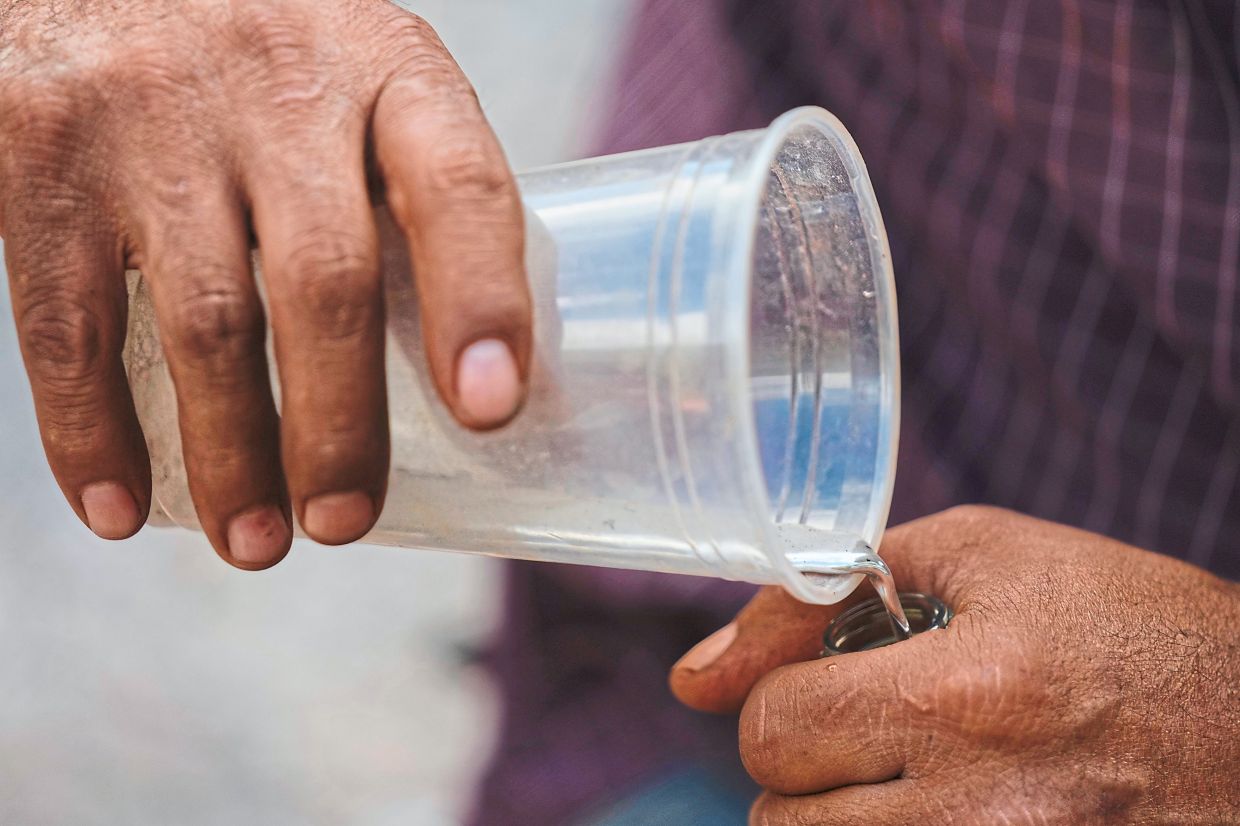
In towns like San Joaquin in the north-central state of Queretaro, the price of mercury has skyrocketed more than tenfold over the past 15 years, jumping from US$20 (RM83) per kilogram in 2011 to between US$240 (RM1,007)and US$350 (RM1,469).
"For the first time in their lives, mercury is worth something, and the miners are saying: ‘It’s worth poisoning myself if I’m going to earn something,’” said Fernando Díaz-Barriga, a medical researcher who has long studied mercury mines in central Mexico.
Large producer
Mexico is the world’s second-largest mercury producer after China, yielding 200 tons (181 metric tonnes) a year, according to estimates by the United Nations.
Buyers come from around the world to scoop up mercury for cheap from artisanal miners.
"They come and buy mercury for 500 pesos (RM114) , and then sell it in Peru for 5,000 (RM1,144),” said Carlos Martínez, a leader of one of San Joaquin’s mines. "The coyotes, as we call them, they’re the ones that make money at the expense of others.”
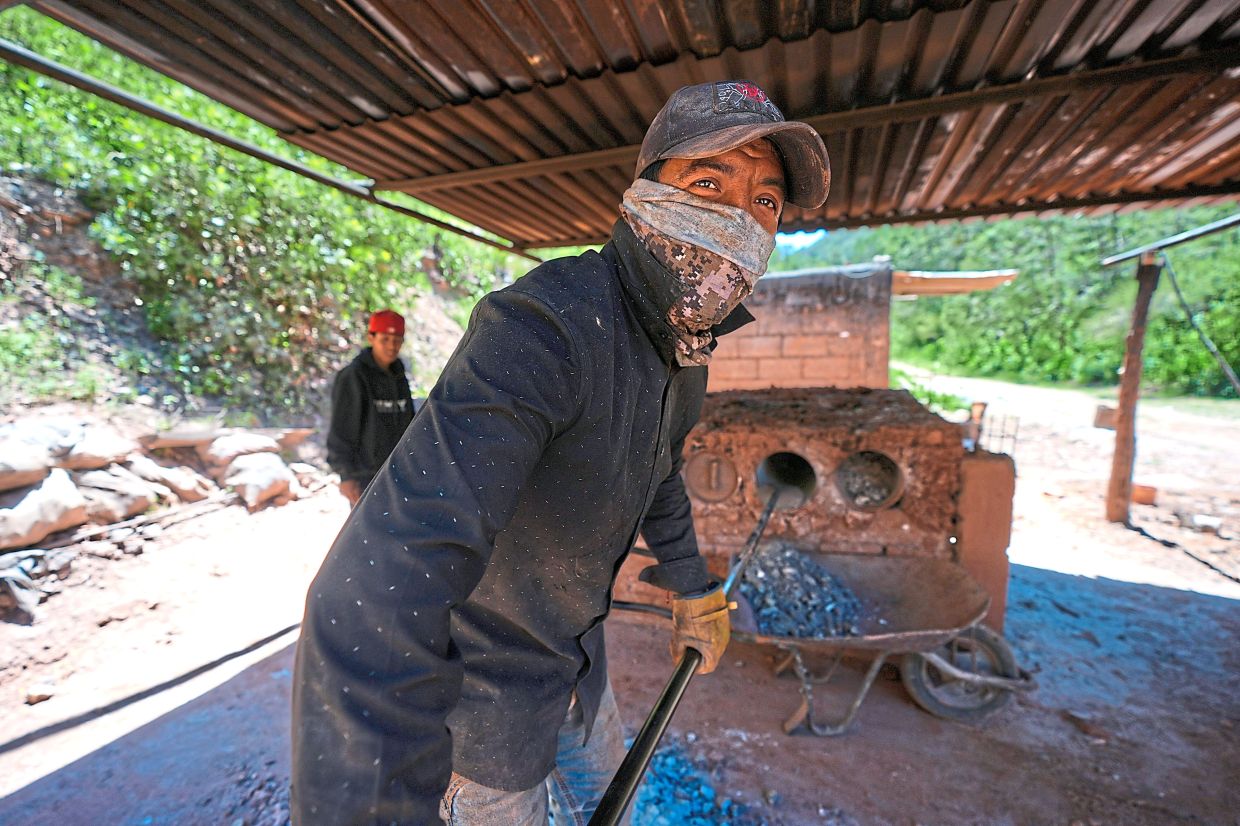
Mercury mining in towns dotting Mexico’s Sierra Gorda region dates back centuries. The metal was used in everything from thermometers to cosmetics and legally shipped to South America up until a few years ago, when many countries around the world banned its use.
The demand for gold is expected to continue as investors seek its tangible safety at a time of global economic uncertainty triggered, in part, by the Trump administration’s tariffs, according to JP Morgan and other banks. Miners say they expect the same for mercury.
"Globally, the demand for mercury is only going to continue,” Martínez said. "This isn’t going to go away.”
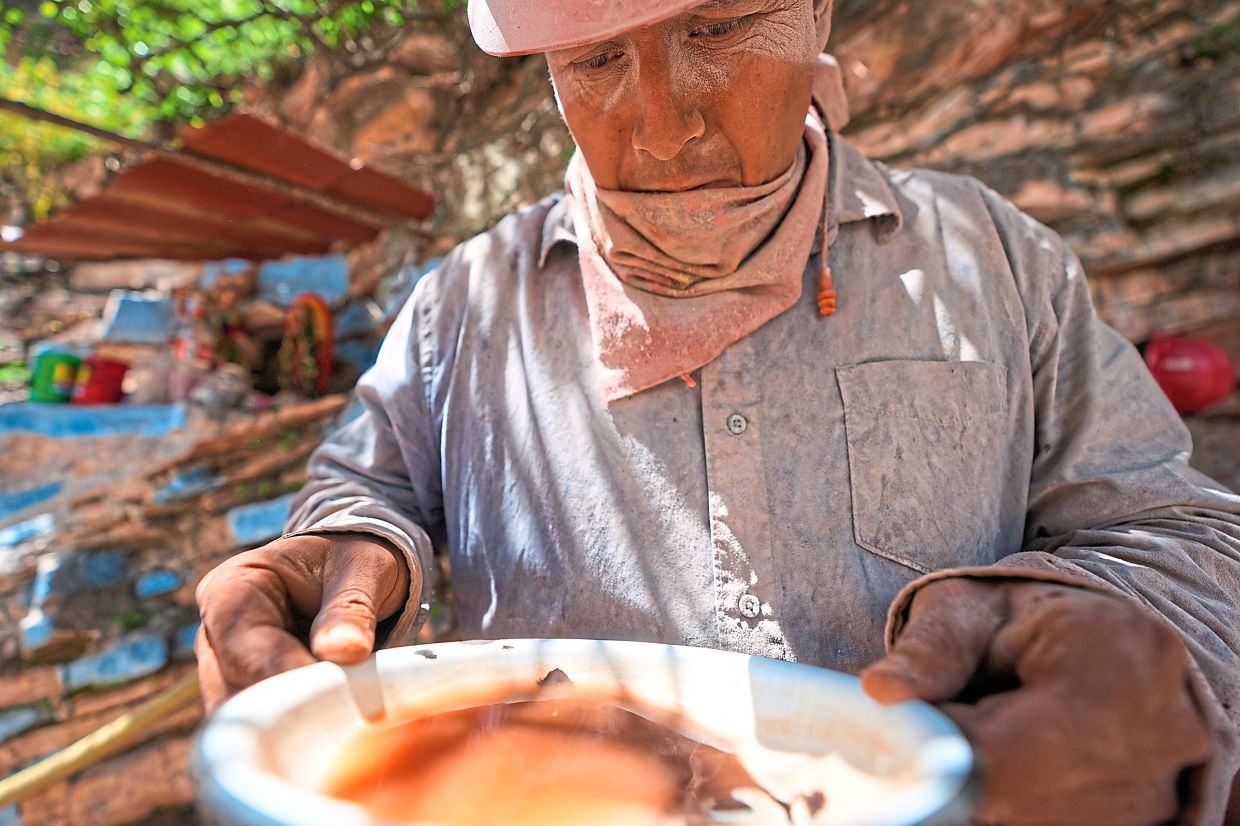
In San Joaquin, where government figures show that almost half of the 8,000 residents live in poverty, generations have faced a stark choice: migrate to the U.S. or work in a mercury mine.
Flores, the miner who wields the drill deep in the tunnels, said that was the choice his family faced when they migrated to the United States when he was a toddler.
When he was denied a green card at 24, he returned to Mexico to work in the mines, just as his grandfather did.
Now, with rising mercury prices, he’s watched a growing number of young men return from the US to work in the mines too.
"We’re forgotten by the Mexican government,” Flores, 39, said. "With the job opportunities out here ... you can barely make ends meet.”
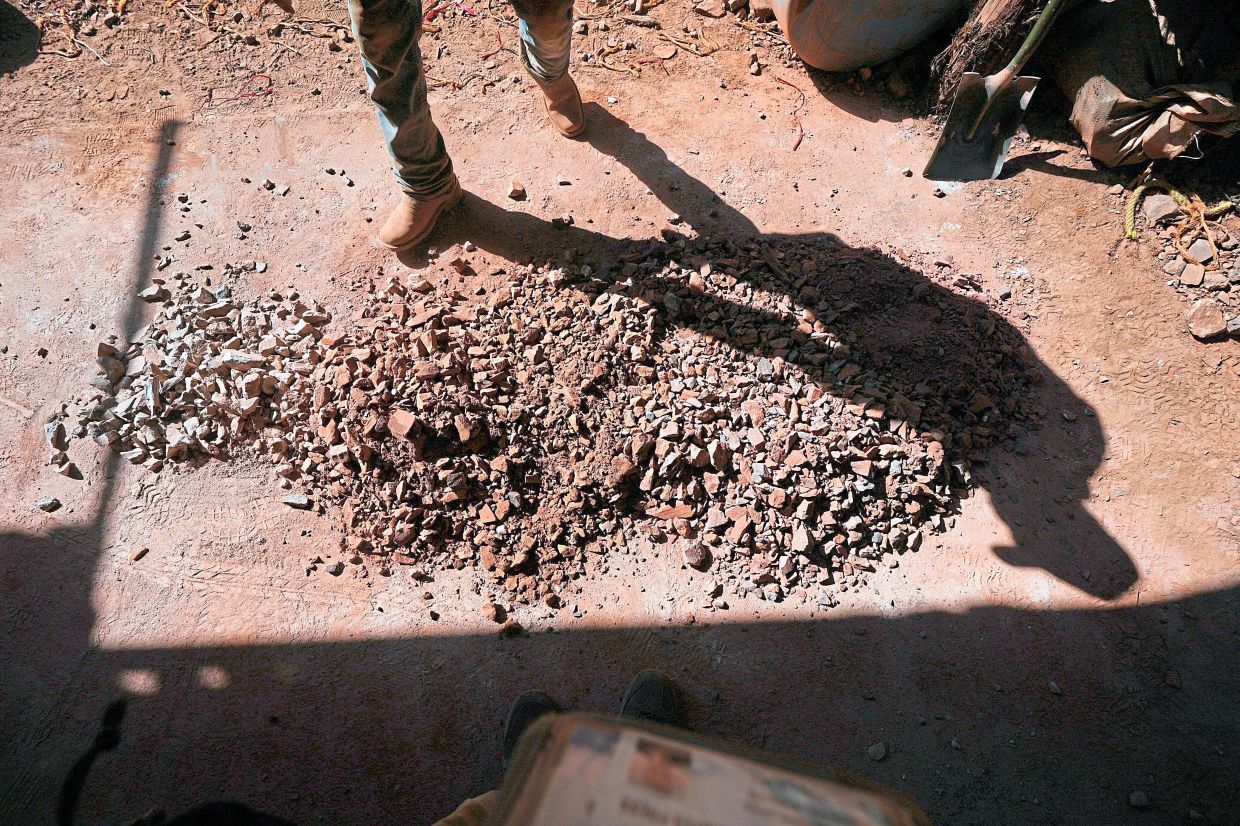
Around 3,000 people in the region live off the mines or their recycled material, said Izarelly Rosillo, a lawyer and researcher at the Autonomous University of Queretaro. She has spent so much time with miners over the past 12 years that she was diagnosed with mercury poisoning herself.
"Mercury has set off a wave of development in the region,” she said. "Though that comes with collateral damages.”
The money from the mine has allowed Flores to send his five kids to school and buy them better clothes, better food and school supplies.
He’s even saved enough money to return to school if his mercury tunnels get shut down, though he said two of his teenagers have started working in the mines.
"Would I recommend it? Not for my kids, definitely not,” he said. "But you also want to make money.”
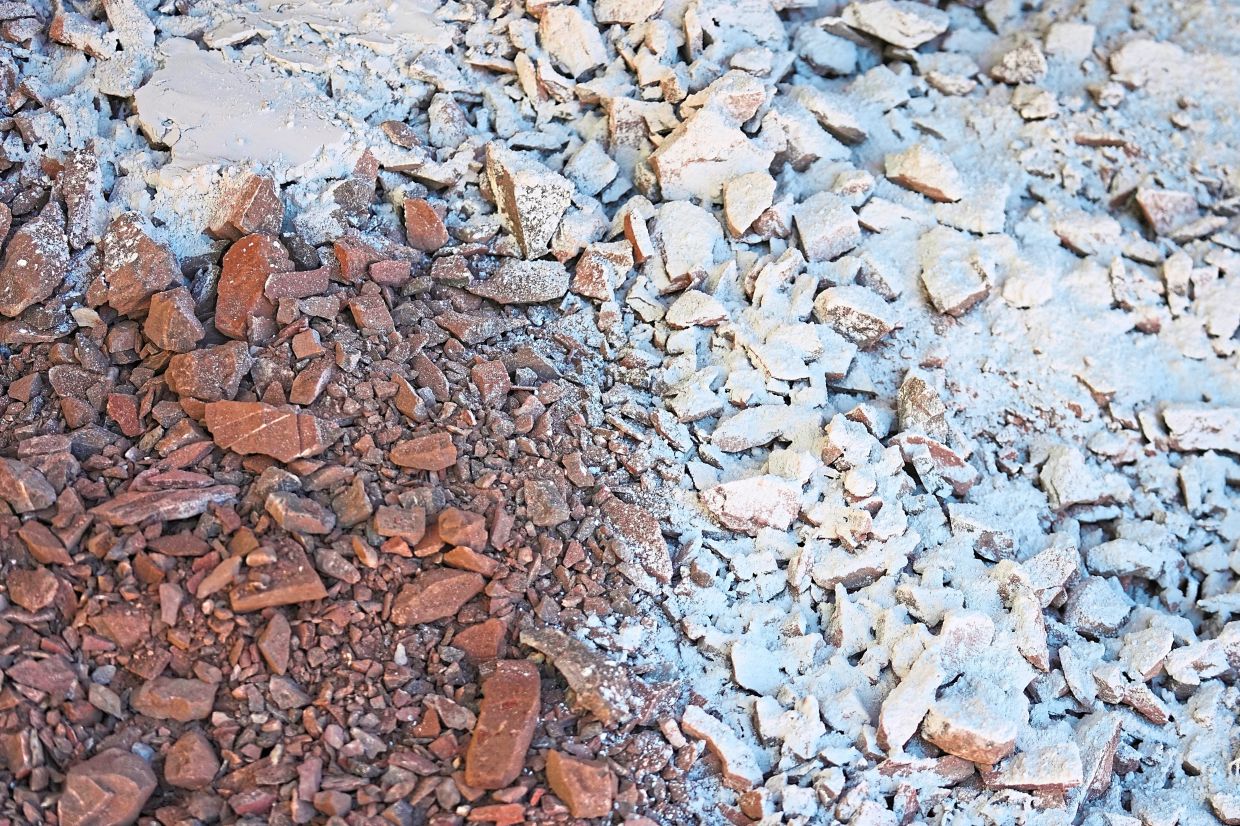
'Steeped in mercury'
Díaz-Barriga said that while authorities have not comprehensively studied just how deep the mercury poisoning runs, initial tests done by scientists show dangerously high levels of the chemical in the environment and workers.
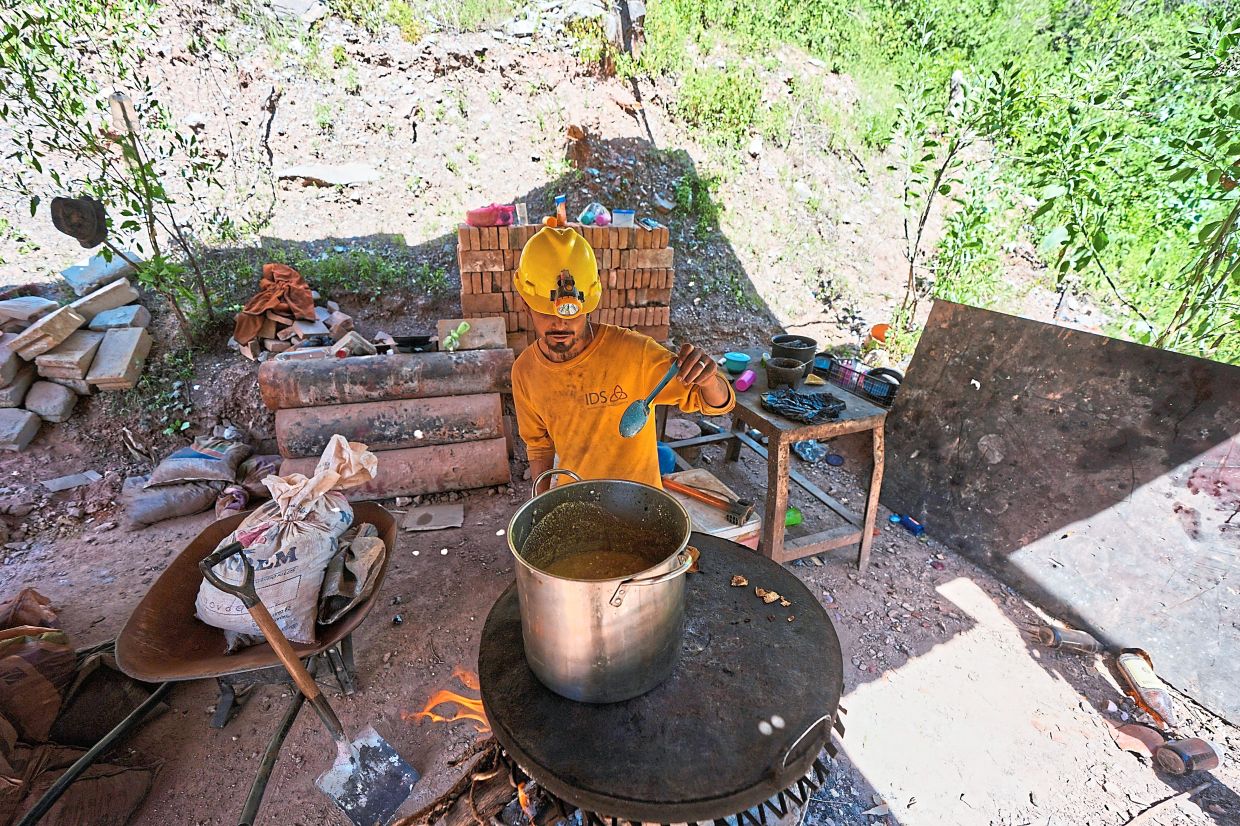
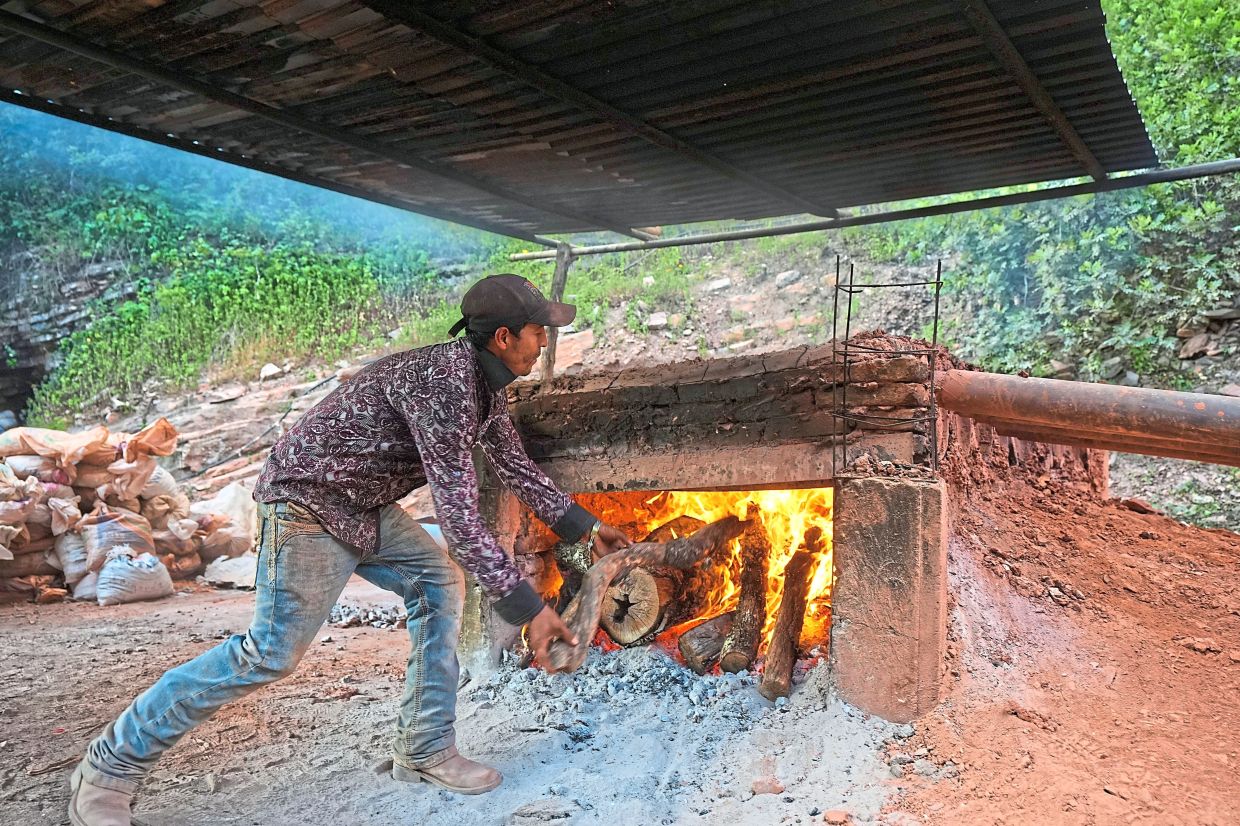
Miners eat stew and sip on tequila in the fumes billowing out from the mercury oven. They shovel the excess rock into a nearby riverbed, which flows into the region’s creeks when it rains. After work, they return home to their families with toxic dust on their clothes.
"We’ve seen a massive contamination in children, women, children, a ton of microorganisms.” Díaz-Barriga said. "It’s in the sediment, in the trees. Basically, this place is steeped in mercury.”
Researchers said they’ve watched the health of miners and their families deteriorate as they show some of the worst symptoms of mercury intoxication, including tremors, neurological decline, vision and hearing loss, developmental delays in children and more. Rosillo, the lawyer whose blood test came back with levels of mercury 12 times the normal limit, said she suffers from brain inflammation, the loss of hearing in one ear, depression, tremors and more.
Miners suffering from tremors and slurred speech often insist they haven’t felt the negative impacts of long-term exposure. Instead, they attribute the decline they’ve seen in fellow miners to Parkinson’s disease, which numerous studies have linked to mercury exposure.
The health effect
At 18, Samuel Ledesma, who began working in the mines at age 12, said his whole body started to shake and gradually fell ill. After blood tests, doctors told him he had mercury poisoning. He said that rounds of blood transfusions did little to help, and his body still trembles as he speaks.
"I ended up being sick for life,” the 75-year-old said. Even so, he cast doubt on the impacts on the toxin’s effects on miners’ health.
And it may take years for the full force of the damages to be felt, Díaz-Barriga said.
Scientists, environmentalists and authorities at the United Nations also worry that the metal will wreakenvironmental destruction in one of the most diverse protected areas of Mexico: the Sierra Gorda Biosphere Reserve.
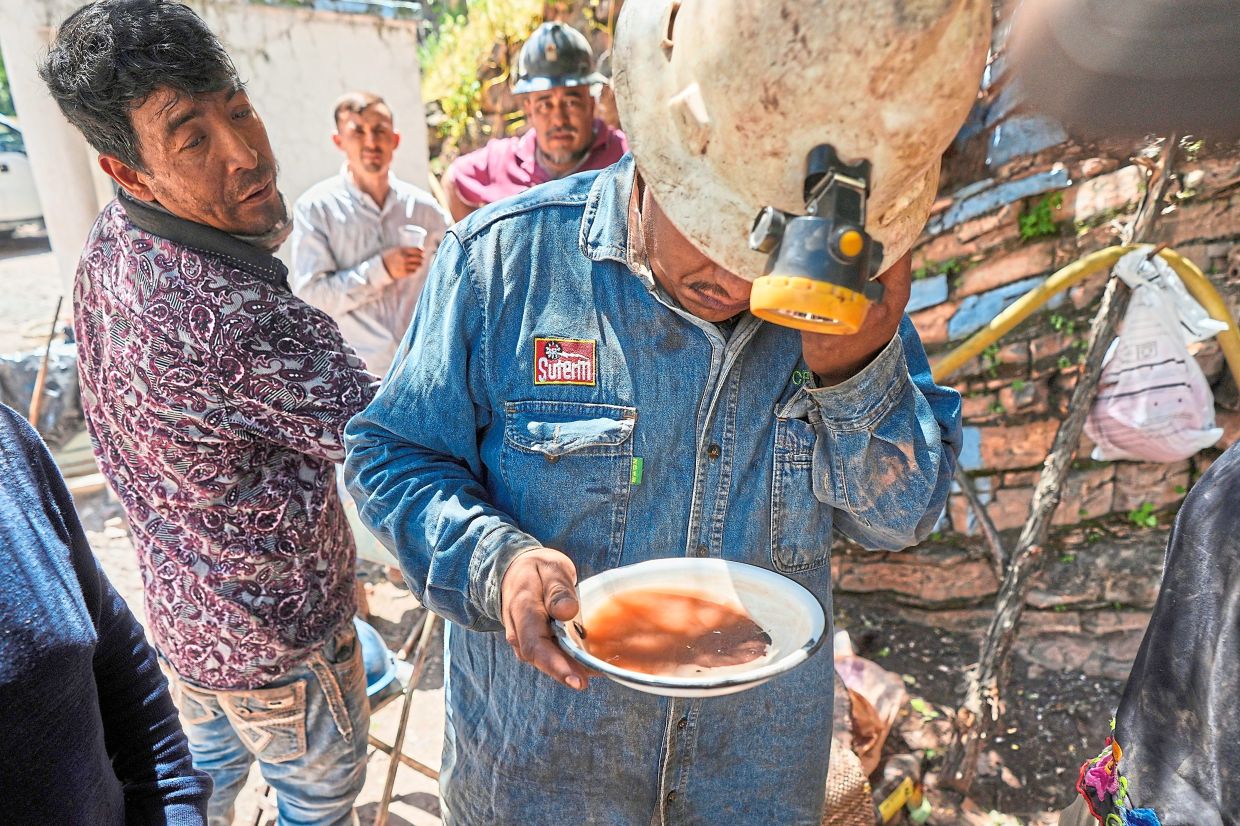
The mines are buried inside and adjacent to the reserve, which spans dense jungle and high altitude forest.
It’s considered a hot spot for endangered species, including the jaguar, military macaw, Mexican black bear and hundreds of other species that scientists say could be affected if the mining isn't stopped and cleaned up by authorities.
The area around the mines "is the most contaminated place in Mexico,” said Díaz Barriga. "This region isn’t just polluted. It’s poisoned.”
International efforts to stop mining and the international trade of mercury have fuelled criticisms that it’s only driven mercury demand in Mexico and put miners in the crosshairs of organised crime.
As the world’s biggest mercury mines closed in recent years, miners in the Sierra Gorda say more buyers turned to Mexico as a source.
In 2021, Mexico and the United Nations created a fund to provide workers with resources and training for new industries, but years later miners say they haven’t received any money – and any alternative job won't match what they earn from mining mercury.
In a written statement, Mexico’s environmental agency said it had conducted basic studies for a programme designed to transition miners away from mercury and that it was actively working to "combat illegal trafficking.” However, it declined to comment on accusations that it had failed to assist miners.
The UN Environment Programme recognised in a statement that a number of challenges including "security risks in some mining areas” have "created delays and frustrations for affected communities.” But it added that authorities were working to speed up implementation.
"It’s easy for the Mexican government to say, 'We’re gonna close down the mine and we’re going to wash our hands of it,” said Flores. "That’s when organised crime is going to come in, because then it’s going to be the black market.” – By MEGAN JANETSKY and TERESA DE MIGUEL/AP