Sri Lankan cuisine is both rich and varied and offers a peek into the culinary culture that underpins the food.
In Malaysia, Sri Lankan food is typically representative of Sri Lankan Tamils, who form the large majority of Ceylonese people who migrated to Malaysia between the 1880s and 1940s and whose lineage now continues through their descendants.
Most Sri Lankan Tamils in Malaysia originate from Jaffna and were drawn to Malaya in a bid to expand their economic opportunities. According to an article in sangam.org, a 1931 census showed over 18,000 Sri Lankan migrants in then-Malaya, with these numbers growing to 22,000 after the culmination of World War II.
As the population swelled in Malaysia, so too did the expansion of the community’s culinary culture, although the cuisine remained mostly confined to home kitchens as opposed to commercial establishments.
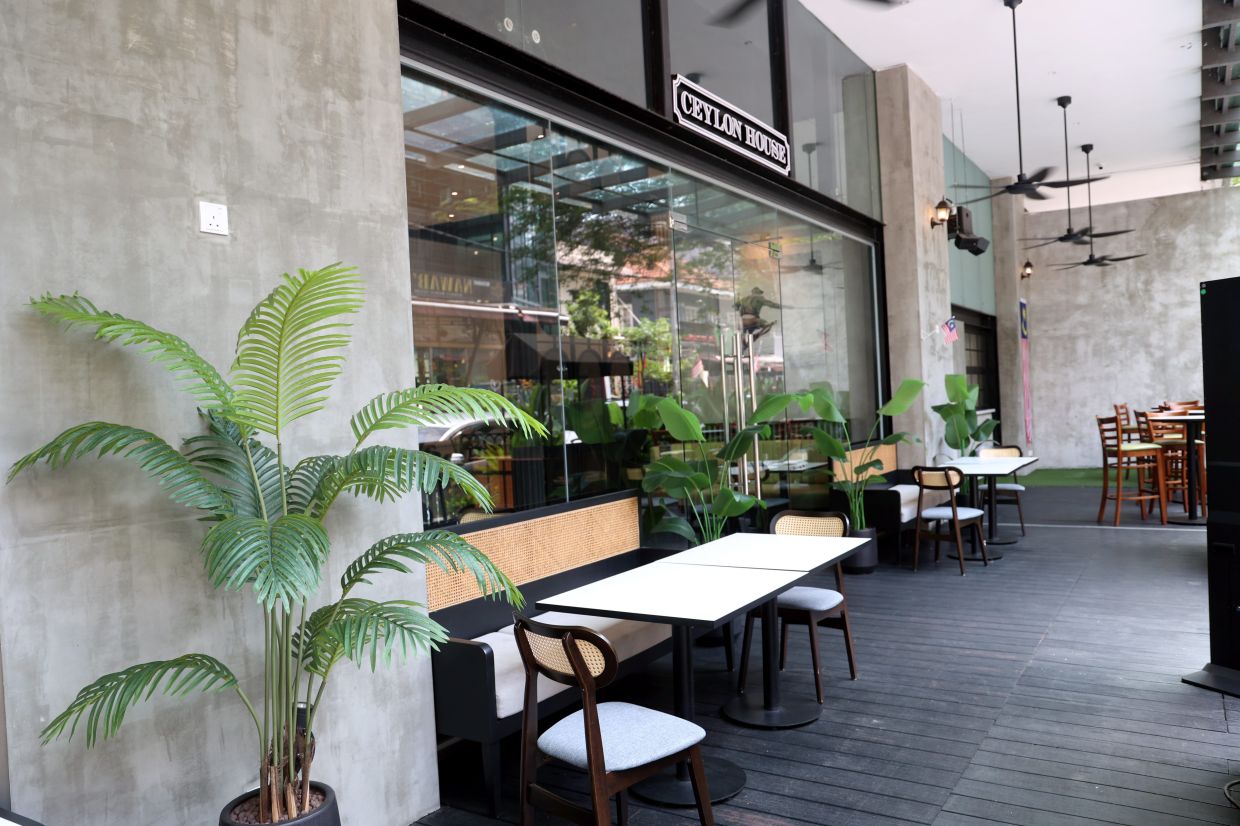
In recent years, Kuala Lumpur restaurants like Aliyaa, Yarl, Ceylon Flavours and Ceylon House have increasingly provided more representation for the community, as well as a glimpse into the food that is sacrosanct to many Sri Lankans.
Sri Lankan Tamil cuisine
Sri Lankan Tamils are an ethnic minority in Sri Lanka, where the Sinhalese community makes up the largest number of denizens.
Tamils in Sri Lanka have a rich history dating back to the 2nd century BC. Many Sri Lankan Tamils are descendants of the former Jaffna Kingdom and migrated from South India many, many centuries ago. There are also newer Tamil migrants who arrived in Sri Lanka from South India approximately one century ago to work on tea plantations at the behest of the British.
Because of the connection to South India, Sri Lankan Tamil cuisine has many familiar similarities, including an affinity for spices like cinnamon, cloves, black pepper, cumin and cardamom, as well as local herbs and greens like curry leaves and pandan leaves. Coconut in all its permutations is also prominent in the cuisine, as is jaggery, the sweet byproduct of sugarcane or palm sap.
Sri Lankan Tamil staples include appam, puttu, kottu roti, fish curry and so much more.
Deepavali fare
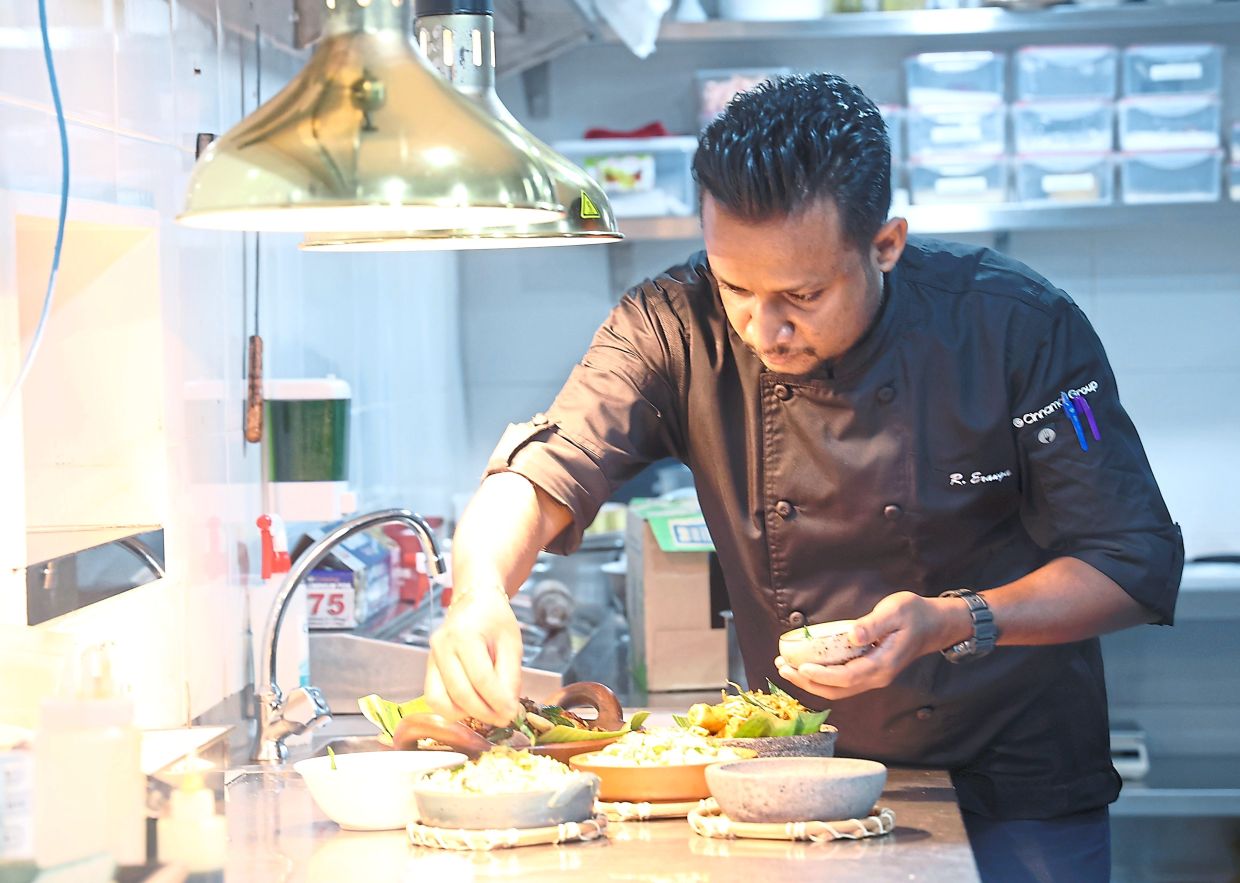
Ruchitha Eranga is a Sri Lankan native who grew up in Ratnapura, a gem district in Sri Lanka. These days, he helms the kitchen at Kuala Lumpur’s Ceylon House, where he shares his love of Sri Lankan cuisine with Malaysians.
In his formative years, Ruchitha says he recalls Deepavali being a hugely festive occasion for everyone in his neighbourhood.
“Deepavali is the happiest day for most Sri Lankan Tamils. Everyone buys new clothes and food is a huge part of the festivities. In some villages, people come together to cook and share a huge feast.
“For Deepavali, there is always rice and a few curries as well as many kinds of sweets and desserts,” he says.
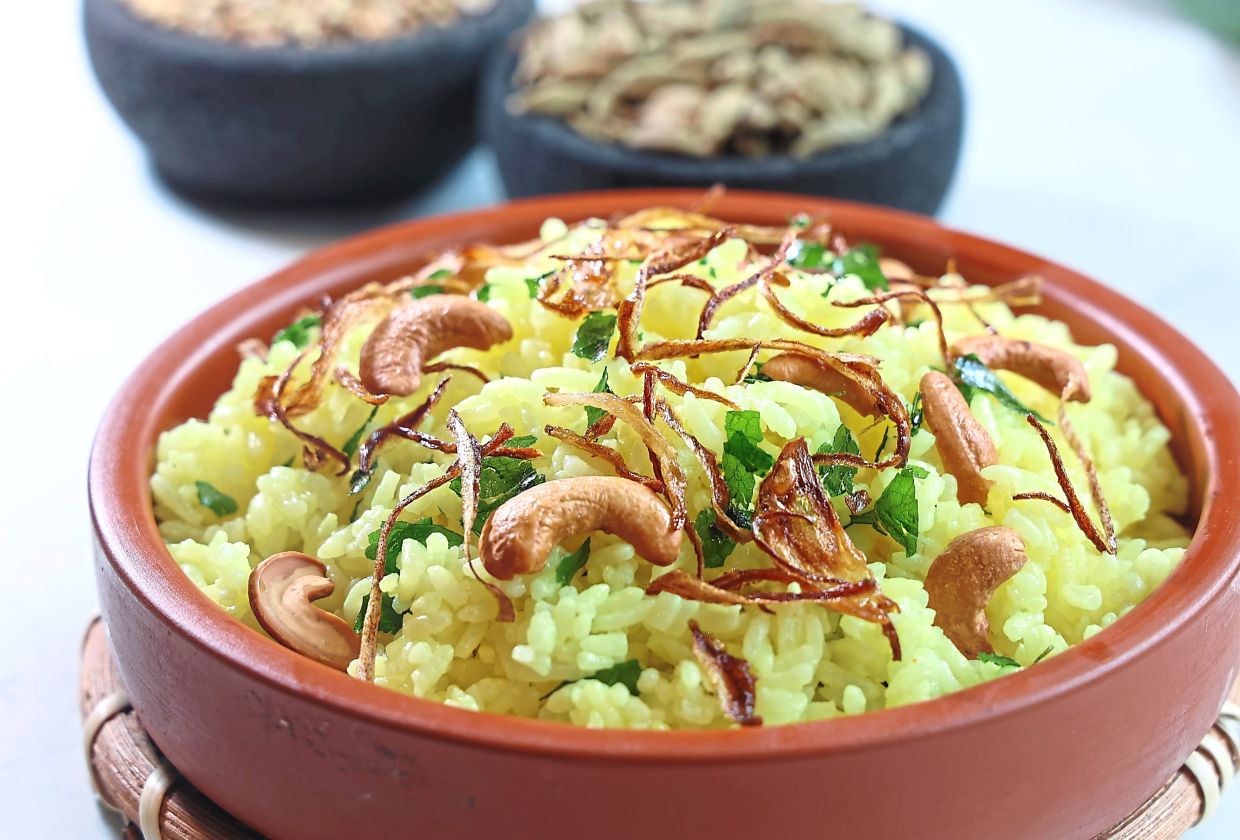
One of the must-have items on most Sri Lankan Tamil Deepavali menus is ponni rice, a variety of rice developed in Tamil Nadu that has a low glycaemic index and aids in digestion. The rice is often used as a base to make flavoured rice dishes like mint rice. In Ruchita’s family, for instance, his mother and grandmother typically made curry leaf rice for Deepavali.
“My mother used to make a version of this in porridge form every day, but for Deepavali, she would make curry leaf rice because it’s very healthy,” he says.
To make the dish, Ruchitha says he makes a curry leaf stock to cook the rice and tops this with spices like cinnamon and cloves. The entire assemblage is then crowned with fried onions and cashew nuts, among other ingredients. Taste-wise, the rice is oh-so good – a simple vessel with an herbaceous underbelly and spice-laden nuances.
Another mainstay on Ruchitha’s festive menu is upcountry goat curry. ‘Upcountry Sri Lankan Tamils’ often reference estate Tamils who were brought to Sri Lanka from South India in the late 19th century and early 20th century to work on hillside tea plantations and are therefore considered newer arrivals to the country. ‘Upcountry’ also means the mountainous interior regions of the island and hilly plantation areas that are far away from the coast.
According to Ruchitha, goat meat isn’t always sold in local butchers or at markets in Sri Lanka, as it is quite expensive, but during festive occasions, it makes an appearance and despite the expense, people typically splurge and buy the meat.
“Goat curry is traditional food among Sri Lankan Tamils. During Deepavali, every house that you go to will serve this curry and every home cook will have their own recipe,” explains Ruchitha.
In Ruchita’s iteration – his curry is thick and aromatic and slathers the meat in its flavourful richness. The goat itself is very pliant and tender and devoid of the gaminess sometimes prominent in goat meat.
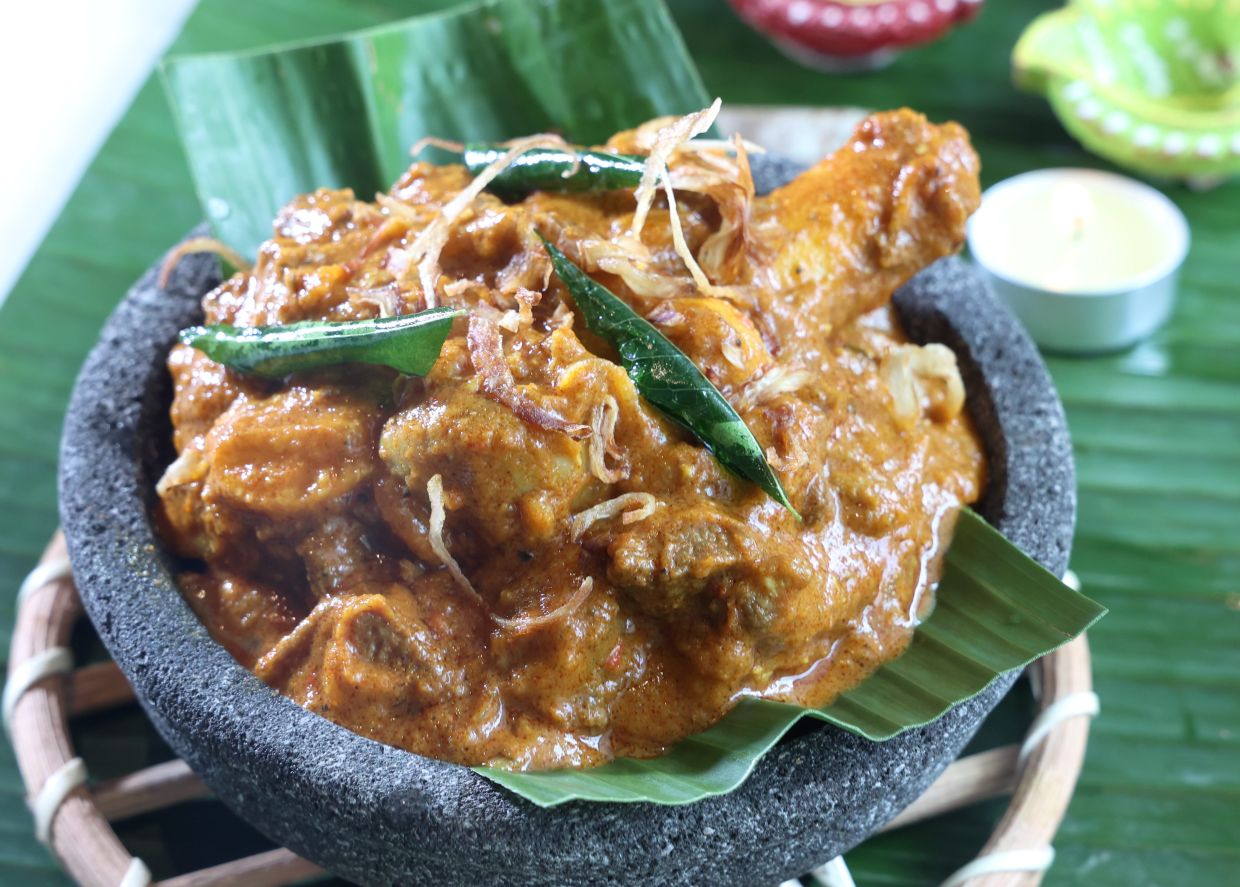
A Deepavali dish that also has a lot of meaning to Ruchitha is his grandmother’s tempered country chicken.
“I still remember when I was young, my grandmother always made this chicken dish for Deepavali. She passed away two years back, but I watched her make it from the time I was a child, so I still remember her recipe,” says Ruchitha.
The dish features kampung chicken – which many Sri Lankan Tamils purchase from the markets or directly from small farms in hillside areas.
The dish is put together by first steaming the chicken with an assortment of spices and then tempering a range of spices like shallots, garlic, chilli and mustard seeds in oil alongside the chicken.
This tempering and slow dry-frying means the spices eventually stud and saturate the chicken with hearty flavours, resulting in a rich, masala-laden spicy chick that is packed with temptation.
On the vegetable front, Ruchitha normally makes a potato peratal for Deepavali. The dish is an instant charmer that features potatoes and green peas cooked with spices like turmeric and fenugreek and laced in liberal amounts of coconut milk.
This is a dish that has a potent addictive quality – it is rich, creamy, slightly spicy and incredibly indulgent from the very first mouthful.
“It’s a traditional dish and basically we cook the potatoes and spices until dry and then we add the coconut milk to finish it off,” says Ruchitha.
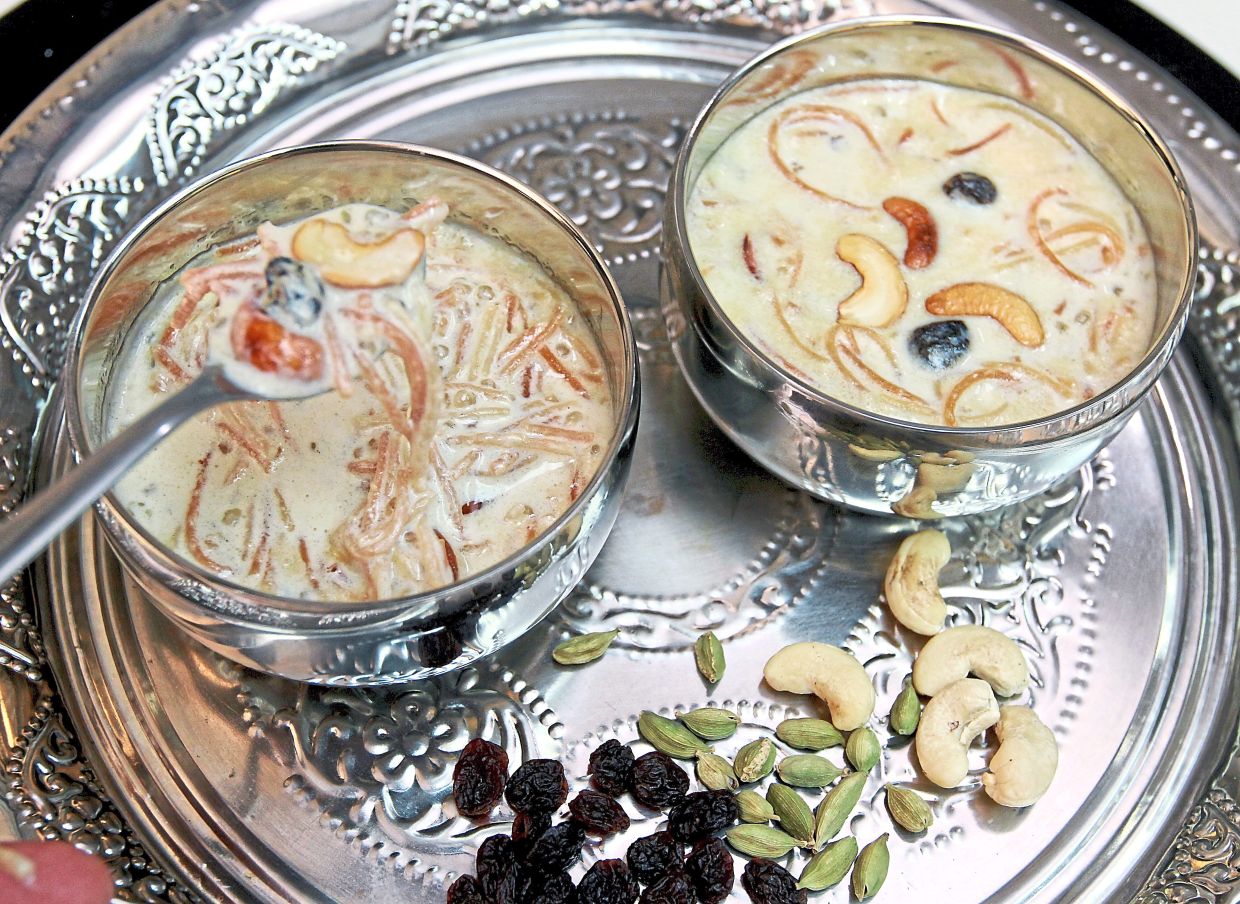
For dessert, the Sri Lankan Tamil festive table heaves with saccharine delights, like payasam, which is a popular South Indian sweet treat typically made up of milk, jaggery, rice or sago, as well as raisins and cashew nuts. Variations of the dessert abound, including options that incorporate bananas or even sweet corn.
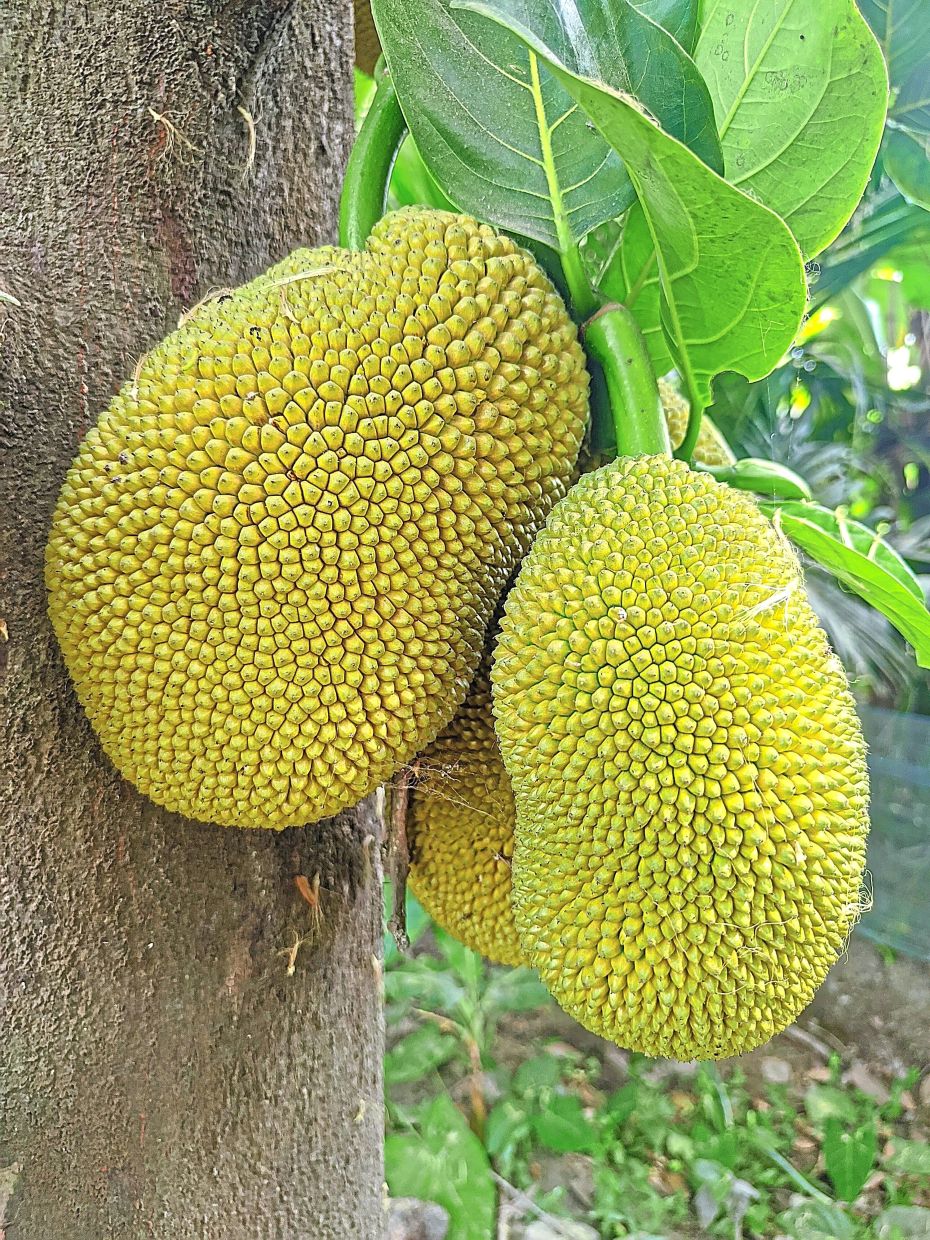
In Sri Lanka, a popular version of payasam is jackfruit payasam. Jackfruit is extremely common in the country and is also known as the “rice tree” as it was consumed widely during difficult times, especially during the British colonisation when many paddy farmers were stripped of their land.
Jackfruit cultivation saved many Sri Lankans from starvation later on during turbulent times in the 1970s and recipe variations burgeoned. In the country now, it is utilised in multiple ways – to make both sweet and savoury dishes like jackfruit chips, curries and even jackfruit flour!
Ruchita’s jackfruit payasam, for instance, gives his pudding a fruity, funky edge that transforms it entirely, giving it a velvety edge and a memorable finish.