The puns are plentiful as police departments around the country buy their own ice-cream trucks and roll into neighbourhoods to hand out frozen treats for free.
“Copsicle Patrol” is written on the one in Danbury, Connecticut.
“Freeze! You have the right to remain frozen,” says another in Pittsfield, Massachusetts. “Let’s Chill Together,” Cleveland’s proclaims. “Frosty Five-O. Get the inside scoop” declares one in Palm Bay, Florida. “To Protect and Soft Serve,” says yet another in Toldedo, Ohio.
Whimsical slogans aside, a growing number of local law enforcement outfits are using the trucks for a serious mission: to have positive interactions with their communities at a time when headlines often feature police brutality and misconduct.
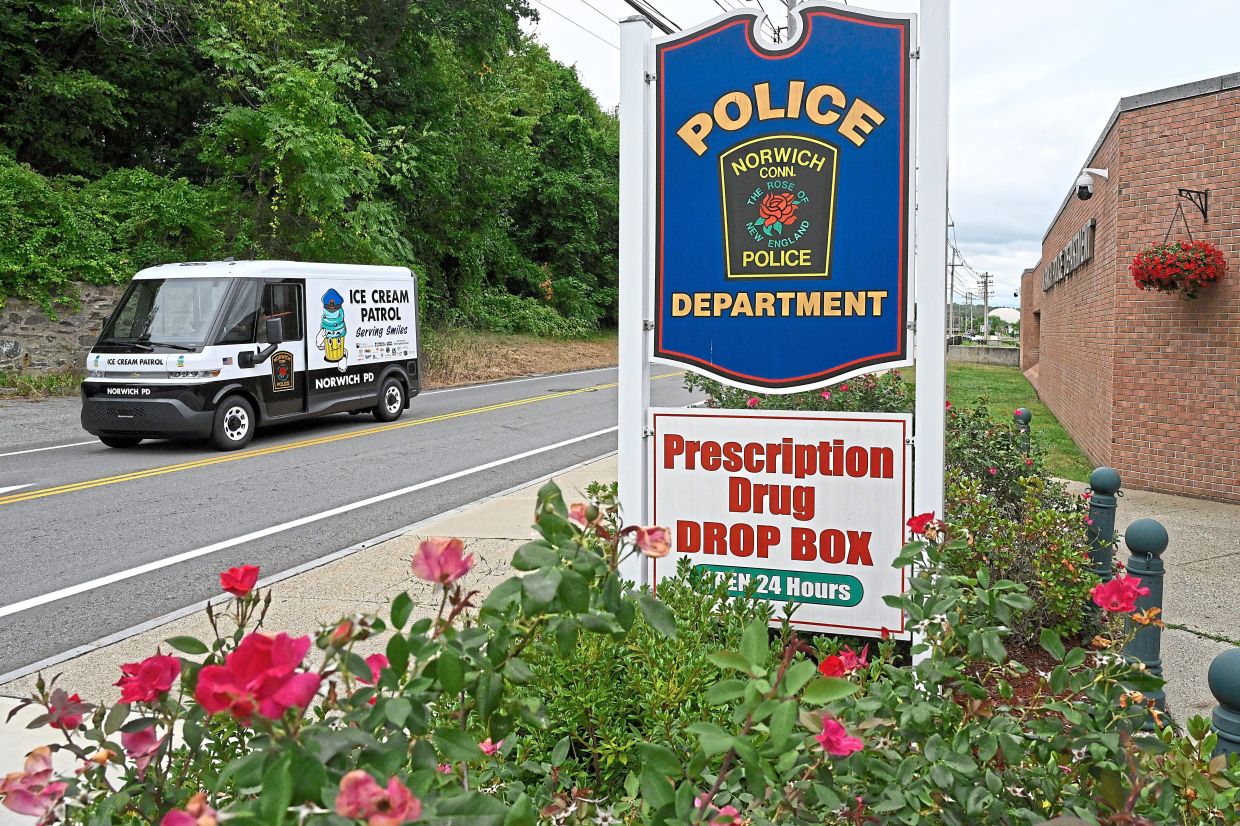
“There is no better way to draw the community to approach the police and let them know that we are approachable, we’re humans as well, than by handing out free ice-cream to the kids,” said Lt. Kyle Besse of the Norwich, Connecticut police department.
“The smiles on the kids’ faces are really what make you realise that this is a great community outreach service.”
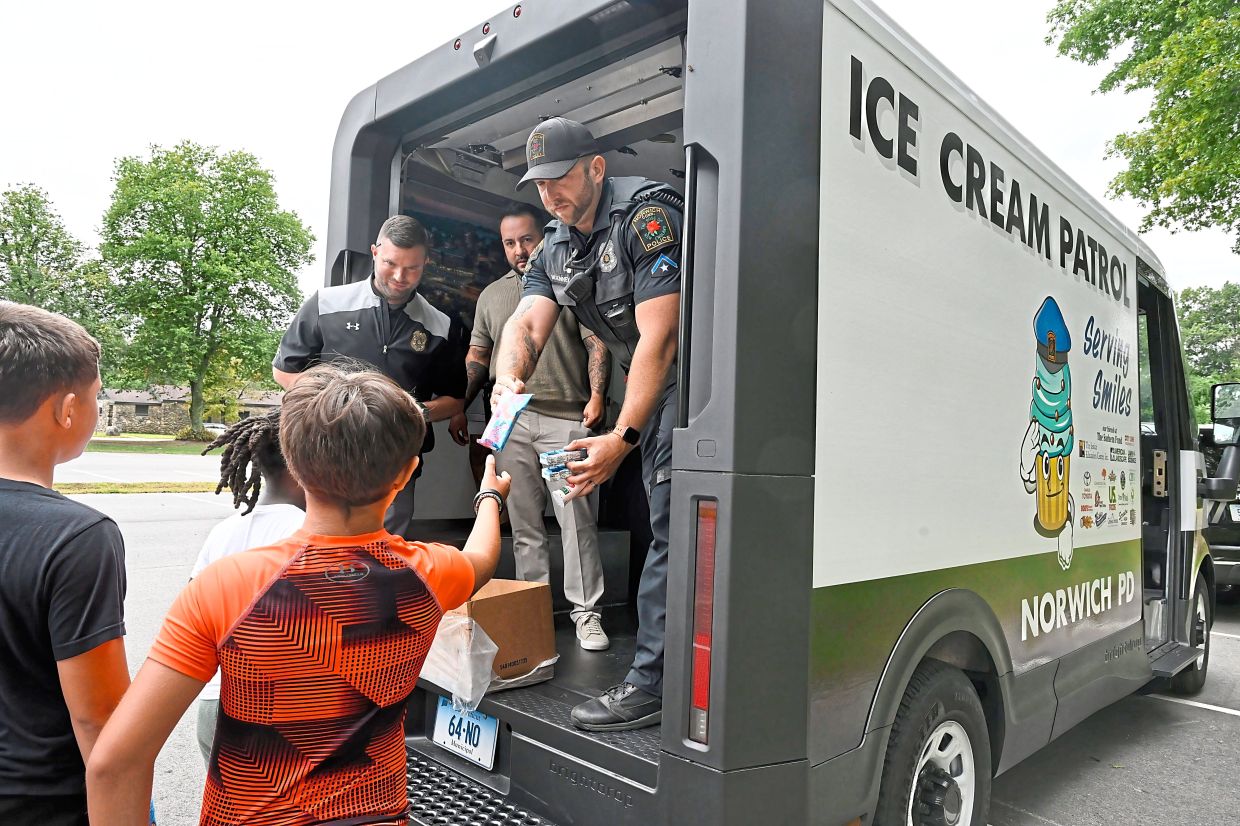
Norwich police’s all-electric Chevy BrightDrop van debuted in early August, with about 90% of the US$43,000 (RM181,116) cost coming from donations from area businesses and contributors, and the rest from the city.
Some departments have used tax revenue and property seizures to fund their ice-cream operations.
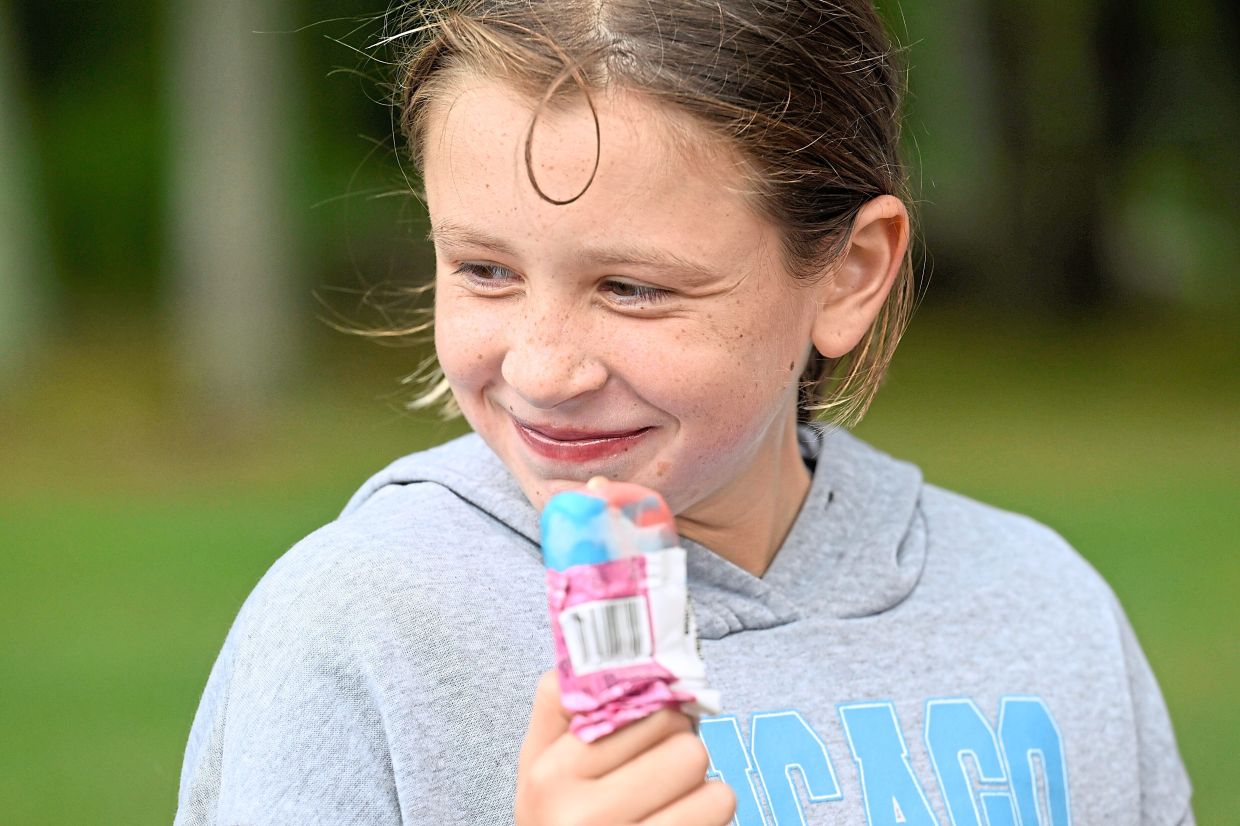
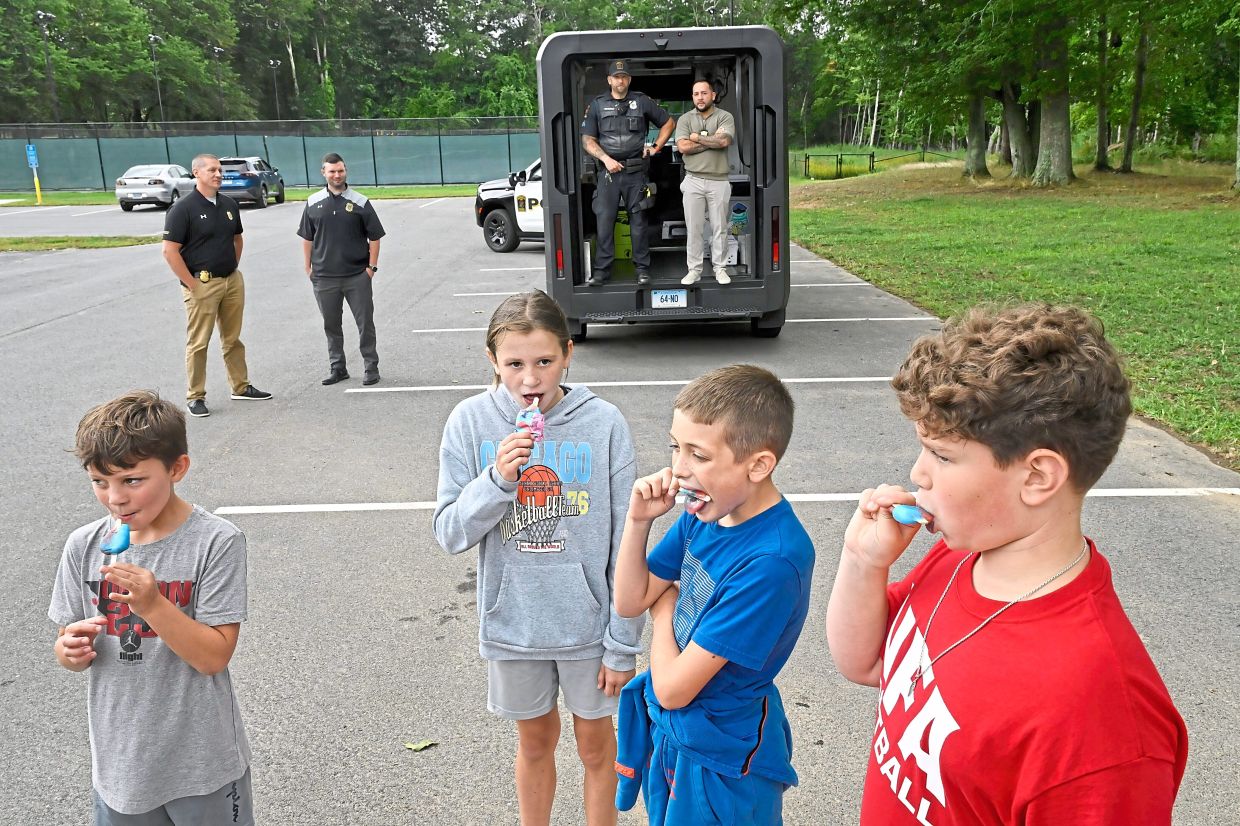
On a recent day, Norwich’s van stopped at a local school where children were participating in sports camps. It was a hit as officers handed out ice-cream sandwiches, bubble gum- flavoured pops and Italian ices.
“Instead of seeing people in jail, they’re seeing kids be happy,” said 11-year-old Rozzy Constant, who opted for the bubble gum pop.
The truck later rolled into an apartment complex. In a police cruiser accompanying the truck, Besse used his phone to play ice cream truck songs through the exterior loudspeaker.
The department is now raising money to outfit the truck with its own sound system and police lights.
Angela Pires heard the music and rushed out with her grandchildren.
“It’s a great idea. Not everybody can afford it,” she said. “Police get a lot of bad publicity. It’s about time that they get good things said about them.”
Funded by donations
Like Norwich, many departments’ ice-cream truck programmes are funded by donations, and the treats they hand out for free are often provided to them at no charge by local businesses like grocery stores and ice-cream shops.
Norwich police list 20 sponsors on their truck.
In Danbury, Connecticut, police used tax revenue from some of the city’s dispensaries to pay for their truck, which hit the streets in July and was the first one in the state.
In Chicopee, Massachusetts, police paid for theirs with assets seized during criminal arrests. That practice, called civil forfeiture, has been criticised by criminal justice advocacy groups because state and local laws allow law enforcement to take property from someone suspected of criminal activity and keep it even if criminal charges are never filed.
And some departments have used federal law enforcement grants to help fund the projects.
Paul Poirier, the police chief in Barnstead, New Hampshire, used his own money to buy an old ice- cream truck that he refurbished with a friend and donated to his department a couple years ago.
Today, he runs a business named Copsicle Ice Cream Trucks in his spare time that restores and repairs ice-cream vehicles to sell to police departments starting at around US$37,000 (RM155,844).
“I figured, you know what, this would be a great opportunity for the kids and families to get free ice-cream and make those connections and see the police in a more positive light,” said Poirier, who said he’s been fielding calls from police departments as far away as California showing interest in the trucks.
Boston police are widely credited with having the first official police ice-cream truck in the United States.
In partnership with the HP Hood ice-cream company, whose half vanilla and half chocolate ice cream cups are iconic in New England, the city began “Operation Hoodsie Cup” in 2010.
Police in other parts of the country, including St. Louis, Miami and Milwaukee, would deploy their own ice-cream trucks in the following years.
Out in the community
Over the past 15 years, Hood has donated all the ice-cream for Boston’s truck, which goes to more than 400 events in city neighbourhoods each year, police said.
Its current truck was donated by the nonprofit Boston Police Foundation in 2016.
“Each interaction is an opportunity for our officers to build trust with community, and to make some smiles in the process,” said Boston Police Commissioner Michael Cox said in a statement.
The ice-cream trucks are another programme in a long line of community policing initiatives that many departments have put in place over the years, such as “Coffee with a Cop” and youth sports programmes.
Whether the trucks are actually improving the public’s opinion of police over the long term isn’t clear due to a lack of research on the subject, said Kenneth Quick, an adjunct professor at John Jay College of Criminal Justice in New York and a former New York City police inspector.
“I like that it is bringing the police out in the community, sort of showing them in a different light, that they are humans,” Quick said.
However, he asked, “Is this an actual meaningful interaction that’s really going to shape somebody’s long-term perceptions about the police, or is it going be ‘I got a free ice-cream sandwich from some cop in an ice-cream truck’ but yet later on down the road when I actually have a meaningful interaction my perceptions are the same?” – AP