Maggie Baird says her vegan cinnamon rolls are a family favourite – including to her children, who happen to be the world-famous musicians Billie Eilish and Finneas.
Growing up, Baird stopped eating meat in part because she felt connected to animals. Her commitment grew as she learned about the environmental impact of animal agriculture.
And her mother died of a heart attack at 57 – one of many in her family to die of heart disease.
“I always say I have the trifecta of reasons ...” for foregoing meat, said Baird, who in 2020 founded Support + Feed, a non-profit organisation that advocates for a more climate-friendly food system and provides plant-based meals to people in need.
That connection between what’s healthy for people and the planet dominates the latest EAT-Lancet Commission report, an updated version of the 2019 analysis produced by leading food researchers from around the world.
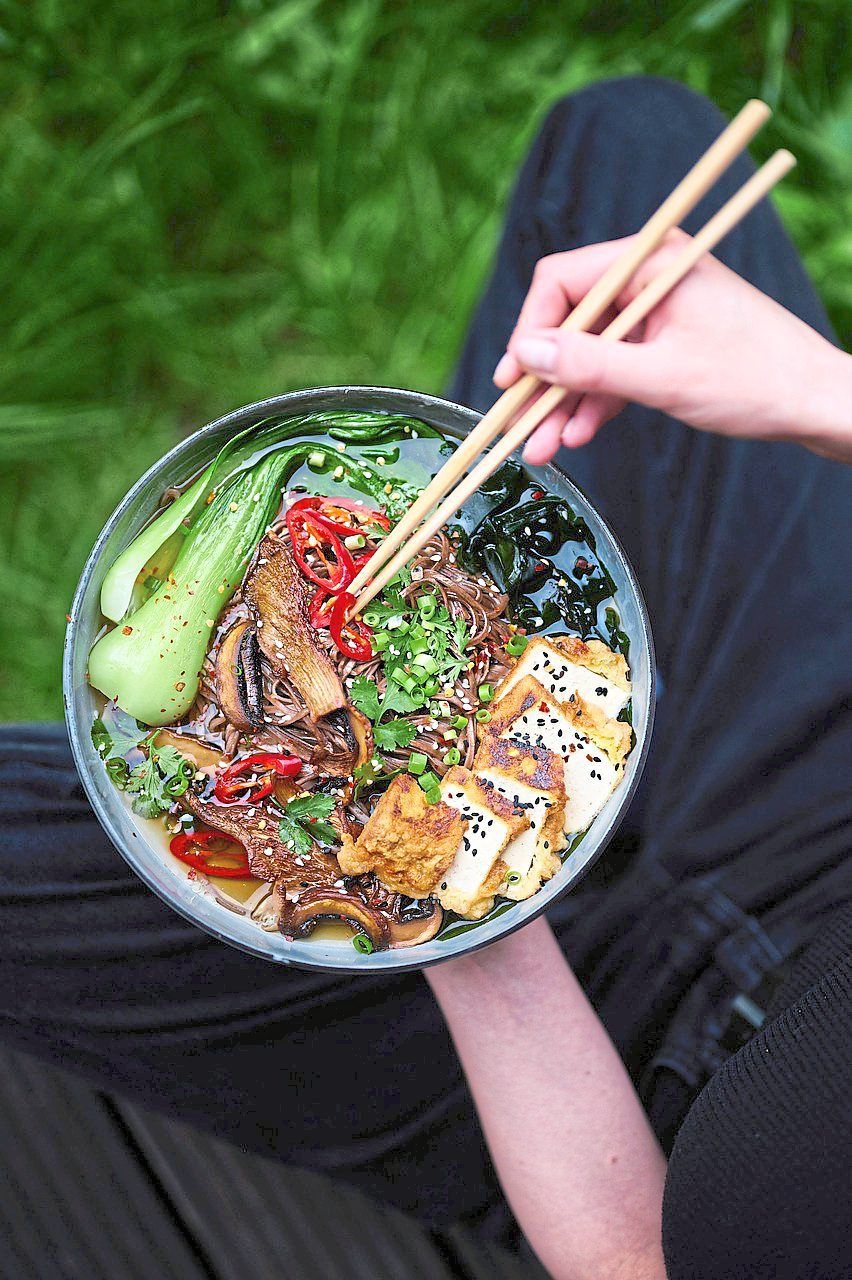
Besides detailing the food system’s contribution to climate change, it outlines the most current version of a “planetary health diet”, which emphasises fruits, vegetables, grains, legumes and nuts and encourages people, particularly in high-income countries, to reduce their intake of animal products, especially red meat.
“Nothing else on a pound-for-pound basis, except maybe refrigerants, comes close to the polluting power of beef,” said Jonathan Foley, executive director of independent climate solutions non-profit organisation Project Drawdown, at a recent Climate Week presentation in New York, United States. That “doesn’t mean everyone has to be vegan tomorrow”, but the goal should be to trim back high-polluting parts of one’s diet, he added.
We asked experts for some tips to centre plants in your kitchen. Here’s what they said.
Sharpen your basics
Are you worried your home-cooked asparagus won’t taste as good as your signature steak? That probably just means you haven’t had as much practice with the right techniques, said Miguel Guerra, chef and owner of vegetable-forward Latin American restaurant MITA in Washington DC, which received a Michelin star in 2024.
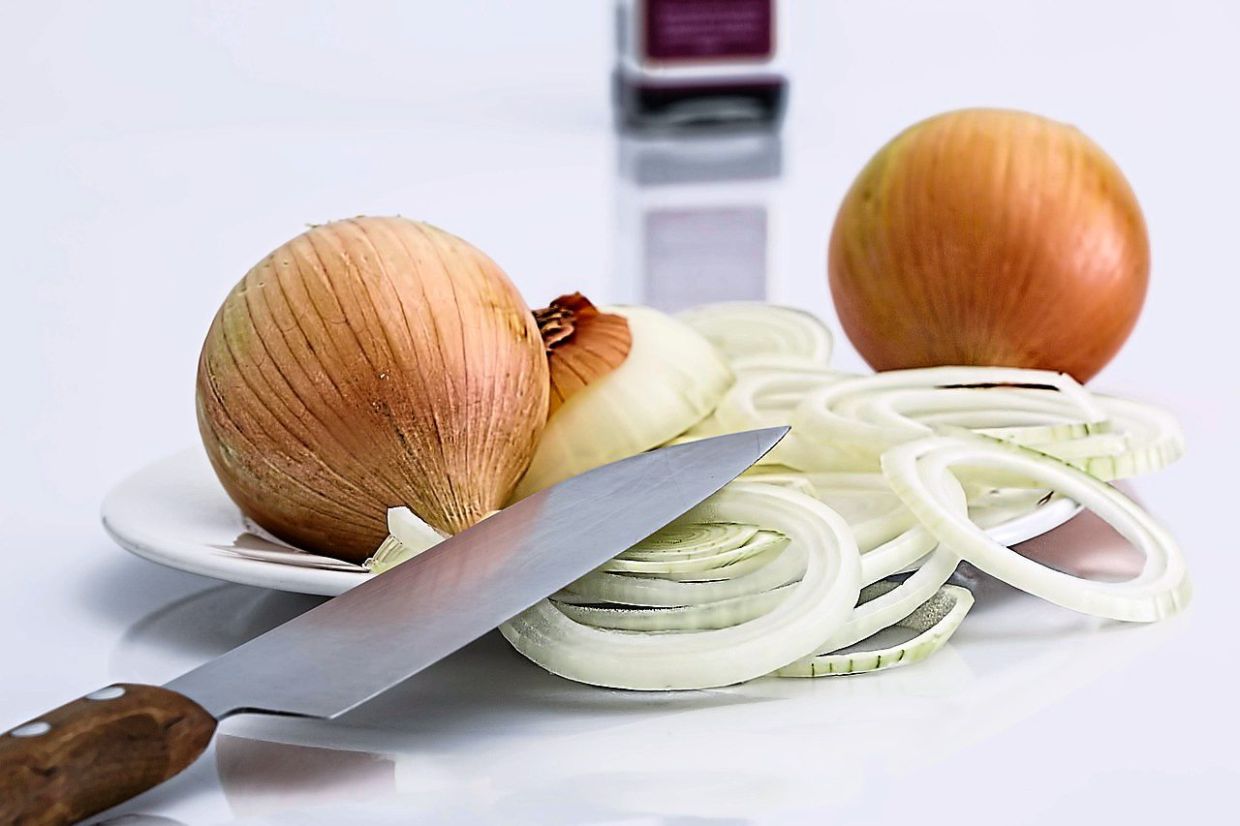
Guerra suggested working on the basics: learn how to blanch asparagus, steam broccoli so it doesn’t get mushy or roast sweet potatoes so they get crispy on the outside. Even knife skills make a difference; Guerra said an onion chopped the right way tastes better.
“When I was a kid, I did not eat vegetables,” he said. Then culinary school, and a particularly delicious broccoli-cheddar soup, changed his mind. He realised selecting and preparing fresh ingredients with care and effort does make them better.
Stock up
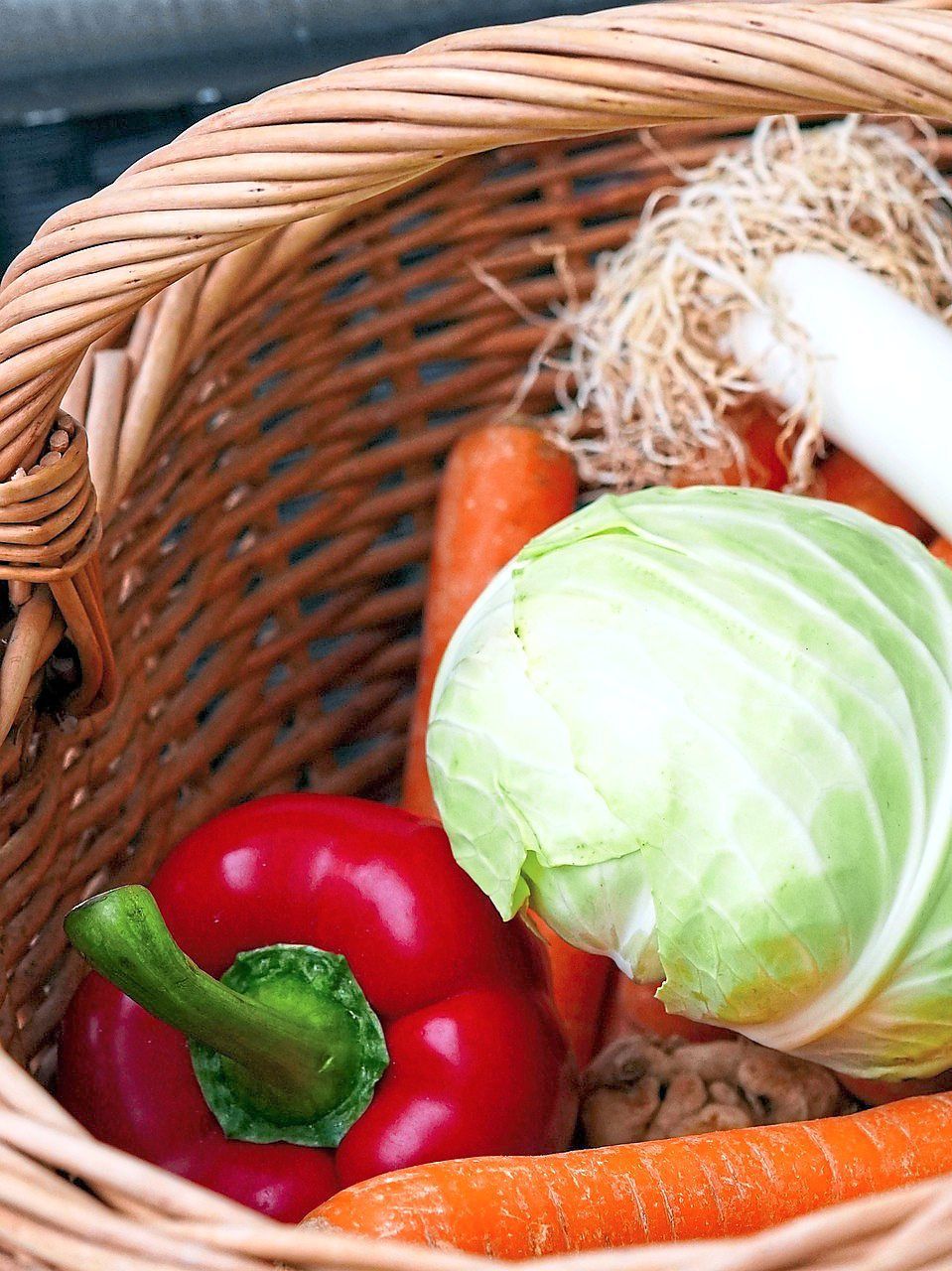
When you’re out shopping, it’s easier to pivot to whatever vegetables look freshest or are in season if you keep a stock pantry with canned and shelf-stable ingredients like sauces, said Joshua McFadden, a chef, restaurateur, farmer and cookbook author who has written about the “six seasons” approach to cooking.
There are also plenty of plant-based protein sources that keep for a long time in the pantry or freezer, like canned beans, tofu, nuts and lentils – all of which are highlighted in the EAT-Lancet report as ingredients that deserve a more central place in diets healthy for people and the planet.
Even just simple seasonings like salt, pepper and olive oil can help plant ingredients shine, said McFadden, speaking on a panel at a New York Climate Week event.
But Baird also suggested experimenting with ingredients that you might not normally keep in your kitchen, from pomegranate molasses to capers. If something you need for a new recipe isn’t available at your grocery store, you can make substitutions while still aiming to be “a little bit daring”, she said.
Accessible ingredients
The comfort of familiar food, how much it costs and knowledge of how to cook it are top concerns for many of the people in New York’s South Bronx who come to community gardens, said Sheryll Durrant, an urban farmer and educator who works with refugee communities. She was speaking on another panel at the same event as McFadden.
“One of our roles is to grow diverse food, to grow culturally relevant foods, and to show you that you can utilise these foods in an affordable way,” she said.
Local, traditional foods tend to have a higher chance of being healthy for people and the planet than modern ones that have sprung from the industrial food system, said Johan Rockstrom, one of the authors of the report.
Durrant pointed out that different cultures use ingredients differently, and that talking to people from other places in the world is a great way to learn new recipes even for plants you already think you know how to use.
Guerra, of MITA, grew up deeply rooted in Venezuelan cooking, and that still informs his work. He said he doesn’t like using the vegan label and he isn’t vegan himself – he just wants to cook with vegetables and make sure “they’re the star of the show”.
He described using mushrooms and other plant-based ingredients to recreate a sweet and tangy sauce traditionally made in the process of cooking meat, a dish “really close to our hearts and our country, and in a special way”, he said.
Be open
“I really think it’s important with plant-based food that you don’t just try to replicate. Just try to think of what is good,” Baird said.
For example, leaning into fully plant-based combinations that already make sense from a flavour perspective – for instance, a creme brulee with mango and coconut milk – “that’s going to be delicious”, she said.
Guerra follows the same principle. “We’re not like, ‘oh, how do we substitute the steak? Or how do we make something that looks like a steak on the plate?’,” he said.
“It’s just more like, we are true to the ingredients we use, and then the cuisine and the flavours that we want to showcase.” – AP