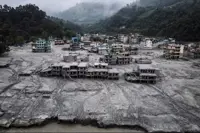
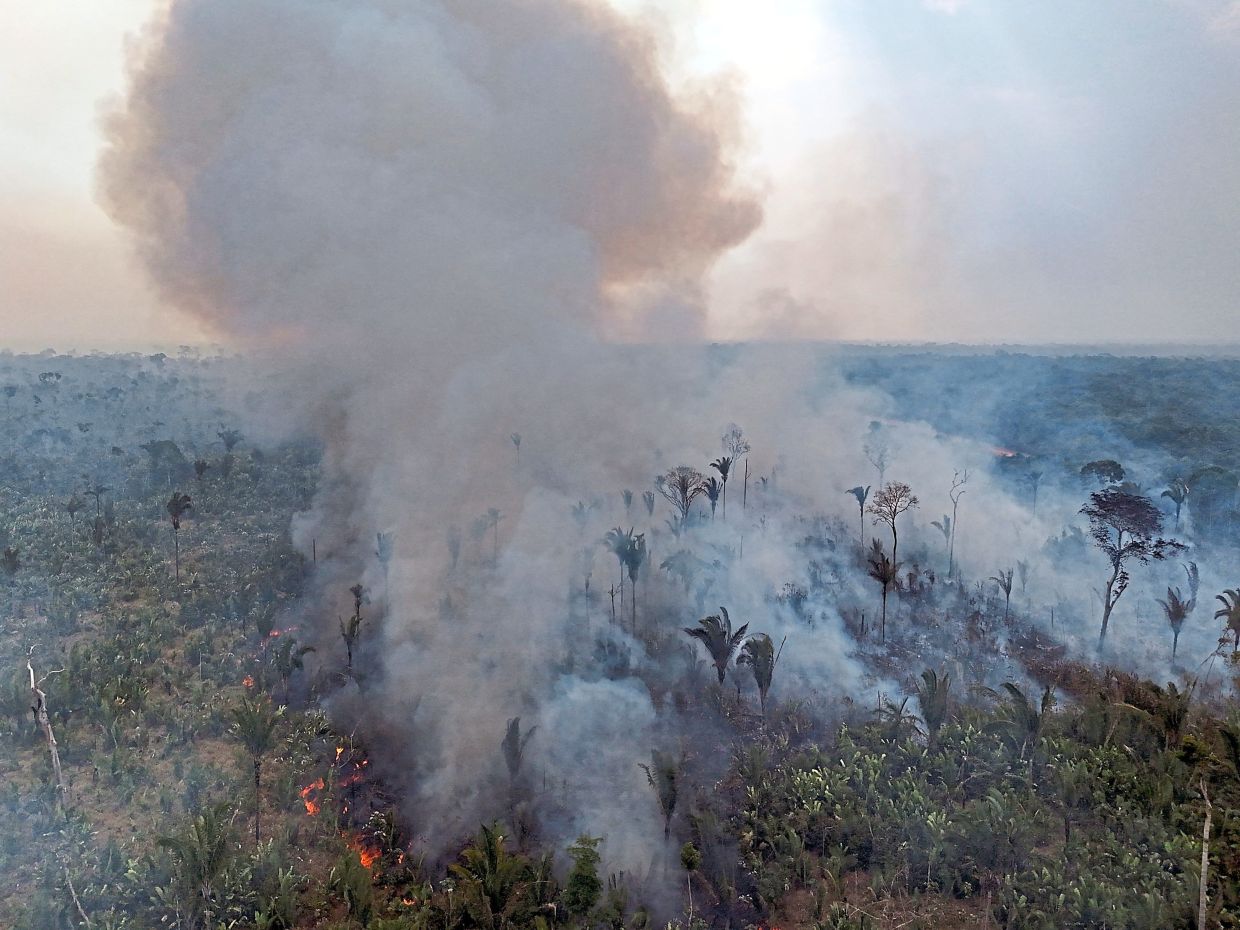
EVERY time humans cut into the Amazon rainforest or burn or destroy parts of it, they’re making people sick.
It’s an idea Indigenous people have lived by for thousands of years.
Now a new study in the journal Communications Earth & Environment adds to the scientific evidence supporting it, by finding that instances of several diseases were lowered in areas where forest was set aside for Indigenous peoples who maintained it well.
With the United Nations climate summit set for Brazil in November, the study authors and outside experts said the work highlights the stakes for people around the world as negotiators try to address climate change.
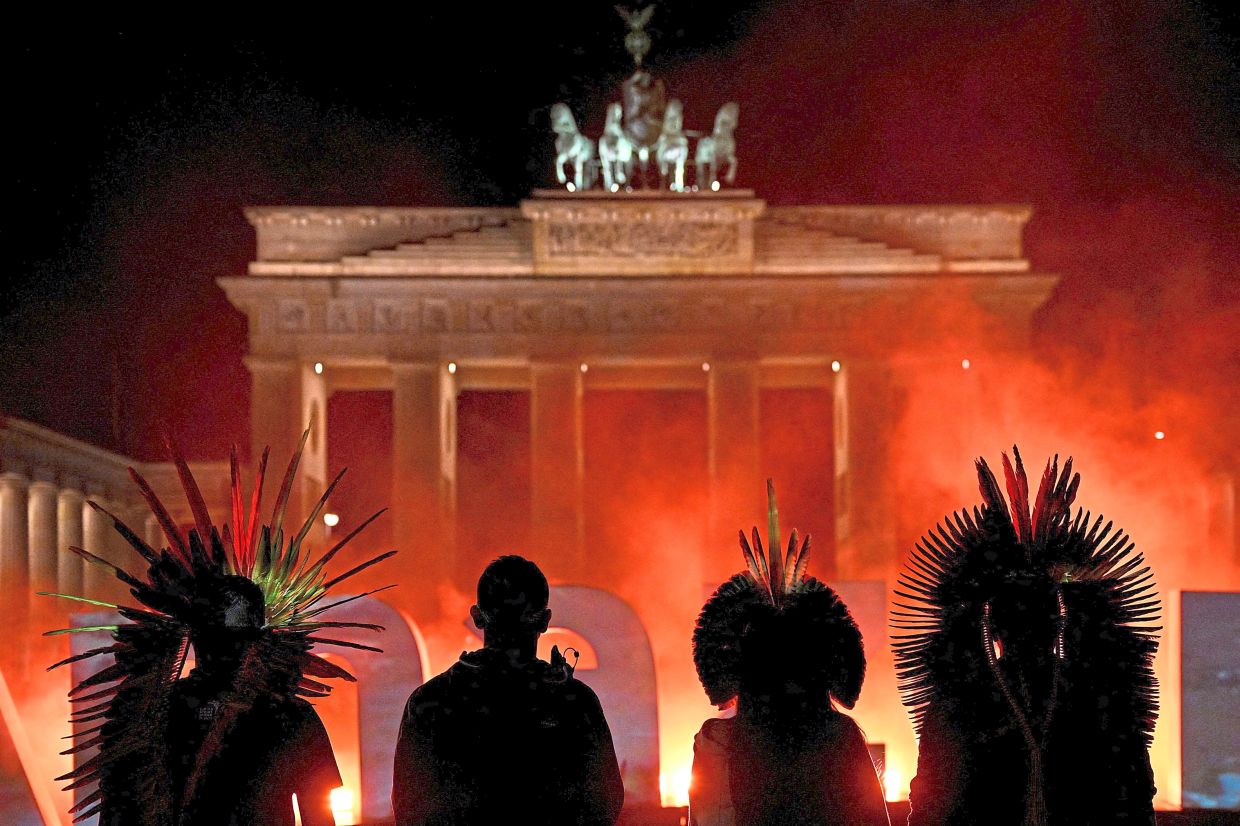
Belem, the city hosting the conference, is known as the gateway to the Amazon, and many who will be attending, from activists to delegates, think the role of Indigenous communities in climate action and conservation will be highlighted in a distinct way.
“The ‘forest man’ or ‘man forest,’ according to the Indigenous perspective, has always been linked to the reciprocity between human health and the natural environment where one lives,” said Francisco Hernandez Cayetano, president of the Federation of Ticuna and Yagua Communities of the Lower Amazon, or Fecotyba, in the Peruvian Amazon.
“If each state does not guarantee the rights and territories of Indigenous peoples, we would inevitably be harming their health, their lives, and the ecosystem itself.”
What harm looks like
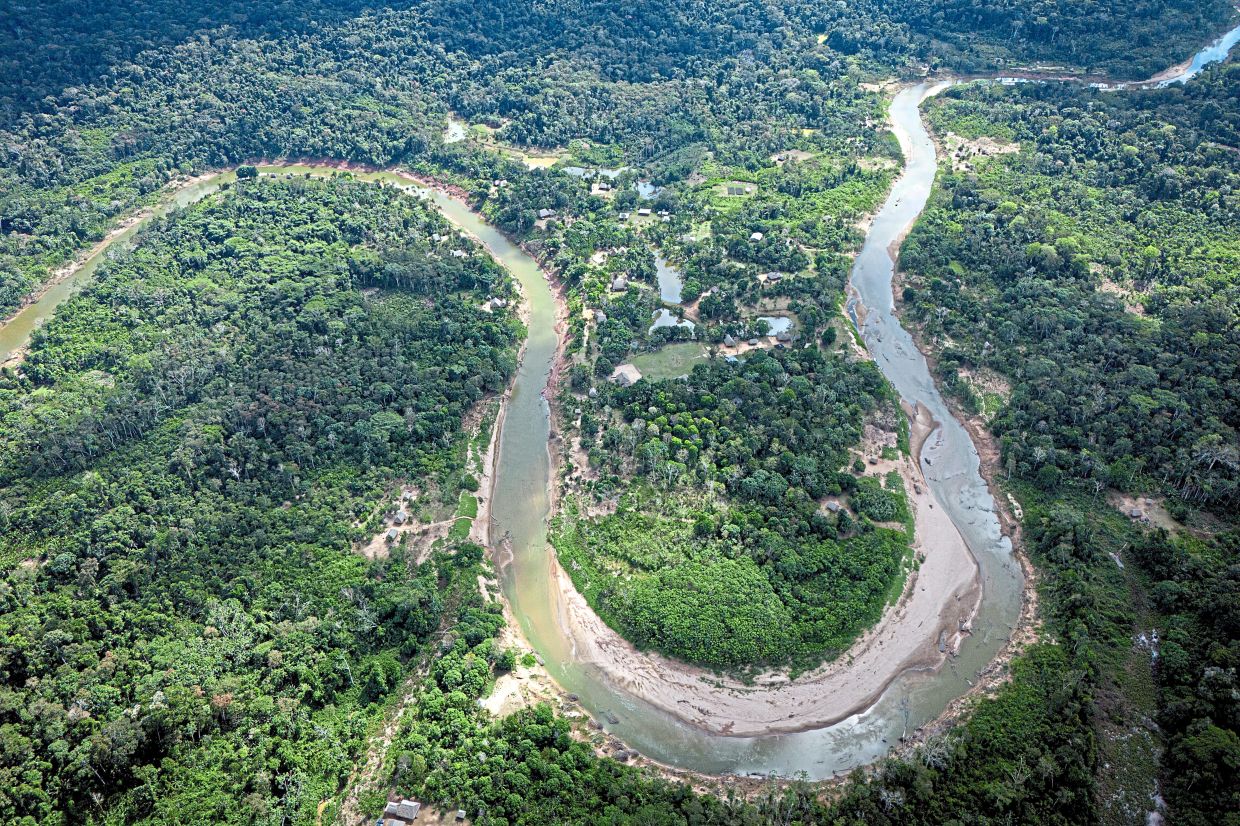
That harm can look like respiratory diseases such as asthma caused by toxic air pollution after fires, or illnesses that spread from animals to humans such as malaria, said Paula Prist, a senior programme coordinator for the Forest and Grasslands Unit at the International Union for Conservation of Nature and one of the study authors.
The researchers compiled and analysed data on forest quality, legal recognition of Indigenous territory and disease incidence in the countries that border and include the Amazon.
The work was “impressive” to University of Washington health and climate scientist Kristie Ebi.
She said it highlighted the complexity of factors that affect human health, and the importance of understanding the role Indigenous communities play in shaping it.
“Using these methods, others could study other parts of the world,” she said.
The researchers found creative ways to account for other variables that can affect the spread of diseases, like access to health care in a given area, said Magdalena Hurtado, an anthropology and global health professor at Arizona State University and a fellow of the American Academy of Arts and Sciences who was not involved with the study.
But she expressed concern that the findings were presented with a precision that may not be warranted, given that they were based on correlation and use data on observations that can be difficult to measure.
“They claim that Indigenous territories only protect health when forest cover is above 40%. And so that feels like, why 40%? Why not 35%? Or why not a range?” she asked.
“It doesn’t mean that the study is wrong, but it means that we need to be cautious because the patterns could change if different, more precise methods were used.”
New doors for research
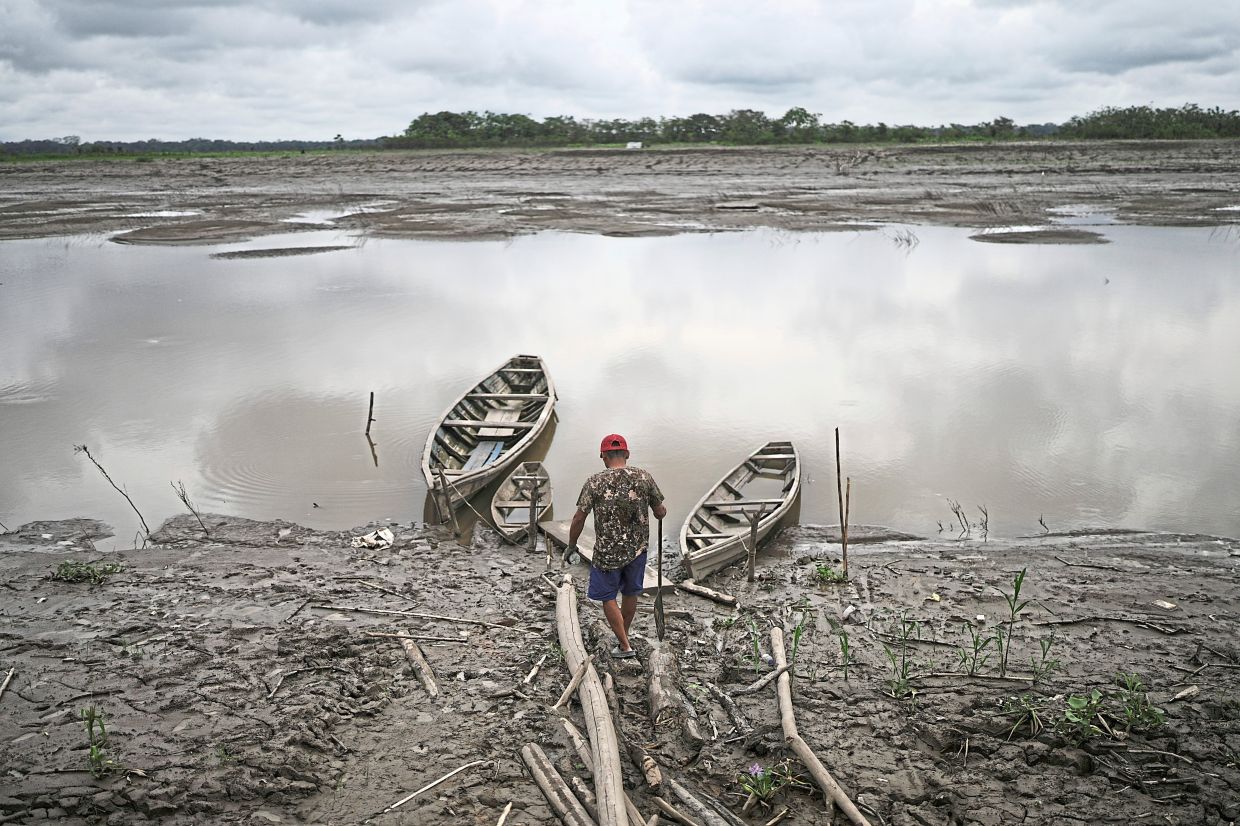
Still, she thinks this is a starting point that could open the door to future research. “They are actually doing something quite beautiful,” empirically connecting the legal recognition of Indigenous lands to human health outcomes, she said.
Hernandez said that’s important for the global policymakers who are coming to Brazil.
“From my Indigenous perspective, I think that this type of study would make our ancestral knowledge more visible and precise,” he said.
There’s a strong body of evidence showing that Indigenous land tenure helps maintain intact forests, but the paper shows it’s important to maintain forest outside of Indigenous-stewarded areas as well, said James MacCarthy, a wildfire research manager with the Global Forest Watch team at the World Resources Institute who worked on a new report on extreme wildfires and the role of Indigenous communities in addressing them, and who was not involved with the study.
Prist said the goal of the study was to understand how landscapes can be healthy for people, but that it would be naive to suggest that all forest landscapes stay exactly as they are, especially with the land needs of farming and livestock production.
The world needs landscapes that provide economic services, but also services that protect people’s health, she said.
For Julia Barreto, an ecologist and data scientist who also worked on the study, it stood out to be part of a team of scientists from different nations working to make information publicly accessible and to bring attention to the Amazon.
“It is not only one country, and the whole world is depending on it somehow,” she said. – By MELINA WALLING/AP