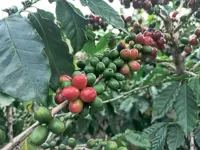
An Indonesian archipelago that's home to three-fourths of Earth's coral species, a stretch of Icelandic coast with 70% of the country's plant life and an area along Angola's Atlantic coast featuring savannahs, forests and estuaries are among 26 new Unesco-designated biosphere reserves.
The United Nations cultural agency says the reserves – 785 sites in 142 countries, designated since 1971 – are home to some of the planet’s richest and most fragile ecosystems.
But biosphere reserves encompass more than strictly protected nature reserves; they're expanded to include areas where people live and work.
Also, the designation requires that scientists, residents and government officials work together to balance conservation and research with local economic and cultural needs.
"The concept of biosphere reserves is that biodiversity conservation is a pillar of socio-economic development” and can contribute to the economy, said Antonio Abreu, head of the programme, adding that conflict and misunderstanding can result if local communities are left out of decision-making and planning.
The new reserves, in 21 countries, were announced recently in Hangzhou, China, where the programme adopted a 10-year strategic action plan that includes studying the effects of climate change, Abreu said.
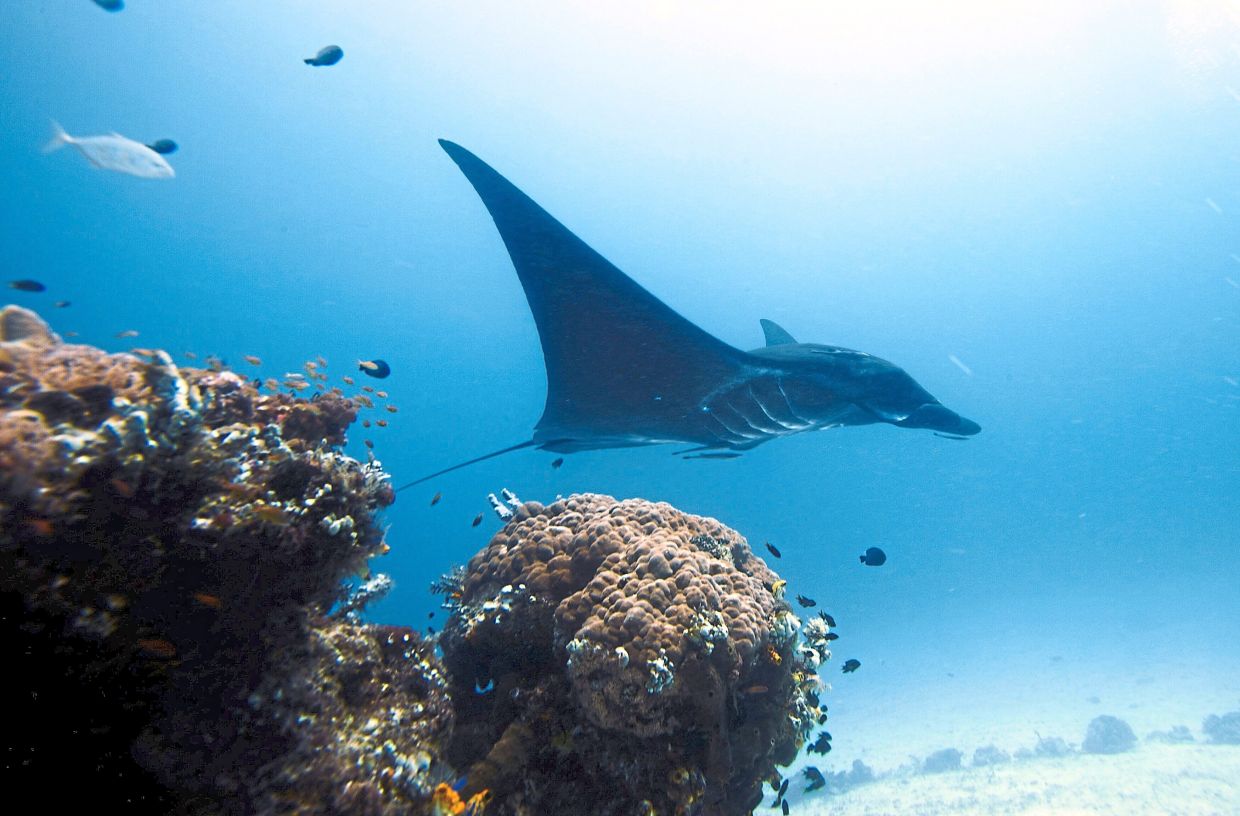
The new reserves include a 135,000sq km area in the Indonesian archipelago, Raja Ampat, home to over 75% of Earth’s coral species as well as rainforests and rare endangered sea turtles. The economy depends on fishing, aquaculture, small-scale agriculture and tourism, Unesco said.
On Iceland's west coast, the Snaefellsnes Biosphere Reserve's landscape includes volcanic peaks, lava fields, wetlands, grasslands and the Snaefellsjokull glacier.
The 1,460sq km reserve is an important sanctuary for seabirds, seals and over 70% of Iceland's plant life – including 330 species of wildflowers and ferns. Its population of more than 4,000 people relies on fishing, sheep farming and tourism.
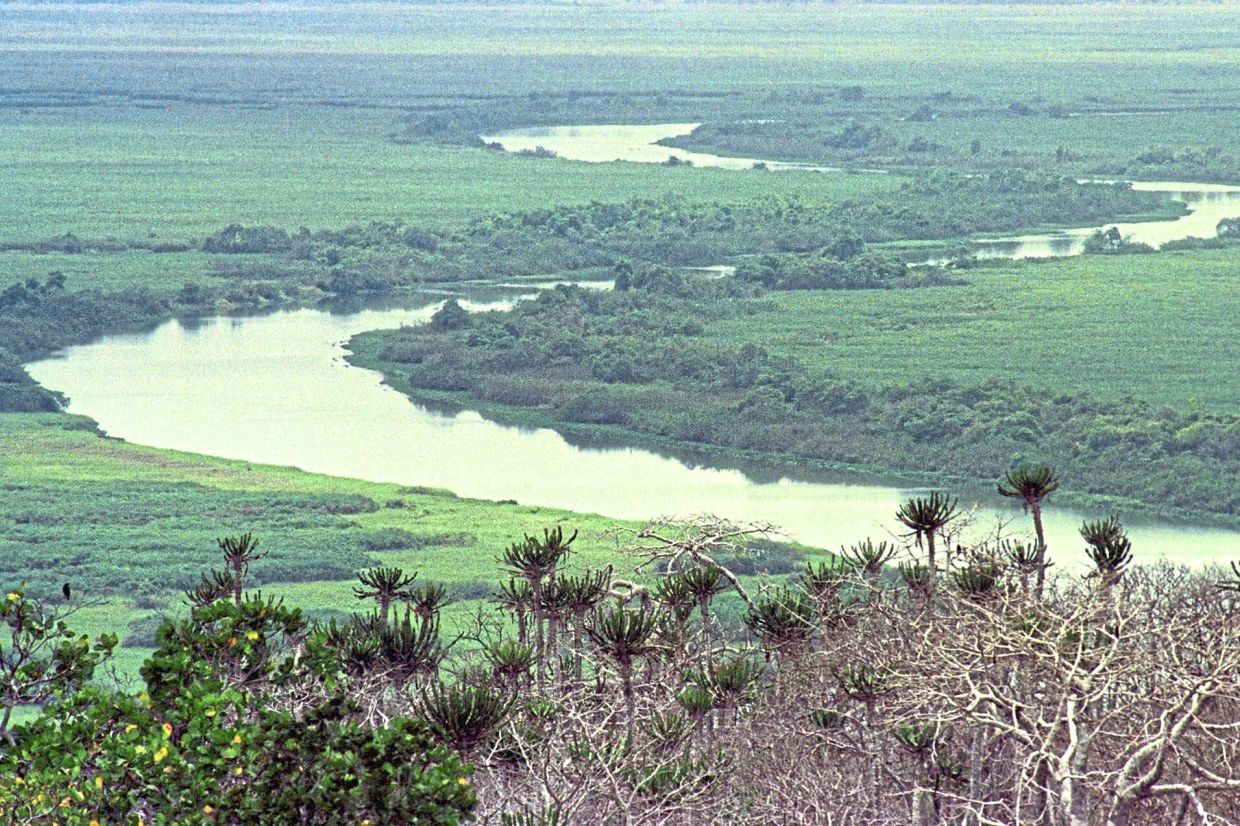
And in Angola, the new Quicama Biosphere Reserve, along 206km of Atlantic coast is a "sanctuary for biodiversity” within its savannahs, forests, flood plains, estuaries and islands, according to Unesco.
It's home to elephants, manatees, sea turtles and more than 200 bird species. Residents' livelihoods include livestock herding, farming, fishing, honey production.
Residents are important partners in protecting biodiversity within the reserves, and even have helped identify new species, said Abreu.
Meanwhile, scientists also are helping to restore ecosystems to benefit the local economy, he said.
For example, in the Philippines, the coral reefs around Pangatalan Island were severely damaged because local fishermen used dynamite to find depleted fish populations.
Scientists worked on designing a structure to help coral reefs regrow and taught fishermen to raise fish through aquaculture so the reefs could recover.
"They have food and they also have fish to sell in the markets,” said Abreu.
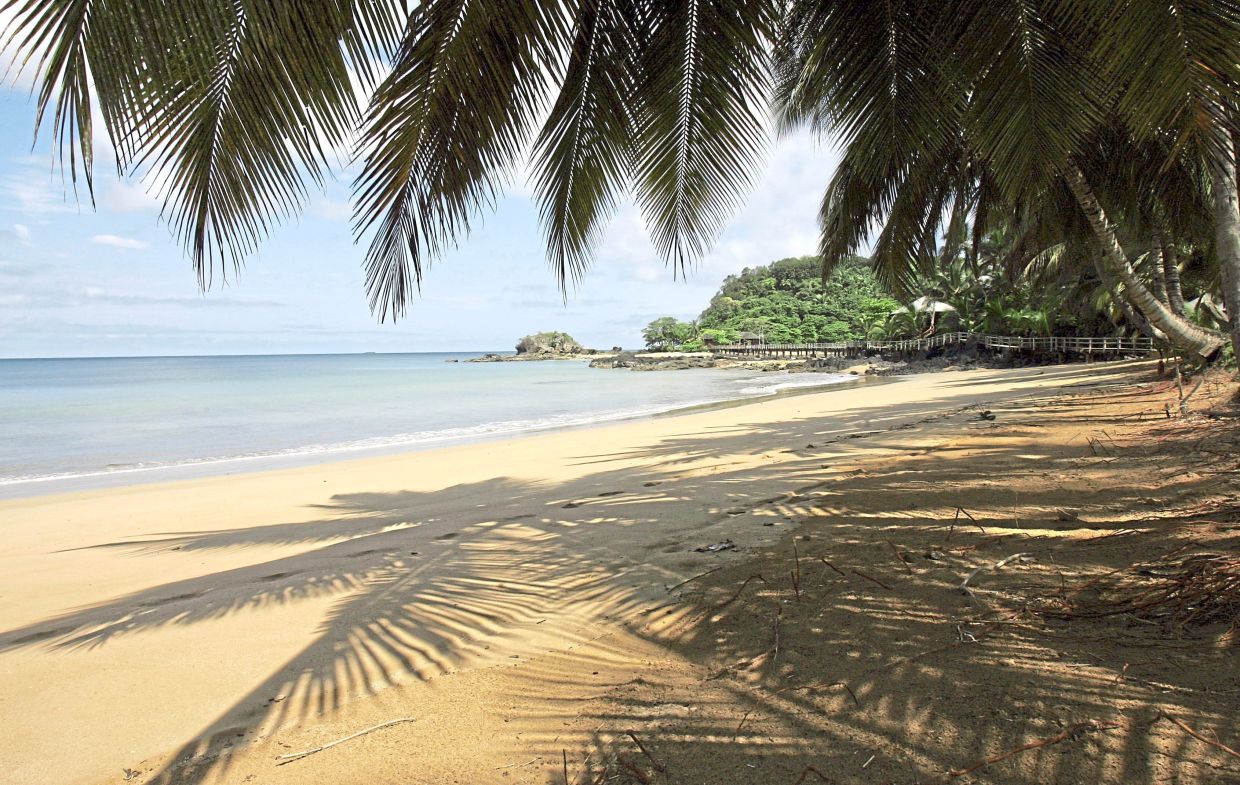
In the African nation of Sao Tome and Principe, a biosphere reserve on Principe Island led to restoration of mangroves, which help buffer against storm surges and provide important habitat, Abreu said.
Ecotourism has become an important industry, with biosphere trails and guided bird-watching tours. A new species of owl was identified there in recent years.
This year, a biosphere reserve was added for the island of Sao Tome, making the country the first to be entirely within a reserve.
At least 60% of the Unesco biosphere reserves have been affected by extreme weather tied to climate change, which is caused primarily by the burning of fossil fuels such as coal and gas, including extreme heat and drought and sea-level rise, Abreu said.
The agency is using satellite imagery and computer modelling to monitor changes in coastal zones and other areas, and is digitising its historical databases, Abreu said.
The information will be used to help determine how best to preserve and manage the reserves.
Some biosphere reserves also are under pressure from environmental degradation.
In Nigeria, for example, the habitat for a dwindling population of critically endangered African forest elephants is under threat as cocoa farmers expand into Omo Forest Reserve, a protected rainforest and one of Africa’s oldest and largest Unesco Biosphere Reserves. The forest is important to help combat climate change.
The Trump administration in July announced that the United States would withdraw from Unesco as of December 2026, just as it did during his first administration, saying US involvement is not in the national interest. The US has 47 biosphere reserves, mostly in federal protected areas. – AP