White, red or rosé? Trying to pick the right wine for an occasion can be tricky. Faced with all the options, it can be hard to know which bottle is best for you.
In Germany, known for its wines, almost two thirds of people buy their wine at the supermarket. "Some supermarkets have a fantastic selection," says Master of Wine Romana Echensperger, who has some tips on how to pick the right one.
"The most important question is: Do I like the taste of the wine?" says Ernst Buescher from the German Wine Institute (DWI). Less experienced wine drinkers often go for slightly sweeter wines - classified as "sweet" or a little less sweet than "off dry" or semi dry," says Buescher. "If you spend more time with wine, you usually end up choosing a dry wine."
Grape variety also influences how the wine tastes. Once you find a preference for a certain variety, you can look at all the wines made from it, says Buescher.
When it comes to white wine, Echensperger says, there are acidic wines that are fresh and full of flavour - such as Riesling. "If I like Riesling, I'll probably also like a Sauvignon Blanc." If you prefer something less acidic, you may be more inclined towards Grauburgunder or Silvaner.
But you don't have to learn grape varieties or vocabulary to buy wine at the supermarket. Eschenberger says you just have to remember the following: "Wine from cooler regions is usually fresher and more acidic." Wines from other regions, on the other hand, usually have less acidity and more ripe fruit flavours.
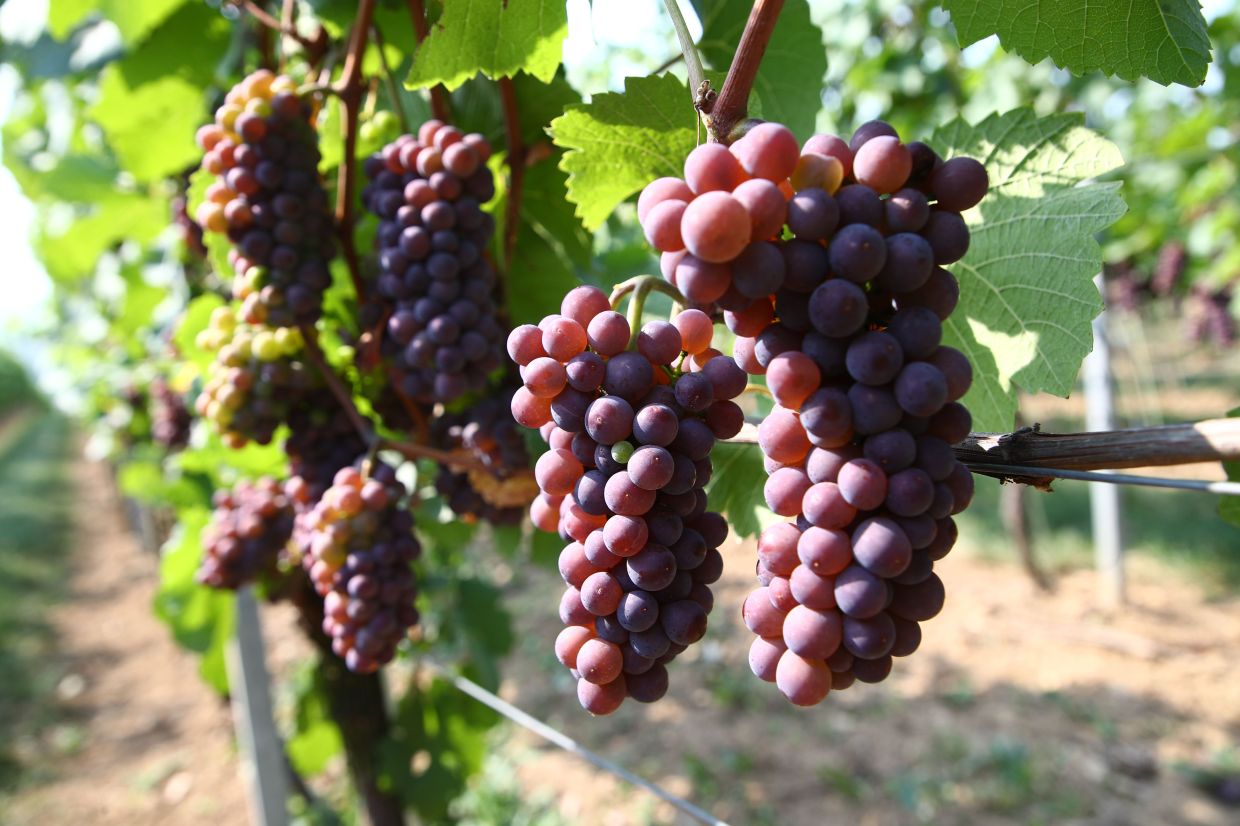
"Red wines can be roughly divided into two types," says Buescher. There are red wines that are richer in tannin, such as Lemberger or Cabernet Sauvignon. Tannins are chemical compounds that affect the texture of the wine. They give the wine more structure, meaning it leaves a rough or dry sensation in your mouth.
"Wines that are lower in tannins, such as Merlot, seem smoother," Echensperger says. These wines are often more accessible as a result. If you like drinking Merlot, you will probably also like Pinot Noir. The red-wine grape variety is grown around the world and is low in tannins.
One style is not better than the other. It's simply a matter of taste, and you can even like both. Winegrowers in Bordeaux combine the smoother Merlot and the full-bodied Cabernet Sauvignon to create complex cuvées.
Depending on where you live, and the kind of year it has been, you can get a Bordeaux, Riesling or Pinot Gris for $5 at the supermarket - but bottles can be a lot more expensive, with good reasons for the price differences. "With higher quality wines, the winemaker harvests fewer grapes per vine. These are more concentrated and are of a better quality," says Buescher.
It also makes a difference if much of the work is done by hand. Mechanical harvesters are cheaper, but manual harvesting allows vintners to pick out bad or under-ripe grapes which improves the quality of the wine. "Wines that are aged in small wooden barrels are significantly more expensive for the producer than wines from large steel tanks," he says.
A higher price can indicate that the wine is of higher quality. "That doesn't mean it tastes better," he says. Wine prices also depend on the producer's reputation and the quantity available. Wines that are easy to drink can be produced on a large scale for around $3. "These are smooth wines, but without much complexity."
Eschensperger suggests buyers don't spend less than $5 on a bottle if possible. "It's better to drink less and have a slightly better wine."
A trained sommelier, she advises those on a budget to pay attention to the grape variety. For example, it's difficult to find a good quality Pinot Noir for a low price. "It's a sensitive grape that's difficult to transform into wine."
If you are looking for a cheaper wine, Merlot, Syrah or Cabernet Sauvignon are your best bets. "They have a thick skin and therefore more robust during processing," she says. Mediterranean wines are also a good choice as there is less fungal infestation and the costs are therefore lower.
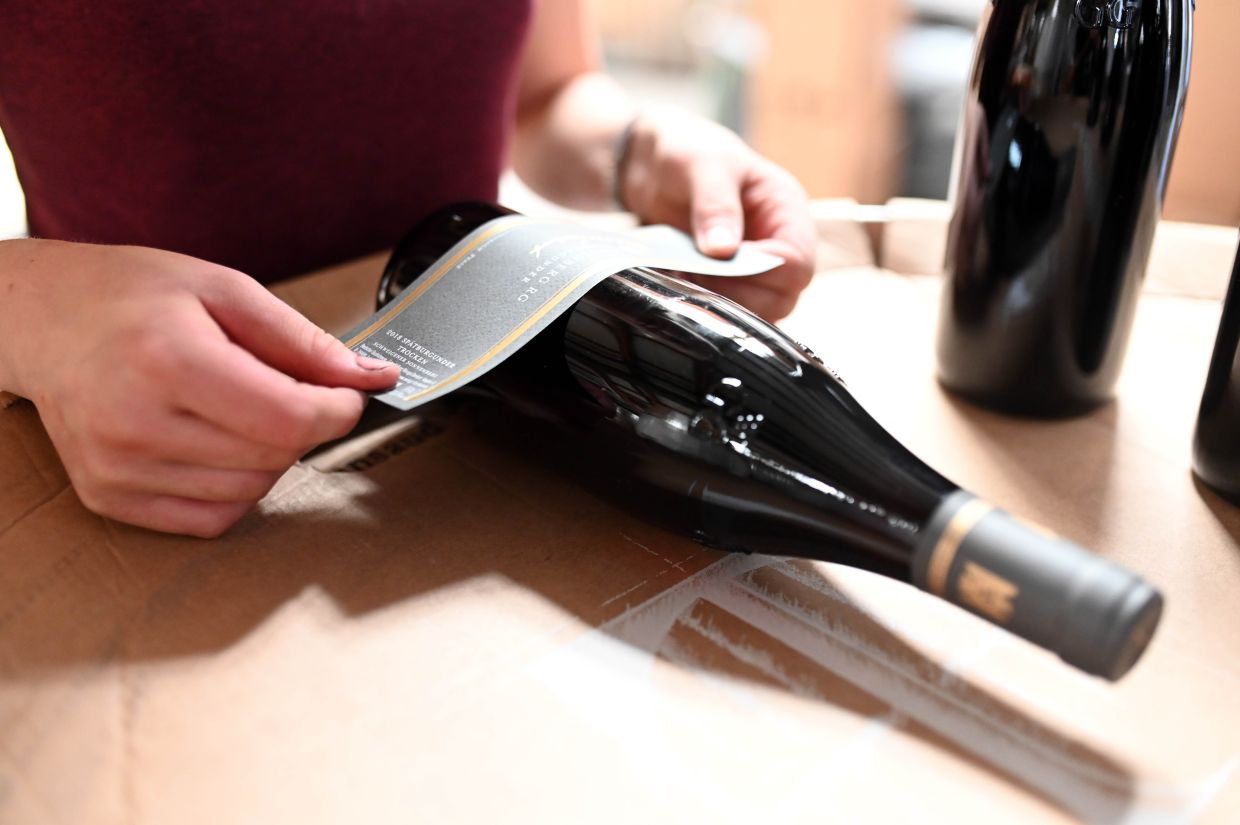
"Many people make their decision in seconds based on the label," says Buescher. But don't just judge a book by its cover. "The label reveals a lot about a wine." Look at the year of production, he says. Most supermarket wines are meant to be drunk young, so it's important to look at the vintage.
The alcohol content, often found on the back label, can provide an indication of which wine goes with which food, says Buescher. Wine with a lower alcohol content - 12% or less - is best with spicy food, as alcohol increases the spiciness of food. A stronger wine with 13% or 13.5% goes well with a hearty meal.
The label also indicates how sustainable a winery is - with organic certifications including Demeter or Ecovin. Echensperger also advises you pay attention to the weight of the bottle. More than half of CO2 emissions from wine come from the glass, even though there is no need for bottles to weigh several kilos. The exception is sparkling wine, which needs thicker glass to withstand the pressure.