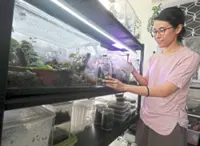
Aida May KB, 37, is affectionately known as the "bug lady" at work, and it's a nickname she wears proudly.
In her Kuala Lumpur office, colleagues often stop by her desk to peek at a small terrarium, where tiny isopods scuttle among moss and bark.
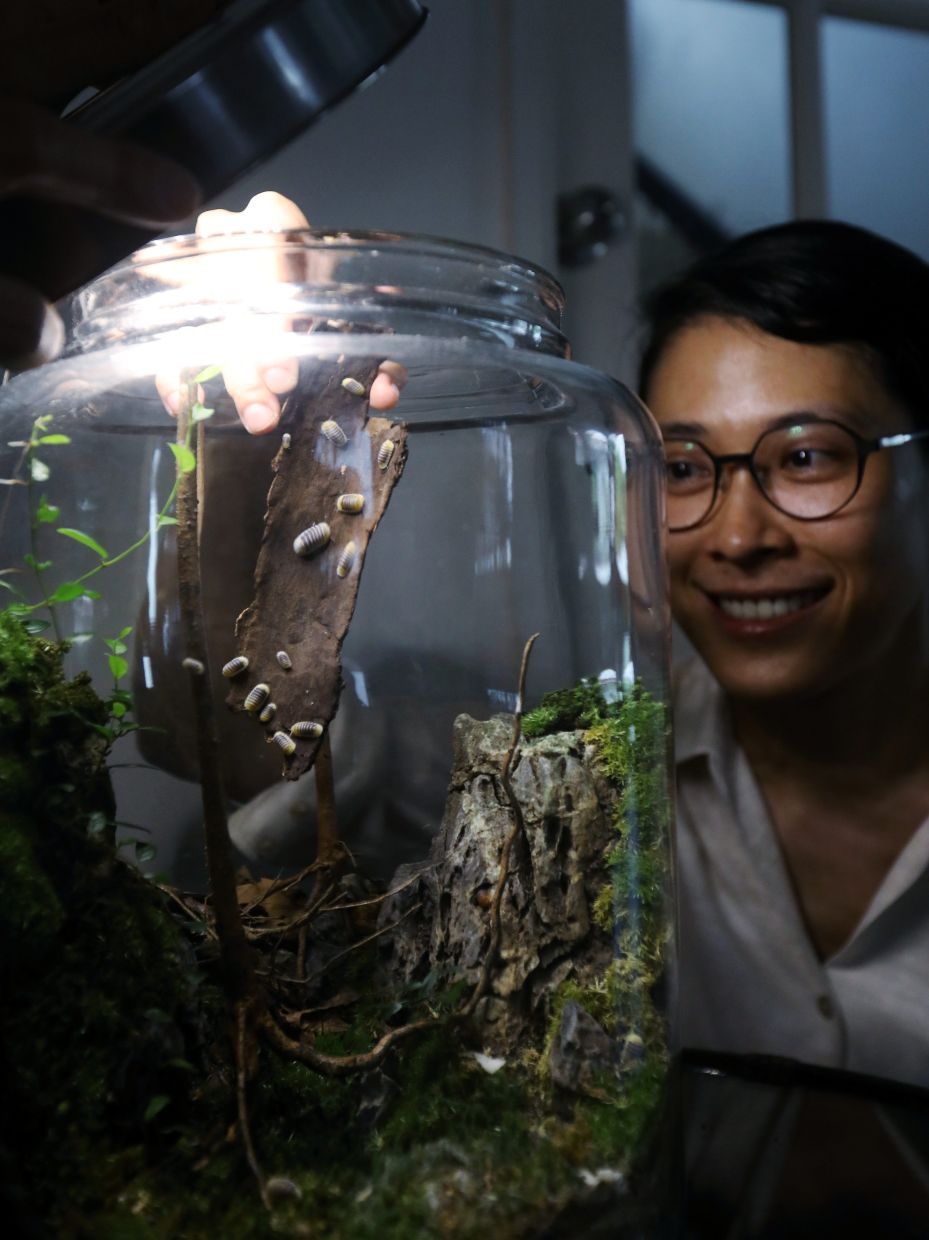
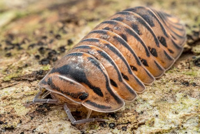
Isopods – also called pill bugs, woodlice or roly-polies - are small crustaceans related to crab and shrimp. Commonly found under logs and leaves, they quietly recycle organic matter into healthy soil.
Aida May is a regional manager at an office fixture company, but outside of work, she is a passionate terrarium builder and isopod keeper.
Since last year, she has been conducting small workshops, teaching people how to build miniature ecosystems with moss, wood, soil and isopods.
She is among the few Malaysians pursuing this hobby. But more than just keeping bugs, her aim is to teach children about biodiversity and the delicate balance of nature.
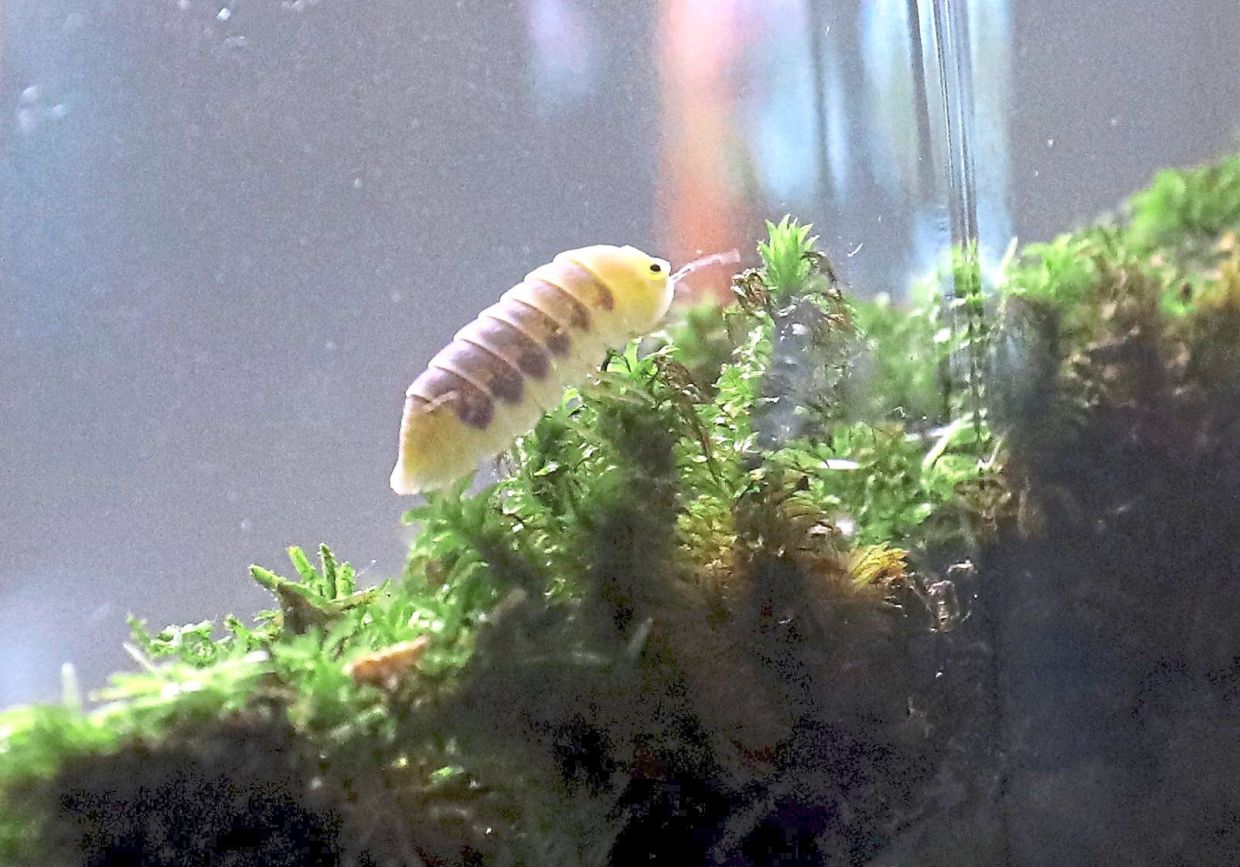
"Terrestrial isopods are detritivores, meaning they feed on decomposing organic matter," she explains. "They play a vital role in breaking down leaf litter and recycling nutrients back into the soil. That process supports plant growth and overall ecosystem health."
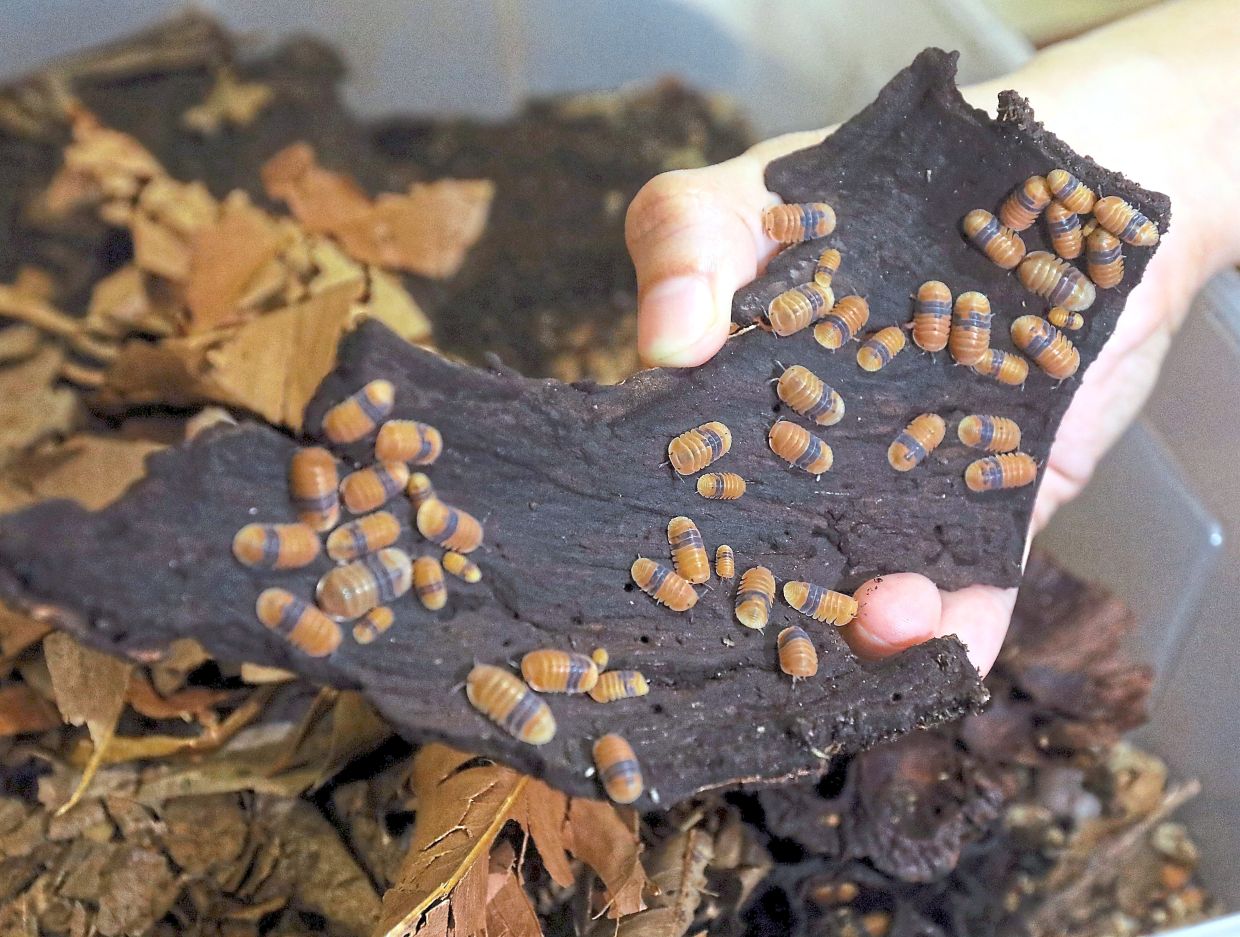
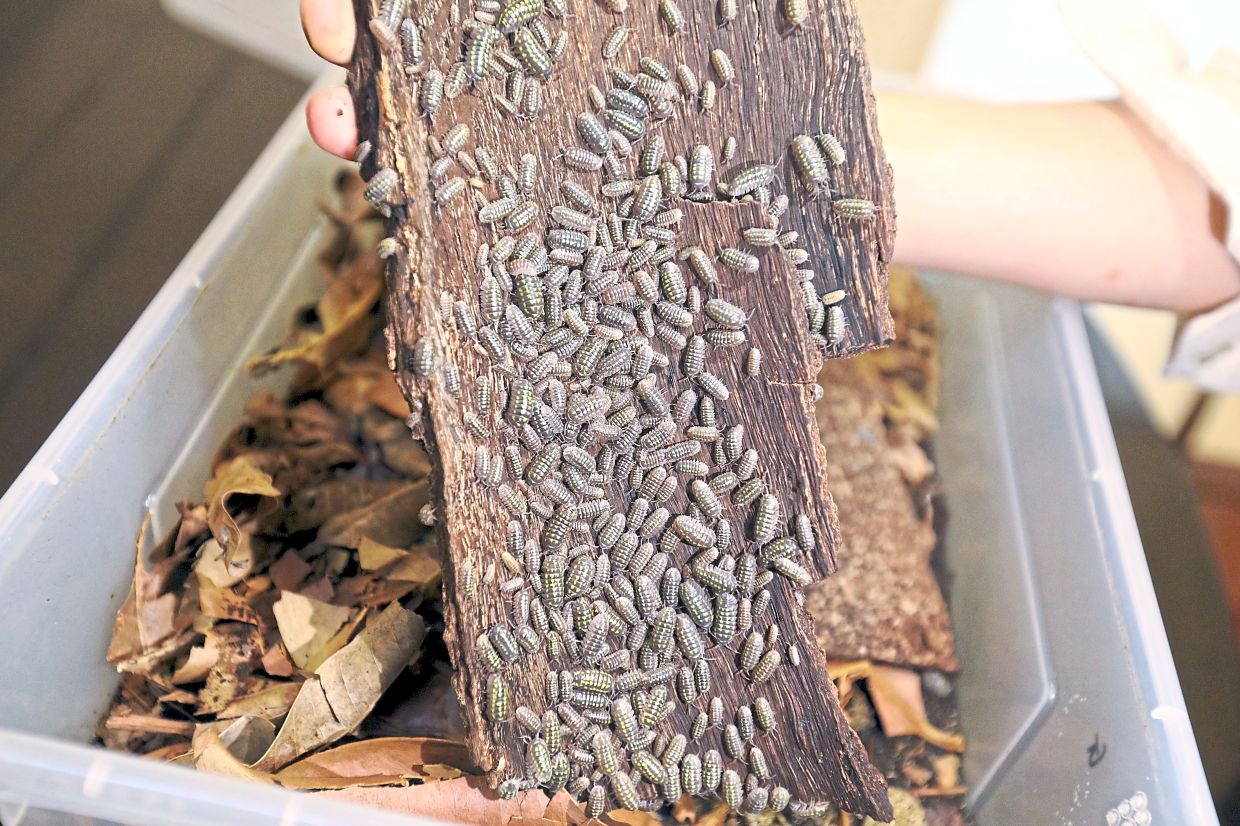
Aida May has 10 species of isopods in her collection, including cubaris murina, cubaris amber duck, armadillidium gestroi, cubaris jupiter and crabby nguyen.
In total, about 200 live (and breed) in tubs filled with damp wood and leaves.
She imports them from a supplier who sources them from Thailand, Vietnam and France. Prices range widely from RM2 to RM60 per isopod, depending on rarity, colour and species.
Aida May's journey began with aquariums. A decade ago, she kept as many as 10 tanks at home. But as work grew busier, the upkeep became difficult.
"Fish tanks require constant cleaning, and I couldn’t keep up," she explains. Wanting something alive yet easier to maintain, she turned to terrariums.
"But plants alone felt static. I wanted something more dynamic, so I looked for creatures that could live in terrariums. That’s when I discovered isopods on social media. They are fascinating, easy to care for and perfect for my lifestyle."
Overcoming the "eww" factor
When Aida May first introduced isopods in workshops, she noticed mixed reactions.
"Some people went 'Eww, bugs!' or asked, 'Are you selling colourful cockroaches?'" she recalls. "But others said, 'Aww, they're so cute!' or 'Look at their tiny legs!'"
Once participants learn that isopods are land crustaceans - not insects - their curiosity grows.
Kids in particular love observing their movements, while parents appreciate that they are harmless and easy to care for.
"There's been a lot of effort in educating the public about what isopods actually are. They can't run fast, they don't bite and they breathe through gills. If the air is too dry, they can't survive."
Surprisingly, some children at her workshops already knew about isopods. Not from science class – but from video games.

"Some kids told me they first learned about pill bugs or roly polies, from the video game, Dungeons & Dragons," Aida says with a smile. "It's amazing to see how games could spark real-world curiosity," says Aida, who shares images of her isopods on her Instagram.
She is organising a terrarium workshop at The School, Jaya One in PJ this weekend.
Aida worries that many children today are growing up disconnected from the natural world, partly because parents are more protective.
Her own upbringing was different. Her mother, who worked in the Agriculture Department, kept an edible garden at home. Aida and her brothers helped with composting, learned how plants grow and spent hours outdoors.
They were also glued to nature documentaries hosted by British biologist and TV host Sir David Attenborough. "His programmes sparked a lifelong fascination with the natural world," she says.
"We'd play in the soil and we turned out just fine," she recalls. "But nowadays, some parents don't even allow their kids to touch soil. I've met children who are afraid of insects – even butterflies."
Rooted in nature
Through her workshops, Aida wants to show families that keeping isopods in terrariums can be fun, safe and educational.
"Maintaining a terrarium is easy with the right guidance," she explains.
"The key is to start small, use reliable materials, and understand the basic needs of the organisms — things like humidity, substrate and lighting. Once you grasp that, it becomes a rewarding hobby for all ages."
To her, terrariums are magical. "They are self-contained ecosystems – like creating a miniature world inside a jar or tank. Watching plants and isopods coexist and thrive together is incredibly rewarding."
Before starting her own collection, Aida spent months reading books and scouring social media to ensure she could replicate their natural environment.
Outside of her hobby, Aida also volunteers with Epic Homes, a non-profit that builds houses for Orang Asli communities.
Isopod keeping remains niche in Malaysia, but Aida hopes more people will discover its appeal.
"People already keep exotic pets like rodents, reptiles and insects. Why not isopods? They are fascinating to watch, inexpensive compared to many pets and low-maintenance."
What she finds most heartening is that children are often the ones who bring their parents along.
"Sometimes, parents attend just to accompany their kids, but end up enjoying the experience themselves. For families, it becomes a way to learn about nature together — and that's the best part."
Tiny bugs, big impact
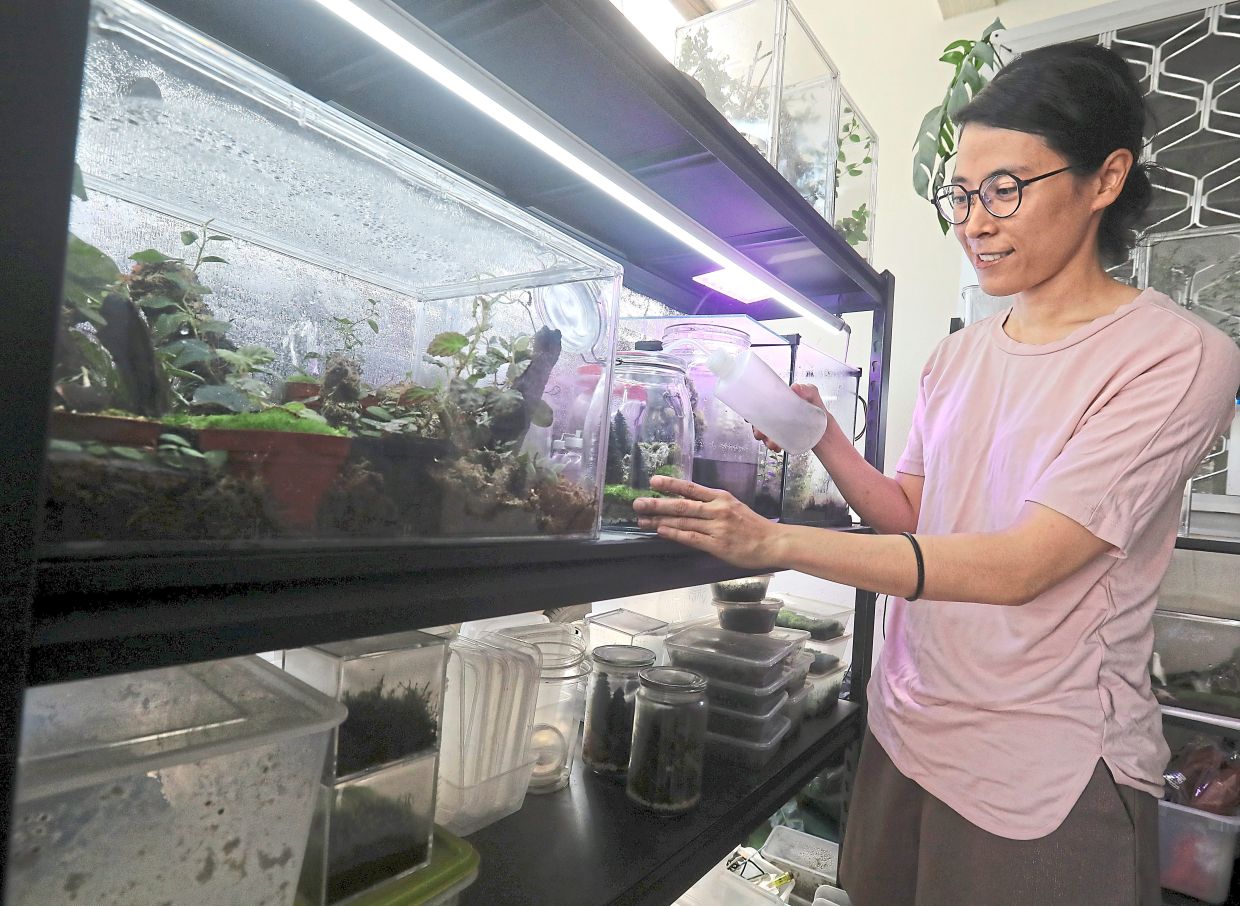
Aida May conducts workshops to teach people how to build miniature ecosystems with moss, wood, soil and isopods. Photos: The Star/Azlina Abdullah
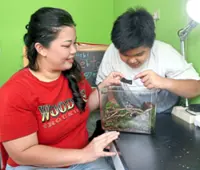
Through her workshops, Aida May is introducing children to tiny creatures called isopods, while helping them understand biodiversity.
Photo: The Star/Azlina Abdullah
Awww... doesn't this little cubaris jupiter look cute?
Photo: The Star/Azlina Abdullah
Cubaris amber duck isopods are known their distinct warm amber colouration, resembling 'a golden duck'.
Photo: The Star/Azlina Abdullah
'Watching plants and isopods coexist and thrive together is incredibly rewarding,' says Aida May.
Photo: The Star/Azlina Abdullah
Don't worry, these armadillidium gestroi isopods can't jump.
Photo: The Star/Azlina Abdullah