
Hidden on the third floor of the sparsely occupied Perdana Kuala Lumpur City Centre building is Kung Jung.
The eatery has been around for a quarter of a century and is a veritable treasure trove of genuine Korean food, driven by 78-year-old founder Madam Kim Jong Oh’s cherished family recipes.
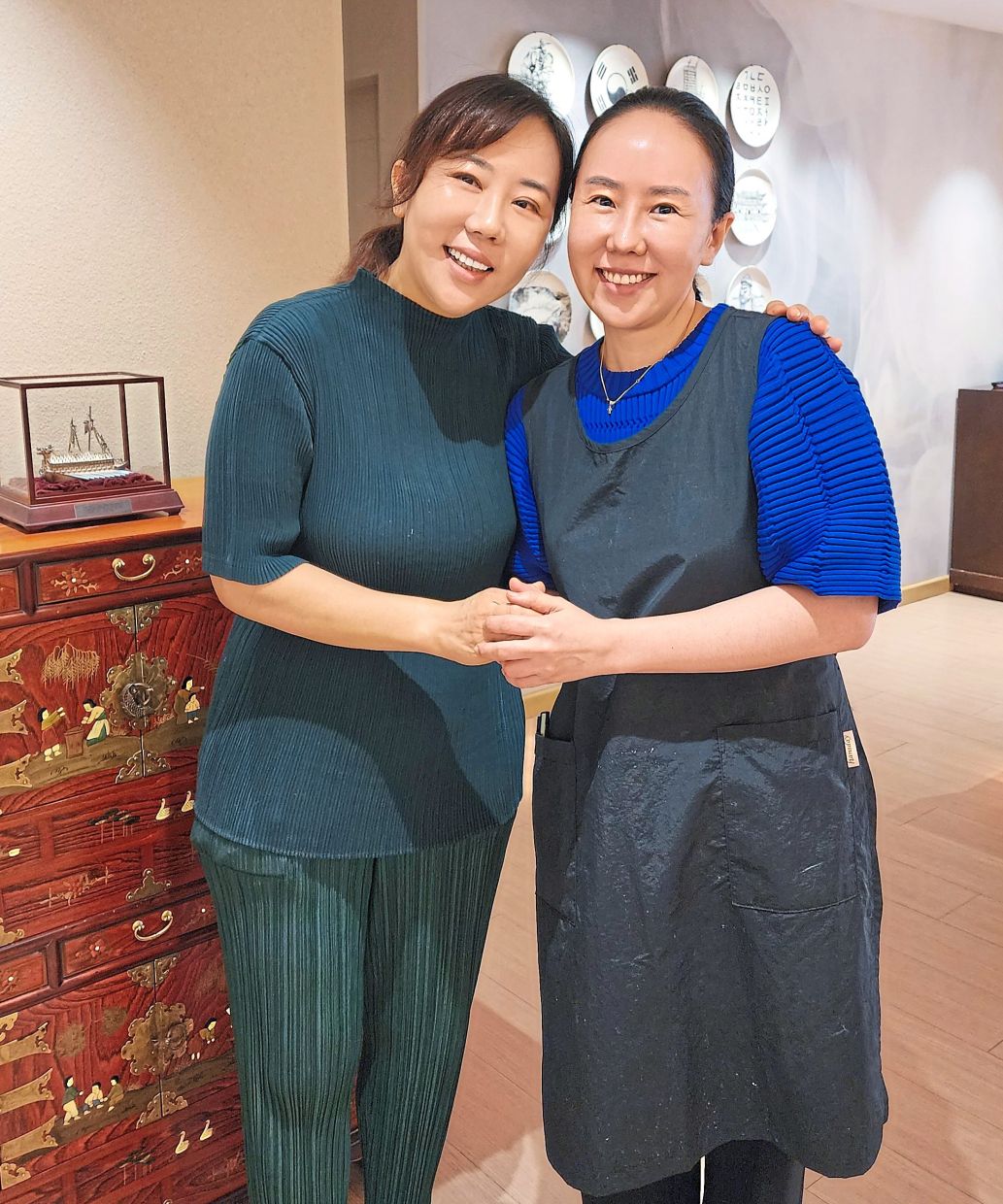
The restaurant is now run by Kim’s lovely daughters – Shin Hyun Suk and Shin Mi Suk – who have been in the family business since they were teenagers.
Kim continues to visit the eatery nearly every day to ensure everything is being made to her exacting standards.
Despite its continued success over the years, Kung Jung started out as a measure of desperation, borne out of difficult times.
“I came to Malaysia with my father, mother and sister when I was 16 years old. Just three months after we got here, my father died in an accident.
“My mother was a housewife and she only had a few thousand ringgit left and she had to decide whether to go back to Korea or stay here. She decided to stay here,” explains Hyun Suk.
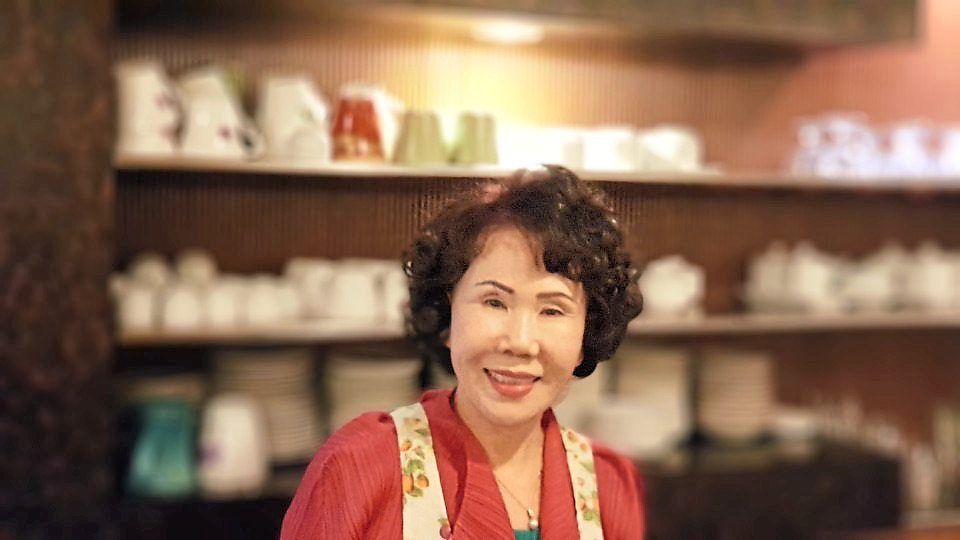
Determined to make something good out of a bad situation, Kim used her meagre savings to open a Korean stall in a food court in KL, serving up simple Korean fare like bibimpap, japchae and Korean pancakes.
“I helped my mum after school. It was just her and me and one other helper so if we had too many orders coming in, it was hard to handle,” says Hyun Suk.
Soon, the business became successful and Kim was offered a job managing a canteen. With the money she made from those jobs, she opened Kung Jung.
At Kung Jung, Hyun Suk and Mi Suk have retained their mother’s recipes in their entirety – from sauces to marinades and everything in between.
The restaurant focuses on charcoal-fired Korean barbecue complemented by a wide range of a la carte dishes.
The eatery is also one of the few Korean restaurants to utilise halal-certified MiGyeong San Hanwoo beef (the premium meat from virgin cows that accounts for only 0.01% of Hanwoo beef).
MiGyeongSan Hanwoo beef was introduced to the Malaysian market last year and Hyun Suk said she immediately decided to embrace it in her restaurant.
“Previously Hanwoo wasn’t that nice – it was very tough and hard to chew, so I didn’t have it on the menu.
"But MiGyeongSan Hanwoo is very tender and succulent, so I started selling it. I think I am the first Korean restaurant to offer it. To me, it made sense because what is Korean barbecue without Korean beef?” she says.
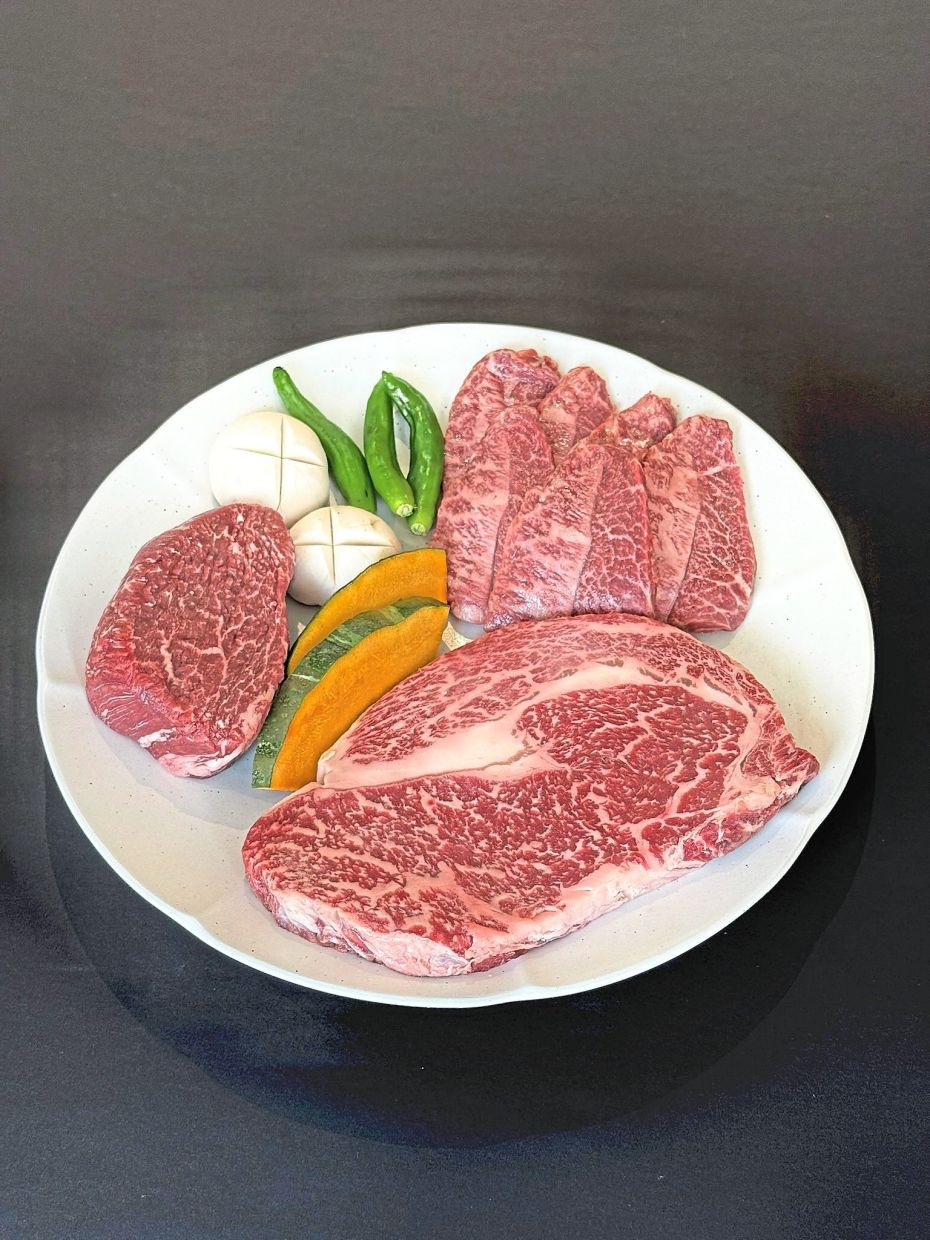
To begin your Korean barbecue odyssey here (staff will be on hand to grill the meat for you), definitely look at trying the Hanwoo Trio (RM780) which features BMS9 Grade 1++ tenderloin, sirloin and oyster blade, totalling nearly 500 grams.
From the trio, the tenderloin is a succulent beauty that has rich bovine-centric flesh and an almost bouncy, buoyant spring in its step.
The oyster blade meanwhile is very, very juicy and has a texture that is akin to spun silk.
The sirloin on the other hand is a gilded velvet goddess whose core flows with rich, meaty overtures.
The platter is an ode to the best that Korean Hanwoo has to offer, so you would do well to savour it slowly and enjoy it to the very last morsel.
To enhance the flavours, dip it in the truffle salt provided on the side for maximum euphoria.
Every barbecue order also comes with a wide range of banchan (Korean side dishes), all made according to Kim’s recipes.
These include traditional cabbage kimchi, gojuchang cucumbers, tofu, sauteed spinach, lotus root and fried ikan bilis.
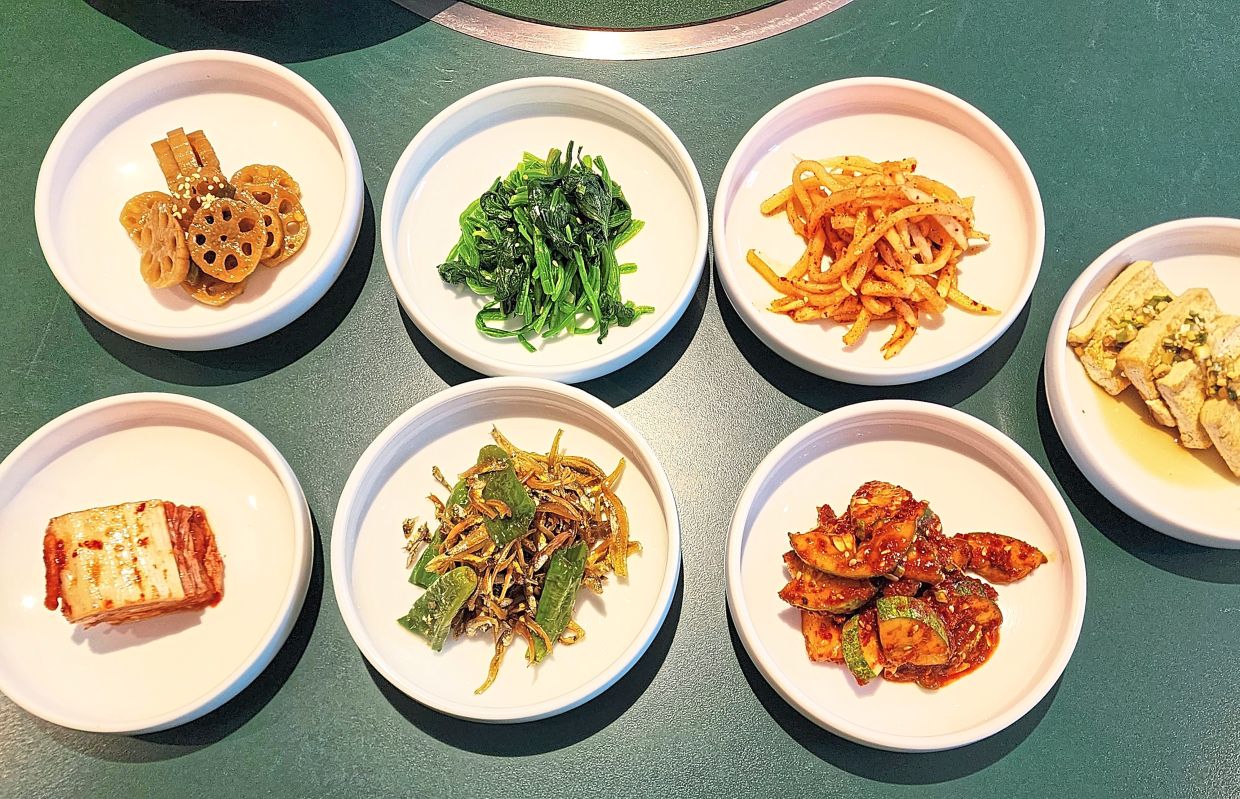
Each one offers something a little different – the cucumber is cold with a lightly spicy energy while the kimchi is tangy and multi-layered.
The ikan bilis meanwhile offers crunch, brine and a wholly addictive quality that means you’ll be hard-pressed to stop eating.
From the MiGyeongSan Hanwoo collection, definitely also look at trying the Hanwoo YukHoe (RM142).
Essentially Korean beef tartare, the beef is thinly sliced, interspersed with crunchy strips of radish and topped with a raw egg yolk.
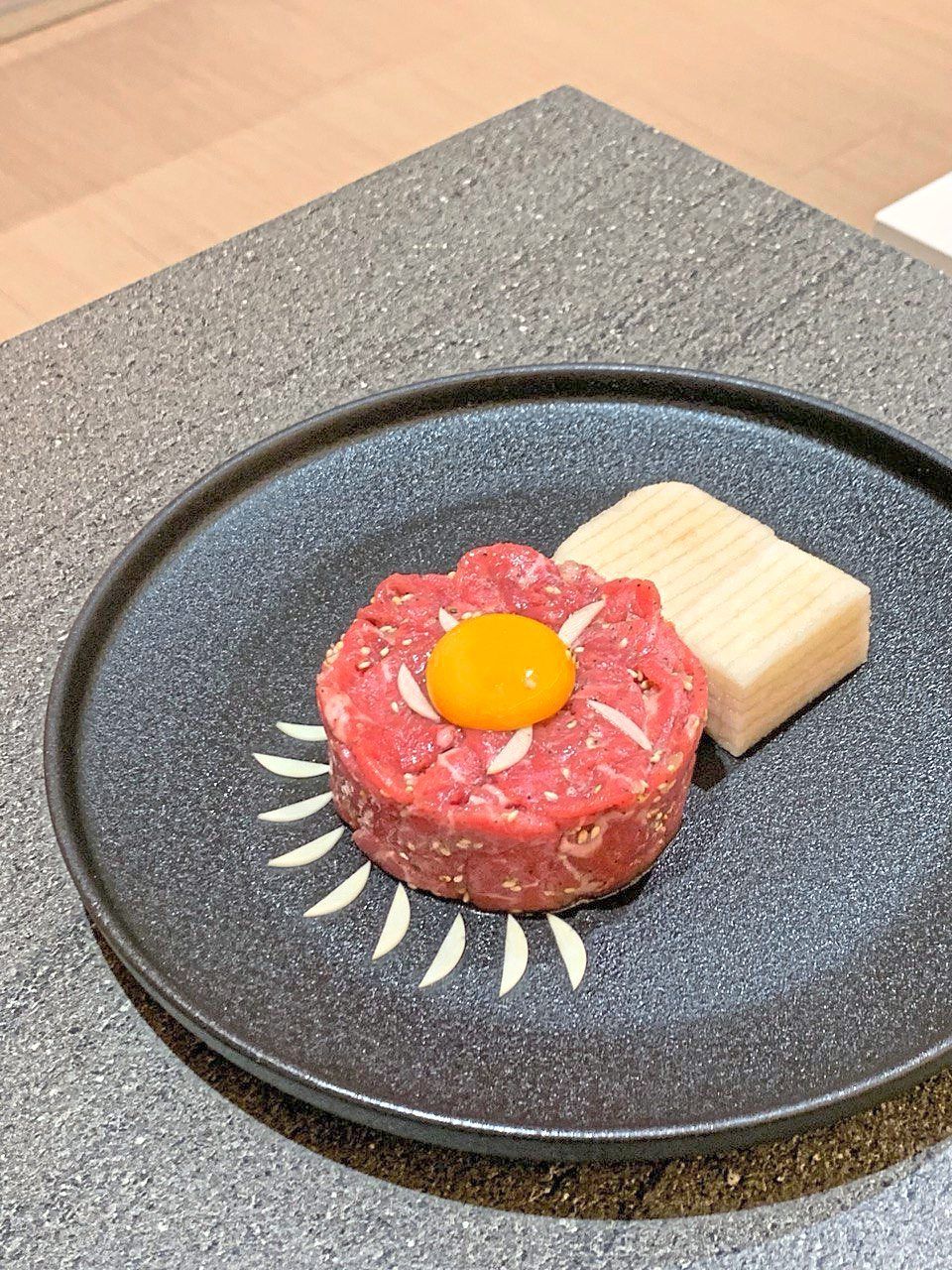
Mix the yolk into the beef, stir together and enjoy the cornucopia of rich, opulent flavours that lace your tongue.
The beef is satin soft and its primal, hearty countenance forms the backbone of this spectacular carnivorous odyssey.
One of the beef-cutting techniques that is unique to Korea is the diamond cut, which sees seasoned butchers and chefs slice the meat (typically the spare rib) on the diagonal, yielding long stretches of diamond patterns.
The reason behind this is that it encourages softer, more tender meat.
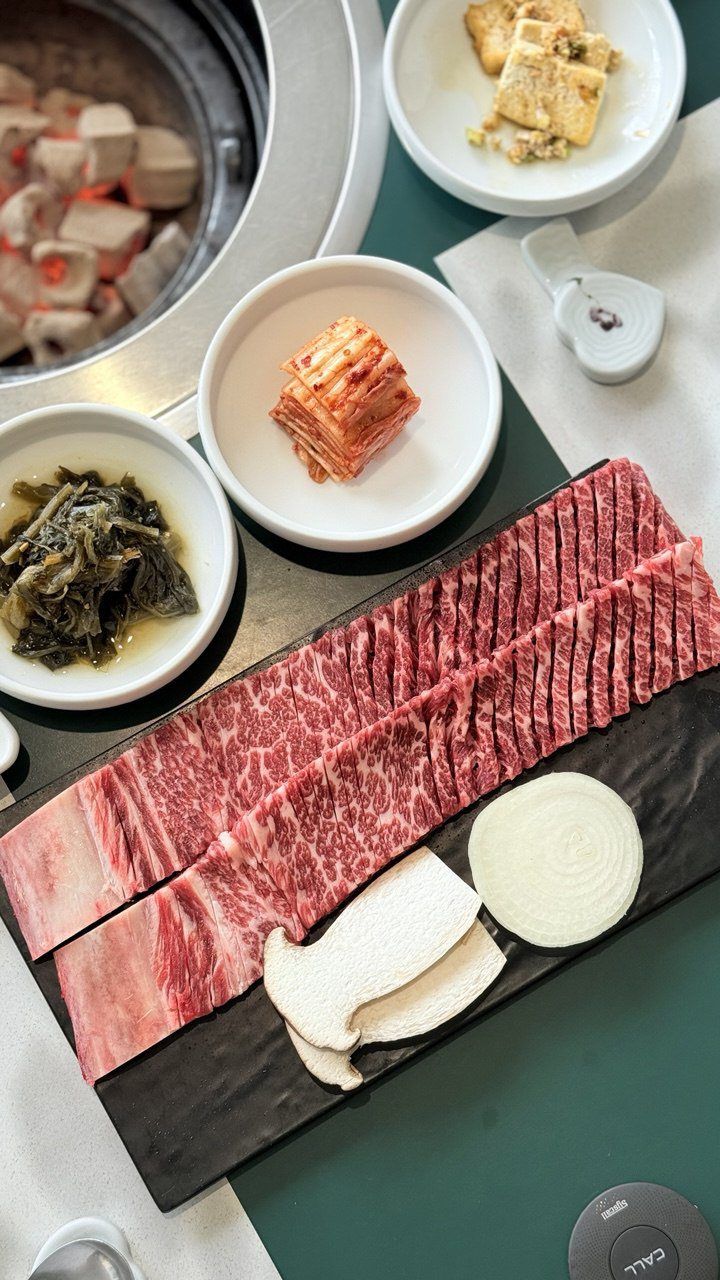
At Kung Jung, you’ll get the opportunity to try this in various formats, like Saeng Gal Bi Gui (RM165 for two pieces). The latticed meat is grilled to perfection and retains a softness and malleability that allows it to glide gently on the palate without the hassle of too much mastication.
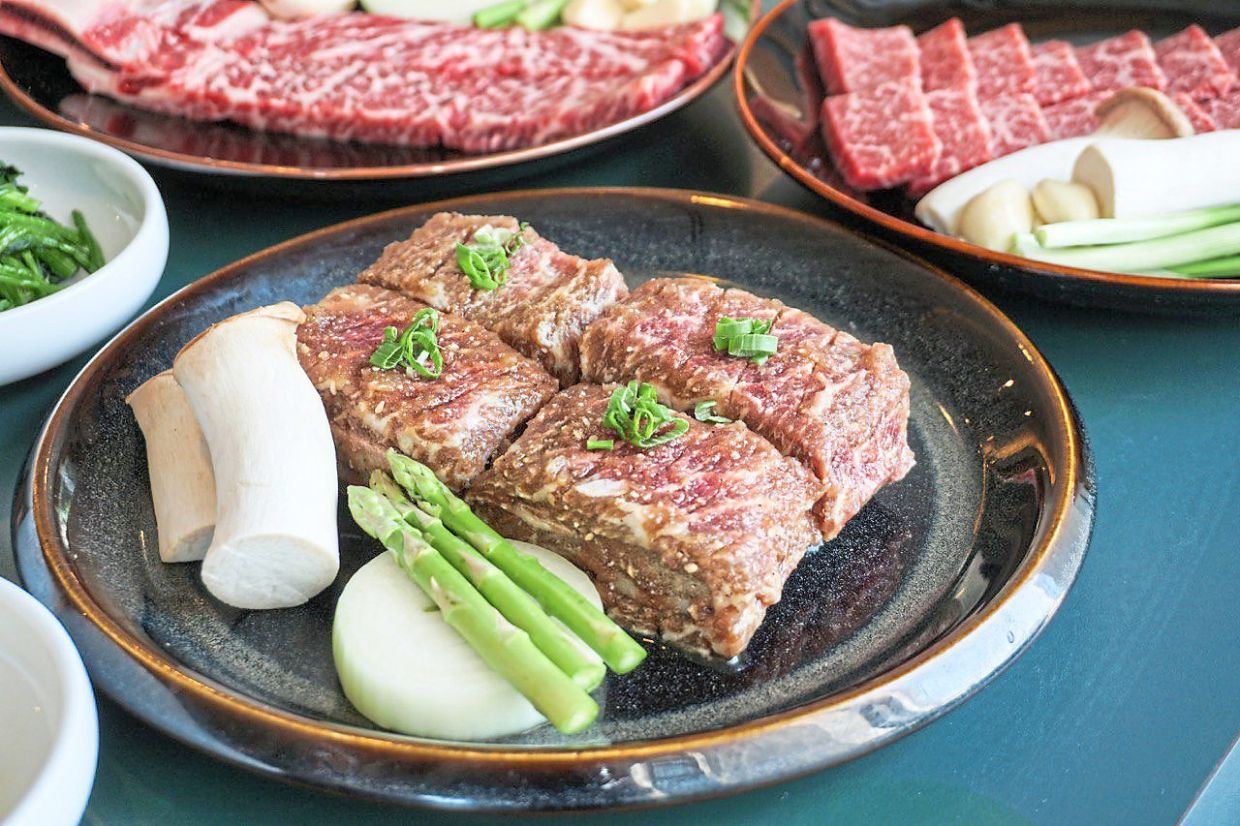
If you’d like to try the restaurant’s marinated barbecue fare, definitely, definitely indulge in the So Kal Bi (RM138 for two pieces).
This is one of the restaurant’s best-selling and most popular menu items that will give you the opportunity to try the same diamond cut meat utilising Kim’s trusty in-house marinade.
The marinade is made up of a secret recipe that includes ingredients like pears, onions, chilli, ginger, apples, sugar and a variety of sauces.
The result is divine – the meat is supple and gentle and its natural beauty is accentuated by the marinade which gives it a garlicky undertone enhanced with a light sweetness.
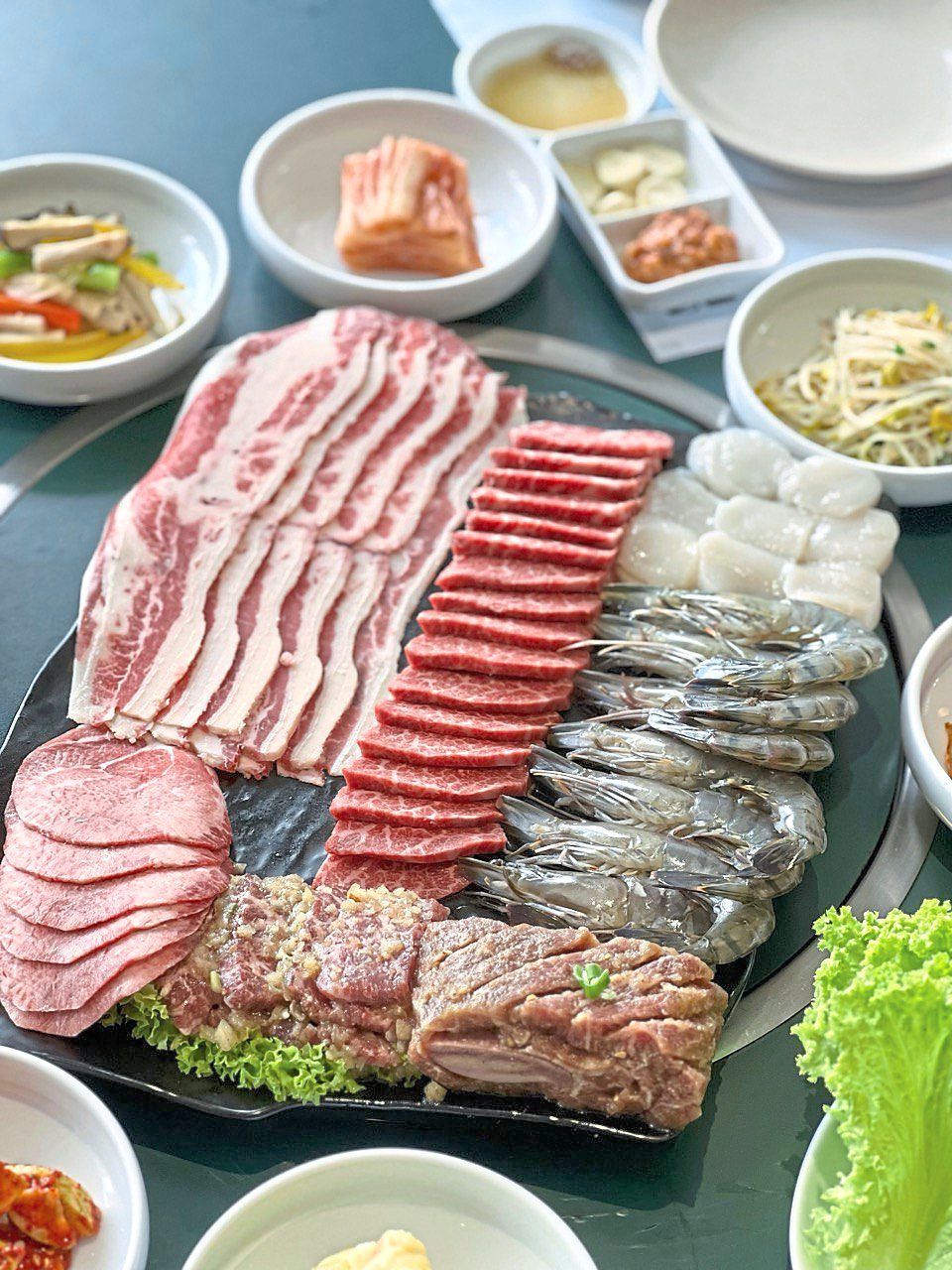
Moving on, indulge in more Korean barbecue offerings like the gigantic Charbroiled Assorted Beef & Seafood platter (RM410), which serves two to three people and offers fresh sirloin, fresh beef belly, fresh ox tongue, marinated spare rib, marinated beef sirloin as well as a generous portion of tiger prawns and scallops.
Once barbecued, the scallops retain a lovely outer char that segues to velvety soft flesh. The prawns meanwhile are plump and voluptuous with a natural sweetness.
Of the beef cuts on offer, the beef belly offers a melt-in-the-mouth experience that is unforgettable while the marinated beef sirloin is a hefty, fleshy vixen with a tender mouthfeel.
The eatery also has a vast range of other Korean dishes for those who might be looking for quicker meals.
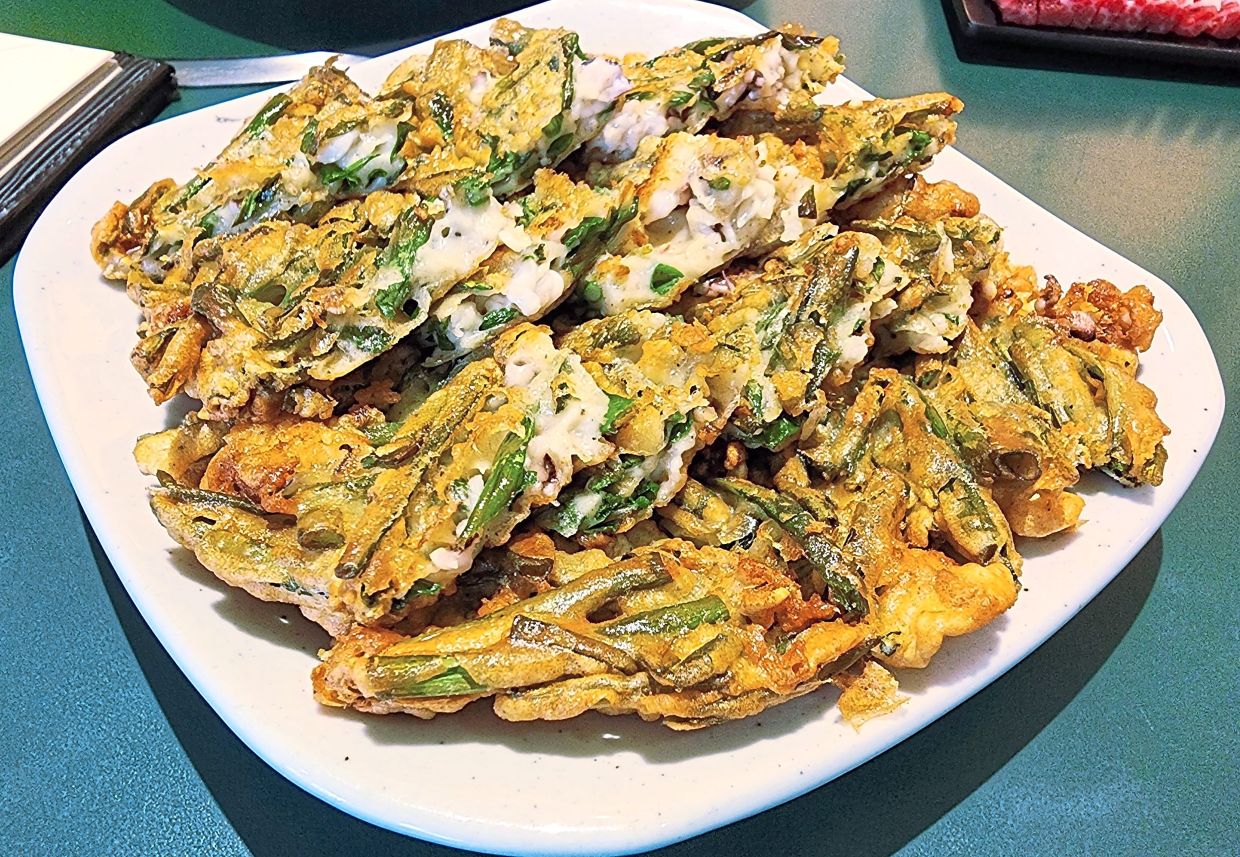
Of what’s on offer, definitely indulge in the Pah Jeon (RM42). This Korean-style pan-fried pancake is filled with spring onion and seafood.
Kung Jung’s version is a crispy, crunchy seductress that also doubles as a flavour bombshell.
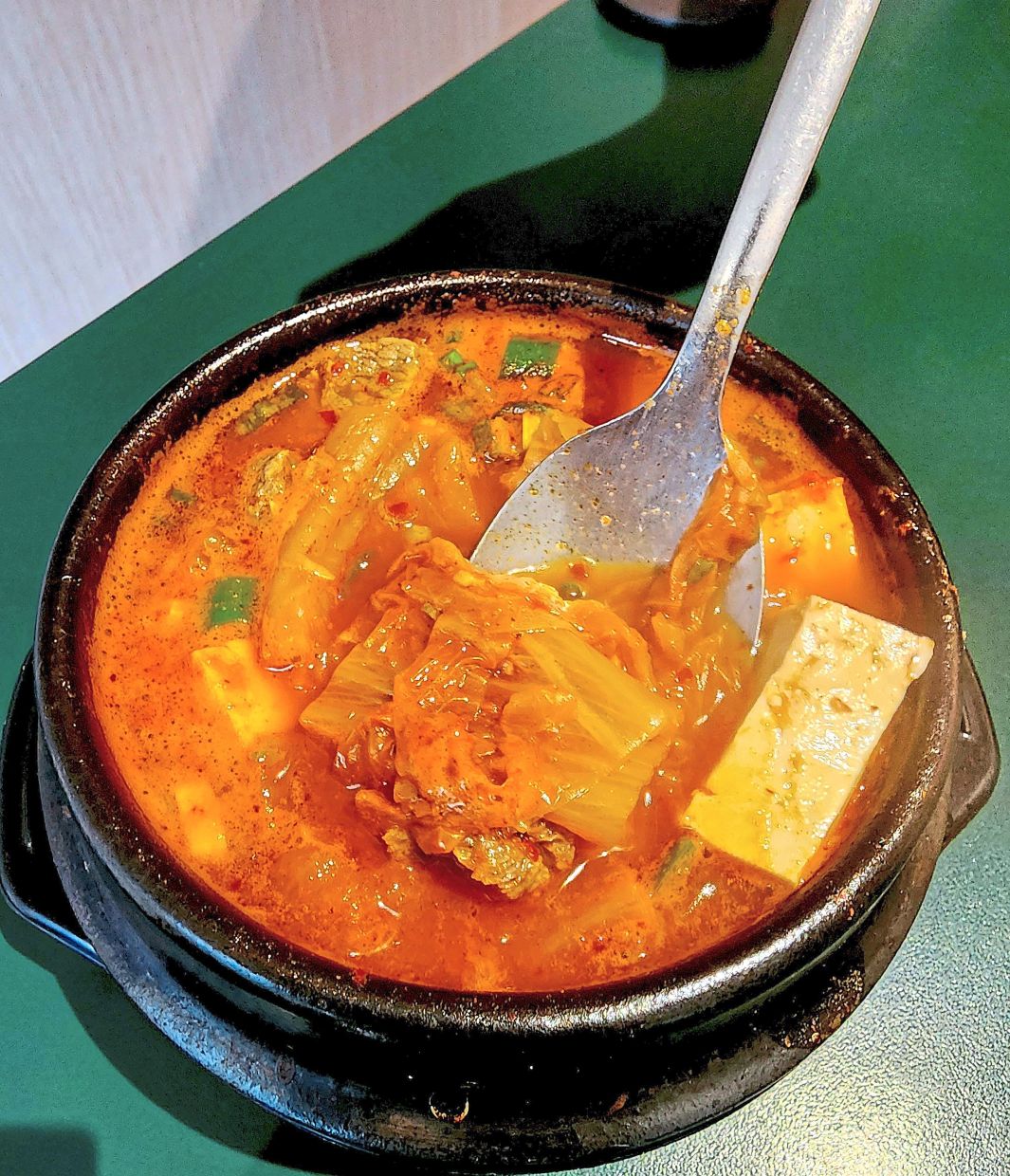
More traditional fare abounds in the form of the Kim Chi Ji Gae (RM35) which hosts kimchi, beef slices and soft tofu in a tangy, fermented stew that is nourishing and deeply comforting in the way that the best soul food often is.
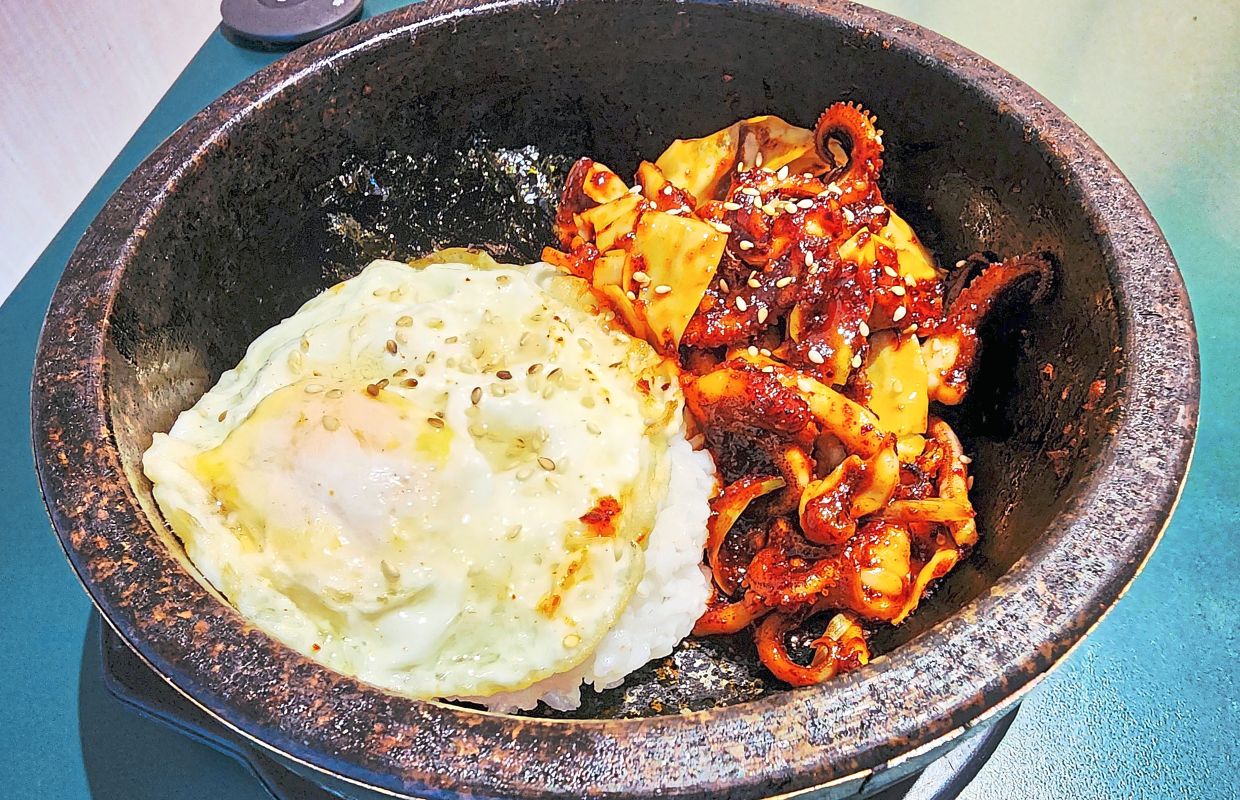
Then there is the O Jing Eo Deop Bap (RM42) or spicy stir-fried squid with rice.
The dish arrives piping hot in a stone bowl designed to preserve the heat.
Stir everything together and enjoy a delicious voyage that takes you through the pliant attributes of the squid, which then segues into spice-laden undertones and culminates in the rice absorbing all the punchy flavours of this amalgamation.
Moving forward, the sisters say they plan to continue running the restaurant as long as they are both physically able to.
“We thought of expanding somewhere else, but there’s just the two of us running the restaurant, so it’s not easy. So I think the restaurant will stay where it is and we will do small upgrades,” says Mi Suk.