
There it is, in Notting Hill, chargrilled and served with bagna cauda, chilli and breadcrumbs. In central London, it winks up at diners near Piccadilly Circus, as a side dish with chorizo and sesame. And there, in fast-casual lunches around the city, it’s a stalwart side with eggplant and a Sichuan peppercorn dressing.
The starlet in question? Hispi cabbage.
“It’s glamorous,” said Margot Henderson, the chef of Rochelle Canteen and a leader of modern British cooking. “It’s a bit of a supermodel, isn’t it?”
Hispi is sweet, cheap and able to withstand an enormous amount of heat. It has been available for decades, Henderson said. But in recent years, it has taken British restaurants by storm – a development that might once have seemed unthinkable.
“Cabbage has got a bit of a bad rep,” said Rob Howell, the chef at Root, a seasonal restaurant in the tiny southwestern English city of Wells. “Your mum or your nan would cook it for the Sunday roast, and they’d boil it for three hours and it would stink the house out.”
The argument for Hispi, said Howell, who has served a Caesar riff on the crucifer, is that it tastes just “a little bit less cabbage-y.” Chefs also love its unusually craggy leaves, which allow flavours to collect in the deep folds.
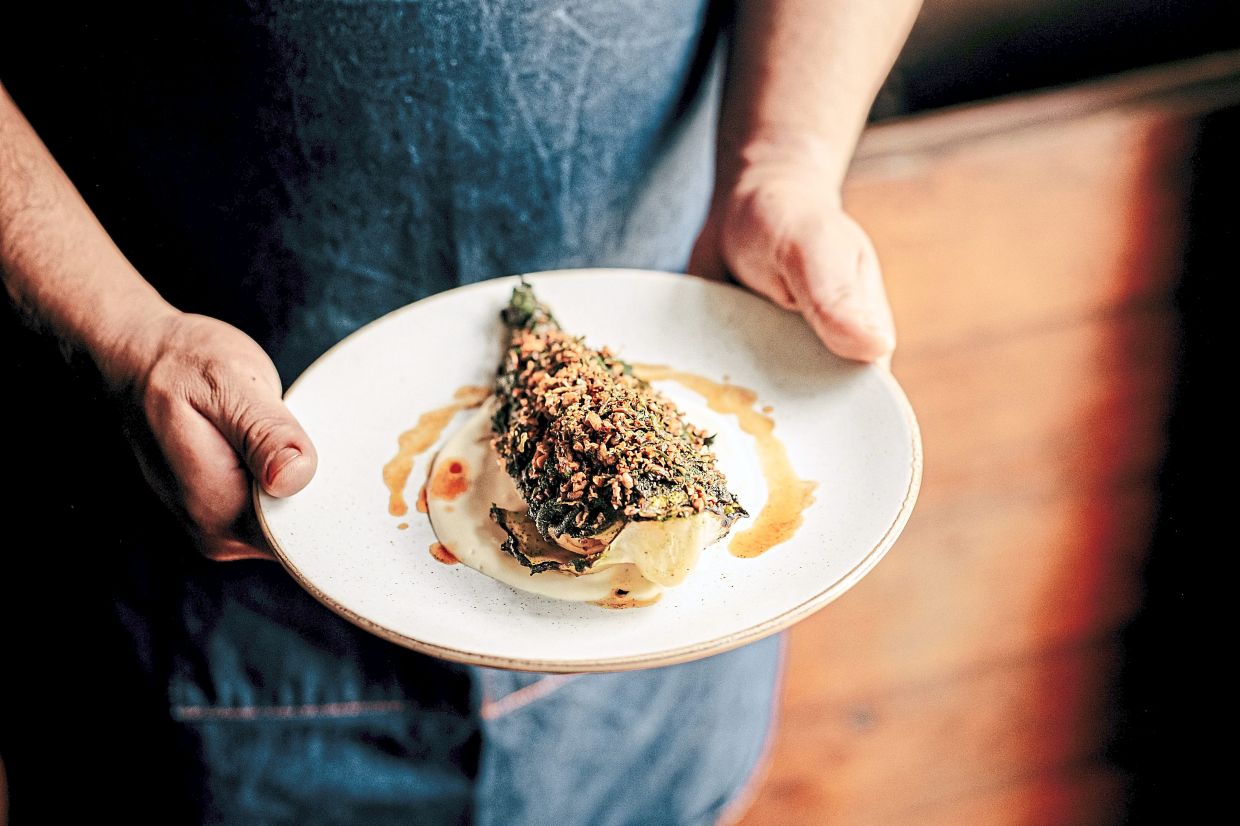
This conical showstopper is, of course, not the only cabbage that has recently shaken the dust off its boiled-to-a-pulp reputation. But it is especially sweet, versatile and, perhaps most important, available for much of the year at a consistent price.
Hispi offers British chefs, anxious about potential economic downturns and supply chain fluctuations, an affordable and exciting way to tariff-proof their menus.
“If you know the price can change at any moment, it’s probably not going to be on your menu as a signature dish,” said Theo Hill, the head chef at Gold, in Notting Hill.
Hispi “pretty much stays across the board the same price most of the year round,” Hill said. Its rise, he added, comes as a wave of chefs are zhuzhing up once-overlooked ingredients such as secondary cuts of meat or fish for stock that once may have seemed too basic to serve diners.
In Britain, Hispi often outshines its cruciferous competitors. In the past year, Sysco, a wholesale restaurant distributor, said it had seen a 2.5% growth in Hispi’s British sales. (While the cabbage is sold in many British grocery stores, it is much less available in the United States, where it is more often called “sweetheart”, “pointed” or “conehead” cabbage and usually grown by independent farmers.)
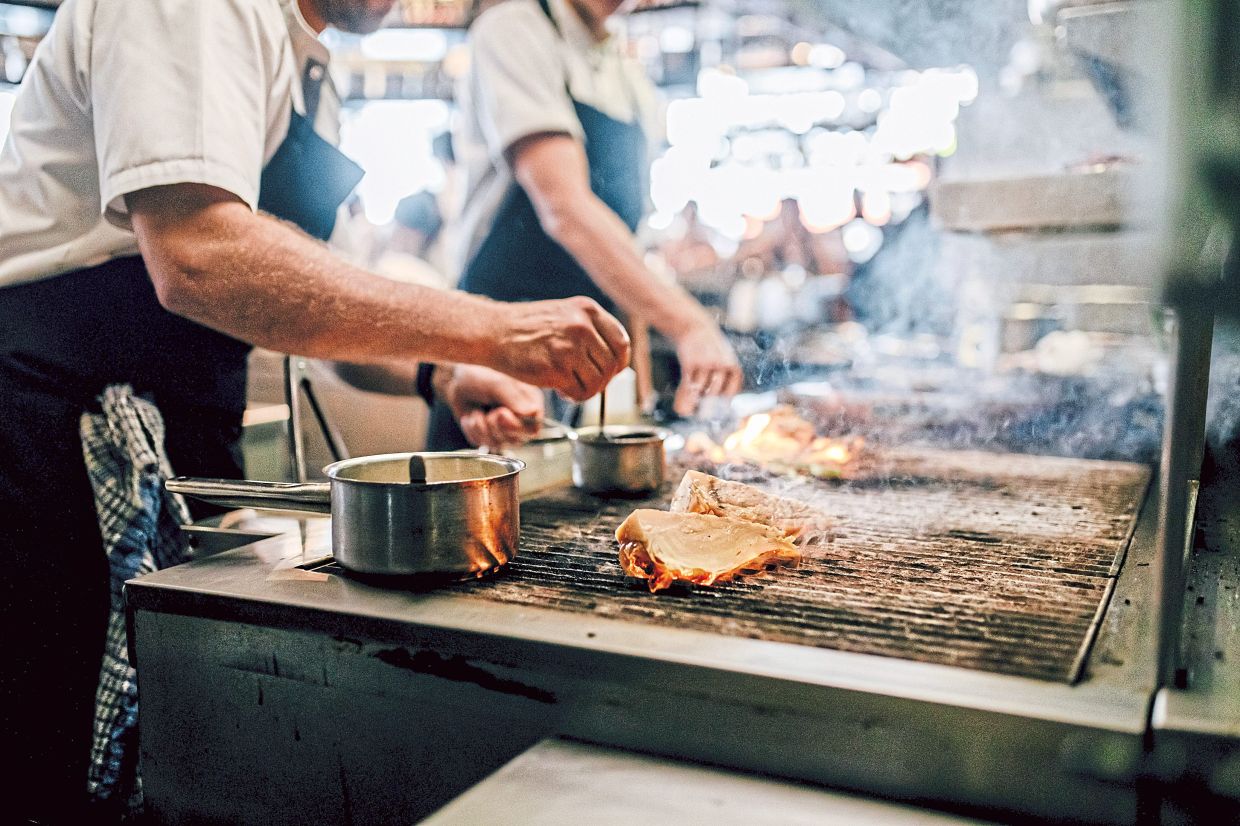
The hybrid cabbage now has a cachet similar to that of Sungold tomatoes, those tart, taut baubles that dot hip American menus. And Hispi is, perhaps, the British successor to the produce craze that brought Americans the whole-roasted cauliflowers and the mountains of Tuscan kale that characterised Obama-era restaurant cooking.
“Across the past decade, charred Hispi cabbage has become practically a required part of every side-dish menu,” wrote Jay Rayner, the restaurant critic for The Financial Times, in his cookbook Nights Out At Home, published last year.
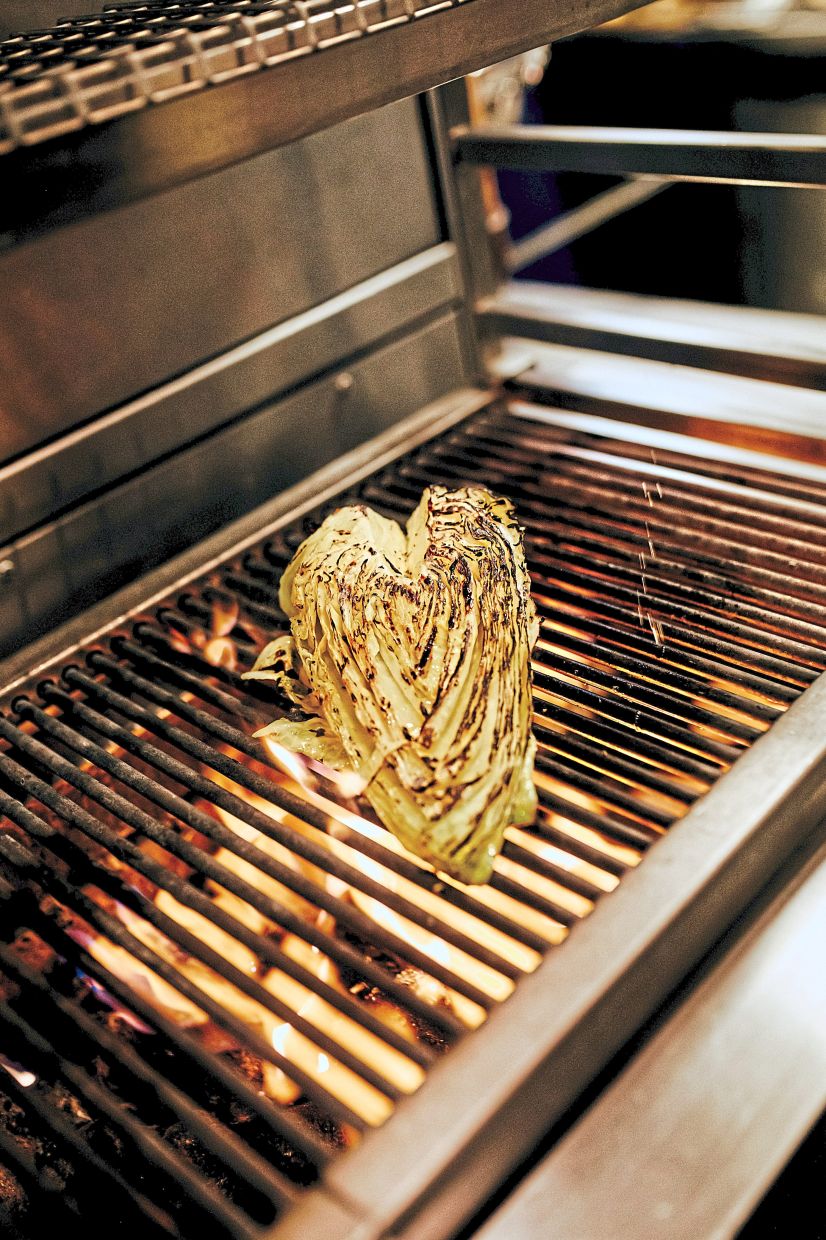
Much of its appeal may come down to its thick, widely spaced outer leaves. They form something like a protective armour around its sweet, compact heart, which allows Hispi to be cooked high and hard, charring the outside and steaming the inside.
That gives chefs some wiggle room with the timing, and many said it makes Hispi more forgiving than the rounder Savoy or the more delicate white cabbage.
“If you forget it, it’s not the end of the world,” said Patrick Williams, the head chef at the South African restaurant Kudu, where he said about half of the tables order a Hispi dish.
The gaps between Hispi’s leaves also allow it to hold spice (and complexity) unusually well. “Especially when you cook it slowly and you can pull it apart, it kind of gives you all these crevices and pockets to add a sauce,” said Neil Campbell, the executive chef at the Ottolenghi Group.
That makes Hispi a good vehicle for almost any cuisine in London, from British pubs serving Sunday roasts, to meal-prep services dishing up fusion lunches, to restaurants serving food from across South Asia.
Hoppers, a Sri Lankan and South Indian stalwart with several locations across London, barbecues Hispi with kiri hodi, a coconut milk curry, as a vegetarian answer to a similar mussel dish.
“We have to embrace local ingredients, local techniques,” said Karan Gokani, a founder and the creative director of Hoppers, noting that while cabbage is a major part of Sri Lankan cooking, he cannot get fresh Sri Lankan produce in London.
“It’s just common sense to get something local,” he added.
And Hispi is available more often than cabbages with shorter seasons, so it can reliably form the backbone of a star dish.
Round cabbages can look “somewhat shorn” without their outer leaves, said Robert Barker, a director of Farm Direct, which delivers local food products to London households. Hispis are “much easier to shed a layer and carry on selling, looking as good as new,” he added.
Barker said sales had skyrocketed from 2022, when Hispi accounted for about 25% of Farm Direct’s cabbage sales, to 2025, when Hispi made up about 65% of sales. In that same time, sales of round cabbages dropped from 75% to 35%.
In an age when tariffs can shake even the most generous of margins, chefs are especially drawn to any ingredient that they can reliably buy low and sell high.
Cabbage is cheap. And Hispi is, perhaps, the most interesting cabbage of the bunch.
It’s an “ultimate vessel for flavour,” said Will Murray, a chef and founder of the London restaurant Fallow. “We will always have a cabbage on the menu.” – ©2025 The New York Times