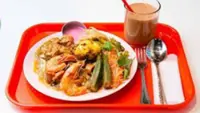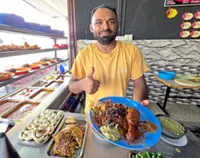
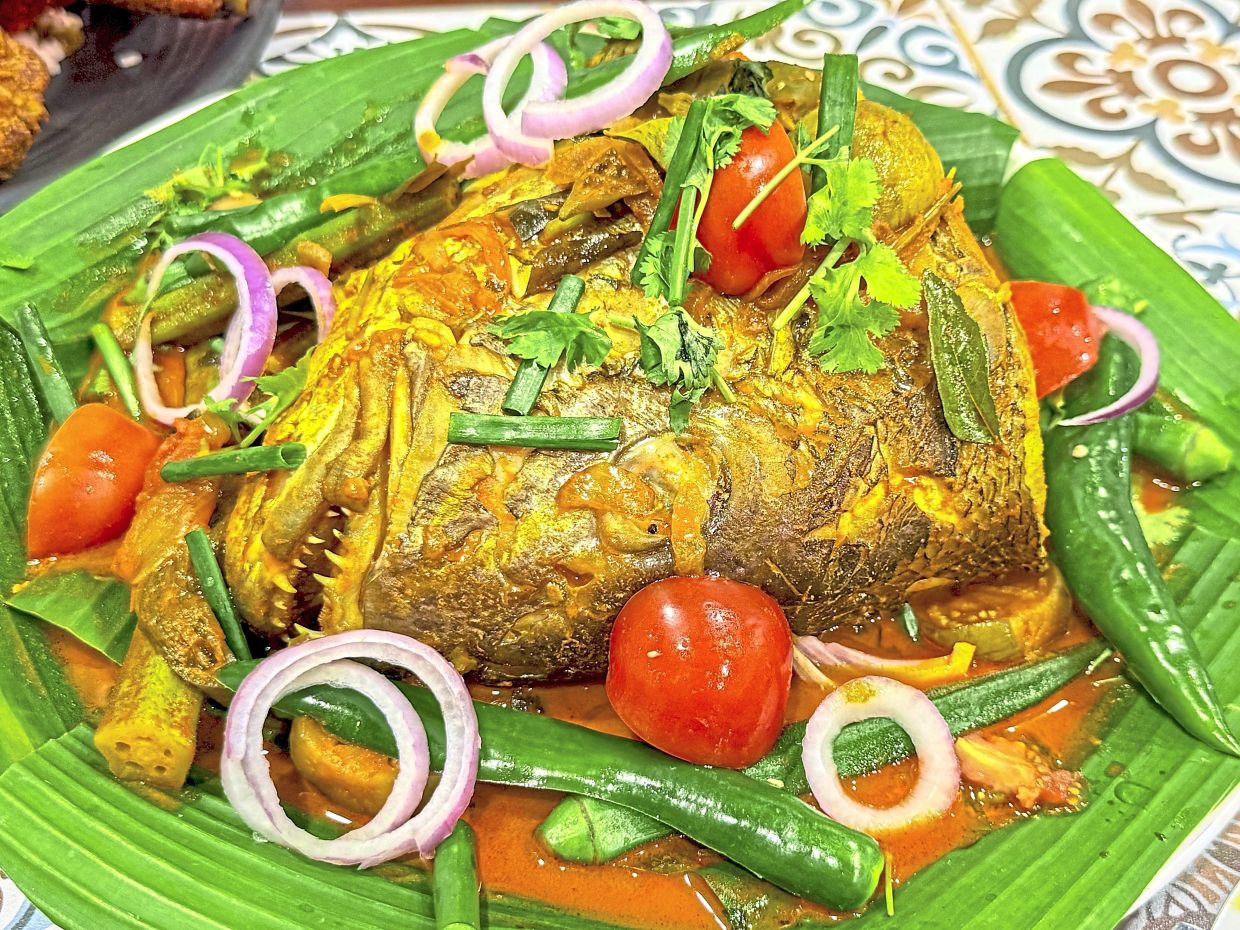
The full-bodied fish head curry strikes a chord during Main Street Cafe’s sumptuous Sunday buffet lunch.
Despite being spoilt for choice by the varied selection, this crowd favourite combination of fresh ikan jenahak and farm-to-table locally harvested vegetables simmered slowly in rich spice-laden and coconut-infused curry brings to mind items related to Dawood Restaurant purchased at Penang’s Lorong Kulit flea market just hours earlier.
According to Main Street Cafe’s executive Chef Shuhaimi Ahmad, these timeless Malaysian favourites could very well have been part of entrepreneurial Tamil-Muslim restaurateur-chef MM Shaik Dawood’s extensive menu selection after establishing his namesake dining outlet in George Town’s bustling Queen Street in 1947.
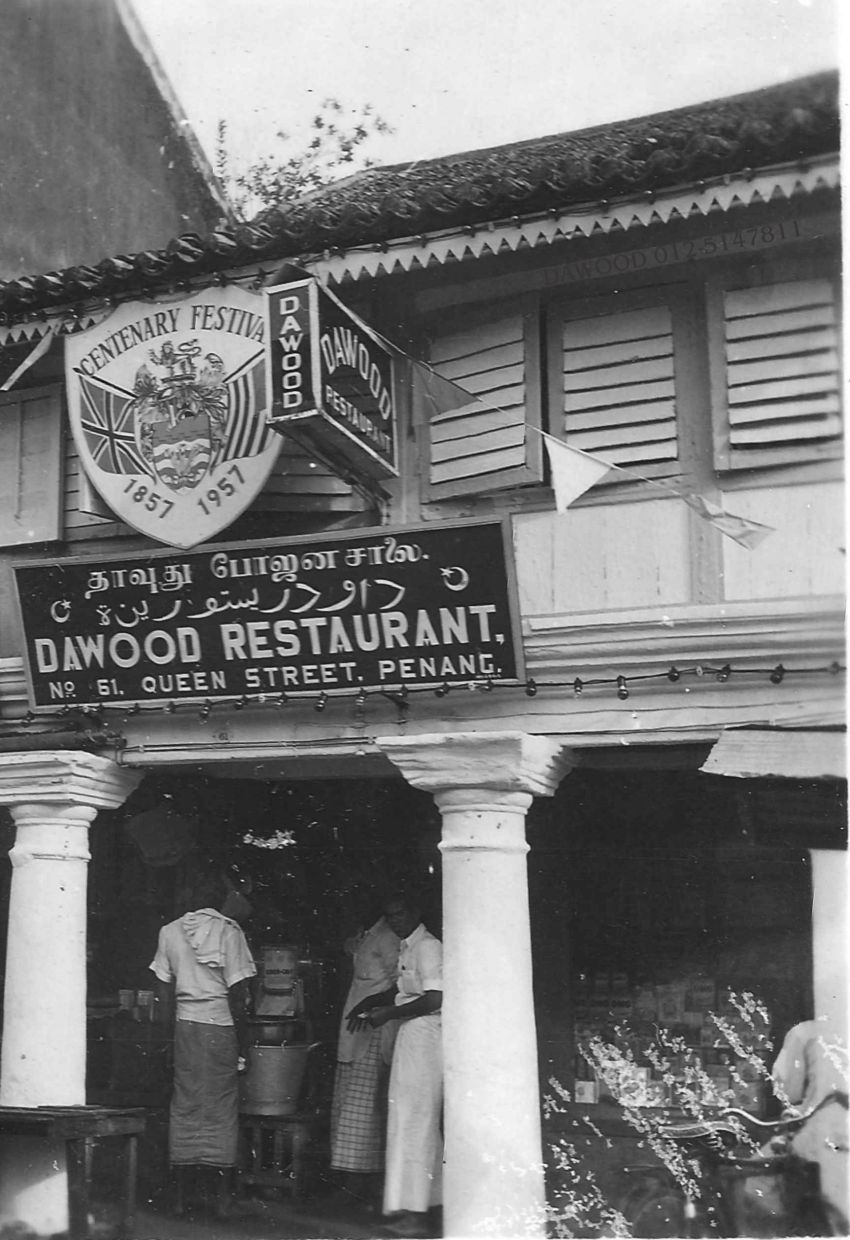
Although considered relatively late to the Penang nasi kandar scene, with many having already secured footholds by the early 20th century, Dawood Restaurant benefitted greatly from the chaotic post-World War II rebuilding period by serving tasty and affordable fare to the masses.
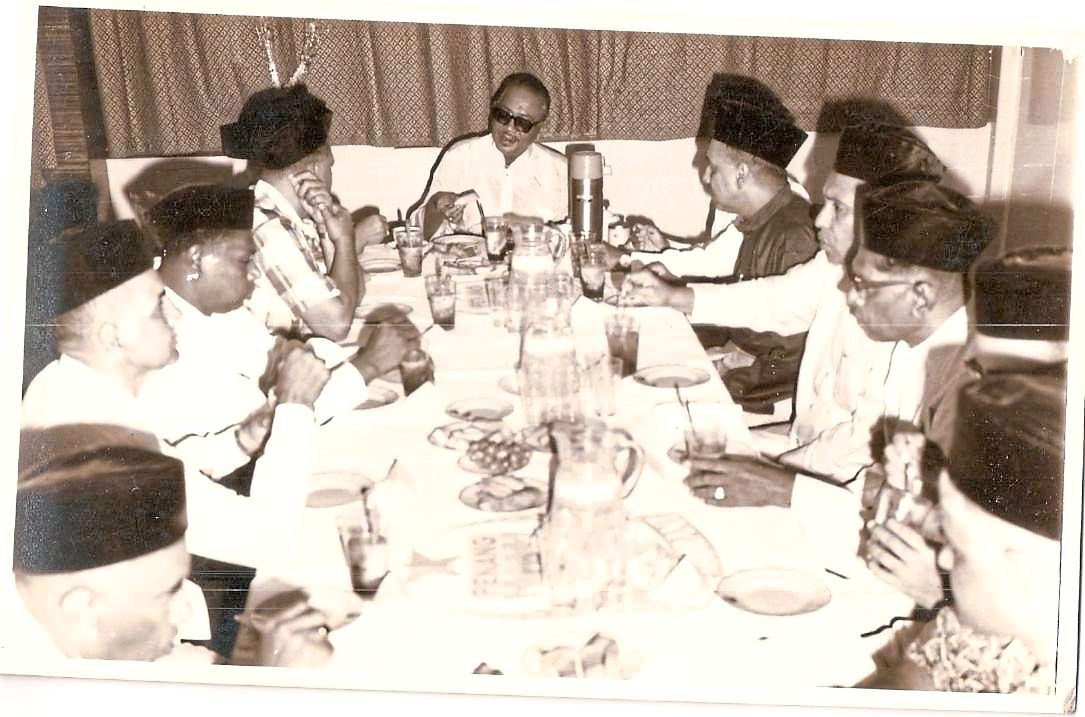
Within a few short years, it became a popular venue for hosting wedding receptions as well as social gatherings to commemorate historic events like the Penang Centenary Festival and Merdeka.
Unique offerings
Sale receipts from the 1950s provide a vivid insight into the dishes enjoyed by ordinary folk as well as prominent dignitaries like first Prime Minister Tunku Abdul Rahman.
While enduring staples like fish curry, mutton kurma and roast chicken together with nasi minyak, nasi biryani and nasi tomato can still be found in other Penang nasi kandar eateries today, Dawood Restaurant’s unique offerings of duck and dove samma together with goat’s head and innards have long disappeared from modern-day menus.
The receipt also provides a time capsule to prices of the past. A dish of mutton kurma in 1959 costs a mere 70 sen, while chicken curry is listed at 90 sen.
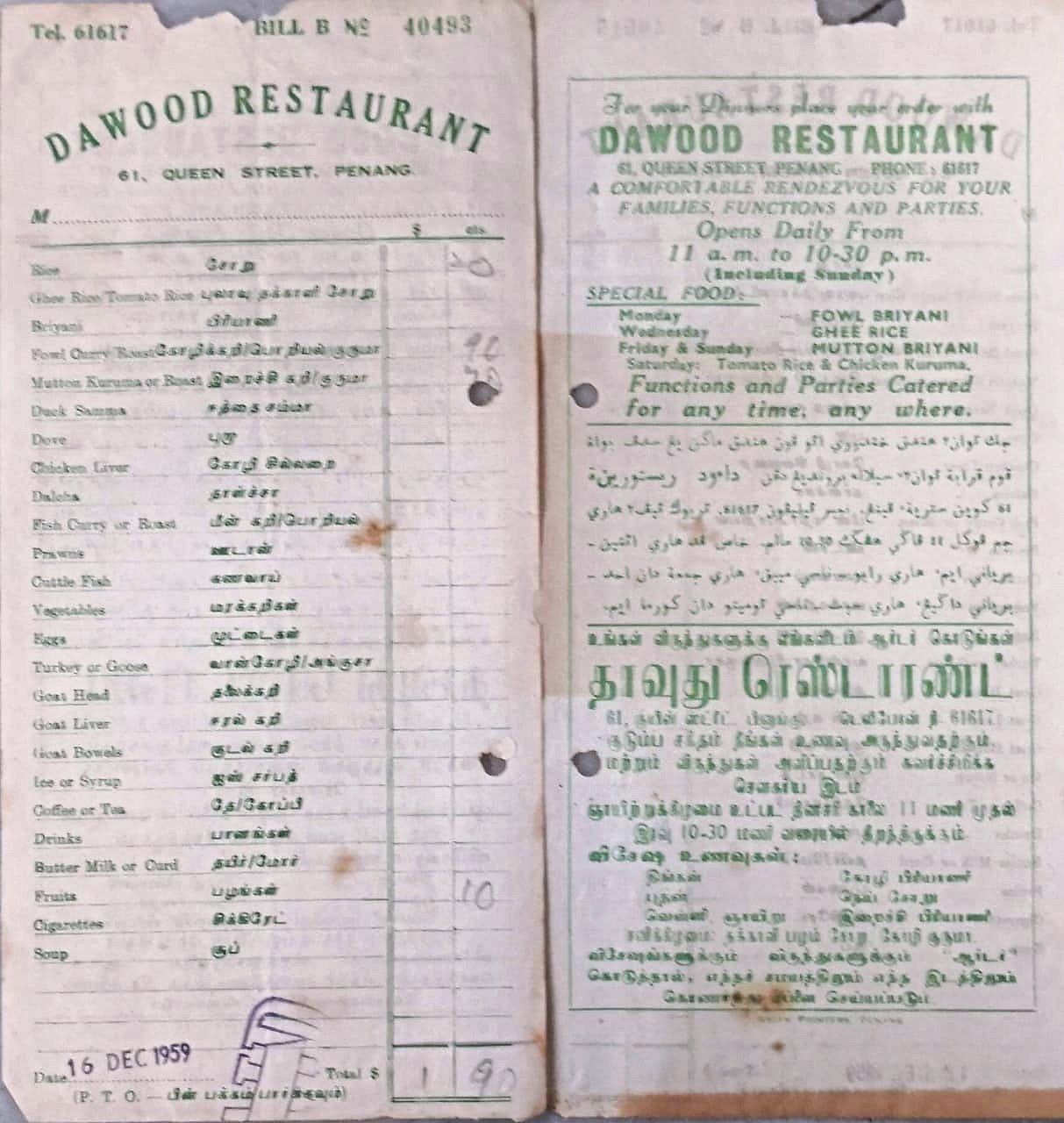
Despite having closed down permanently some two decades ago, Dawood Restaurant is still remembered by locals for its spiced fried chicken, creamy mutton kurma and aromatic chicken curry that were said to be the best in George Town at that time.
“These days, it is not easy to successfully replicate curry tastes similar to those served in the past. Gone are the freshly prepared granite mortar-and-pestle rolling pin ground chilli mixes sold at the Chowrastra and Hutton Lane markets by famed spice ladies who hailed from south India’s Tenkasi and Kadayanallur provinces,” Shuhaimi explains.
Oldest outlet
Just a stone’s throw away from Main Street Cafe’s Upper Penang Road venue, the consistency of yesteryear spice mix flavours has stood Hameediyah Restaurant in good stead for more than a century.
This popular dining outlet’s phenomenal transformation from a humble roadside stall to Penang’s oldest and best-known nasi kandar outlet can be traced all the way back to the early 20th century when spice trader M. Mohamed Thamby Rawther left India with his three sons – Seeni Packeer, Packeer Mohamed and Abdul Ghaney – to seek greener pastures in Penang.
Starting off by selling Indian spices from a Campbell Street shop house, the quartet drew strength from their diligence and honesty to expand into the culinary business.
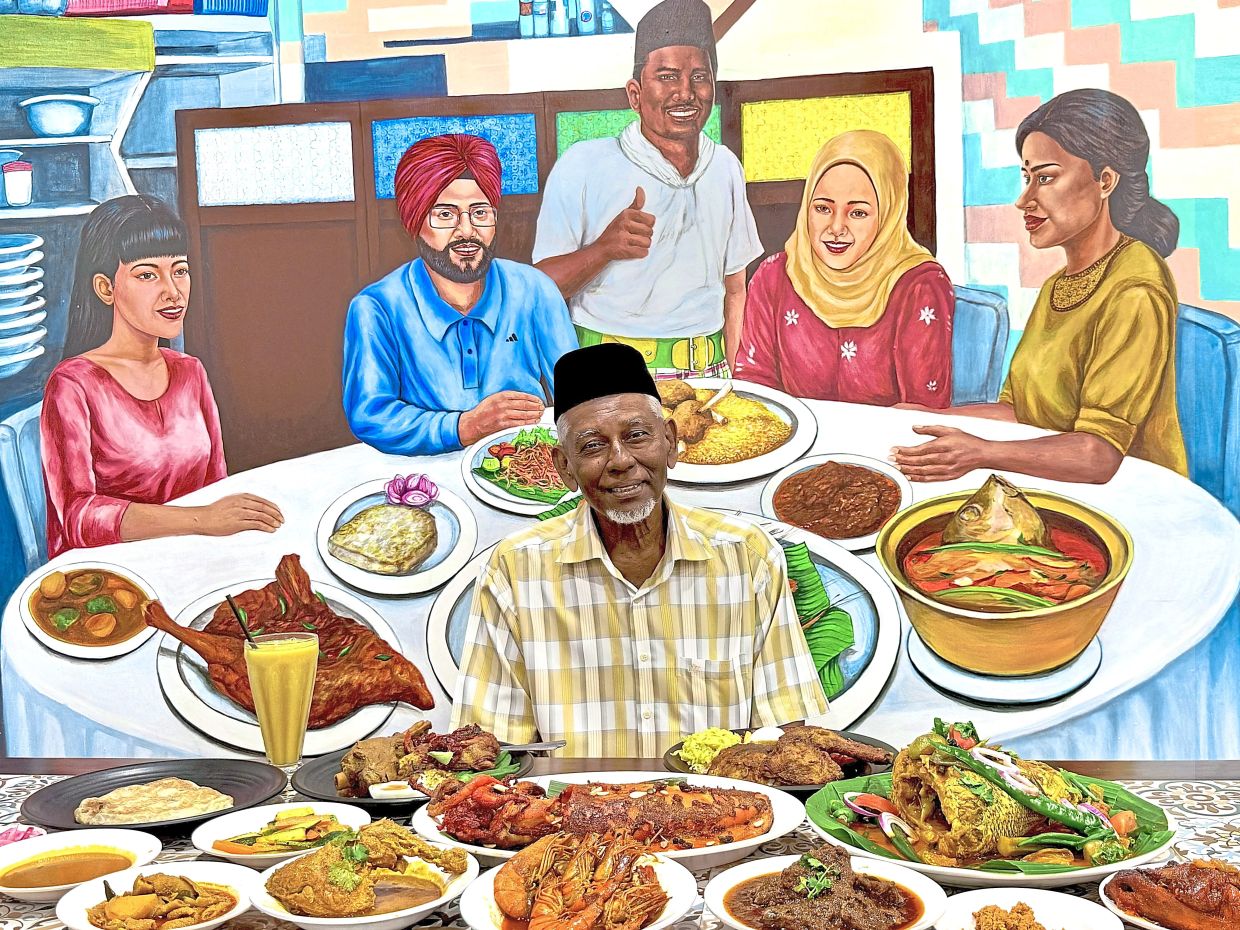
“Although Mohamed Thamby was not a trained chef, he was smart enough to combine his personal knowledge of spices, acquired after years of observing his family members in the kitchen, with local Penang palate preferences to come up with a widely accepted masala recipe that still serves as a base for all Hameediyah Restaurant curry dishes today,” details sixth-generation owner Ahamed Seeni Pakir.
With the colonial authorities discouraging food sale within shop premises for fear of disease spread and contamination, Mohamed Thamby prepared the dishes at the back of his spice shop before transporting the curries and other pairing dishes in baskets balanced with a pole on his shoulder to a shady spot just across the road.
Over time, food sold in that manner became closely associated in name with this transportation method, which is still described today as ‘kandar’ in the Malay language.
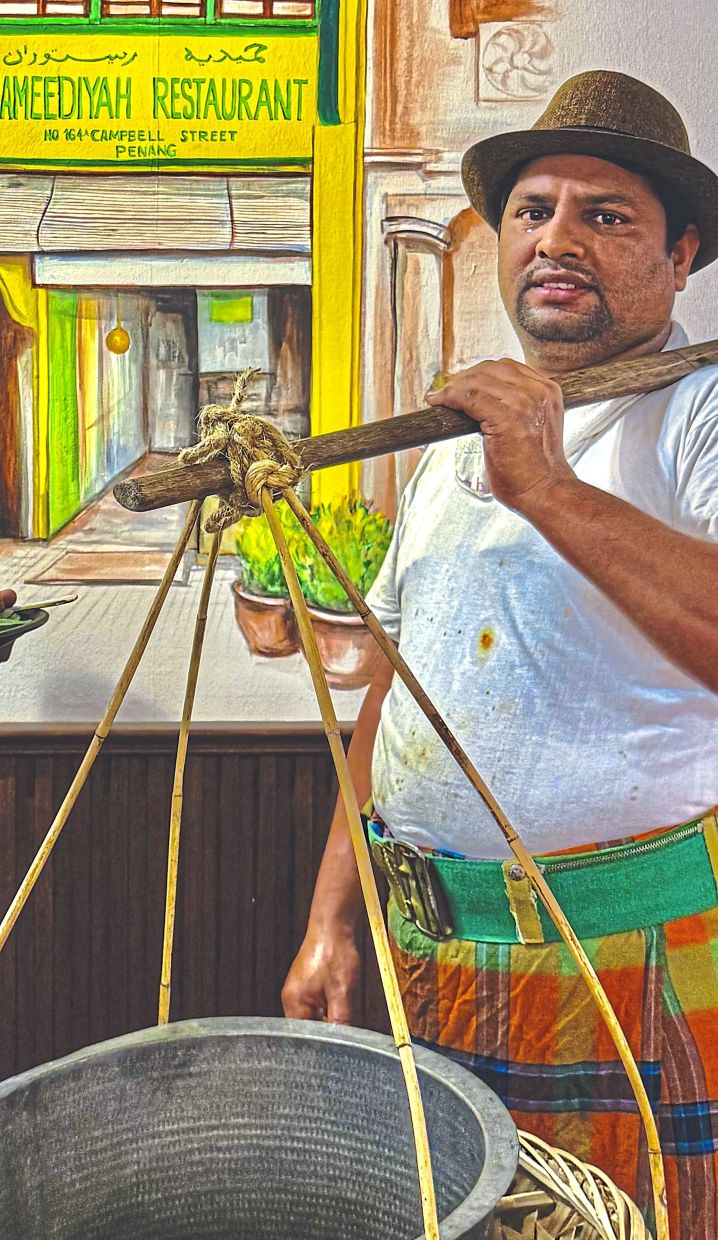
“The men cooked rice with portable charcoal stoves and served mouth-watering curries, kurmas, chicken and beef dishes together with an assortment of brinjal, okra and bitter gourd.
"Business was slow at first, as people then were unfamiliar with the novel nasi kandar concept,” Ahamed explains while drawing contrast to Hameediyah Restaurant’s bustling atmosphere today.
Love at first bite
Things only started picking up when a curious few stepped forward, as the food was initially targeted at dock workers looking for cheap, satiating meals. It was love at first bite and customers flocked to the stall as news about the tasty servings spread like wildfire.
“Even the onset of World War II failed to dampen demand, as the dishes, especially beef curry, proved to be a hit among the Japanese soldiers,” Ahamed clarifies while gesturing towards vintage memorabilia displays nearby that showcase Hameediyah Restaurant’s rich heritage.
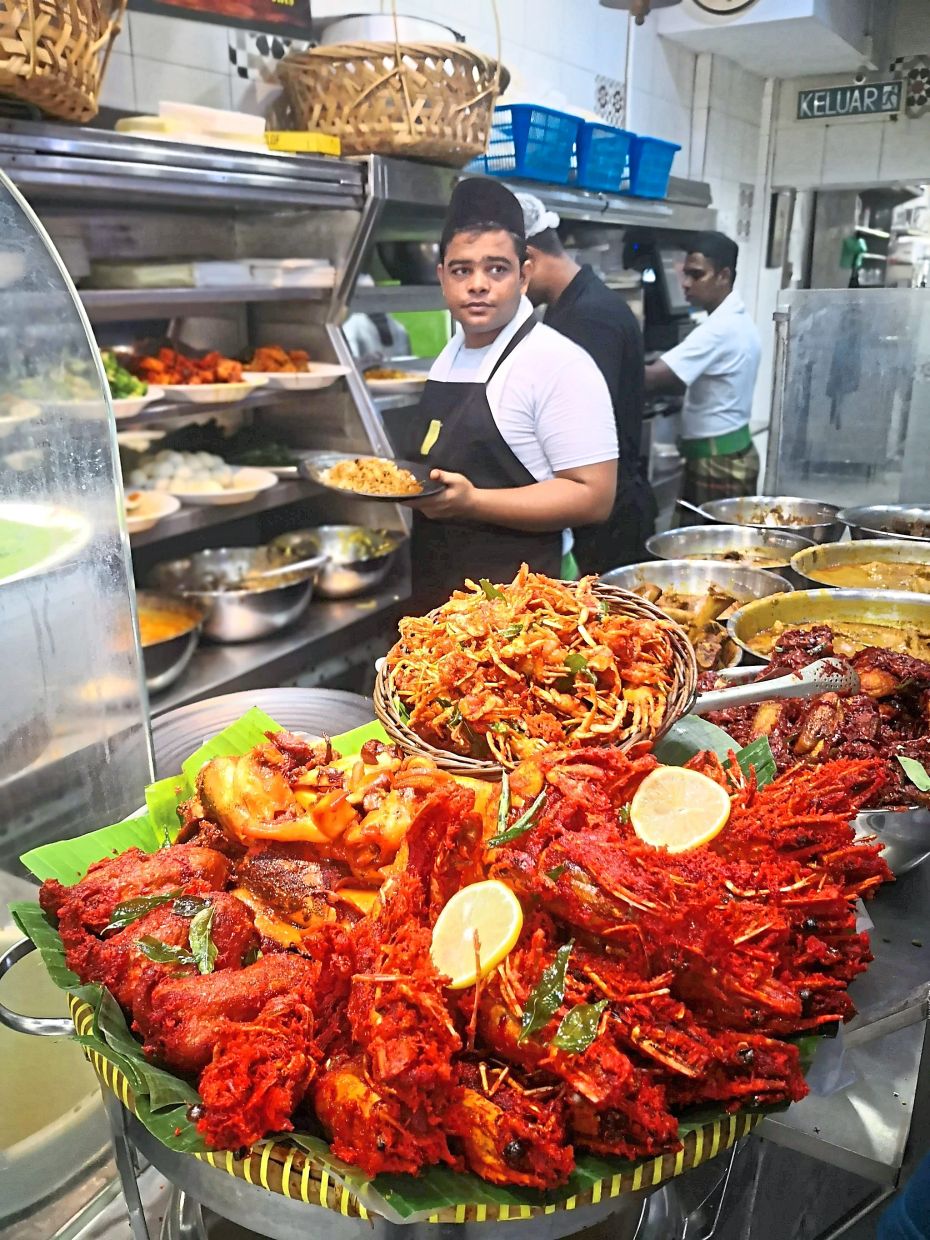
Mohamed Thamby’s sons opened the first Hameediyah Restaurant at Penang’s 164 Campbell Street after the British relaxed post-war regulations in a bid to spur the weak economy.
Until this very day, this flagship location is renowned for its signature curries, kurmas, kapitan, murtabak, nasi briyani, rendang and mee goreng.
Being Penang’s oldest nasi kandar restaurant also meant that Hameediyah Restaurant was part of the festivities when Malaysia gained its independence.
The Penang icon marked National Day in 1957 by providing free food to patrons who turned up to celebrate our nation’s independence. The response was so good that people spilled onto the street, adding to the already festive atmosphere.
While the progression from a makeshift roadside stall to a permanent shop marked the death knell for the tradition of carrying rice and side dishes in wooden baskets on the shoulders, it also served as a blessing in disguise by preparing nasi kandar sellers in general for stiff competition in the later years when international fast food franchises began arriving in Malaysia.
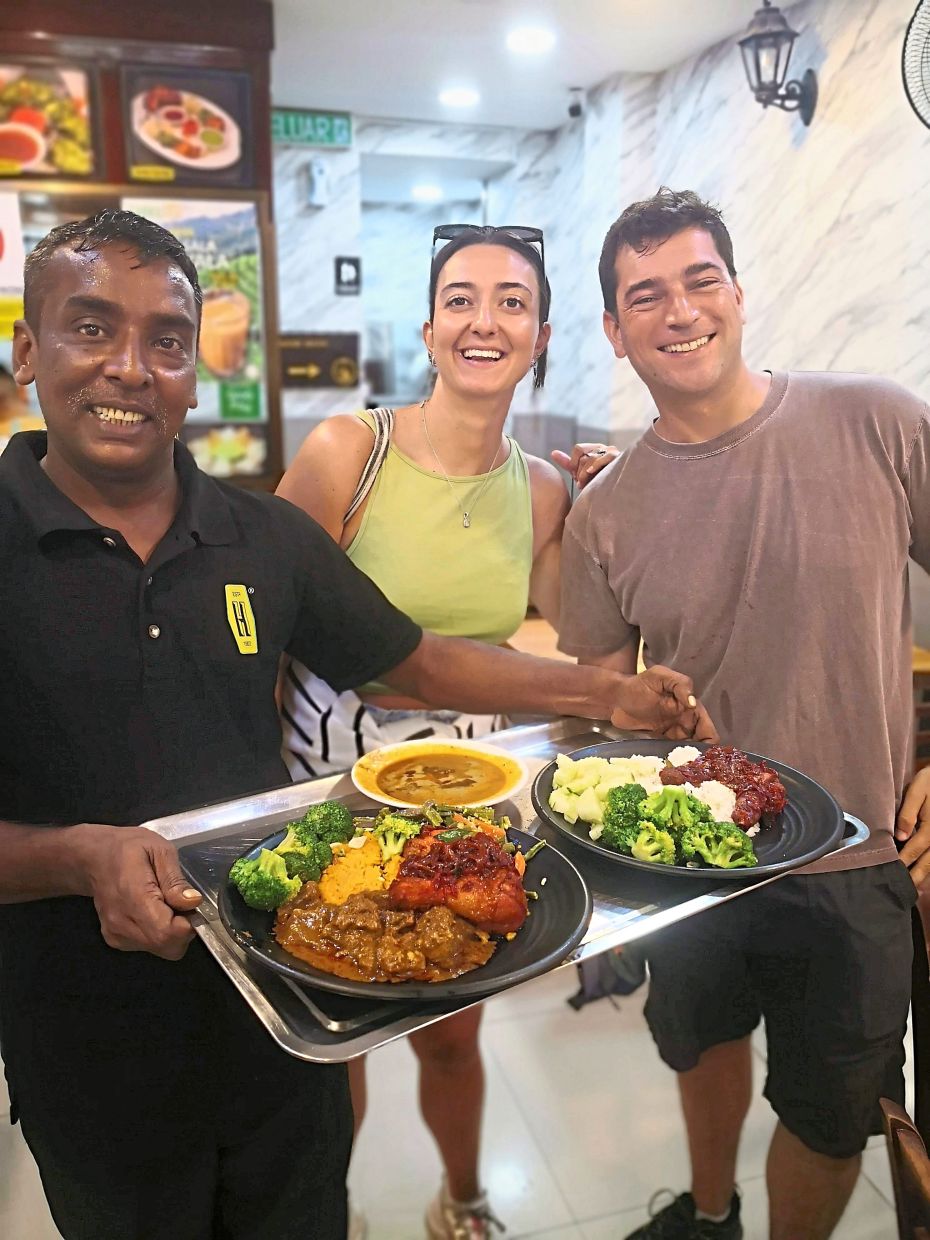
In fact, nasi kandar is widely accepted as the forerunner of modern-day fast food outlets which draw success from the short wait time between order placement and consumption.
With pairing dishes at the ready, all customers have to do is to line up, select the food before finding a place to sit and eat. This desirable attribute is especially important to workers who face time constraints during lunch breaks.
Northern development
A little further north, nationhood also sparked renewed vigour in Abdul Muthalif Mastan Rawther to re-establish his fledgling food business in Alor Setar that was abandoned after the Japanese arrived in December 1941.
It all began after Abdul Muthalif arrived from South India just before the onset of World War II. Plying the streets kandar style, he served popular side dishes like mutton kurma and tripe curry not only with rice but also with capati, a type of unleavened flatbread that was a staple back in Abdul Muthalif’s home country.
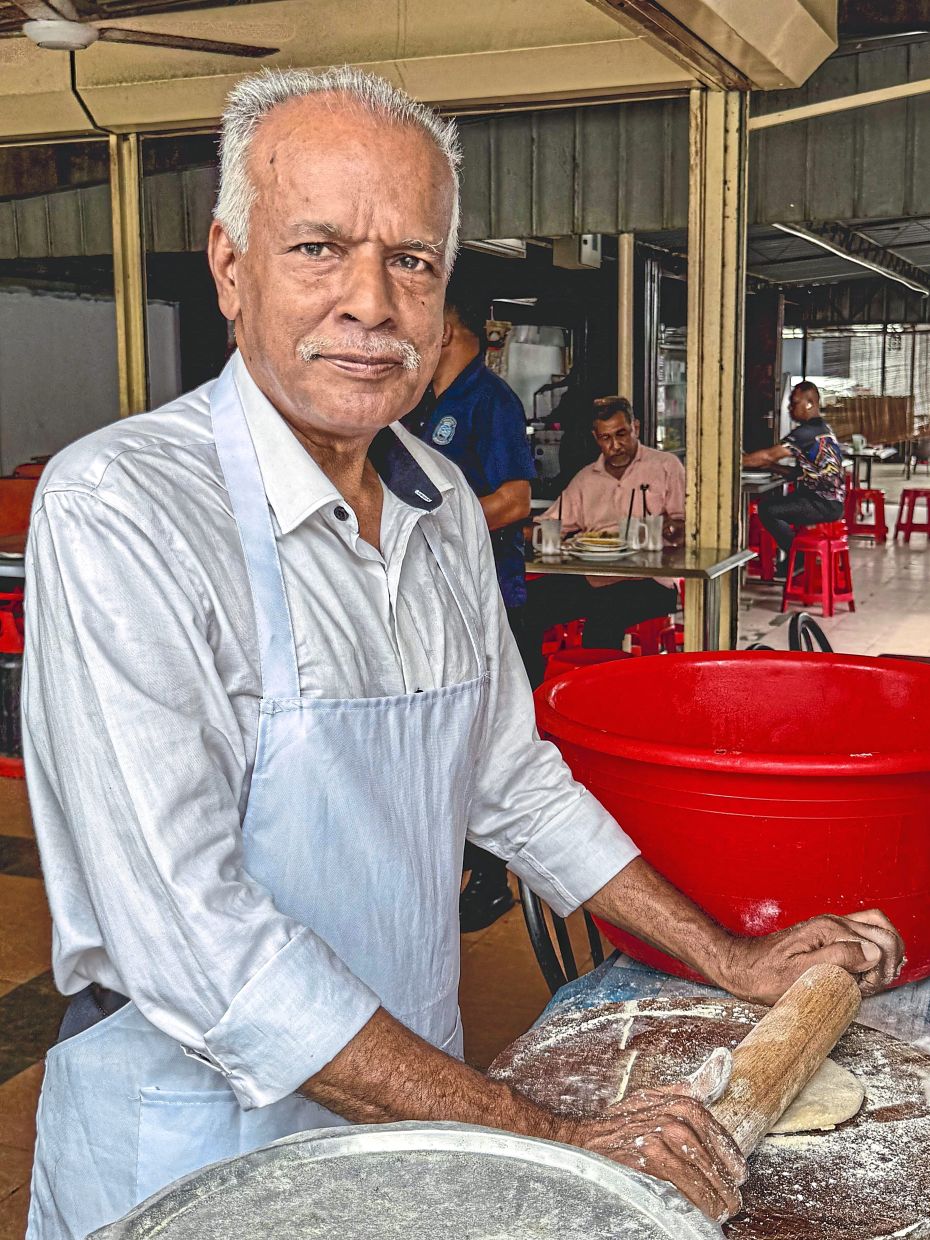
Seeking refuge back in India during the war years, Abdul Muthalif only returned to Kedah once hostilities ended in 1945. Still badly traumatised, he steered clear of Alor Setar and opened a coffee shop in a nearby smaller town. Following our nation’s progress towards nationhood with much interest, Abdul Muthalif returned to Alor Setar once the date was set for Malaya to achieve self-rule.
Putting his food peddling days behind, Abdul Muthalif set up a permanent shop at Jalan Nagore on August 31, 1957, which means the eatery is the exact same age as independent Malaysia. Located right next to the Indian Muslim mosque that shares the same name as the road, the place enjoyed a steady stream of customers seeking services at the nearby General Post Office and the Telecoms building.
A permanent home
Getting wind of Abdul Muthalif’s return, former customers turned up at his shop by the droves. Operating from 10am until late into the night, the enterprising man began offering a more varied list of dishes, which included dhal gravy and mixed vegetables as well as mutton, beef and chicken curry.
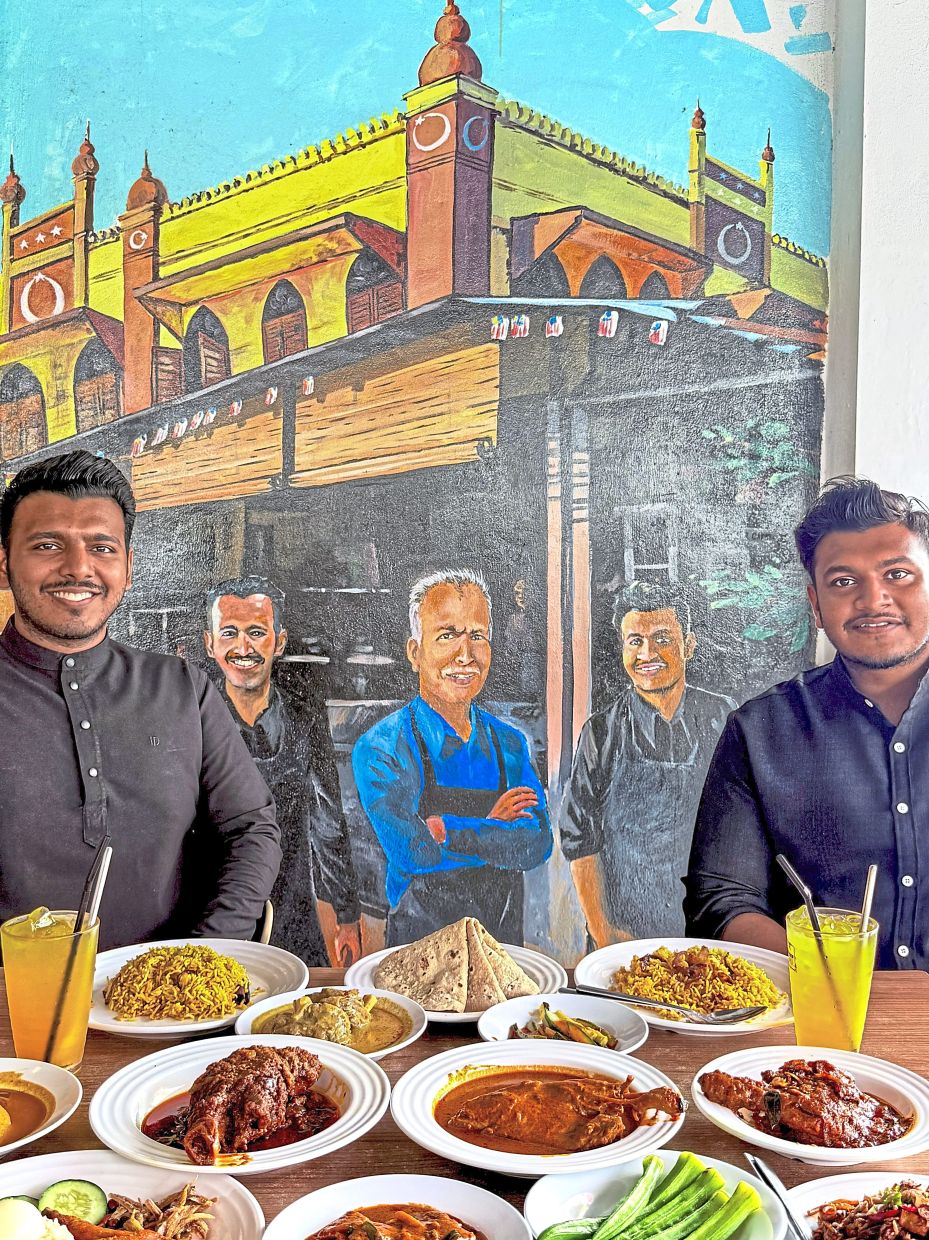
In 1960, the industrious bachelor became godfather to Manzur Zainul Abidin, who was born to close relatives Zainul Abidin Kader Rawther and Aisyah Beevi, who lived in Sungai Petani. Falling into bad times a decade later, the family left Manzur under the care of Abdul Muthalif in Alor Setar. Striking a fine balance between studies and work, Manzur won Abdul Muthalif’s trust with his diligence, honesty and courteous attitude.
Several years later, Abdul Muthalif felt that time was ripe for him to retire and hand control of the shop to Manzur. Renaming the business Manzur Capati to reflect the ownership change, his long list of priorities included uncompromising food quality and recurring customer satisfaction.
Today, just like the family-managed Hameediyah Restaurant that has expanded beyond George Town, Manzur looks to the future with the help of his two sons, Muhd Aqram Zaki Manzur and Mohammad Ershad Syafiq Manzur.
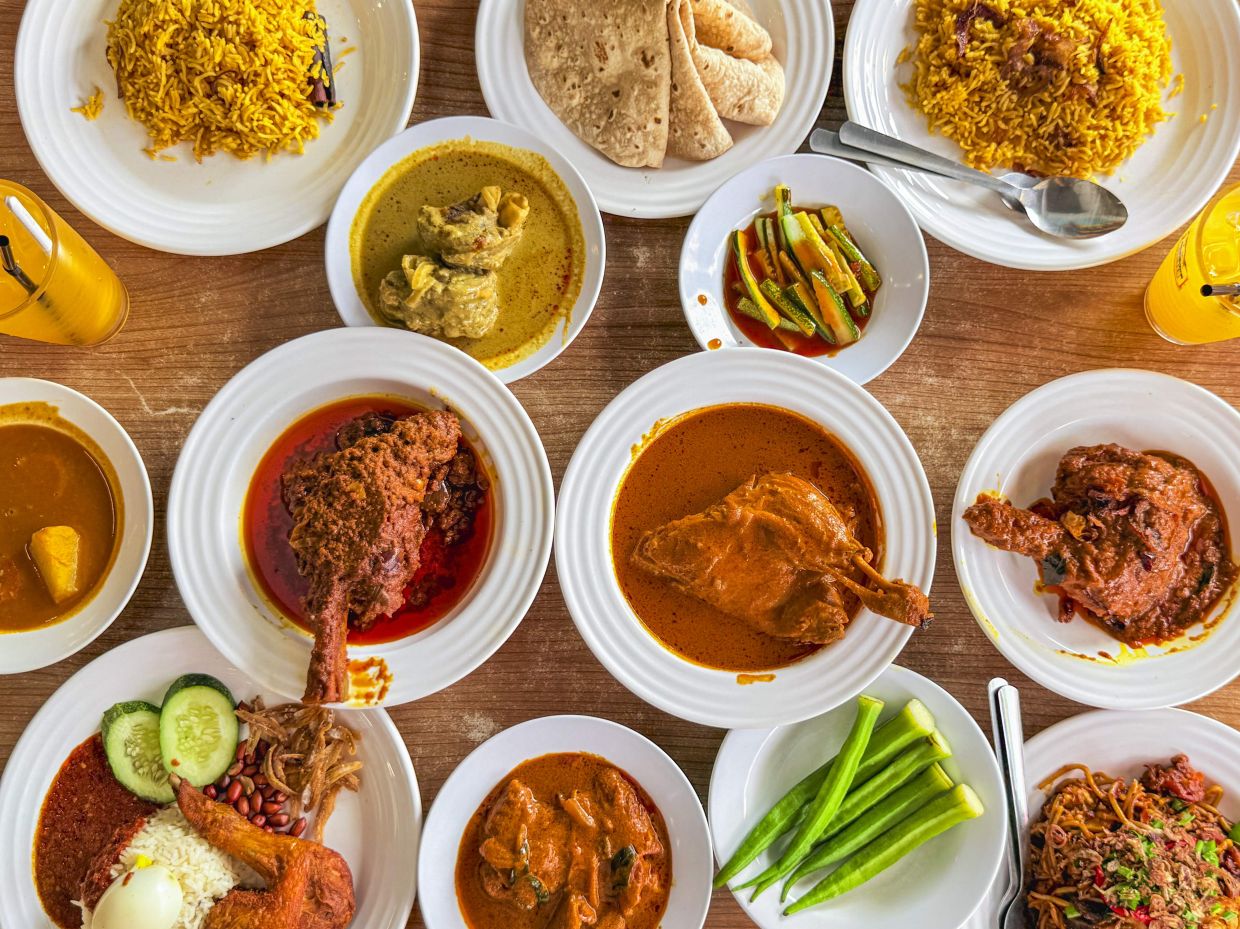
“Apart from opening earlier and providing breakfast options here, both our outlets in Alor Setar remain true to past recipes. The chicken-based dishes here are the most popular and with six different versions available our customers are certainly spoilt for choice.
“The crowd favourite is gulai ayam kampung, which is slow-cooked in a delightful mix of aromatic spices and curry powder, as well as daging hitam (local beef cooked in dark sauce),” explains Mohammad Ershad Syafiq when met at the new Manzur Cafe outlet at Alor Setar’s bustling Kompleks Perniagaan Sultan Abdul Hamid.
“We make Thursdays extra special by serving turkey and goose curry dishes, as the next day is the weekend for Kedahans and also our rest day,” declares Muhd Aqram Zaki while adding that prices may have increased since Abdul Muthalif’s time due to inflation, but food quality and consistency have remained the same since Merdeka.
In general, the wide variety of pairing dishes and reasonably priced alternative menu items have endeared nasi kandar in its modern form to Malaysians from all walks of life regardless of gender, profession, race or religion. Gone are the days when it was seen as a staple for those from the lower rungs of society. Today, it is a meal that truly transcends generations and upholds the powerful unifying spirit of Malaysia.