
Plenty of us say everything is better with coffee.
If you feel the same, you may depend on a coffee machine. But whether you go for a filter coffee machine, a fully automatic coffee machine or one with capsules, depends on your personal preferences and your budget.
But how to pick the best one? An overview of the options, thanks to Tüv Süd inspection association.
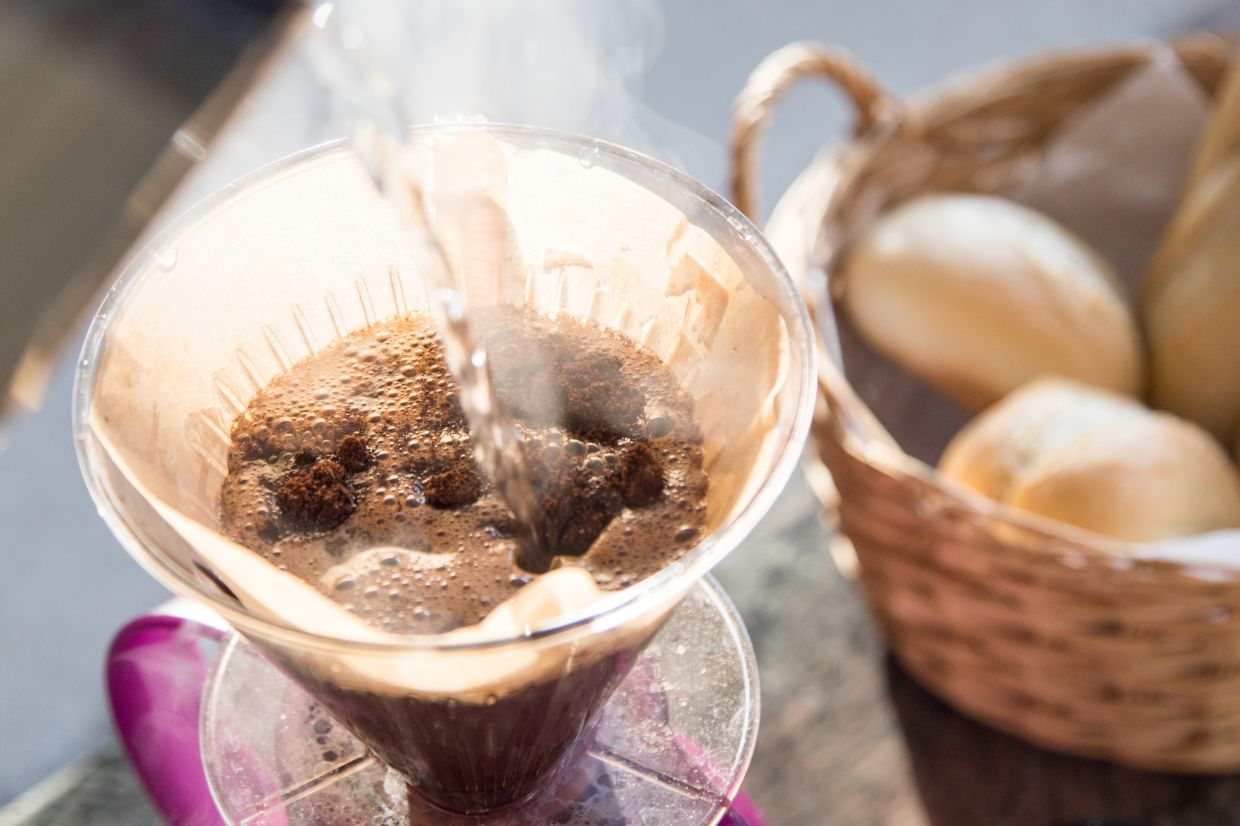
If you like to drink several cups of coffee in the morning, an inexpensive filter coffee machine is a good choice. All you need is a filter and ground coffee. They usually come with a thermal carafe that keeps large quantities of coffee warm without affecting the flavour.
However, if the coffee is prepared incorrectly or kept warm for a long time, it can develop a bitter or sour taste, say specialists. And a filter machine is less suitable for preparing more specialized types of coffee.
It is different with fully automatic coffee machines: they can be used to prepare cappuccinos espressos, latte macchiatos and more in different sizes and strengths, all at the touch of a button.
There are some downsides, however. Fully automatic machines are less suitable for larger households, as they can usually only prepare two cups at a time. They also take up a lot of space and are relatively expensive.
"In addition, fully automatic machines require a lot of cleaning, as they need to be cleaned and descaled on a regular basis," says Christian Kästl from the Tüv Süd. "If the machine ends up faulty, you'll most likely have to contact a professional to take care of it and get it fixed."
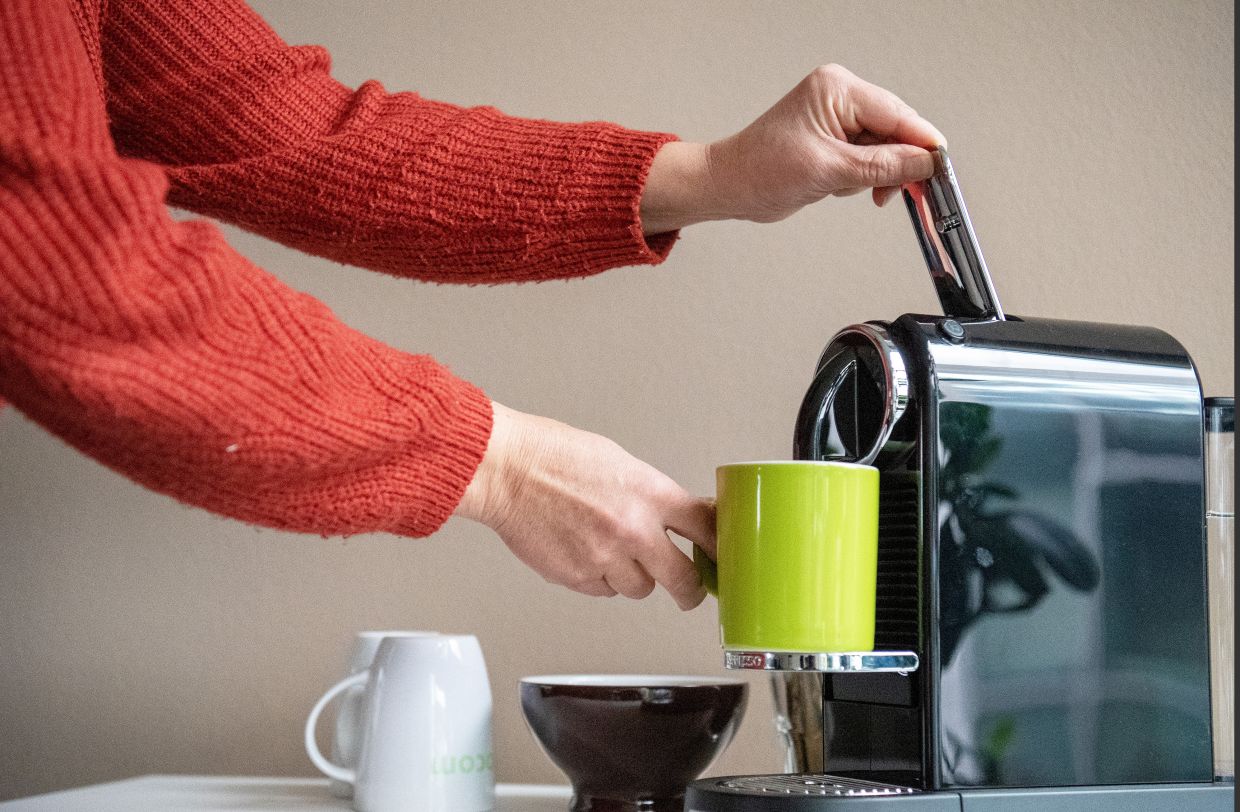
And what about capsule or pad machines? They're both comparatively inexpensive and are great for smaller households. Capsules are a particularly great option for those who don't drink coffee all the time, as the aroma is protected and the coffee stays fresh, even after being stored for a long time. There is also a wide range of different flavours and strength levels to choose from.
One minus when it comes to capsules, however, is their environmental impact: the ones made of aluminium or plastic in particular generate a lot of waste. There are alternatives that can be refilled and reused. Compared to beans or ground coffee, capsules or pads are more expensive and are not available everywhere, the Tüv Süd says.
According to the Tüv Süd, an espresso machine is something for "real coffee experts". With the necessary pressure of nine bars, the machines produce the perfect espresso. The brew temperature, the fineness of the ground coffee and the compression of the coffee can all be individually adjusted.
However, you'll have to dig deep if you want to purchase an espresso machine. If you're looking for an inexpensive and easy-to-use coffee maker, you won't find it with an espresso machine, the Tüv Süd says.
If you're on the lookout for a new model, you should research its power consumption, Tüv Süd says. They also advise choosing a machine that has an automatic switch-off function.
A machine's brew temperature is also important when it comes how the coffee tastes: "Good machines reach temperatures in the recommended range, which is between 85 and 93 degrees Celsius," says Kästl. If it's "above 93 degrees, not only does the taste suffer, but the energy usage also has a negative impact on the machine's carbon footprint."
The GS mark, a Germany-based certification market that stands for "Geprüfte Sicherheit" or "Tested Safety" can be a helpful guide when you're looking for a new coffee machine. Machines that have a GS mark or similar have been extensively tested, including for their brew temperature. – dpa