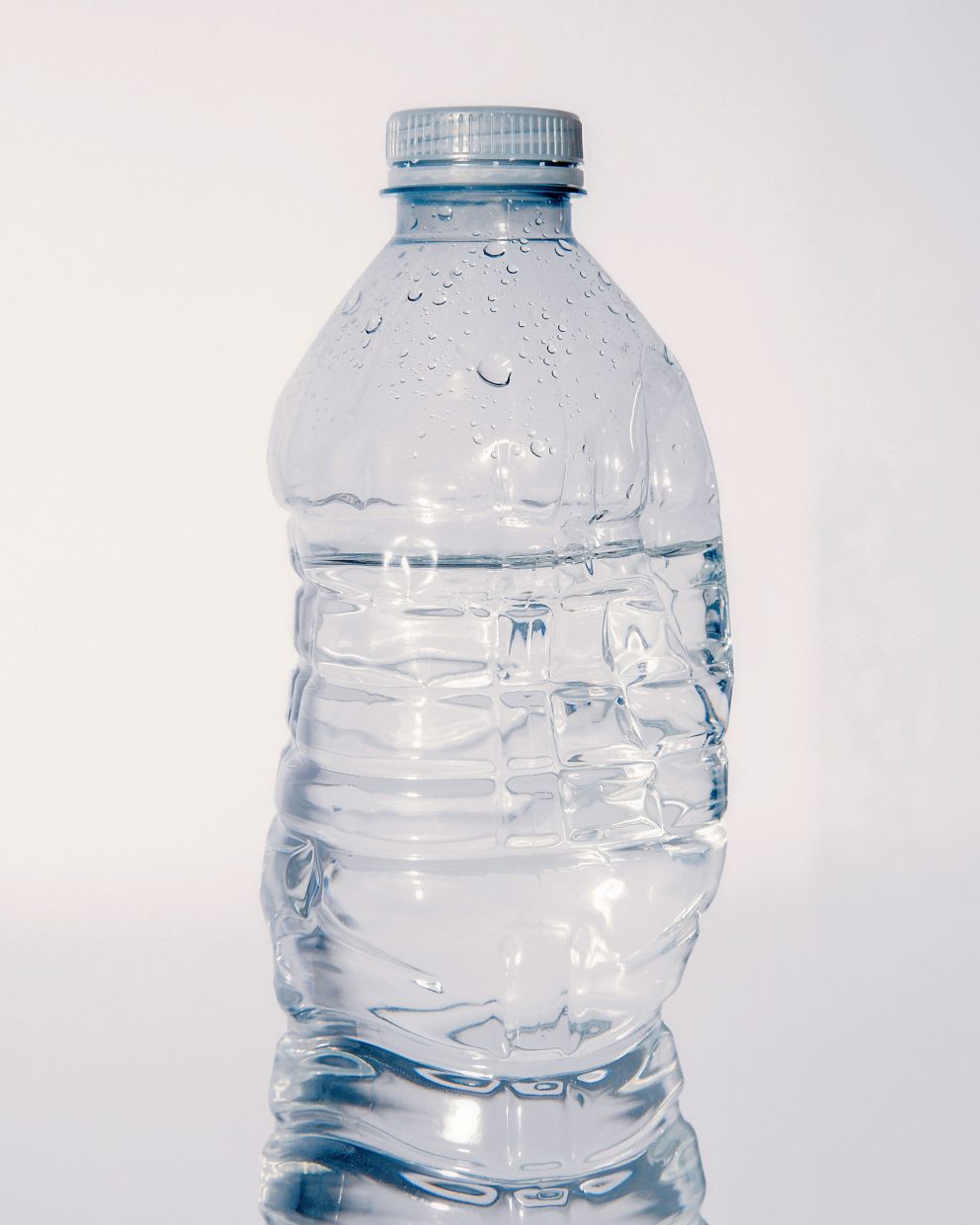
If I leave a plastic water bottle in my car for a few days, is it safe to drink the water when I come back?
It’s important to stay hydrated in the heat, but high temperatures and UV rays can influence what goes on in single-use plastic water bottles – especially when they have been sitting in cars, where windows can trap extra heat.
Scientists warn that chemical additives and microplastics could leach into the water, and that bacteria or mold could grow in the bottle.
Does that make the water unsafe to drink? We asked experts to help us sort it out.
Microbes in water
One potential concern is that if you’ve already opened a plastic bottle and have consumed water from it, bacteria from your mouth, your hands or the air can get in and multiply, said Jaime Ross, a neuroscientist at the University of Rhode Island who studies how exposures to microplastics and other substances affect the body.
Beizhan Yan, a geochemist who researches environmental contamination at Columbia University, said he wasn’t aware of any studies that have looked into exactly what happens if you leave a plastic water bottle in a hot car. But scientists can make inferences from relevant research.
In one peer-reviewed study published in 2013, for instance, researchers analysed which microbes grew in various partly consumed beverages – including plastic bottled sodas, teas, juices, sports drinks and water – left at 77°F (25°C) for two weeks.They found that bacteria, mold and yeast grew in many of them.
The insides of cars often become hotter than the outside air, creating the perfect environment for microbes to grow quickly – perhaps within a couple of hours, Ross said. Another study from 2005 concluded that bacteria grew in water bottles at room temperature within 48 hours of just one sip.
Because there is so little research on the topic, we don’t know if the microbes that grow in water bottles might also go on to cause illness, but they could, Ross said.The bacteria found in the 2005 study included Staphylococcus aureus, a common cause of foodborne illness.Though that bacteria can come from people’s bodies or mouths, Ross said, it’s possible that in high enough doses, after multiplying in the bottle, they could still cause illness. It “would be something I would be very concerned about,” she said.
Chemical contaminants
Many single-use plastic water bottles are made from a form of plastic called polyethylene terephthalate, or PET, said Nicole Deziel, an environmental epidemiologist at the Yale School of Public Health.
When PET-containing bottles sit in the heat or in sunlight, they can release various kinds of chemicals, including phenols like bisphenol A, or BPA, and phthalates, she said.
“Phenols and phthalates are endocrine disruptors, meaning they interfere with the natural hormones in our body,” she explained.
The Food and Drug Administration says that the current use of BPA and certain phthalates in food packaging is safe.But some experts have disagreed, citing studies that have linked exposures to the chemicals early in life to chronic health conditions like allergies, asthma and Type 2 diabetes.
Deziel did, however, debunk past claims on social media that heated plastic water bottles release cancer-causing chemicals called dioxins. They do not, she said.
Microplastics, too
Water stored in plastic water bottles often contains tiny bits of plastic known as microplastics.A 2018 study analyzed water from plastic water bottles purchased in nine countries and found plastic fragments in 93% of them.
The heat of a car, along with UV light coming through side or rear car windows, most likely accelerates their release, Yan said. UV light has been shown to break down plastic polymers into smaller fragments, which “very likely” might then leach into the water, he said.
It’s unclear what these microplastics might do to our bodies. But they do seem to stick around: When researchers analysed the tissues of recently deceased humans in a 2025 study, they found that microplastics had accumulated in their kidneys, livers and brains.
Drink more safely
Experts don’t know for sure what will happen if you leave a single-use plastic water bottle in a hot car and then drink from it. But given the potential for contamination, Ross said, doing so is “not a good idea.”
Deziel and other researchers recommended that when you’re on the go, store water in stainless steel or glass bottles instead of plastic ones.And while reusable water bottles made from harder plastics, like polypropylene or a different form of PET, are less likely to break down and release plastics or other chemicals when exposed to heat or sunlight, Deziel said, “they’re still plastic, and over time, wear and heat can degrade them, too.”
To avoid bacteria and mold, it’s probably best to throw away partly drunk water that’s been left in the heat, no matter the container it’s in, Ross said.
“If you’re unsure,” she said, “don’t drink it.” – ©2025 The New York Times Company