Why Russia's invasion of Ukraine could also threaten dolphins


By AGENCY
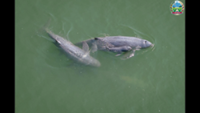
According to researchers, 80 dolphins have been found on the shores of Turkey's Black Sea since the Russian invasion of Ukraine, which began on Feb 24. Photo: AFP

The noise pollution linked to Russia's invasion of Ukraine could have repercussions on marine life and threaten the survival of dolphins.

At least, that's the hypothesis put forward by Turkish researchers who point out the abnormally high number of cetaceans that have been stranded on the coasts of the Black Sea since Russian forces invaded Ukraine.

Less than three months after Russian forces began their invasion of Ukraine, the toll is already very high: thousands of deaths, destroyed houses, polluted soil. But this war could also have repercussions on the lives of animals, in particular, dolphins.

Scientists from the Turkish Marine Research Foundation (Tudav) recently noted the disturbing presence of stranded dolphins on Turkish beaches along the Black Sea.

According to the researchers, 80 dolphins have been found on these shores since the Russian invasion of Ukraine, which began on Feb 24.

This abnormally high number could be explained by the presence of Russian navy vessels and by ongoing military activities, thus pushing the cetaceans to migrate southwards, towards Turkish and Bulgarian coasts.

Half of these animals were found dead, trapped in fishing nets. What happened to the rest of them?

"Acoustic trauma is one of the possibilities that come to mind," hypothesised Dr Bayram Ozturk, the chair of Tudav, who spoke to English media The Guardian.

"We don't have proof on what low frequency sonar may cause in the Black Sea because we have never seen this many ships, and this much noise for such an extended time – and science always demands proof."

According to a report by the International Union for Conservation of Nature (IUCN), "underwater noise pollution, such as that produced by sonar during military exercises, seismic surveying for oil and gas, shipping and acoustic deterrents, represents the third most important threat, especially for cetaceans".

"The noises and sound waves produced by certain equipment can interfere with their communication and echolocation systems, often causing physiological disruption, sudden behavioural changes and stress that can lead to death", warns the association. – AFP Relaxnews

Get 20% OFF The Star Digital Access

Monthly Plan

RM 13.90/month

RM 11.12/month

Billed as RM 11.12 for the 1st month, RM 13.90 thereafter.

Best Value

Annual Plan

RM 12.33/month

RM 9.87/month

Billed as RM 118.40 for the 1st year, RM 148 thereafter.

Follow us on our official WhatsApp channel for breaking news alerts and key updates!
dolphins , marine life , Ukrain Invasion

Next In Living

This mental trick may help you get more exercise
China's bull wrestlers fight to keep the centuries-old tradition alive
How to spot hidden price increases or 'shrinkflation'
Feeling drowsy at your desk? A 5 minute stroll will perk you up
What’s in your dog’s food? How to make sure your pet is getting quality meals
Winemakers on the Greek island of Santorini try to adapt to heat and drought
'Dutch sashimi': Getting the young to swallow herring
Common home cleaning practices that lead to hidden wear and damage
Security education should start early, especially for girls, say experts
Sunny Side Up: None of us can be blank slates

Others Also Read