How large cities are becoming more liveable and bike-friendly


By AGENCY
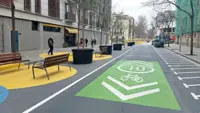
Barcelona, a city largely based on a geometrical grid, introduced its so-called superblocks in 2017. They consist of four-by-four housing blocks, inside of which cars are largely dispensed with. — dpa/ADFC/Ajuntament de Barcelona

Never have as many people as today lived in large cities. With the growing number of inhabitants, there is also busier traffic – with a visible impact on the environment.

More and more metropolises are championing innovative strategies to make city centres more liveable and bike-friendly. Here are some of the most exciting plans.

Barcelona’s superblocks

Barcelona, a Spanish city largely based on a geometrical grid, introduced its so-called superblocks in 2017. They consist of four-by-four housing blocks, inside of which cars are largely dispensed with. Vehicles are only allowed to drive 10km/h inside the superblocks and make left turns, and most roads are one-way.

The idea is that the superblock is only accessible for residents and deliveries, making room for more green spaces, biking lanes and seating areas.

A study by the German biking association ADFC found that superblocks have resulted in double the amount of green spaces and reduced carbon emissions by a quarter. Neighbourhoods became more liveable and the number of small shops increased by 30%.

London’s mini-Holland districts

Three districts in outer London, where people traditionally depend on cars, have been turned into what the government calls Mini Hollands, bike-friendly neighbourhoods modelled on the Dutch urban infrastructure.

The government spent some £30mil (RM162mil) on each Mini Holland in Enfield, Kingston and Waltham Forest to built bike lanes separated from roads, bike parking spaces and speed bike lanes into the city centre.

So-called modal filters were implemented to limit traffic on certain roads, for instance to bikes or buses only, for quieter streets. Instead of parking lots, so-called parklets were built, small public areas with green.

The ADFC found that the scheme resulted in traffic being halved in calmed areas and residents cycling or walking more frequently. Pollution also declined and the retail sector gained by 30%, with fewer shop vacancies.

Bogota and Stockholm go car-free

These two cities have opted for the radical policy of temporarily banning cars altogether. In Bogota, cars are forbidden from entering most streets on Sundays and holidays – and this for more than 45 years. A total of 127km are free of cars on 70 days every year as a result, with residents claiming back the streets on foot or bike.

In Bogota, cars are forbidden from entering most streets on Sundays and holidays – and this for more than 45 years. — dpa/ADFC/Melissa Gomez

Stockholm, on the other hand, has been closing several streets in its city centre to cars for the entire summer since 2017. Between mid-May and mid-September, these streets are turned into pedestrian zones with plants, outdoor furniture and pop-up parks. Between 58% and 71% of residents are in favour of the policy.

Paris wants to become bike-friendlyThe French capital is known for its traffic, but in 2015 it introduced a “Plan velo” to become much more cyclist-friendly by turning hundreds of street kilometres into a network of bike lanes. Around 300km have already been converted.

According to the ADFC study, the number of cyclists increased by around 50% only a few months into the implementation, and especially more women, parents and elderly people are opting to take their bike to get around. – dpa/Gregor Bauernfeind

Since 2017, several streets in Stockholm have been closed to cars and trucks throughout the summer. From mid-May to mid-September, pedestrian zones are set up there instead. — dpa/ADFC/The Stockholm Tourist

Get 20% OFF The Star Digital Access

Monthly Plan

RM 13.90/month

RM 11.12/month

Billed as RM 11.12 for the 1st month, RM 13.90 thereafter.

Best Value

Annual Plan

RM 12.33/month

RM 9.87/month

Billed as RM 118.40 for the 1st year, RM 148 thereafter.

Follow us on our official WhatsApp channel for breaking news alerts and key updates!

Next In Living

From poplars to pistachios, Afghans rediscover the value of trees
Online 'misinformation' could put pets at risk, warns vet
Heal haw! Therapy donkeys help patients regain confidence and self-worth in Paris
5 famous food haunts in Hong Kong
Heart And Soul: Hit film 'Dear You' evokes an overwhelming emotional response
Lonely end for race track: 132-year-old Aqueduct runs its last race
How this Malaysian couple helps clean up hoarder homes
Why hoarding disorder deserves more understanding in Malaysia
This mental trick may help you get more exercise
China's bull wrestlers fight to keep the centuries-old tradition alive

Others Also Read