
Shoulder pain, weakness and loss of range of motion can keep you from the activities you need and love to do, whether it’s lifting boxes on the job, putting away dishes in the kitchen or hitting that pickleball serve.
Wear and tear, injury, certain medical conditions and age can take a toll on shoulder function.
ALSO READ: Is it painful when you stretch your arm over your head?
Oftentimes, surgery can be avoided, with many people responding well to non-operative treatments, such as physiotherapy or injections, to decrease their pain and improve the use of their shoulder.
Sometimes, surgery to repair the torn tendons may be necessary.
But other times, the condition of your shoulder has advanced beyond those options.
In the past, this may have resulted in chronic pain and debility (weakness due to illness).
Now, there are new treatments designed especially for more advanced shoulder issues.
Inserting a balloon or patch
When a rotator cuff tear is so severe that it can’t be repaired, your orthopaedic surgeon may use a subacromial balloon spacer.
This small device is inserted into the space where the damaged rotator cuff lies, using minimally-invasive arthroscopic surgical techniques.
Once in place, the device is inflated with saline to cushion and stabilise the joint.
The balloon typically dissolves within six to 12 months.
Alternatively, your surgeon may implant a special donated tissue graft to cover or “patch” the top of the ball part of your shoulder joint.
This procedure, called a tuberoplasty, acts similarly to the balloon by providing a cushion in place of the rotator cuff.
After surgery, a physiotherapist will help you retrain your muscles to move the shoulder using more optimal mechanics.
Recovery from these procedures tends to be faster since the tendons don’t need to heal as they would in traditional rotator cuff surgery.
You can return to your daily activities with improved function, range of motion and less pain.
Using 3D printing
Reverse shoulder replacement is another surgical option for treating patients with severe arthritis, irreparable rotator cuff tears or other shoulder damage.
By using specially-designed implants, your surgeon can change the mechanics of the shoulder to allow other muscles to move it.
Since no shoulder is the same, how closely the replacement implant fits your shoulder’s anatomy and how the implant is placed play key roles in the success of a reverse shoulder replacement.
Your surgeon is able to choose from metal and plastic implants that are available in a few different shapes and a range of sizes.
A 3D-printed model of your shoulder can help your orthopaedic surgeon precisely place the implant.
The process begins with a CT (computed tomography) scan before surgery to create a 3D model of your shoulder on a computer.
This allows your surgeon to see how the implant should be placed, how to preserve as much bone as possible, and how to identify the best way to secure the implant.
A 3D guide is printed that duplicates the template from the computer.
During surgery, your surgeon places the 3D guide on the bone so the implant can be placed precisely as planned.
3D modeling also helps your surgeon determine if you need a customised implant.
Customised implant
In most cases, your surgeon can choose a standard implant that will give you the shoulder function you need.
But for some patients, their anatomy or bone damage won’t allow a standard implant to fit appropriately.
An implant that doesn’t fit well can fail, leading to more surgery.
In these cases, an implant can be created to precisely fit a patient.
Using a computer-generated 3D model, the custom implant designed for the patient is printed using the same materials as a standard implant.
While this is only being used in special cases, it may become the standard in time.
Robotic surgery
While robotics have been used in many other surgeries, including hip and knee replacements, for some time, the use of robotic surgery in the shoulder is just beginning.
The technology is new and specialised.
As mentioned before, putting the implants in the right position is important, and the robot helps your surgeon do this exactly as planned.
During a shoulder replacement, your surgeon can use a robot to help reshape the socket precisely to get the best placement and position of the implant to help provide you with the optimal outcome.
Although this technology is new, it may become the future of shoulder replacement.
ALSO READ: Shoulder surgery is common but it doesn't always fix the problem
Stem cells and biological treatments
Stem cells and other therapies such as platelet-rich plasma (PRP) are new and promising treatment options known as regenerative medicine.
These are often called orthobiologics as they are made from your own body’s substances.
Stem cells are cells that have the potential to heal and transform into more specialised cells such as muscle, tendon or bone cells.
They are harvested from tissues in the body, such as blood or fat.
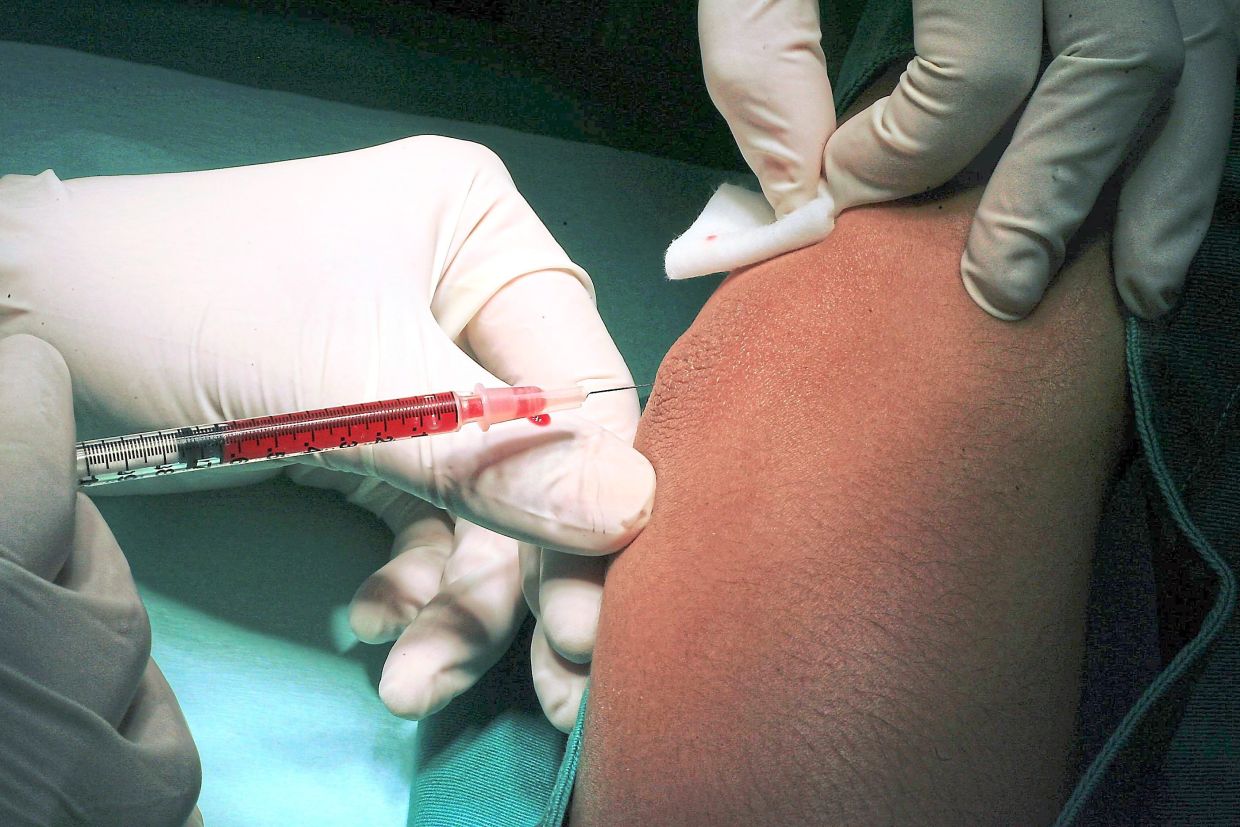
PRP takes blood from your arm and separates out the red blood cells, keeping healing and anti-inflammatory factors.
When injected, these therapies try to stimulate your own body’s cells to promote a healing response in the tissue.
They have shown potential benefit in treating pain from arthritis, helping heal and recover from tendinopathies or muscle strains, and improving healing after surgery.
While both treatments show promise in helping to decrease pain and potentially improve healing, they unfortunately will not regrow cartilage or tendons, and they will not “cure” arthritis.
But hopefully, we can get there in the future.
Though promising, the data is still inconclusive, and further studies are needed to determine the best uses for them.
Additionally, since they are considered experimental, they are rarely covered by insurance and can be very costly.
There are new options to provide a wide spectrum of treatments for patients with advanced shoulder issues.
Having multiple options allows your orthopaedic surgeon to choose the one that targets your specific issues to achieve the best outcome. – By Dr Scott Kuzma/Mayo Clinic News Network/Tribune News Service
Dr Scott Kuzma is an orthopaedic surgeon in Wisconsin, United States.