
Nail inspiration (or inspo) often comes in the form of perfectly-glazed manicures – chrome-dipped stiletto nails that are perfectly smooth and shaped.
But behind the colour and shine, our nails can reveal a great deal about what’s going on beneath the surface.
Your manicurist may be able to tell before you do.
According to award-winning British nail artist Jessica White, ”the earliest signs I look for are changes in colour, texture and growth”.
She explains that “pale or blue-tinged nails can suggest circulation issues, while yellowing nails may point to fungal concerns”.
Other shifts – like ridges, pitting or sudden changes in nail thickness – can also flag health concerns.
“Brittle nails, excessive peeling or lifting from the nail bed are other red flags that deserve attention,” she says.
“Our nails respond slowly, so these changes often reflect what’s happening inside the body over time.”
So what means what when it comes to our nails?
A doctor and a nail technician reveal what you should be looking out for.
Cosmetic or health issue?
Of course, not every chipped edge or discoloured nail signals a health crisis.
Both experts stress that it’s important to distinguish between purely cosmetic wear and signs of something systemic.
British skincare scientist Dr David Reilly says: “Most nail changes aren’t anything to worry about, but if something looks unusual or doesn’t go away, it’s a good idea to speak to a doctor.
“If they suddenly become weak or brittle, it could be linked to lifestyle factors such as poor diet, dehydration, or possibly a nutrient deficiency of biotin or iron.”
White explains that “cosmetic issues are usually linked to external factors, such as staining from polish, dehydration from removers, or breakage after gels”. These usually improve with gentle care and hydration.
“Concerns begin to arise when changes appear suddenly, affect multiple nails, or don’t improve over several weeks,” she says.
ALSO READ: Why do my nails look weird?
The lifestyle link
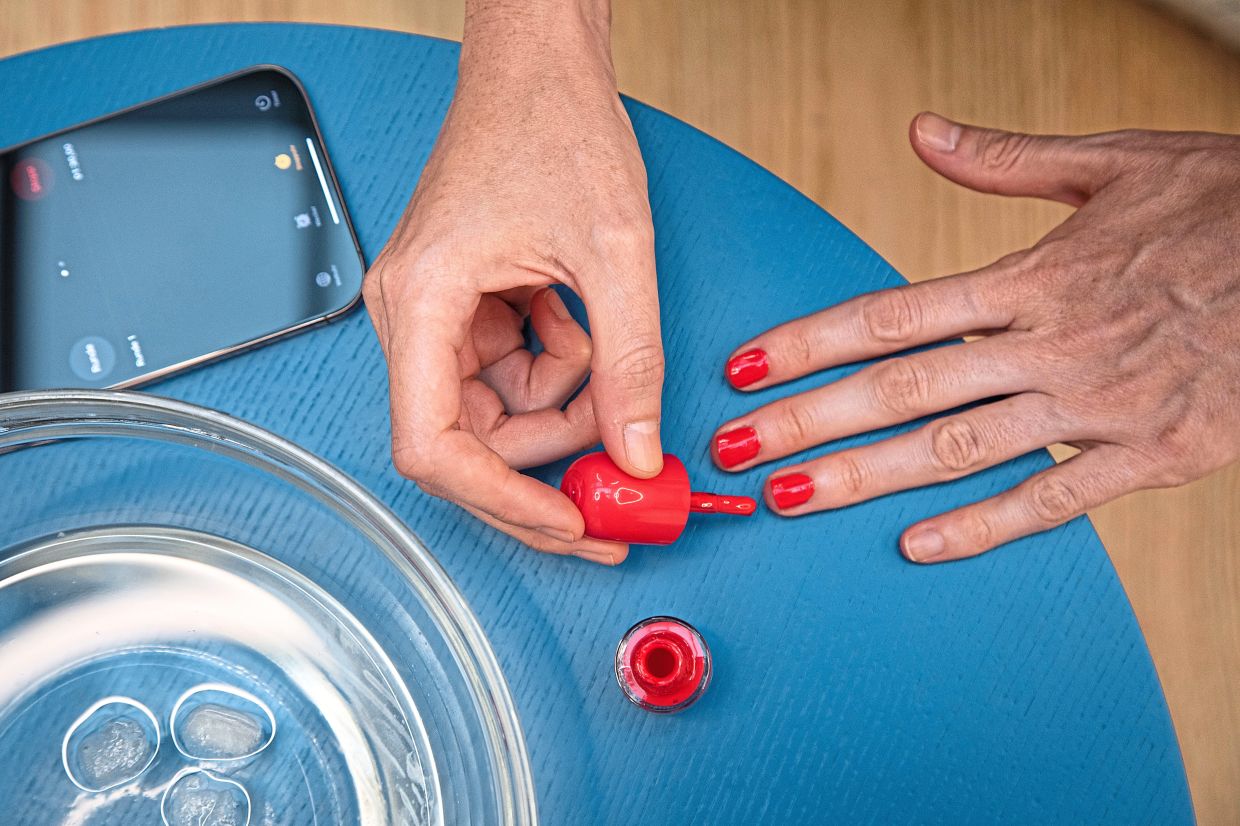
Diet, stress and hydration are all surprisingly visible on your fingertips.
Nails, after all, are made of keratin – a protein also found in hair and skin – and depend on nutrition and moisture for strength.
Dr Reilly says that “when you’re properly hydrated, your nail plate is actually about 18% water.
“When that moisture level drops, that’s when you start seeing brittle nails, flakiness and breakage.”
He explains that diet plays an equally vital role: “Biotin, also known as vitamin B7, is an essential B vitamin that can help with nail growth.”
For meat eaters, he recommends “egg yolks, salmon and liver”, while for vegeta- rians or vegans, “sweet potatoes, mushrooms, bananas, broccoli and avocado” all provide rich sources of the nutrient.
Stress and illness can also leave their own imprint on the nails.
Horizontal ridges, known as Beau’s lines, can appear after the body experiences strain or illness that temporarily interrupts nail growth.
“These often signal that your body has gone through a period of stress, causing a temporary pause in nail growth,” says Dr Reilly.
Essential care
Both experts agree that good nail health starts with everyday habits, not just salon visits.
White’s mantra is simple: “Daily cuticle oil is my number one recommendation as it keeps the nail bed flexible and resistant to splitting.”
She also suggests pairing this with “a gentle nail strengthener to support structure, and avoiding overfiling or aggressive buffing”.
Keeping nails at a sensible length helps prevent breaks and White is firm when it comes to acetone-based nail polish removers: “Always use it sparingly to avoid dehydration.”
Dr Reilly recommends thinking of nails like skin – they need both protection and nourishment.
“Start by protecting your hands by wearing gloves in cold weather to prevent brittleness, and for chores like dishes or gardening to avoid harsh chemicals and hot water,” he says.
“Collagen contains the essential amino acids needed to form keratin, which is the protein your nails are made of.”
As collagen production naturally declines from age 25, he says supplements can help support nail strength and elasticity.
ALSO READ: Do collagen supplements really work?
Hydration, too, goes beyond drinking water.
“Regularly use a rich, nourishing hand cream, focusing on your cuticles.
“Look for ingredients like hyaluronic acid, shea butter or glycerine for intense hydration,” he says. – By Lara Owen/PA Media/dpa