
Sexual abuse is often spoken about in hushed tones, and when it comes to boys and men, the silence can be even louder.
This is the uncomfortable truth at the heart of a new awareness campaign by Women’s Centre for Change (WCC) Penang, which shines a light on sexual violence against boys, an issue that remains deeply hidden, misunderstood and underreported.
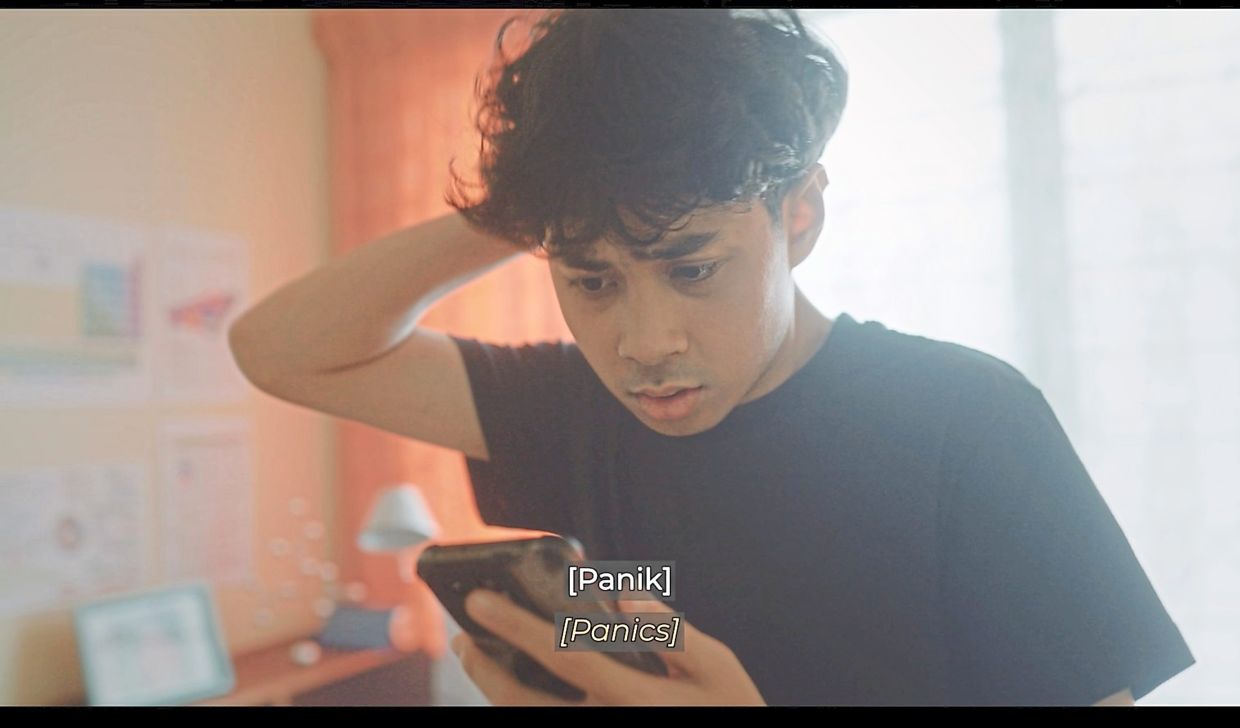
Anchored by a powerful short film titled Pandai Anak Murid Cikgu (Good Boy), the campaign challenges long-held assumptions about who can be a victim and who deserves to be heard.
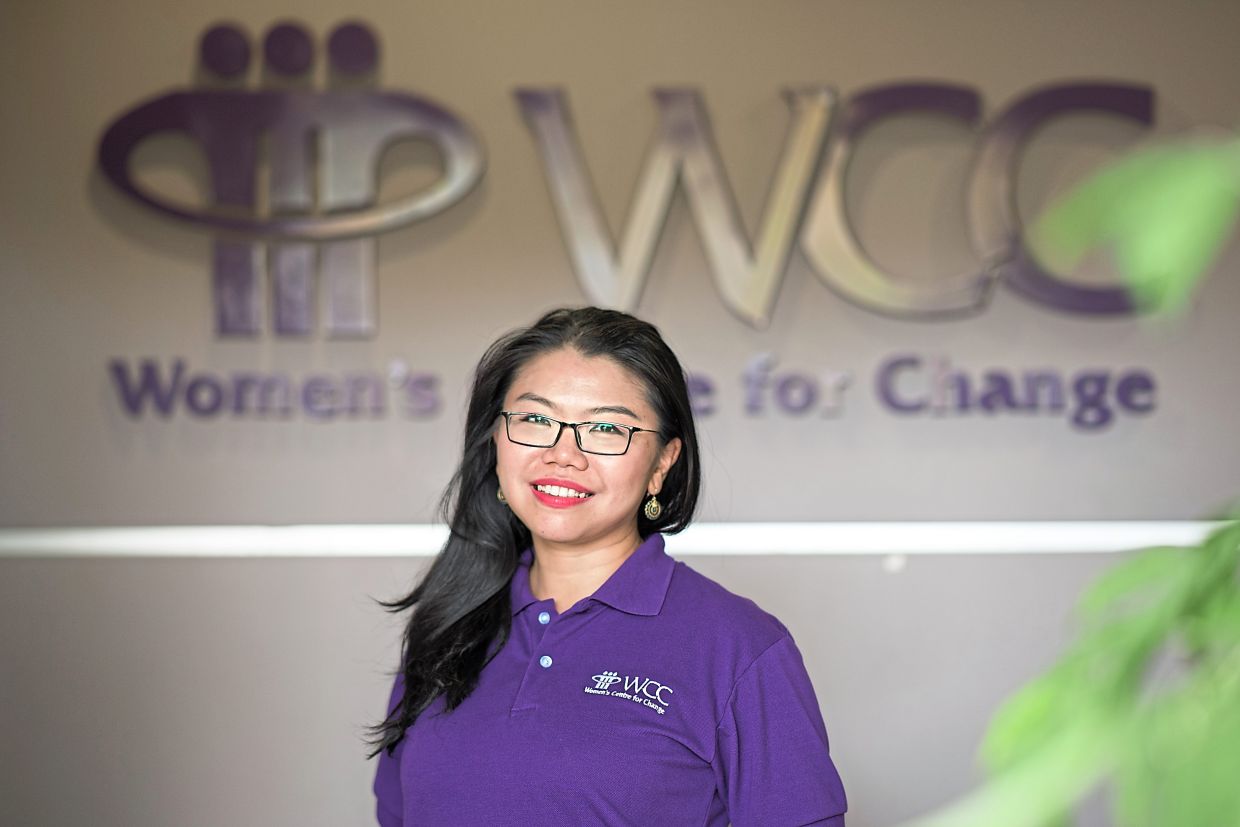
“Sexual abuse does not discriminate by gender,” says WCC Penang programme director Karen Lai. “While attention has been given to women and girls, the abuse of boys has too often been swept under the carpet.”
Statistics suggest that around 10% of child sexual abuse victims are boys, but Lai believes the real number is far higher. Stigma, shame and harmful ideas about masculinity often prevent boys from speaking up – or from being believed when they do.
The short film, produced in partnership with Monyads Studio and Freedom Film Network and funded by the High Commission of Canada in Malaysia, tells a story many would rather not confront. But that discomfort, Lai says, is precisely the point.
There’s a lack of accessible audiovisual content addressing this issue and it’s important to create resources for the public, she adds.
“Through this film, we wanted to show these uncomfortable realities and affirm that boys, too, deserve visibility, protection and full support.”
On the day of its release, the short film achieved nearly 15,000 views across social media, with overwhelmingly positive responses, highlighting a strong demand for such resources.
One of the most damaging misconceptions surrounding sexual abuse is the belief that it “doesn’t happen to boys”.
Another is that boys are somehow less affected by abuse, or that they should be able to “handle it”.
“These ideas are rooted in harmful gender stereotypes,” Lai explains. “There’s a belief that boys are strong, less vulnerable or even complicit. Some people still wrongly believe that abuse determines a victim’s sexual orientation. All of these silences survivors and delays healing.”
In WCC’s work with child survivors, these attitudes often show up within families and communities. Lai notes that families of boy victims sometimes perceive the abuse as less harmful compared to cases involving girls, leading to less urgency in seeking counselling or long-term support.
Ironically, she adds, this can coexist with fewer instances of victim-blaming during investigations – a reflection of deeply ingrained beliefs about gender, morality and sexual behaviour.
“But the impact is the same,” she says. “When abuse is minimised, recovery becomes harder.”
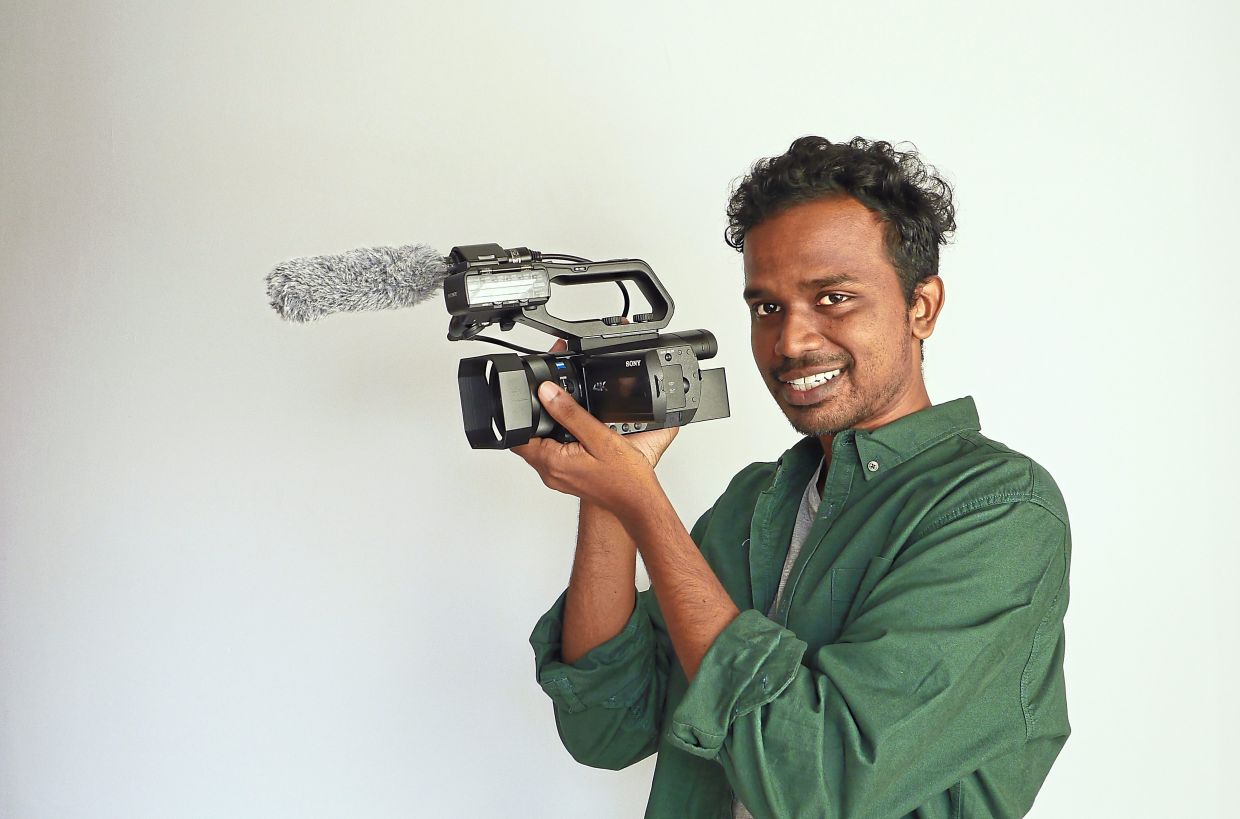
For Malaysian filmmaker and survivor Joshua Inberaj, silence was once a form of survival.
Nothing Gentle In The Shadows, his earlier documentary, emerged from a need to understand his own experience, and from the realisation that male sexual abuse is rarely spoken about in our society.
“Society struggles with the idea that boys can be victims,” he says. “It contradicts outdated ideas of masculinity – that men are always strong or invulnerable.”
Inberaj co-directed Pandai Anak Murid Cikgu, working alongside WCC to ensure the story was told with care and a survivor-centred approach. For him, film is not just art – it is advocacy.
“Storytelling humanises survivors beyond labels and stereotypes,” he says. “A film can say what many survivors struggle to say out loud. It creates emotional truth, and that’s what starts conversations.”
Those conversations, however, are not always easy. When male survivors speak up, Inberaj notes that they are often met with disbelief, awkward silences or minimisation. Support systems are rarely designed with boys in mind, leaving many feeling isolated.
“The belief that abuse ‘only happens to girls’ made it difficult for me to even name what I experienced as abuse,” he says. “It delayed my understanding and my healing.”
Both Lai and Inberaj stress that awareness alone is not enough.
Prevention must start early, with education that teaches children about bodily autonomy, consent and boundaries – regardless of gender.
“Children need to understand that they have the right to say no,” Lai says. “As they grow, education should evolve to include respect, healthy relationships and online safety.”
Yet in Malaysia, the absence of comprehensive, age-appropriate sexuality education continues to leave children vulnerable.
Legal protections for children exist under the Sexual Offences Against Children Act 2017, but gaps remain – particularly for adult male survivors, who face limited recognition under current laws.
Beyond legislation, Lai emphasises the importance of trauma-informed responses, stronger enforcement and better social support systems for male victims.
Inberaj believes families, schools and communities play a crucial role in creating safer spaces.
“Start by listening,” he says. “Don’t rush to fix, dismiss or blame. Children need to know they will be taken seriously.”
This campaign is about making the invisible visible, and reminding society that silence protects perpetrators, not survivors.
For boys and men who have experienced abuse, the message is clear: you are not weak, you are not alone and your story matters.
“Speak when you are ready,” Inberaj says gently. “And when you do, you deserve dignity, care and compassion.”
As Lai puts it, change is only possible when families, schools, the media, and policymakers are willing to confront this issue and collectively commit to protecting all children.
Because abuse is not about gender and healing should never depend on it.
More info: @wccpenang