For most of us, retirement probably means slowing down, staying close to home, and perhaps enjoying the morning sun while taking a stroll in the gardens. Or, simply lingering over coffee and the newspaper.
But for retired professor Dr Maketab Mohamed, who turned 67 last December, retirement has given him time to do just the opposite.
As a father of four adult children aged between 29 and 40 – “none married yet,” he says with a laugh – his post-working years are filled not with leisure, but with purpose.
And he wouldn’t have it any other way.
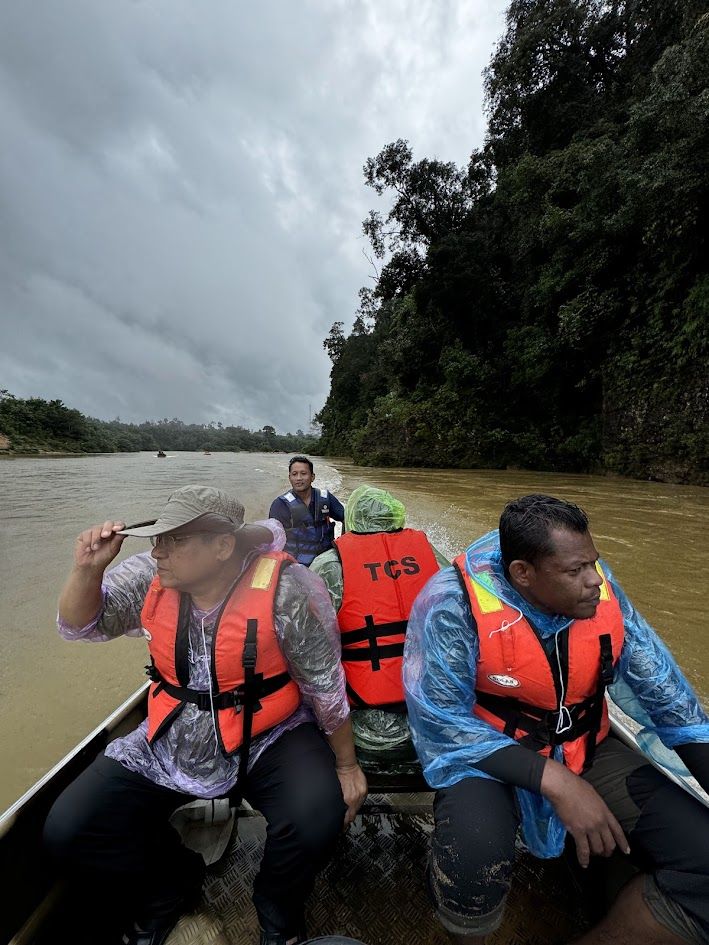
He has traded the slower rhythms of retirement for a hectic life of travel, teaching, rescue and conservation work, with the hope of building a legacy in the rainforest of Taman Negara in Pahang, hundreds of kilometres away from his home in Skudai, Johor.
“Most of my days are confined between the house and the mosque, but I do travel at least a week to 10 days in a month to the East Coast (of Peninsula Malaysia),” he says.
These trips, he explains, are to visit sites related to two non-profit programmes close to his heart: The Orang Asli Special Class Chup Badui Sikulah (CBS) in the deep interior of Kuala Tahan, and the Turtle Conservation Society (TCS) programmes in Kemaman, Terengganu.
This drive to serve is nothing new for Maketab. He is no stranger to environmental and nature-based NGOs, having been immersed in such activism for the past two decades.
His initial exposure was when he became the Chairperson for the Malaysian Nature Society (MNS) Johor in 2006 for five years, before taking the Presidential seat for two terms from 2010 to 2014.
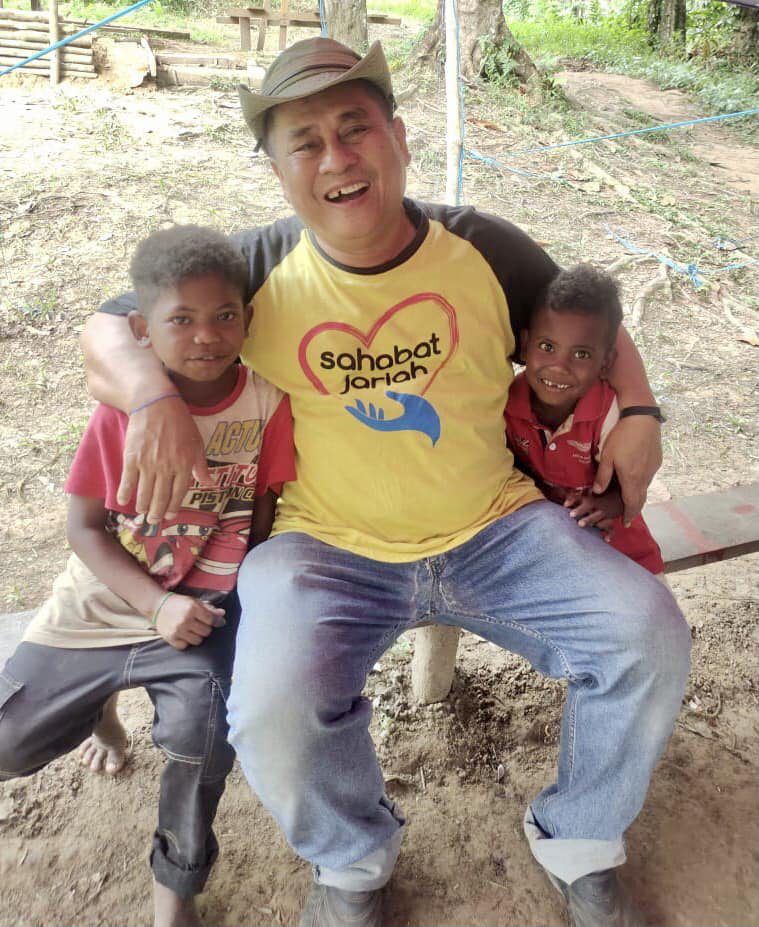
“Now, I am only active in assisting MNS Pahang, but have become more active in social NGOs such as Sahabat Jariah Malaysia (SJM) and Yayasan Food Bank Malaysia (YFBM),” he adds.
Classroom in the forest
Coming from an academic background, having served Universiti Teknologi Malaysia Kuala Lumpur for 35 years, it is no surprise that Maketab holds a soft spot for the CBS programme.
When he officially clocked out from his job at the university on his 60th birthday in 2018, Maketab had already helped the Education Ministry establish the first-ever Kelas CBS in Sekolah Kebangsaan Kuala Tahan, sitting on the fringe of Taman Negara.
Chup Badui Sikulah, in Bateq lingo, means “Let’s go to school”, and for the children of the Bateq tribe – who had stayed away from school due to bullying, stigma and cultural barriers – the classes became a safe harbour.
“They were teased for their dark skin, their hair, their appearance. We wanted to give them a space where they could learn without fear,” he says.
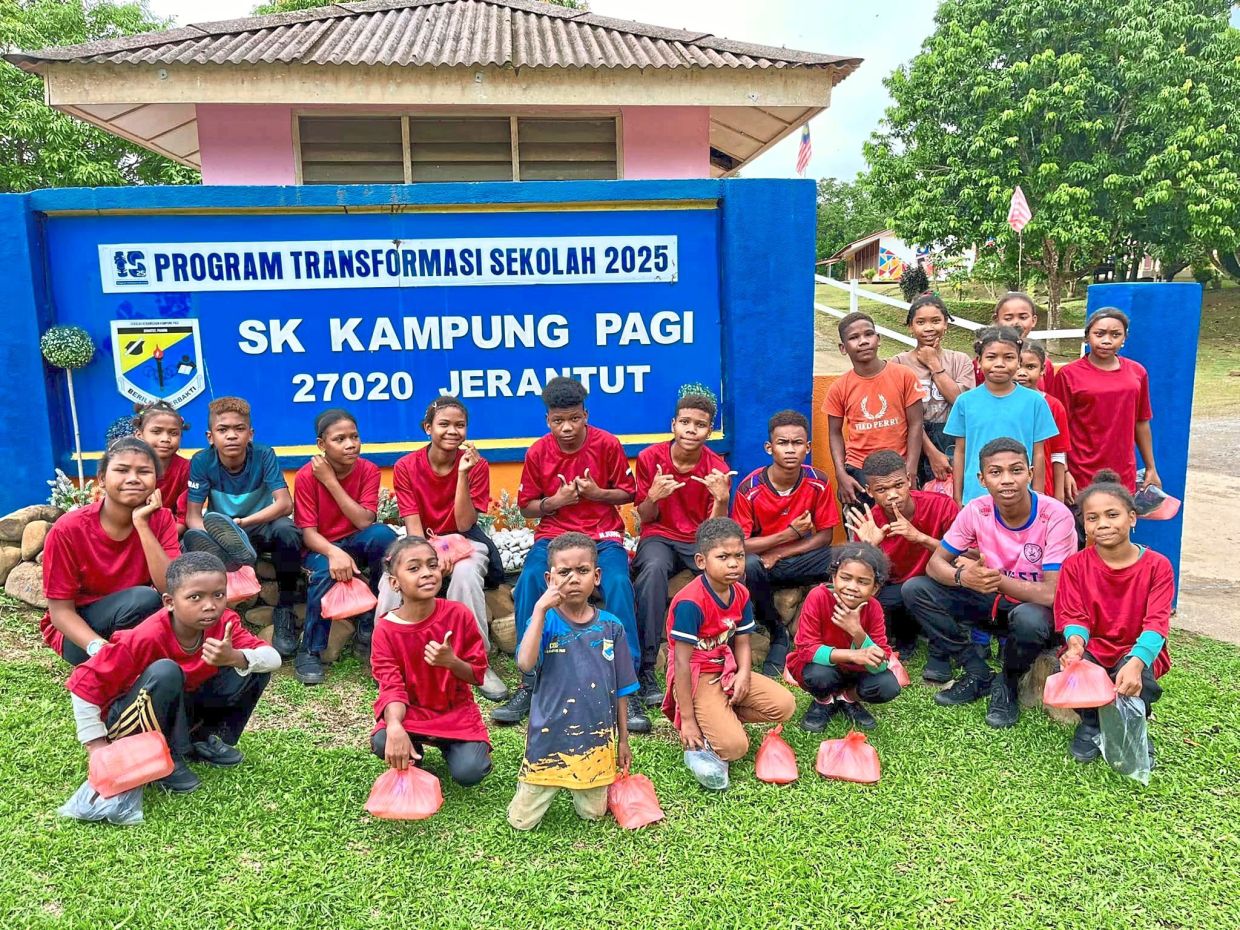
A year later, Maketab – working with SJM and YFBM – helped build another education initiative: Kelas Rimba Bateq in Kampung Cangkung, a remote Orang Asli settlement only reachable by a 45-minute boat ride inside the gazetted area of Taman Negara. The village children did not get to attend school due to isolation and the lack of transport.
“So we built a school right in the village,” he shares. “At first, volunteers could only come once a month on weekends. But, with support from Yayasan Hasanah, it became weekly classes with five paid personnel.”
Not only that, he says, the school’s original structures – made of wood, bamboo and bertam leaves – were eventually replaced with more durable buildings.
Today, the fruits of those efforts are blooming; some of the students from these programmes have not only continued schooling but excelled.
“One Bateq girl is now studying at Universiti Sultan Zainal Abidin in Besut. Two Kensiu students from Baling, Kedah are studying at Universiti Islam Antarabangsa Sultan Abdul Halim Mu’adzam Shah in Kuala Ketil and Universiti Sultan Azlan Shah in Kuala Kangsar, Perak,” Maketab says proudly.
And perhaps most heartwarming of all: Early this year (2026), 10 senior students from Kelas Rimba Bateq and Kelas CBS Sekolah Kebangsaan Kampung Pagi entered the secondary school in Kuala Tahan.
“They only started formal schooling in 2019,” he says. “Seeing them reach this stage brings me the most joy.”
A lifetime of stewardship
Even before he joined MNS, Maketab had long been in the environmental field, serving the Department of Environment between 1984 and 1990, after graduating from the University of Iowa in the United States of America with a Bachelor of Science (1981) and a Master’s (1983).
He continued with conservation work even after he left the department and the MNS offices.
With his time at MNS now limited to only assisting MNS Pahang, the academician with a PhD from Colorado State University leads TCS as its president and has been active with the society’s conservation programmes in Terengganu and Pahang.
“I will try to assist in the conservation of any species if needed, and when I have the opportunity to help,” he says, steadily carving a name for himself in the conservation of river terrapins, or Batagur affinis.
“Yes, river terrapins are a priority,” he explains. “We work closely with the Wildlife Department. Every year, after the egg-laying season, we hold coordination meetings. This year, we’re even conducting genetic research – something that’s never been done globally.”
In the last nesting season, he and his team collected river terrapin eggs from Sungai Kuantan with the help of a local fisherman, which put Pahang on the list of states with known terrapin nests, joining Terengganu, Kedah and Perak.
This is on top of the sea turtle conservation programmes in Geliga, Terengganu and Chendor, Pahang, both neighbouring areas rich with ecological significance.
The art of active retirement
With turtles and terrapins, river surveys and Orang Asli engagement, one would think that Maketab has his hands full.
But he still manages to find time to squeeze in other conservation projects, some of which have resulted in meaningful outcomes that he treasures greatly.
“The news on the cancellation of the cement plant project in Merapoh and the sturgeon farming project in Kuala Tahan were joyful moments. Not for me, but for the people and the land,” he says.
Still, Maketab is far from finished.
“I will just continue what I am doing,” he says, noting that this commitment matters even more since he has taken on the role of Chairperson of the Environmental Quality Council (2024–2027 term).
“And I am very happy with my involvement in a task force which was formed to solve the issue of Sungai Perak turning blue,” he adds, showing no sign of slowing down.
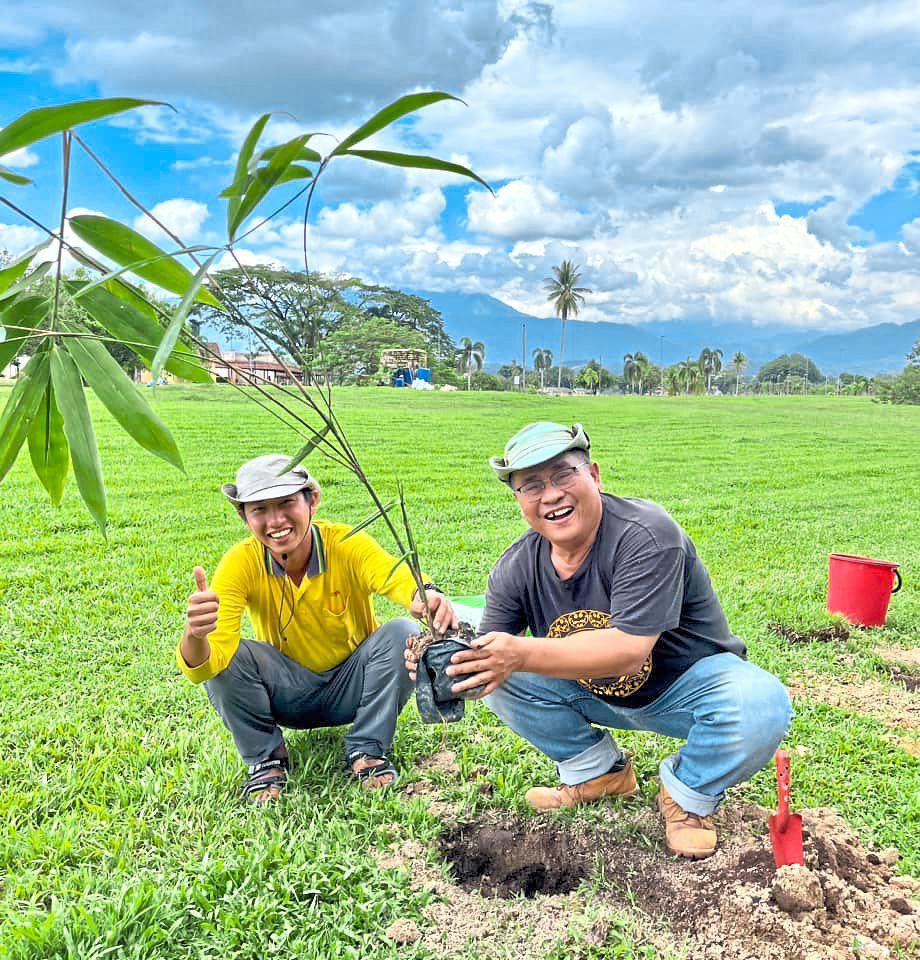
But for Maketab, active retirement does not happen on impulse. It requires drive and intent.
“You have to at least plan five years before your retirement,” he advises. “Visit the relevant communities, carry out the relevant fieldwork, connect and network.”
For Maketab, retirees are an untapped resource in the world of conservation.
“Retirees should be encouraged to be involved,” he says. “Their experience in various disciplines is an asset.”
Nevertheless, he is happy to see more young people involved in conservation work, such as those in Persatuan Aktivis Sahabat Alam or Kuasa.
“Gone are the days when conservation was just for old coots like us,” he jokes. “Those young NGO leaders give me hope. Passionate people who stay true to their beliefs.”