
If you've ever noticed children clinging to their mum's side during a family gathering, or running first to their maternal grandparents instead of their paternal ones, you've witnessed what experts call the matrilineal advantage.
It's a universal pattern seen across cultures — and Malaysia is no exception. Simply put, matrilineal advantage refers to the emotional closeness and stronger bonds children tend to have with their mothers and their mother’s side of the family. This phenomenon isn’t about favouritism — it's rooted in centuries of caregiving traditions, social expectations and even evolutionary logic.
"Children often feel closer and more attached to their mother's side of the family because women - especially mothers and grandmothers - play central roles in raising and guiding children," explains certified family therapist Bawany Chinapan, who is also the Andolfi Family Therapy Centre clinical director and AskATherapist.com.my founder.
"Because of that, their side of the family naturally becomes more prominent in a child’s emotional world."
International research supports this idea. Studies have consistently shown that mothers — and their mothers — act as the emotional glue of families.
In the study, "Love Needs to be Exchanged: A Diary Study of Interaction and Enactment of the Family Kinkeeper Role" (Dawn O. Braithwaite et al, 2017), 91% of participants who identified as "kinkeepers" — those who maintain family bonds — were women.
Another study, "The Kinkeeping Connection: Continuity, Crisis and Consensus" (Laura H. Brown and Sara B. DeRycke, 2010), found that caregiving and communication were overwhelmingly led by mothers, followed by maternal grandmothers — and only then by fathers.
Kinkeeping, a term coined by sociologist Carolyn Rosenthal in 1985, refers to the often-invisible labour of keeping families connected. It includes remembering birthdays, planning gatherings, mediating conflicts and preserving family traditions.
This emotional work has been carried by women, largely uncredited, for generations.
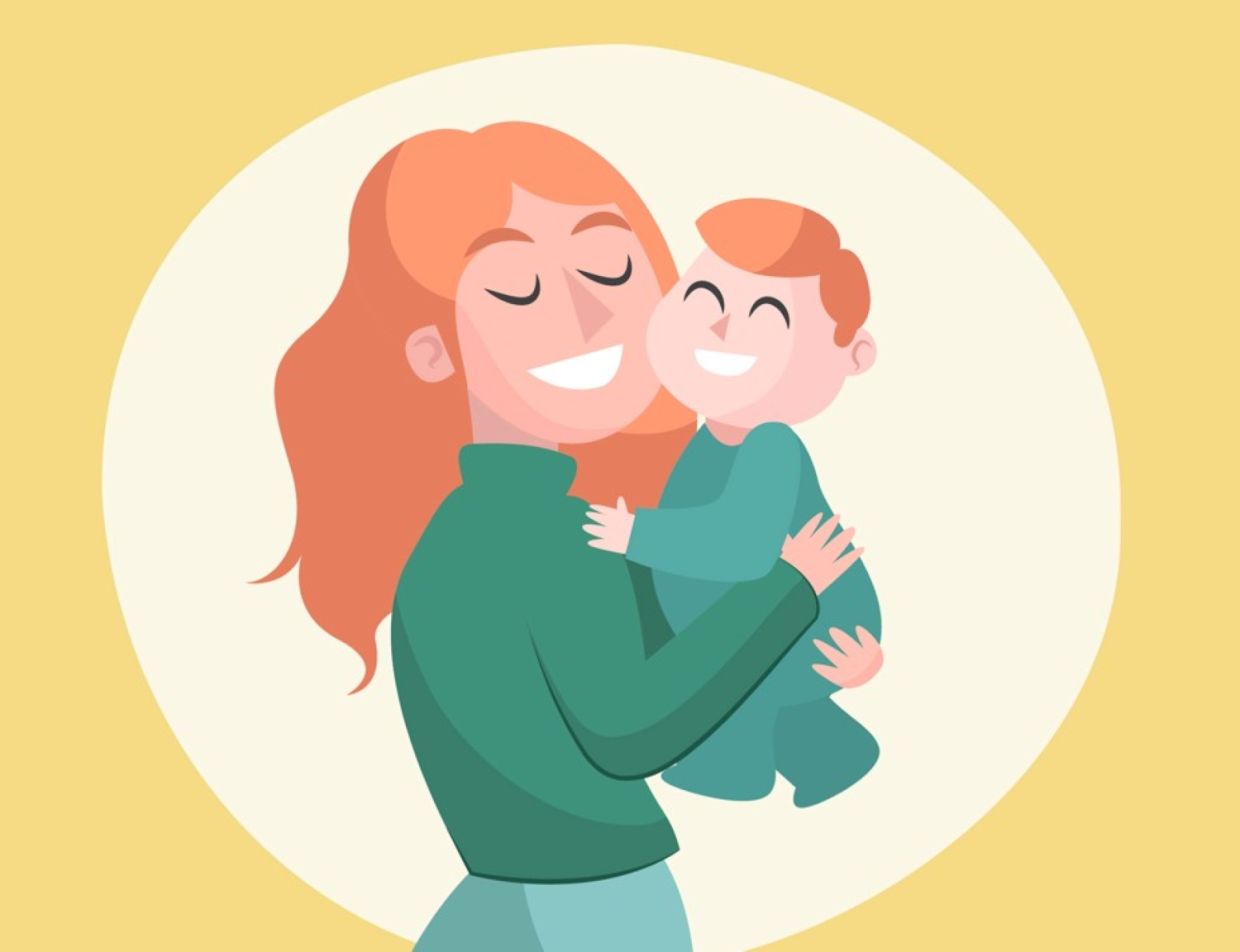
For Siti Aishah M, 33, a mother of three from Kuala Lumpur, the matrilineal advantage plays out in everyday life.
"Whenever I need help or advice, especially regarding my children, I automatically call my mum," she admits. "She was there from the very beginning when I was expecting my first child."
Even though her in-laws offered help, she says, "It just feels more natural to ask my own mother."
Her children, too, have the same bonds.
"They’re closer to my parents — their Nek and Atuk — than my husband's parents. They'll often ask to visit them on weekends," she says.
Her husband, a corporate executive, works long hours, so the children spend most of their time with her.
"While he's a great provider, I handle most of the caregiving — from school drop-offs to homework," she says. "So it's natural they come to me first for everything."
Bawany concurs: "In Malaysian families today, children are often closer to their mothers because mothers play the primary caregiving role in the household."
"Traditionally, fathers are viewed as providers, while mothers are seen as nurturers who manage their children’s routines, education and emotional needs," says Bawany, who was a founding board member and former vice-president (2021-2023) of the Malaysian Marriage and Family Therapy Association (MyMFT).
From post-childbirth confinement practices to everyday routines, mothers spend more time physically and emotionally with their children — a bond that deepens over time. The result is a clear emotional hierarchy: mum comes first.
Sociologically, this division of labour has long been reinforced by patriarchal norms.
"Cultural expectations encourage mothers to express warmth and care, while fathers are often associated with rules and discipline," Bawany adds. "Children naturally confide more in their mothers and rely on them for comfort."
But not every family fits the mould.
Celine Lim, 27, from Penang, grew up closer to her father than her mother.
"My mum was a headmistress and worked long hours, while my dad was a businessman with flexible time. He fetched me to school, guided me with my homework, and even cooked my meals," she recalls. "Till today, that father-daughter bond is unbreakable."
Her story is a reminder that while matrilineal advantage is common, it's not universal. Evolving gender roles, work commitments and arrangements, and personalities all shape how children connect with each parent.
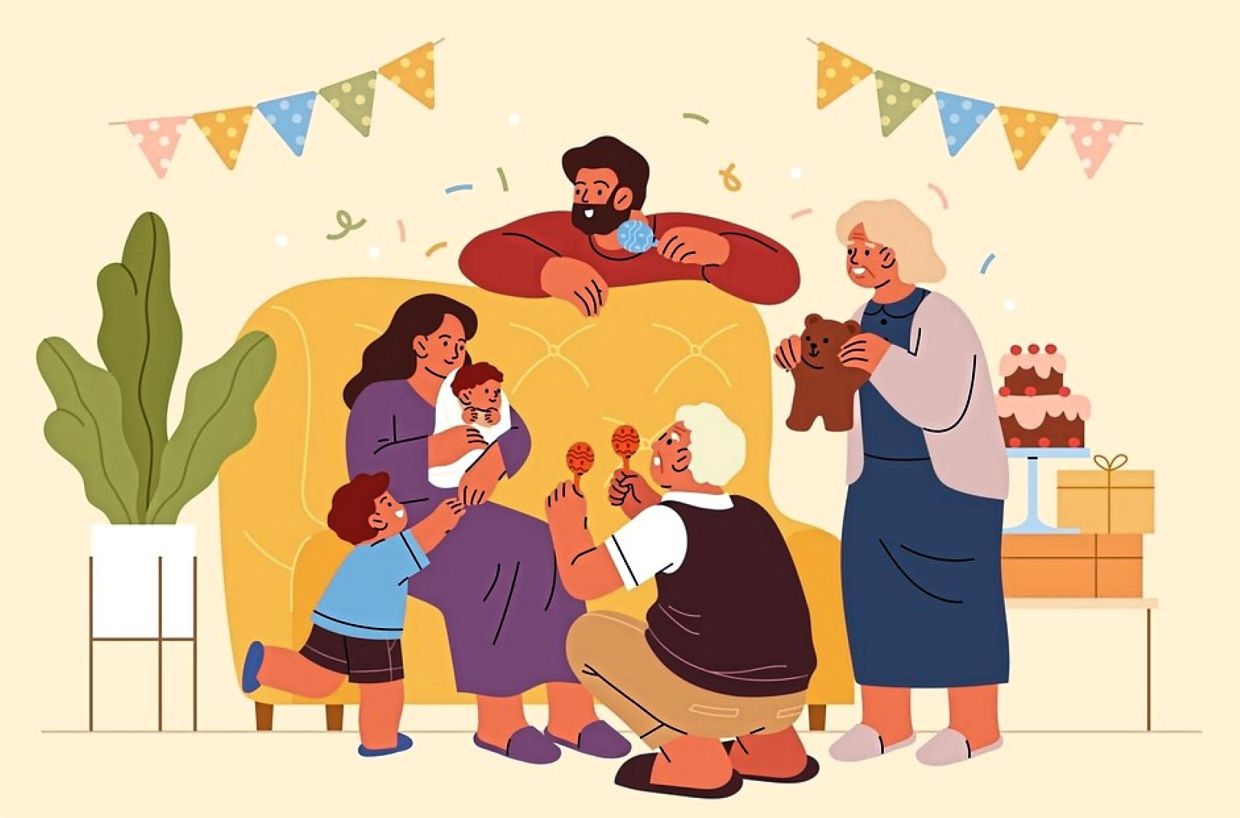
Even when both parents are working, mothers continue to be the "default parent" — the one who instinctively knows where the missing socks are, when the next vaccination is due, and the favourite food of each child.
"This default role has a strong impact on the mother-child bond," says Bawany. "Over time, those small, daily acts — listening, soothing and remembering — create deep closeness and trust."
Beyond the emotional support, there are also practical efforts. From packing snacks to organising birthday parties, mothers often take on the behind-the-scenes work that keeps families running smoothly.
"Women often take the lead in keeping the family close — as 'family keepers', they're the ones calling relatives, hosting gatherings and updating everyone," she adds.
"That reinforces bonds not only between mother and child, but also between generations of women — from mother to grandmother to grandchild."
This phenomenon starts during early motherhood, especially in the post-childbirth confinement period. Confinement traditions emphasise the mother’s central role, often keeping both mother and baby close to the maternal home — further solidifying emotional ties with the mother's family.
As Bawany notes, "It’s usually the mother’s parents — especially grandmothers — who step in first. It’s not about choosing sides, it’s just about familiarity and trust."

"Early bonding, or attachment, is the child’s first lesson in safety and human connection," explains Bawany. "When a caregiver consistently responds to a baby’s needs, the child learns that the world is safe. That sense of security influences confidence, resilience and relationships throughout life."
Evolutionary theories, like the "grandmother hypothesis", go even deeper. They propose that human grandmothers develop longer post-reproductive lifespans precisely to help raise their daughters' children — ensuring the family's survival.
Maternal grandmothers, who are certain of their genetic link, thus tend to invest more time and resources than paternal ones.
It's a biological and social loop; mothers invest more in their daughters, who in turn trust and rely on their mothers for help — and that care flows to the next generation.

While the matrilineal advantage offers emotional and social empowerment for women, it also hides a paradox – the same closeness that gives women influence can also burden them.
"Being the default parent gives mothers a kind of soft power," says Bawany. "They are the emotional centre of the family — the ones children turn to for comfort and guidance. But it also means they carry a mental and emotional load – of constantly worrying and organising things – with most of it going unseen and unpaid."
Even in dual-income households, women often juggle both professional and caregiving roles.
"Fathers are still applauded for doing 'extra', while mothers are expected to handle it all," Bawany adds. "The matrilineal advantage can actually reinforce inequality by cementing the idea that women are naturally better at care work and should be the ones doing it."
Rising costs of living and dual-income realities have reshaped how families manage care.
"Because both parents now work full-time, fathers are beginning to share childcare responsibilities more actively — sometimes out of necessity," says Bawany.
However, this shift doesn’t erase the maternal bond.
"When mothers juggle work and home, the closeness deepens further," she explains.
Social class also plays a role.
"Families with domestic help may delegate some caregiving duties, which can shift children’s attachments. In lower-income families, maternal grandparents often step in to help, reinforcing the mother’s side as the main caregiving network," Bawany notes.
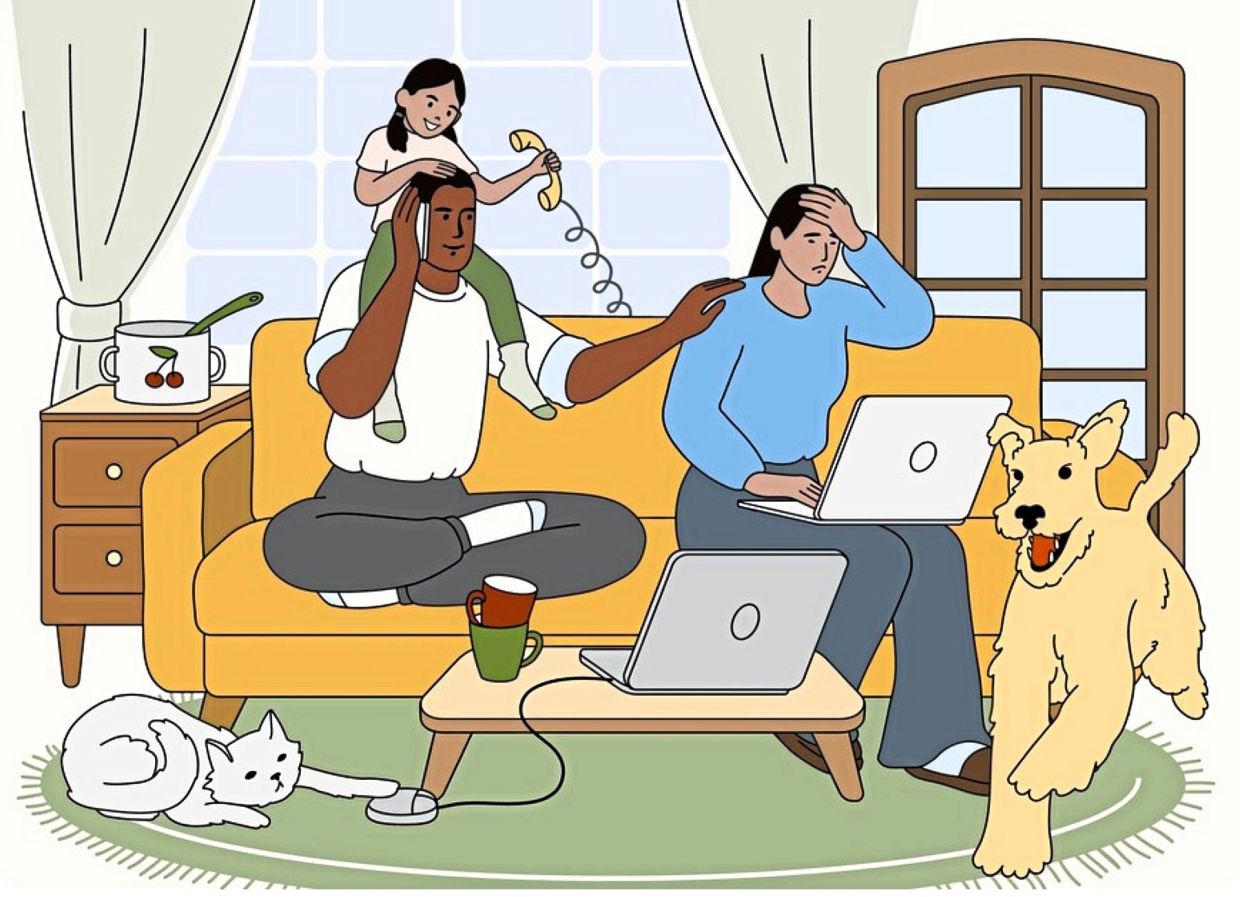
Still, change is on the horizon. In Malaysia’s younger, urban families, a quiet revolution is unfolding.
"In 21st-century households, we're seeing modern fathers who are co-nurturers — doing school runs, cooking, attending parent-teacher meetings," says Bawany. "They're challenging traditional ideas of masculinity and redefining what fatherhood looks like."
Studies also show that when fathers take paternity leave, they form stronger bonds with their children. Yet Malaysia still grants only seven days of paternity leave — a limitation that continues to shape emotional access.
"Cultural and work-related barriers make closeness harder for fathers," says Bawany. "Long working hours, limited time-off, and the pressure to be breadwinners all reduce their time at home. But when fathers are given the chance to bond, they're just as capable of being nurturing and emotionally present."
This echoes international research that finds that matrilineal advantage is not as apparent in societies where gender roles are more balanced and fathers are more involved.
So, can matrilineal advantage evolve into something more balanced? Absolutely — but it requires intention, notes Bawany.
"When fathers are involved as full co-parents, not just helpers, children build equally strong attachments to both," she says. "This not only relieves mothers of the emotional burden but models equality for the next generation.
"Ultimately, it's about shifting from 'I' or 'you' to 'us' in parenting. True growth happens when parenting becomes a partnership — a co-parenting alliance built on respect and shared responsibility between both the mother and father," says Bawany.
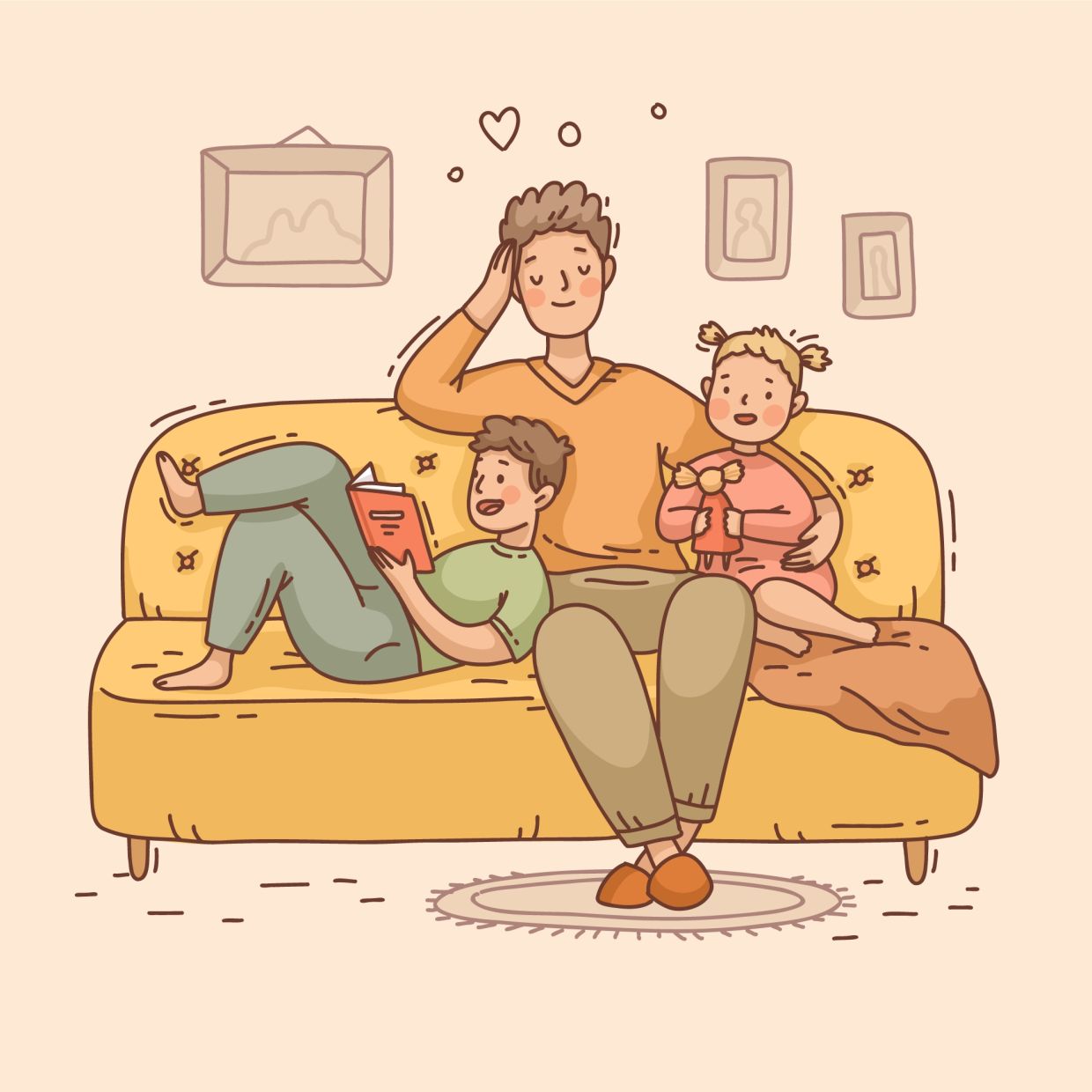
The matrilineal advantage has shaped families for generations, rooted in love, labour and legacy.
But as gender roles evolve, so too does the meaning of family closeness.
"We're not rejecting traditional roles — we're rebalancing them," says Bawany. "The goal isn’t to make mothers less central, but to make fathers more emotionally present. When both share care and authority, the family becomes stronger.
"As modern Malaysia navigates changing family values, the matrilineal advantage serves as both mirror and map: a reflection of where we’ve come from, and a guide toward more equal, emotionally rich homes.
"Because at the end, every child deserves two anchors — not just one. And every parent, regardless of gender, deserves the joy of being their child’s safe place," she concludes.