A new coffee table book and a smartphone app are bringing knowledge, access and community support to empower breast cancer survivors in their journey.
The book, titled Living Well, Living Longer, is a series of portraits and reflections from patients, caregivers, health professionals and advocates.
Novartis Malaysia country president Sanjeev Balachandran says each story offers a window into what it truly means to live with cancer.
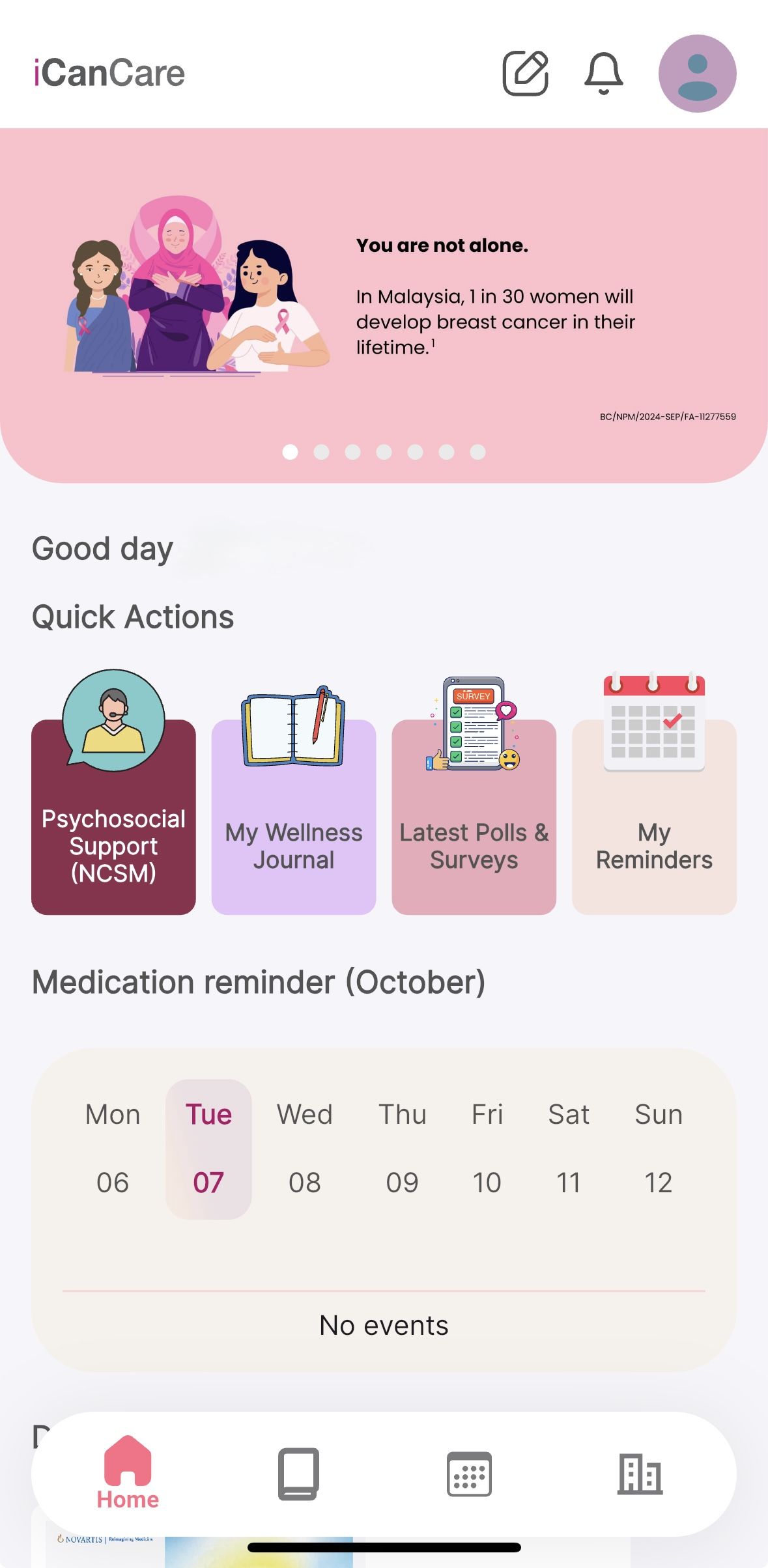
Meanwhile, the ICanCare app is a mobile tool that offers local resources, psychosocial counselling options and guidance for both patients and caregivers navigating the complexities of cancer care.
“With the coffee table book and app, we’re advancing holistic breast cancer care by expanding awareness and providing access to emotional guidance, localised disease information and resources, so that every cancer patient has support at her fingertips,” Sanjeev says.
National Cancer Society of Malaysia deputy director Dr Vignesvari Subramaniam says the book represents something they've been championing for years: visibility and voice.
“For too long, cancer has been spoken about in whispers,” she says. “But survivors are not just surviving, they’re rebuilding their lives and redefining what wellness looks like. This book celebrates that courage.”
Breast cancer may begin as a medical diagnosis, but it becomes a deeply emotional journey that reshapes families, friendships and priorities.
That sense of togetherness was central to the creation of Living Well, Living Longer, says Dr Vignesvari.
“When patients read these stories, they see themselves. They realise they’re not alone and that’s the first step towards healing.”
While medical advancement has transformed breast cancer care, Malaysia continues to face challenges.
According to the Malaysia National Cancer Registry Report 2017-2021, more than 50% of breast cancer cases are detected at later stages, significantly affecting survival rates.
Malaysia’s estimated five-year breast cancer survival rate is approximately 67%, compared with 80%-90% in developed countries.
“Late detection and lack of awareness are still major issues,” says consultant clinical oncologist Dr Mastura Md Yusof.
“But what’s equally critical and often overlooked is emotional support. Once treatment ends, many patients feel lost. That’s where advocacy and shared experiences make all the difference,” adds Dr Mastura, who is also technical advisor to the Breast Cancer Welfare Association (BCWA).
Available free on mobile platforms, the ICanCare app, developed in collaboration with advocacy groups, hopes to educate survivors while extending emotional support.
For caregivers like Jasmine Wong, whose mother is a stage three breast cancer survivor, the app is a lifeline.
“I used to spend hours online looking for reliable information – what to expect after chemo, how to manage fatigue, what to cook for her. This app has everything in one place. It feels like someone finally thought of the caregivers too.”
A digital copy of the book is housed in the ICanCare app itself, and this means it can reach readers everywhere.
Rural patients, younger survivors or caregivers who are unable to attend support group meetings can access this collective well of guidance anytime, anywhere, Dr Vignesvari says.
For advocacy groups, this blend of storytelling and technology represents a new era in cancer care – one that combines the warmth of shared humanity with the accessibility of digital support.
“We see it as a living, breathing effort that continues to grow with every new story shared and every new survivor who reaches out,” says Dr Mastura.
“Both the book and app show that living longer is not just about medicine, but about meaning; not just about survival, but about the courage to live well, with hope and dignity,” concludes Dr Vignesvari.
Support for survivors
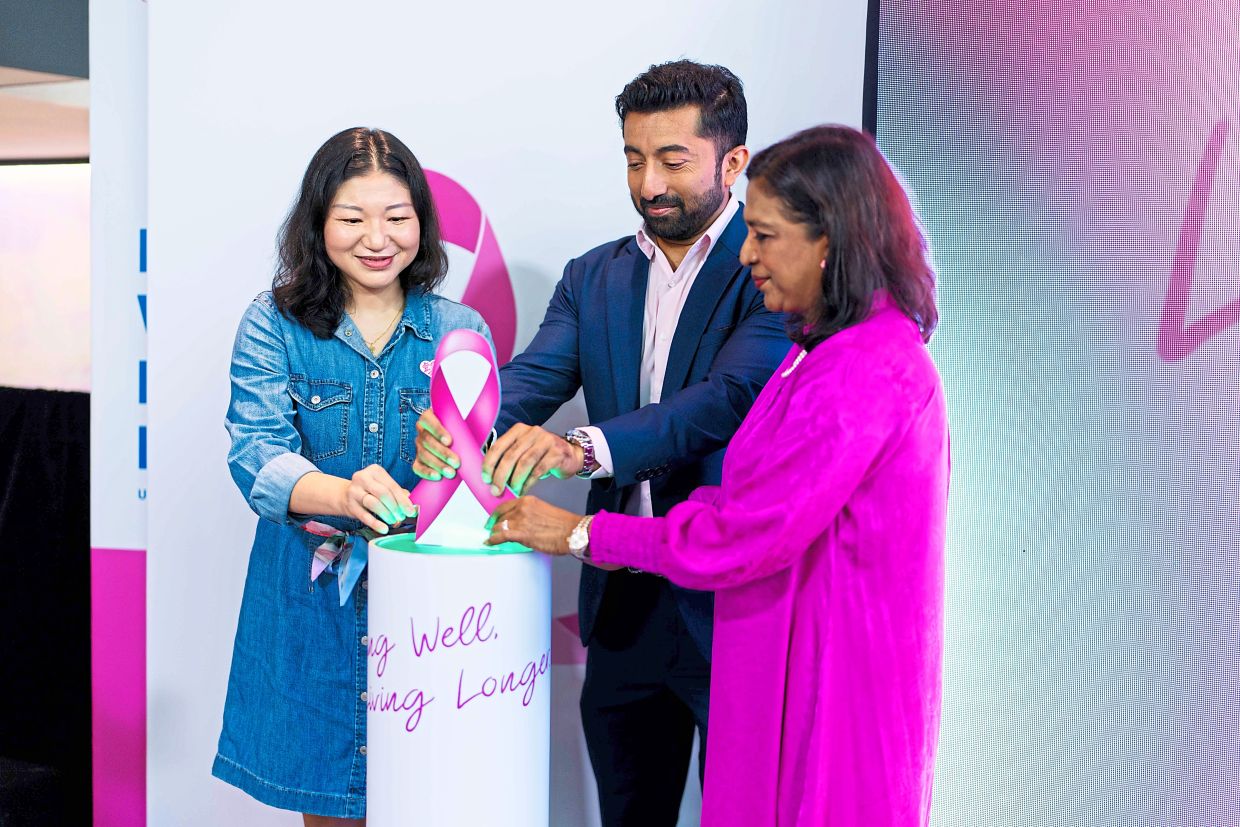
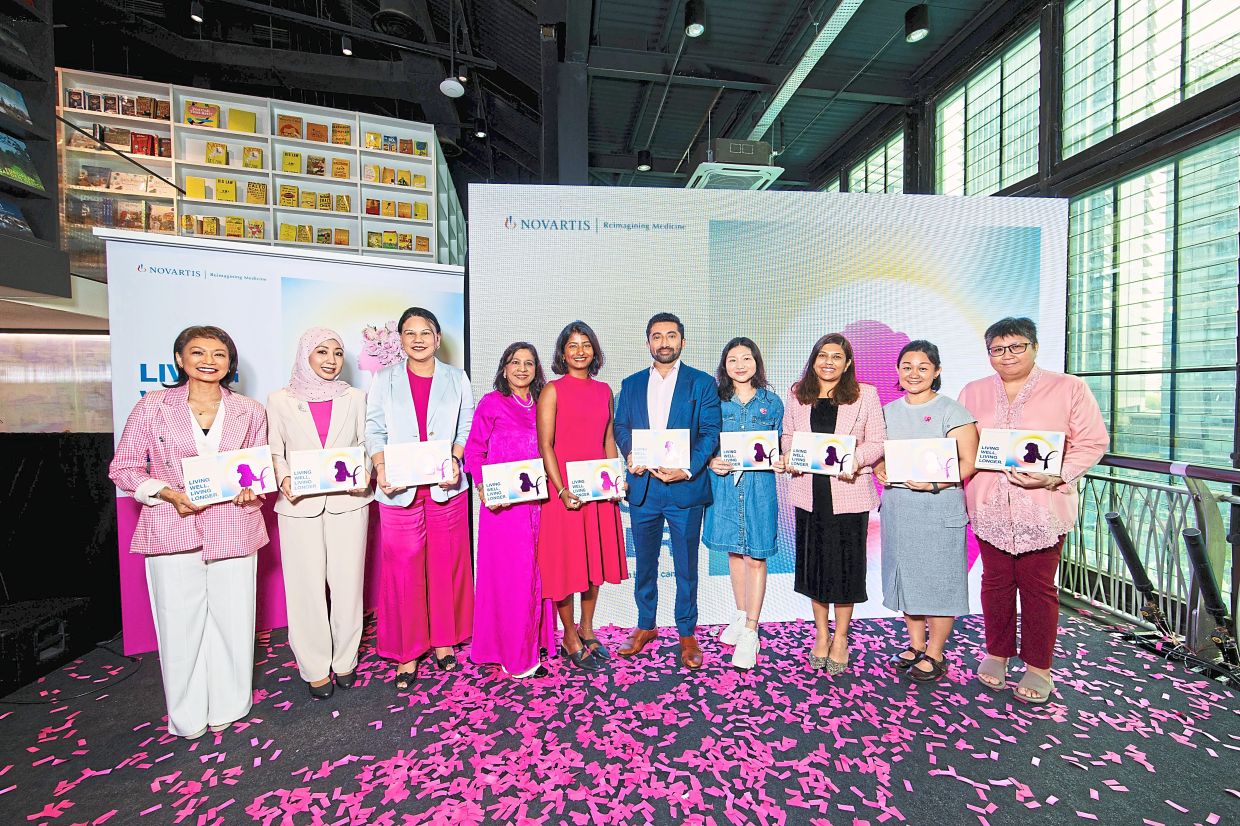
(From left) BCWA president Kim Lim, Sanjeev and Pink Unity president Mahani Kassim at the launch of Living Well, Living Longer. Photos: All Is Amazing
Book contributors and collaborators include (from left) Malaysian singer and breast cancer advocate Atilia Haron, National Cancer Institute clinical oncologist Dr Noor Nabila Mohd, Dr Mastura, Pink Unity president Mahani Kassim, NCSM Guided Patient Support programme coordinator Dr Suwarna Laxshmi Ramanathan, Sanjeev, Lim, Dr Vignesvari, BCWA secretary Liew Swee Lee and breast cancer survivor Grace Tam.
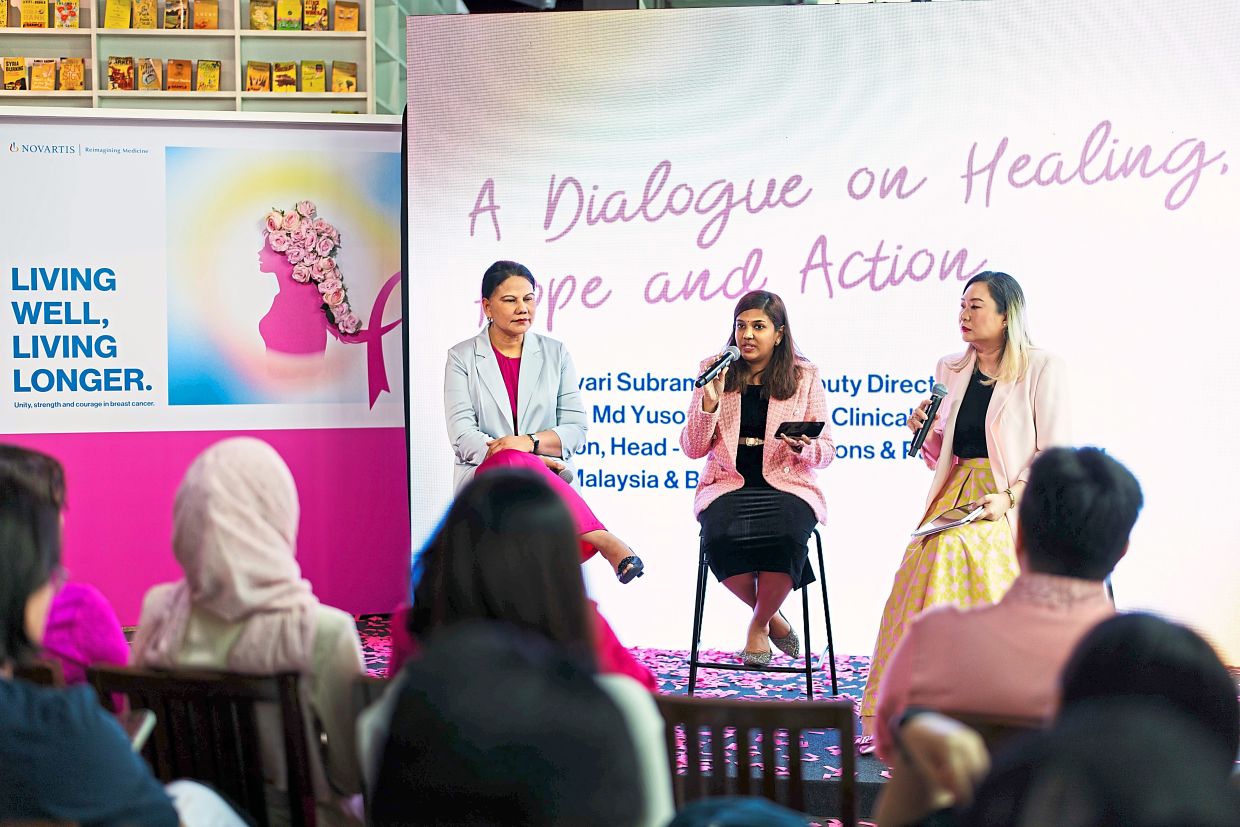
A panel discussion on healing, hope and action with (from left) Dr Mastura, Dr Vignesvari and Novartis country head of communications and patient advocacy Melissa Hon.
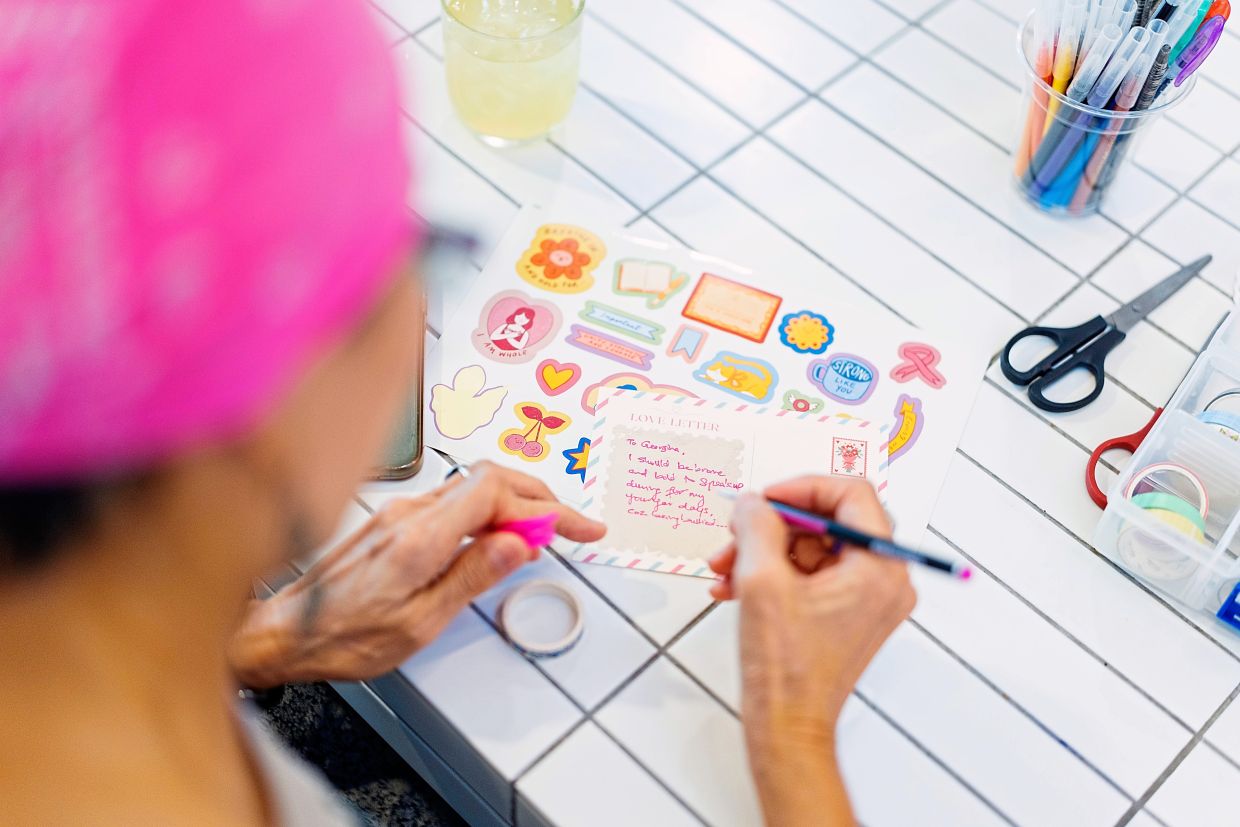
The journalling workshop helps participants understand and connect with the journey of resilience shared in the book.
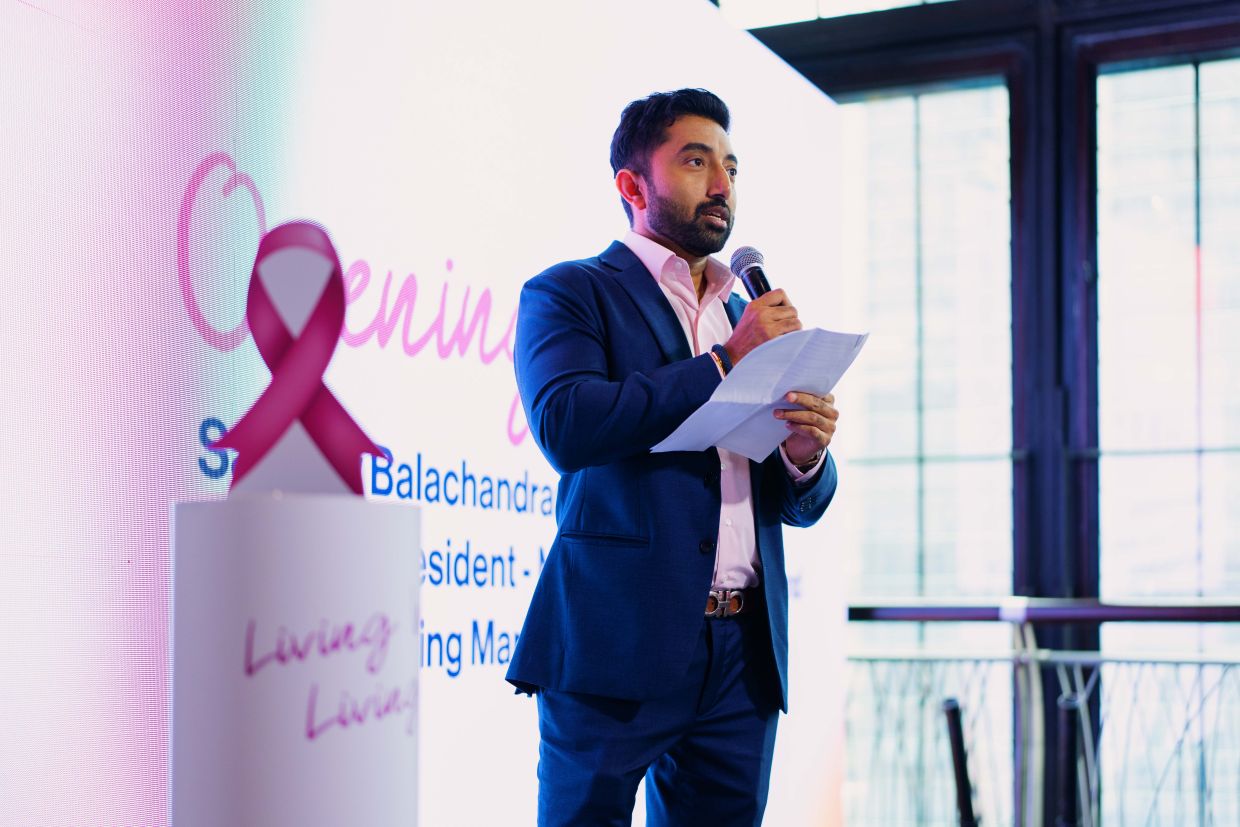
Sanjeev giving the opening remarks at the Living Well, Living Longer coffee-table book and ICanCare app launch.
Available free on mobile platforms, the ICanCare app, developed in collaboration with advocacy groups, hopes to educate survivors while extending emotional support.