
Teenagers used to head to football clubs or the tennis courts to meet up, chat, see and be seen.
Now, it's the gym.
Kids nowadays idolise influencers not sports stars and seek to emulate them, says German sports sociologist Thomas Alkemeyer, one of many concerned about the physical and mental impact of such changes.
One reason is the fashion for sharing selfies on social media, he says. People want to look as good as they can.
"People's bodies have become important status symbols, like a calling card," says Alkemeyer. "With a slim, well-trained body, I can show that I am self-disciplined and my life is under control."
Otherwise, he says, young people generally have little power to shape their own lives – and they see life at present as very uncertain.
"Working out and building muscle offers them the chance to at least determine something for themselves, to prove to themselves and others that they are capable of achieving something," he says.
Some find this boosts their self-confidence.
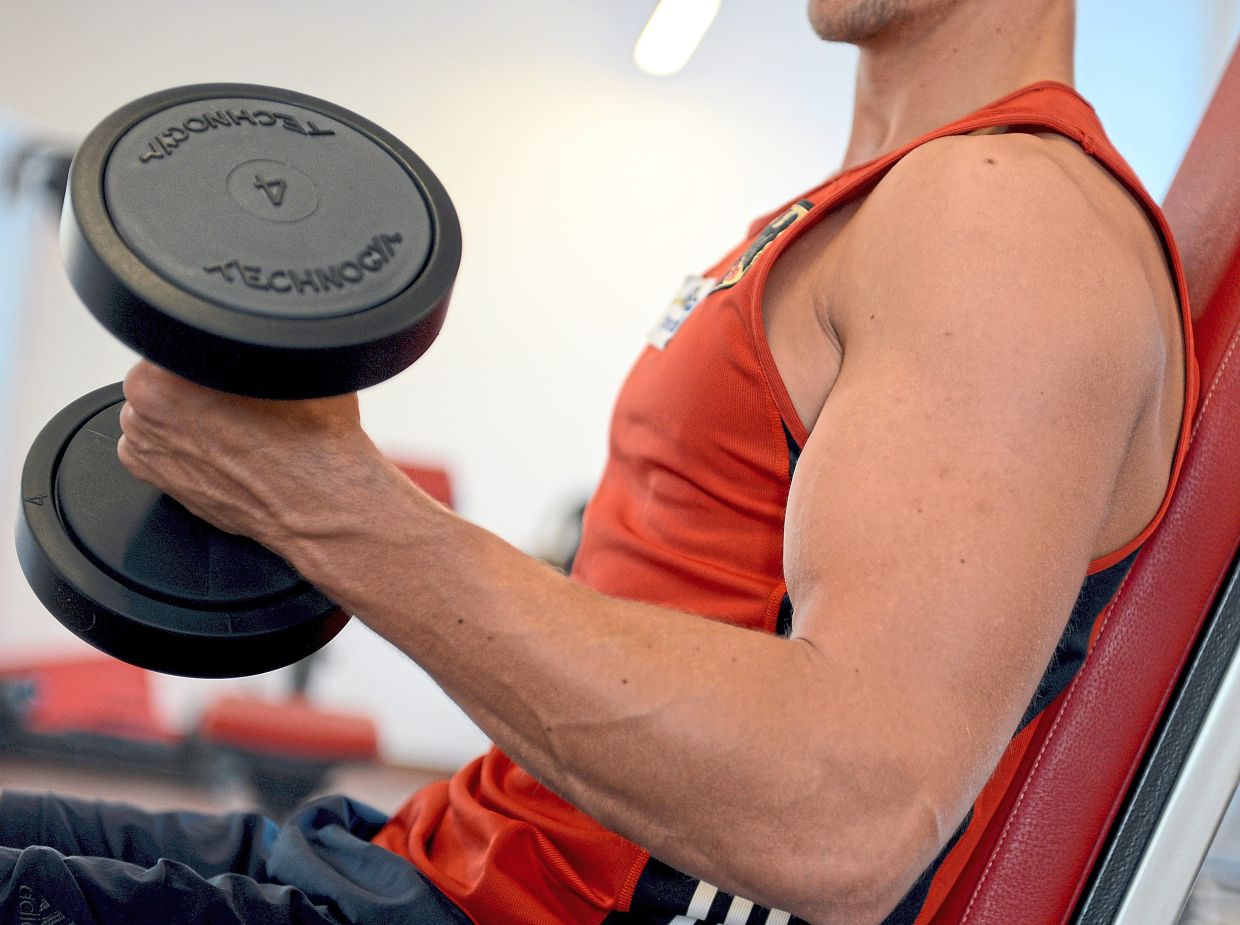
From a health perspective, there is nothing wrong with strength training for adolescents, says Heinz Kleinoder from the German Sport University Cologne. "You should always start exercising as early as possible."
Done right, strength training makes you more stable, increases bone density and improves motor skills, he says.
But such training is very self-centred and is all about outward appearance, according to Thomas Alkemeyer from the Carl von Ossietzky University of Oldenburg.
Team sports, on the other hand, help develop other values. Plus, he says, personality traits such as the ability to motivate team members are highly important.
Celebrating a win with a team is a very special feeling. "While you can meet like-minded people at the gym, it certainly can't hurt to combine strength training with a team sport," says Alkemeyer.
"Focusing too much on yourself or your own body can increase tendencies towards loneliness."
Loneliness is already one of the central problems of our current society – "and this is increasingly affecting young people," he says.
The popularity of strength training
Strength sports are now among the most frequently practised activities among 13- to 17-year-olds, a German poll found.
Some 43% of boys and 12% of girls in this age group play football, 18% of boys and 23% of girls swim, and 29% of boys and 24% of girls do strength and fitness training.
The proportion of adolescents who are members of sports clubs has fallen significantly over the last decade, according to the poll by the German Sports Youth (DSJ) in the German Olympic Sports Confederation (DOSB) in 2023.
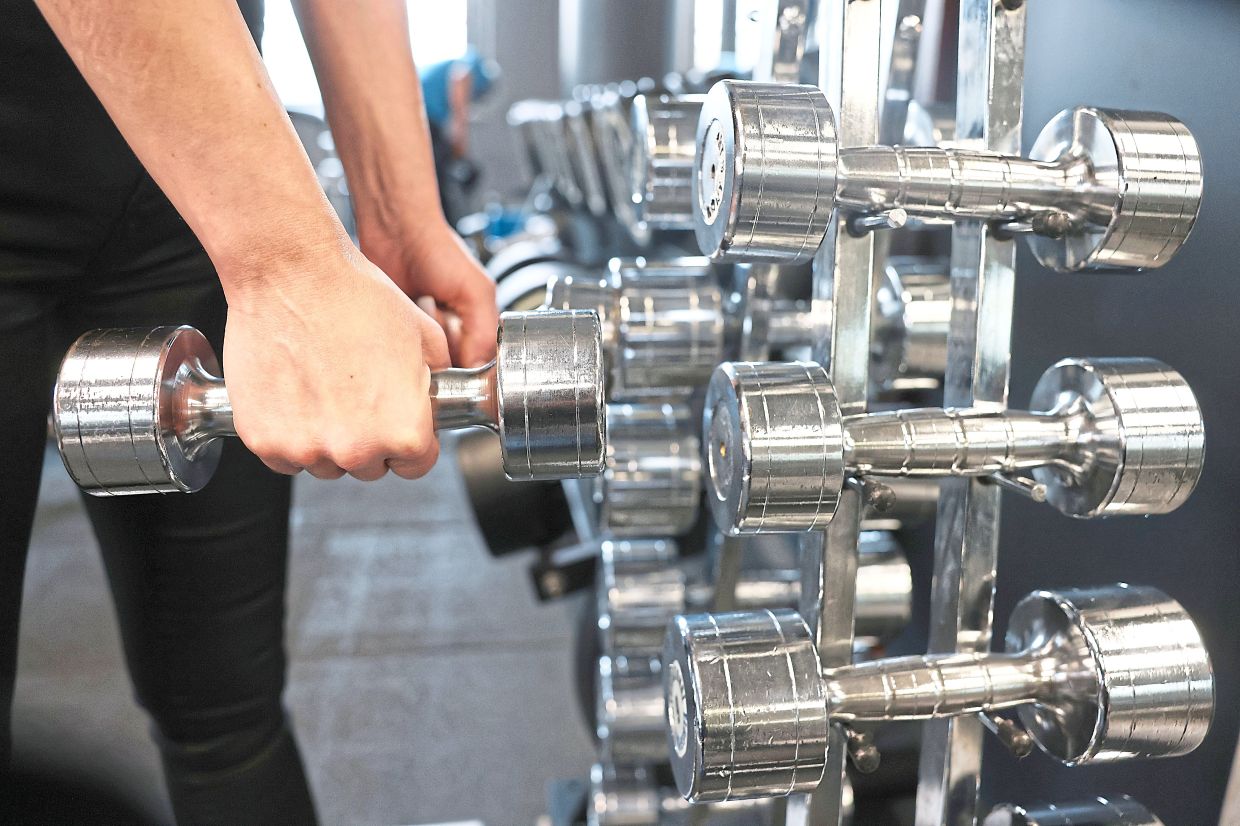
Young people's interest in gyms has been growing for years, says the German Employers' Association for Fitness and Health Facilities (DSSV).
Age regulations vary from place to place but usually, youngsters have to be 16 before they can become members of a gym in Germany.
Activities at commercial gyms are not always closely supervised – meaning those who are inexperienced may skip laying foundations for healthy aging or the right posture but instead focus on emulating musclular influencers.
"Even some adults are not particularly sensible in this area," says Kleinoder. "But if I start with high-intensity training even though I lack the physical foundation, it's going to go wrong."
Trying to lift as much as possible right away can damage your lower back, shoulders, knees and ankle joints, he says. Also, alongside gradually increasing the load, precision is important when doing such exercises.
"Without a lot of previous experience or a coach constantly watching and correcting you, it's almost impossible to achieve."
Protein supplements
A further concern is that young people are often exposed to ads for protein supplements online.
Teens who train don't need to spend their pocket money on these expensive products, says Kleinoder. They can easily get sufficient protein from a regular diet.
It is often impossible to estimate which potentially dangerous substances may be contained in dietary supplements, he adds.
High doses of individual amino acids in the form of supplements can lead to an imbalance in amino acid metabolism, the German Nutrition Society (DGE) warned recently. There are indications that this can lead to a deficiency in other amino acids or neurological disorders.
Users of protein bars, powders and muscle-building supplements are more likely to show signs of muscle dysmorphia, a Canadian study found.
Sufferers strive for muscle to a pathological extent, training excessively and focusing their eating habits on muscle, says Kyle Ganson of the University of Toronto and his team, in a study published in PLOS Mental Health. Such young people are at risk of neglecting their education and friendships, they found.
"There are young people whose whole lives start to revolve around shaping their bodies," says Alkemeyer.
The problem is not specifically weight training, he adds. "This can also happen in other activities, especially high-performance sports." – dpa