



Sumo is more than a sport in Japan. It’s a sacred tradition, a 1,500-year-old spectacle steeped in Shinto ritual and ceremony.
But at its heart lies a long-standing taboo: women are still barred from the traditional ring, known as the dohyo in Japanese.
That legacy is now facing quiet resistance.
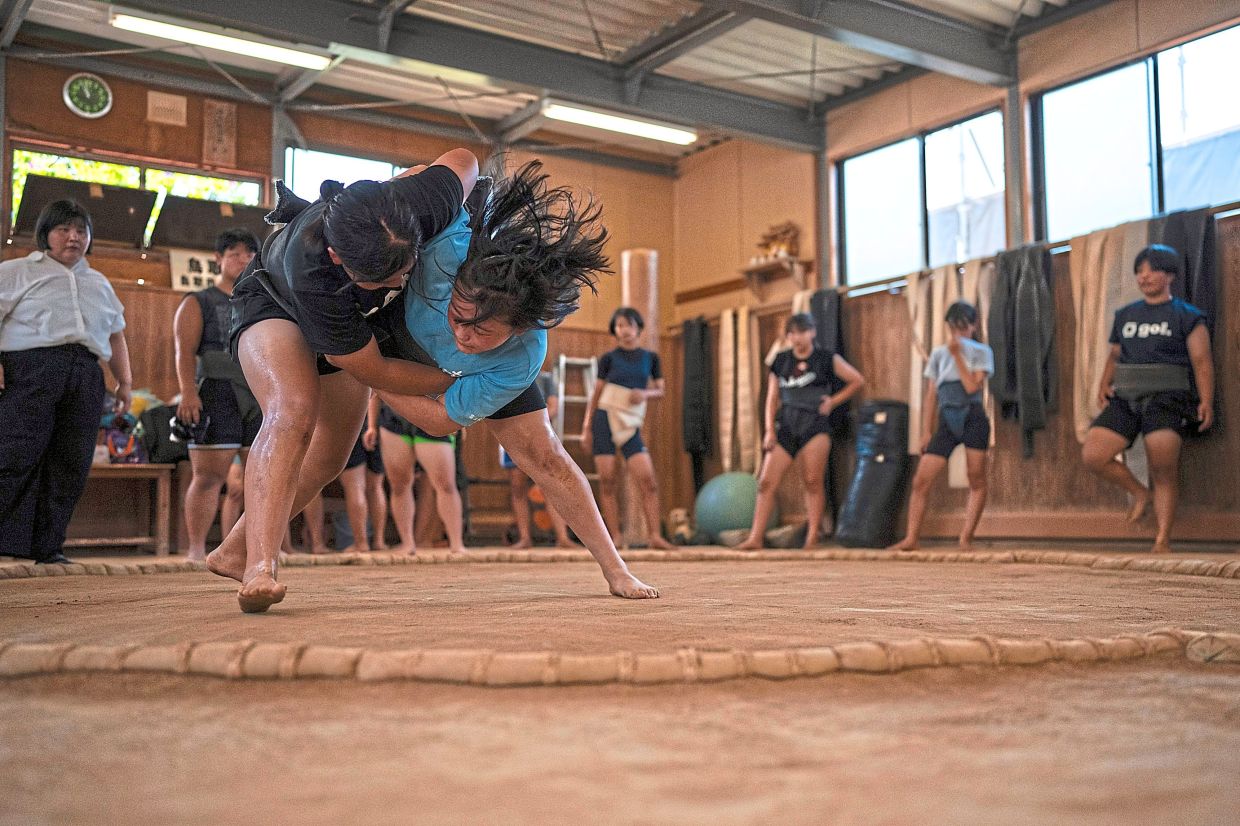
While professional sumo – the sumo that the world is used to seeing – remains closed to women, a small but growing group of more than 600 female wrestlers is making strides at the amateur level in Japan.
Their ambitions extend beyond the Sumo World Championships, an international men’s and women’s amateur sumo competition that took place last week in Bangkok, Thailand.
“I want sumo to become an Olympic sport with no gender distinction,” says 27-year-old Airi Hisano, who pursues sumo alongside her day-job at Tachihi Holdings and has a reputation as the strongest female sumo wrestler in Japan. She weighs 115kg and stands 1.72m tall.
She’s the sole member of the company’s women’s sumo club, but head coach Daiki Toyonoshima is pleased with his lone pupil, particularly when she’s sparring with other females.
“Watching them throw each other and fall face-first without using their hands was deeply impressive,” says Toyonoshima, a former professional wrestler.
“Women’s sumo is powerful and matches the intensity of male bouts.”
Sparking a change
Veteran NHK broadcast commentator and club manager Fujio Kariya says women’s sumo could have impact in a country where gender roles are rigid.
“It can spark real change – not just in sports, but across Japanese society,” Kariya said.
At another training site, the Keio University Sumo Club, women and men – and boys from the Keio High School team – train side by side.
Leading them is 22-year-old Rio Hasegawa, the 2024 middleweight world champion and the first female to join the Keio Club since its founding in 1919.
At 1.71m and 72kg, she’s taller and heavier than most Japanese women. Her build reflects the power sumo demands.
Unlike males who compete bare-chested in mawashi, the traditional loincloth, women wear it over spandex shirts and bodysuits.
“It’s unavoidable – women have body parts that must be covered,” Hasegawa says. “I’ve never wanted to compete dressed like a man.”
She added that clothing reflects cultural modesty while also signalling body image expectations.
“If I quit sumo,” says Hasegawa, “I might think about losing weight.”
Male sumo wrestlers often drop weight once they leave the sport, with research showing the large body mass might lead to health problems.
“In Japan, slim is often equated with beautiful,” says 19-year-old Shiho Suzuki, one of Keio’s four female wrestlers.
“But for performance and health, thin isn’t everything. A strong, healthy body with some weight on it is attractive, too.”
Bullied and teased
Suzuki, who is 1.6m and 78kg, says girls in sumo often face teasing – enough to drive some to quit.
Others like Keio University sophomore Nana Nishida call it outright bullying. As a middle schooler, she lost 20kg over just three months in an attempt to make it stop.
“Sumo is a sport where you cannot win with technique alone,” says Nishida. “It’s important to make use of your body type.”
Since 2016, girls from across Japan have travelled to Tottori Johoku High School – located roughly 600km west of Tokyo – or about an eight-hour drive – to attend week-long spring and summer training camps at the nation’s largest girls’ sumo club.
Much about the camp is for getting stronger, improving technique and bulking up – which means not skimping on meals. A typical meal consists of pork in a tangy sauce, vegetables, white rice, and candied sweet potatoes.
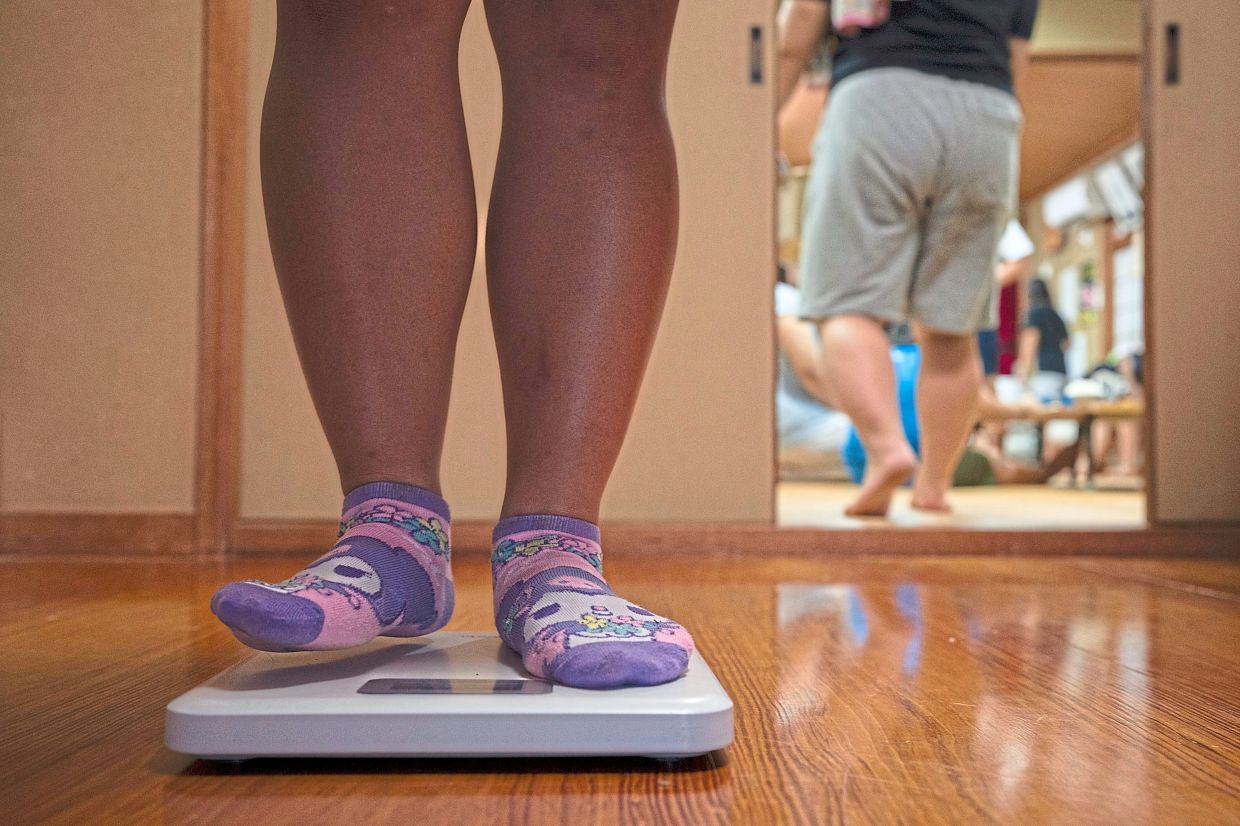
Also typical is the ritual weight check before and after eating.
“We eat to build muscle and maintain our weight,” says 15-year-old Sora Kusuda from Osaka, who has practised sumo for seven years and weighs 110kg and stands 1.65m.
Government data show that more than 20% of Japanese women in their 20s and 30s are underweight.
Sumo wrestlers are not trying to lose weight
In fact, Kusuda has another clear goal. And it’s related to weight, practice and technique.
“I want to become a world champion,” she says. – AP
