
Whether at home or thousands of miles away, loneliness can hit anybody.
However, the feeling may be more intense for those who are leaving everything familiar behind.
When Roshini Rudrapriya Raja Segaran moved to Dublin to pursue her studies, her biggest fear was being alone.
“I was scared I wouldn’t be able to manage everything on my own,” says Roshini Rudrapriya, 24.
For many young students abroad, feelings of loneliness and isolation are among the common struggles they go through – and overcome.
Founder of Soul Mechanics Therapy and mental health counsellor Devi Venashinee Muruges explains that loneliness is not always about physical solitude.

“It is more of a feeling of disconnection from the people around you,” she says.
“A lack of close, meaningful connections or difficulty with emotional expression can contribute to this sense of loneliness.”
Although anyone beginning a new chapter in life might encounter these emotions, being in a completely different location often makes the experience harder.
Building bonds
Friendships usually become the lifeline for students navigating life in a foreign country.
For Roshini Rudrapriya, finding the right circle made all the difference.
“The first group I truly connected with was my housemates,” she says.
“They were the ones I could rely on, whom I could talk to about anything and who cared for me on a deeper level. They gave me a family away from home and with them, I didn’t feel so alone,” she adds.
For Ang Wei Wen, 21, who studies in Manchester, making friends came naturally once she realised most people were in the same boat.
“I am lucky that the friends I made in my first month of university are the closest friends I have now,” she says.
“Reaching out to them turned strangers into lifelong companions, and being with them really helped me feel a sense of belonging.”
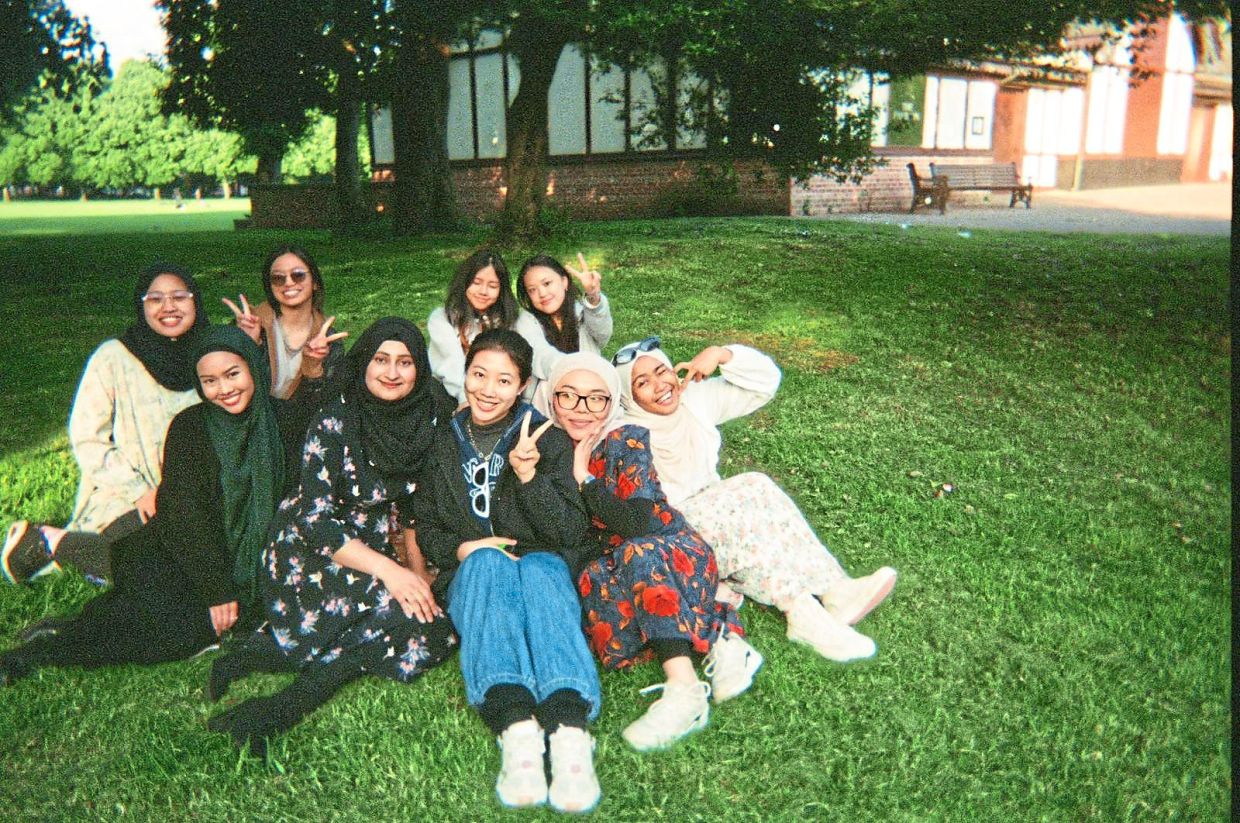
For Nur Anis Syahira Din, 21, a student at the University of Auckland, the fear of rejection kept her from making the first move.
“I assumed that everyone already had their own friend groups, so who’d want to be friends with me? But I was wrong, many other students were trying to form connections too,” she says.
Her solution was to join societies and events related to her hobbies, which made conversations flow easier as they shared the same interests.
“Outside of college, Keluarga Kiwi – a group that links Malaysian people in the South Island – made me feel so welcomed,” she adds.
Devi Venashinee agrees that peer networks and student clubs can give people a sense of community since they encourage social engagement.
“Universities can also help by organising workshops, buddy systems and accessible counselling services to assist students in feeling that they matter.”
Helping habits
Beyond creating new friendships, students rely on technology to bridge the gap with loved ones back in Malaysia.
“FaceTime has been essential for me to keep in touch with my family,” says Roshini Rudrapriya.
“Sometimes I’d just put them in the background and I’d go study or work, and it’s like they’re there with me in the room.”
Nur Anis agrees: “Video calls with my parents help me cope with the loneliness. Even just a five to 10-minute call can be enough to cure my negative feelings.”
Both believe that hearing familiar voices can boost their mood and keep them happy.
Devi Venashinee points out why such support is important.
“I’ve felt very disheartened in sessions when I’ve heard stories of parents never initiating calls with their children while they are away studying,” she says.
“While parents believe they are promoting independence, they are instead creating emotional distance, which can make students even more lonely.”
“Scheduled video or phone calls and small gestures of care can help students feel seen and emotionally grounded,” she adds.
Ang, on the other hand, admits that she doesn’t contact her family regularly, but it doesn’t mean she has a strained relationship with them.
“Talking to my family on a daily or weekly basis is not a priority for my mental health. Instead, knowing they will always answer when I do call allows me to stay strong in this foreign land.”
Students also find comfort in simple activities.
“Cooking Malaysian food lessens the ache of missing home,” says Nur Anis.

Meanwhile, Roshini Rudrapriya enjoys filling her time with swimming, bouldering and salsa dancing.
She plans trips overseas with her friends too.
“Travelling is definitely on the list to feel less isolated. Just keep busy and you’re already halfway there!” she adds.

Even for Ang, who describes herself as an extreme homebody, hanging out with friends is the way to fill the void.
Devi Venashinee concludes that feeling isolated or struggling emotionally is not a weakness and reaching out for help is an act of courage.