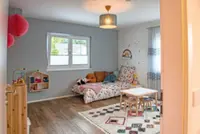
Parents put lots of love and great effort into decorating their child’s room and making it as pleasant as possible.
However, all that nice furniture, the paint on the walls and that cosy carpet can contain all kinds of health-harming pollutants that can damage a child’s hormone system.
“The fewer new things parents buy, the better,” says Luise Korner from Germany’s BUND nature conservation organisation. “A child’s room should not be fully renovated and decorated with new furniture, carpets, curtains and toys just before the birth.”
Nearly all those new items can contain volatile compounds that evaporate over months and even years.
There’s one thing you can do that will have a massive impact on the levels of chemicals in a child’s bedroom: “Buy used things that have already undergone that evaporation process.” Of course, parents should also be closely examining the materials used in new purchases.
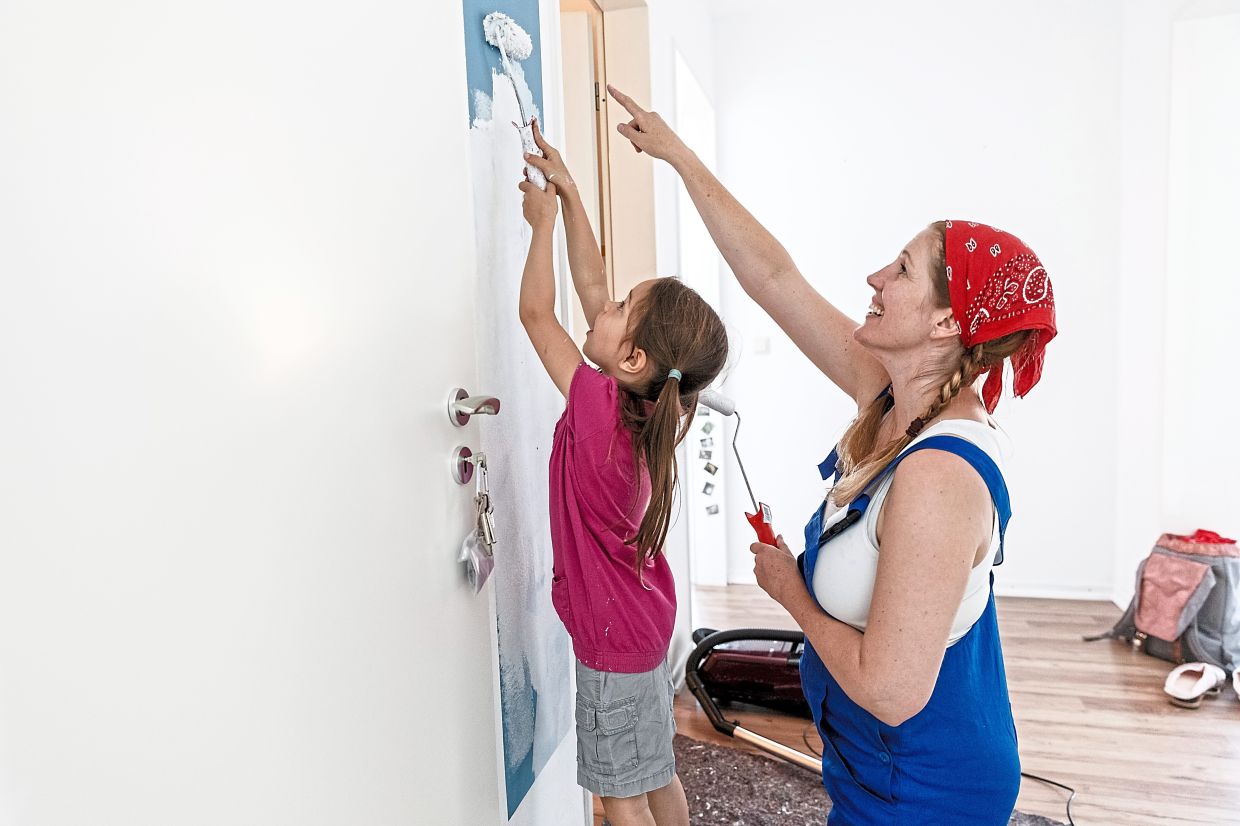
Wall paints frequently contain hazardous substances, but should ideally contain only few solvents. Mineral-based plasters and paints usually emit less than products with plastics.
Emollients are a problem when it comes to floor coverings, Korner says.
“They are found mostly in soft PVC coverings and on the backs of carpets.” Floor coverings made of natural materials such as cork, parquet and linoleum or without PVC are possible alternatives.
Shoppers can also look out for nature-friendly certifications on floor coverings, as these should indicate that the product meets certain criteria.
Do the sniff test
Try sniffing before buying. Ask the dealer to give you a small sample of the floor covering, put it in a screw-top jar and close it. If the air inside smells like a chemical or is particularly strong, forget that carpet.
“Generally speaking, going by your nose is a good idea when it comes to pollutants,” says Susanne Woelk, a consumer awareness campaigner specialising on home safety. “An acrid smell off of new purchases is always a red flag.”
Furniture made of chipboard contains far more glue, varnishes and other coatings than solid wood pieces.
Either way, air new furniture and even mattresses before using them.
Upholstered furniture, curtains or bedding may also be contaminated with chemical substances designed to make them wrinkle-resistant, flame retardant or stain-resistant.
Hazardous waterproofing agents called organofluoring compounds prevent stains on carpets. “Many of these compounds are forever chemicals that virtually do not degrade,” says Korner.
Such substances are particularly dangerous for children because they have to take more breaths than adults and absorb more substances. On top of that, children tend to put things into their mouths.
Where possible, parents should avoid products with chemical additives and use natural materials instead, and certification labels may help you find low-pollutant blankets, pillows or curtains.
Yet, even consumers who choose new products carefully are not always on the safe side simply because of an environmental label. “The overall amount counts,” says Korner.
“The levels in certain products are limited by law, but that is by no means reassuring. Even if all the products in a child’s room are under the limit, the total exposure may still be too high.” – dpa