



Small children love sticks. And rocks. And bottle caps lying in the street. Not to mention all those chestnuts that fall from trees. Three- and four-year-olds collect all these – and many more tiny items – by the dozens and take them home day in, day out. And protect them better than the gold in Fort Knox.
The question is: Why?
German parenting expert and bestselling author Nicola Schmidt says these pocket treasures are rooted in primal human instincts. And she also has tips for parents on how to set limits on what may be starting to feel a lot like hoarding.
Why do you think these treasures are so important to young children?
Nicola Schmidt: We are all hunters and gatherers, have been for more than two million years. That means we collect everything. And whatever connections our kids make, we often cannot even imagine.
When we ask about what they find, we hear amazing stories about why that rock is important, and the other rock as well. I think it’s part of being human.
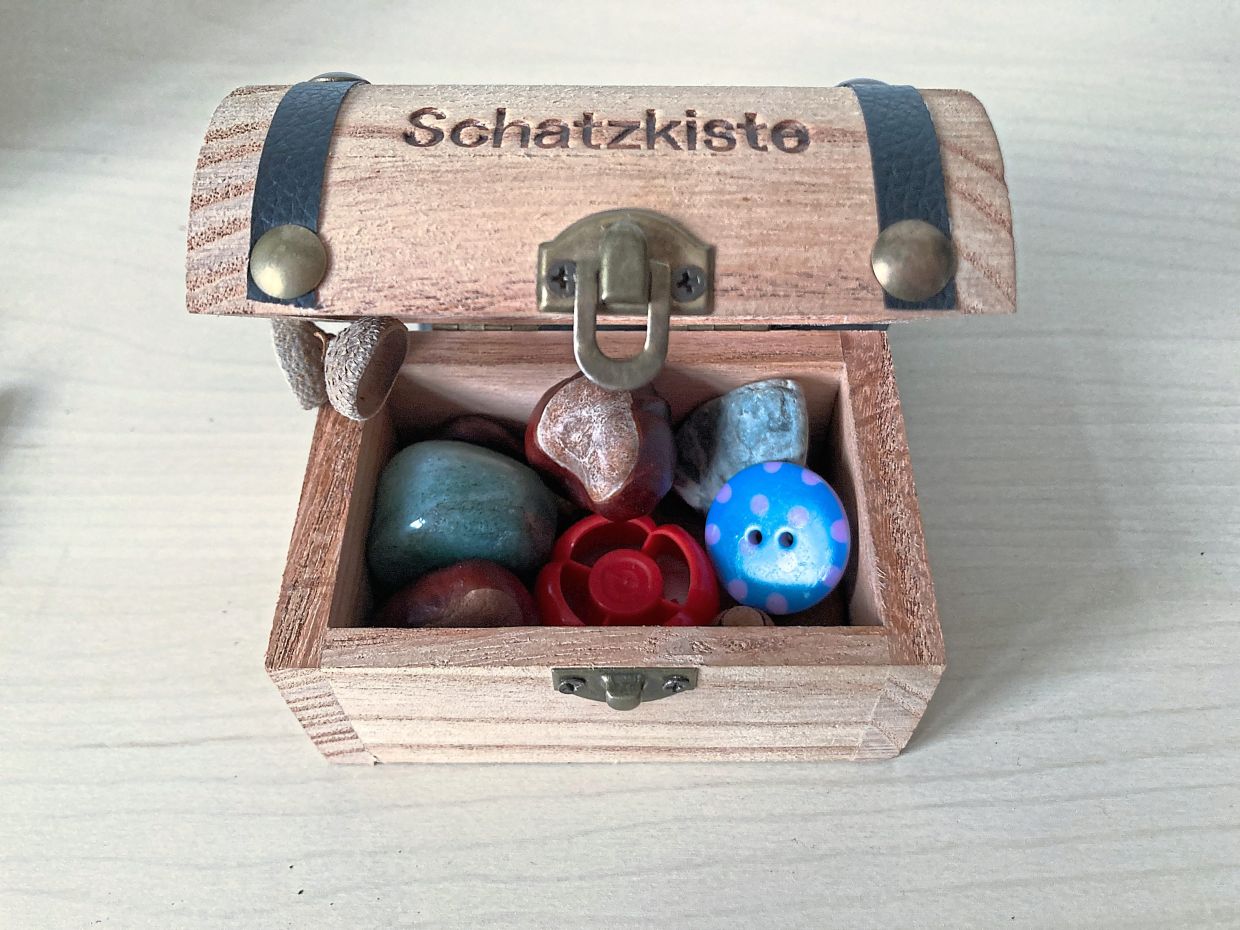
Do parents have to worry that the child will lack something if they feel the need to hoard things like this?
No. The only thing our children often lack is the fact that they can no longer behave like hunter-gatherer children. They want to gather, hunt and kill, especially between the ages of three and four.
And the only thing they often have left is gathering, because our children can no longer hunt or make fires. So we should definitely let them do that.
Nevertheless, parents may have hundreds of chestnuts say at home. Or feel that their kid’s stone collection has become too big. How do you set the right limits?
Teach your child to return things to nature. If they lived nomadically, they wouldn’t be able to carry it all around. We can only do this because we are sedentary.
So teach your child, “All these chestnuts are getting dry now, they have to go back to the forest. They can go back to where they came from and we’ll get them back when we need them again. The stones can go back to their place, the sticks can go back to where we got them from.”
This sounds almost too easy to be true. Do children really accept such encouragement?
Well, a nice side effect is that children also learn something about the cycle of nature, about taking and giving, about extracting resources and giving resources back. – dpa
