



Some 18 years ago, Indonesian martial artist Iko Uwais was working as a telecoms van driver when he crossed paths with Jakarta-based British director Gareth Evans.
That chance meeting would change Uwais’s life, launching him into Evans’ breakout films Merantau (2009), The Raid (2011) and The Raid 2 (2014).
Since then, Uwais has become a bona fide international action star, appearing in a string of Hollywood productions including Man Of Tai Chi (2013), Star Wars: The Force Awakens (2015), Mile 22 (2018), Snake Eyes (2021), Fistful Of Vengeance (2022) and Expend4bles (2023).
He also led the Netflix series Wu Assassins (2019).
Beyond acting, the 42-year-old has also taken on greater creative responsibility, serving as action choreographer on several projects, starting with The Raid.
Now, he is stepping into his biggest role yet – that of a film director.
True to form, the silat master does not do things by halves.
In Timur, he not only directs but also stars as the titular character.
The film is also produced by his company, Uwais Pictures.
Speaking to the Malaysian press recently, Uwais said the decision to direct came from a desire to explore filmmaking beyond performance, after years of working on sets both locally and internationally.
“I’ve learned a lot – not just as an actor, but by observing directing, cinematography and the entire filmmaking process,” said the father of two children with Indonesian jazz singer Audy Item.
“I’m still learning and adapting, especially because on this project I carry two titles. There are many things I’m still figuring out.”
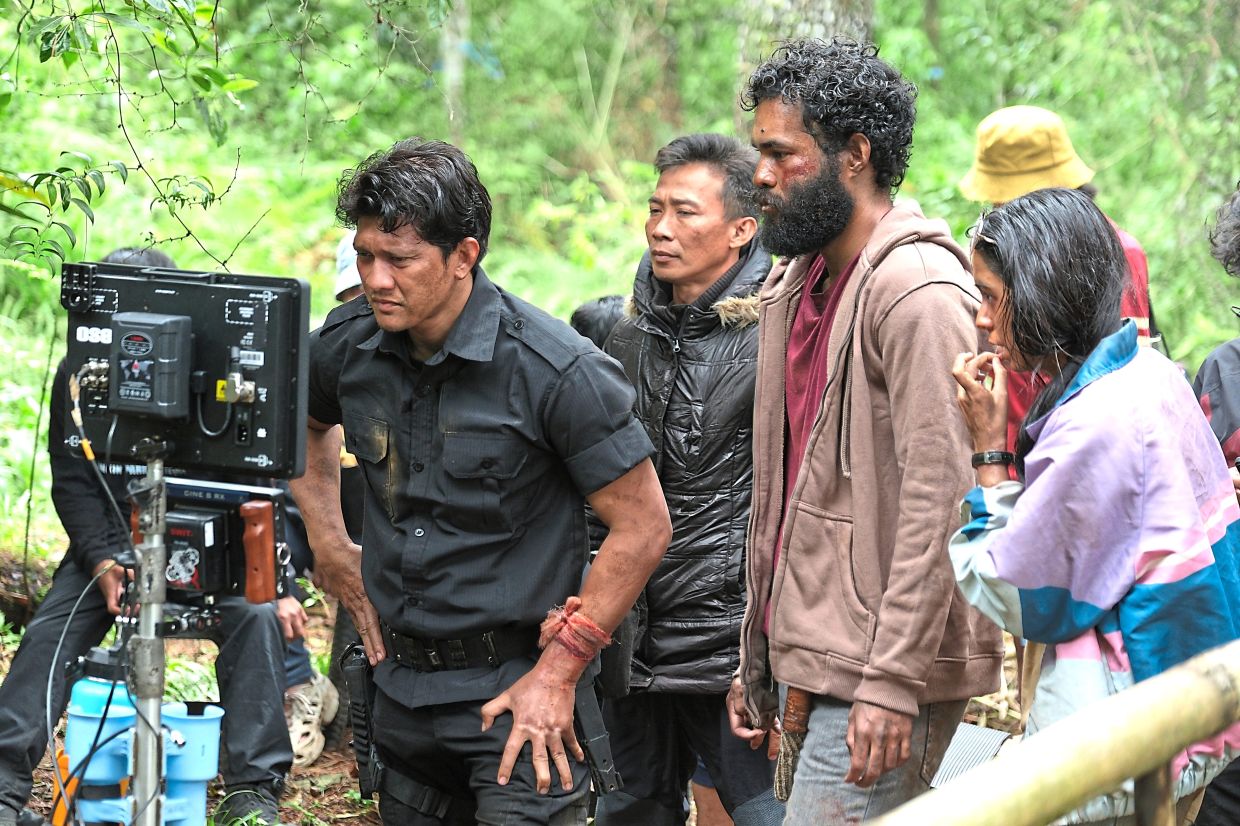
Balancing a dual role on set meant that once a scene ended with him in front of the camera, Uwais would immediately step behind the monitor as director.
“While I’m acting, there’s someone watching over and supporting me behind the camera,” he explained.
“But once I step into the director’s role, the responsibility is fully mine – from costumes and locations to how each character is shaped and supported.
“It’s a lot of responsibility, but this is me stepping out of my comfort zone.
“Before this, as an actor, I was like a puppet – someone else held the strings and told me how to perform. Even so, you still have to bring out genuine emotions.
“A director, however, has a vision and a mission. That’s what I want to explore.”
Fortunately, he said working with the Timur cast made the transition easier, as they delivered performances that felt organic, natural and sincere – exactly what he hoped to achieve in his directorial debut.
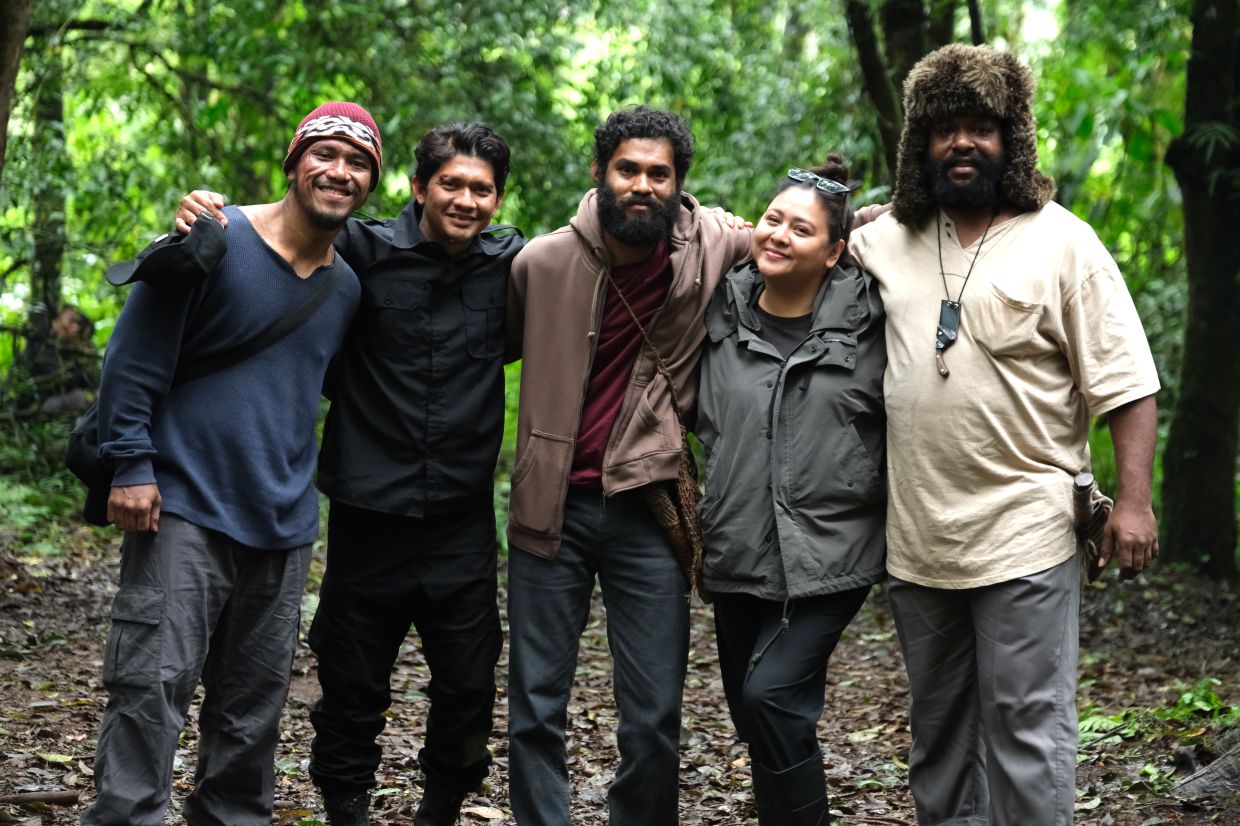
Timur opens with the kidnapping of a group of researchers deep in the jungle by armed rebels. To secure their release, the Indonesian government deploys a small special forces unit led by Timur (Uwais) into the wilderness.
The mission takes a personal turn when Timur realises he is returning to the place he grew up in – and that one of the rebels is his childhood friend, someone he once considered a brother.
To keep the film grounded in realism, Uwais insisted on shooting in an actual jungle.
He obtained permission to film in West Java, Bandung – an area that also serves as a training ground for Indonesian commandos and houses the Indonesian Armed Forces Peacekeeping Centre.
“It’s not easy to enter the area without permission,” he said.
“Thankfully, we received support from the government and relevant agencies, especially since about 90% of the film takes place in the jungle.”
The toughest challenge, however, turned out to be the weather.
“We filmed between late November and December, right in the rainy season,” Uwais explained.
“We would start as early as 5am, but heavy rain in the highlands often cut our shooting time to just five or six hours a day.
“But the cast and crew were incredibly supportive. It really felt like a family on set.”
While he was generously handing out credit at the press meet, Uwais had in fact been commanding a cast and crew of around 250 people, many of whom were essentially camping in the jungle throughout the shoot.
Ever the jokester, he said that when such a massive group first entered the jungle, it felt incredibly cramped – but by the time they left, it seemed far more open, simply because of the sheer number of people moving through it.
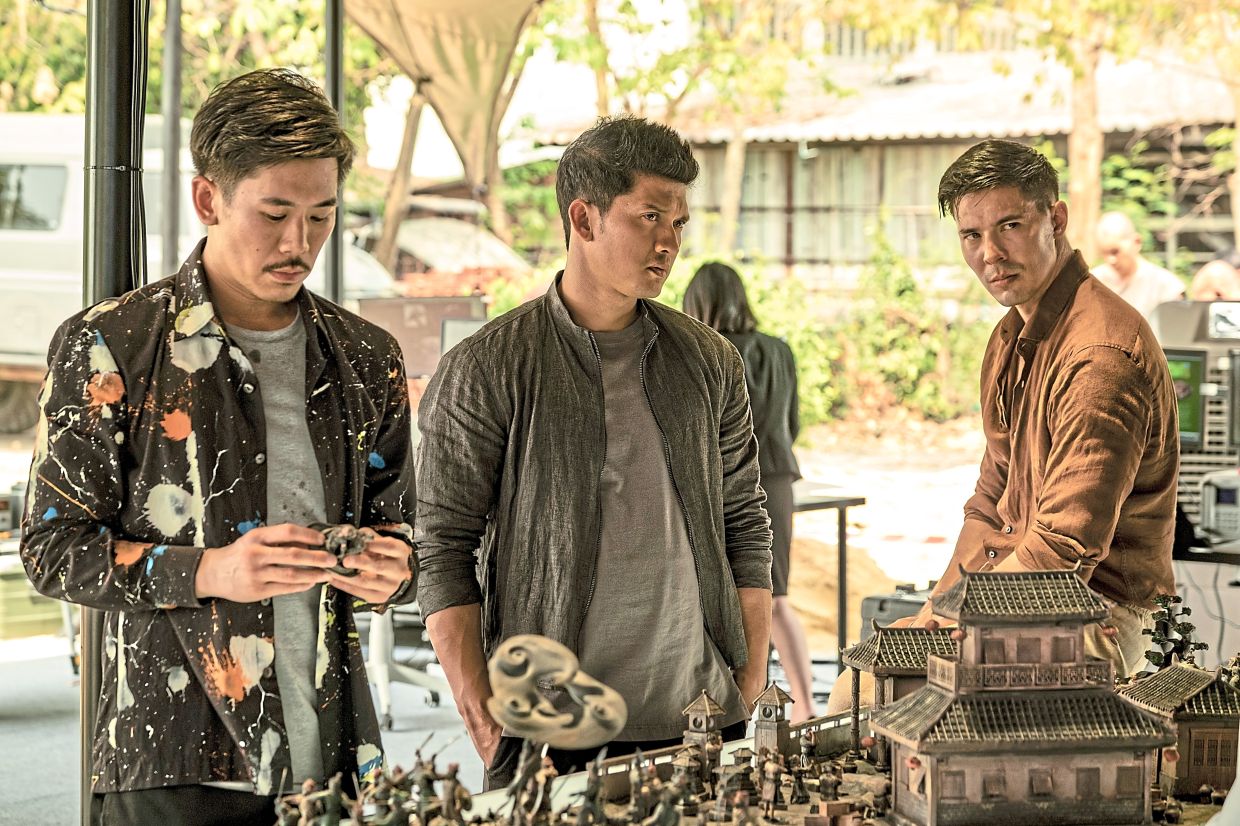
Among the cast members are Jimmy Kobogau, Aufa Assagaf, Yasamin Jasem, Fanny Ghassani, Kiki Narendra, Andri Mashadi and Yusuf Mahardika.
It also helped that even before cameras rolled, Uwais and his team had spent months preparing.
“The preparation for this film took about seven months before shooting,” he said.
“Three months were dedicated to choreography – creating moves, practising them, memorising every action and doing readings with the actors.
“Then, for two months, we created reference videos. These video boards serve as guides, making it easier to shoot later and helping us save time on set.
“Essentially, we could ‘copy and paste’ some shots directly for the actual film.”
Timur, Uwais added, draws inspiration from multiple real-life events and missions, with some fictionalised elements woven in.
“All the assignments come from the special forces command of the Indonesian military – not just a single case or a single scene,” he said.
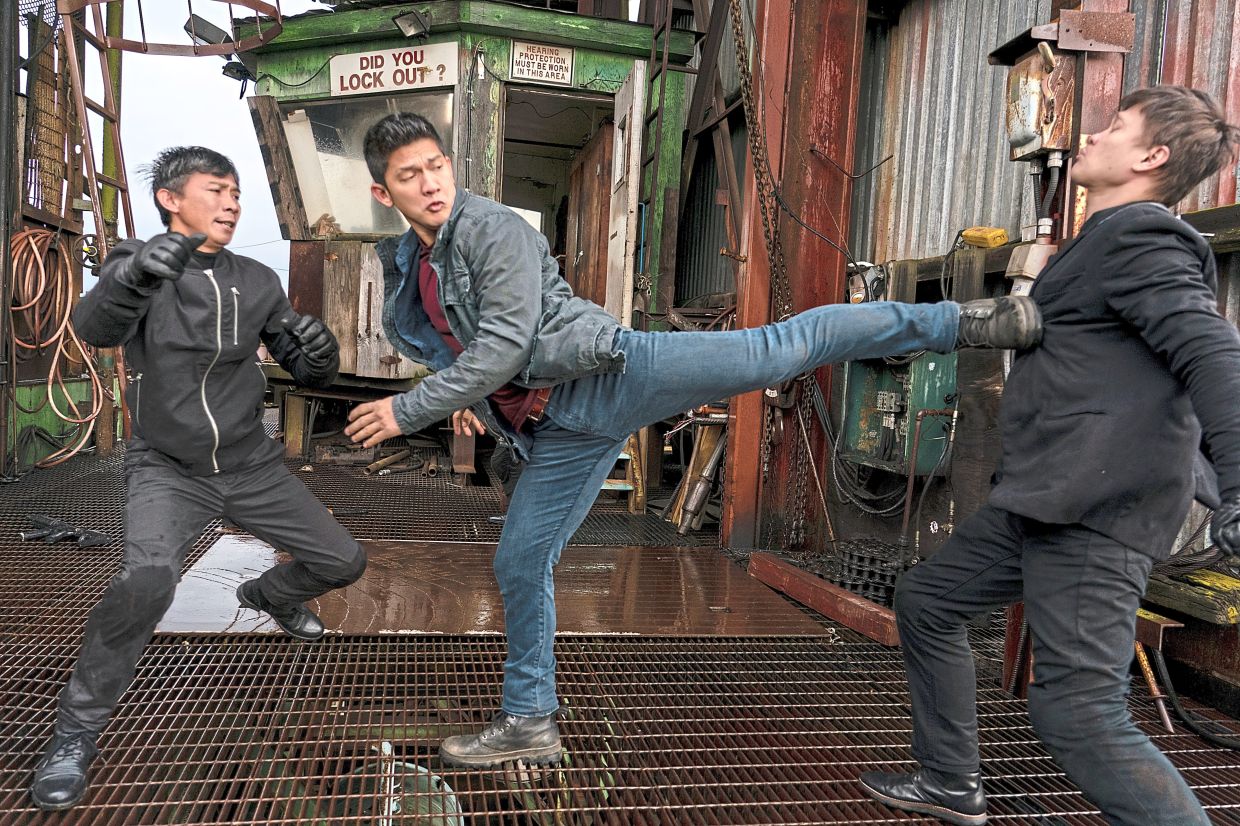
For his directorial debut, it made sense that Uwais would reference Evans’ work, as those films were what first brought him into the film world.
“With Gareth, honestly, I learned a lot from him. From my very first experience working with him on Merantau, and then The Raid and The Raid 2, where I was trusted as the action choreographer to design all the fight sequences.”
Uwais understood early on that everything that appears on screen ultimately comes back to the director’s vision.
“In terms of action style, Gareth’s films and Timur are quite similar in the way the action and choreography are aggressive and intense, sometimes even bordering on gore.”
Uwais added he drew from all the ideas and lessons he has picked up over the years, while still striking a balance.
“It’s not just about delivering nonstop action. I want to share something with the audience – not only adrenaline, but emotion as well. Not just physical exhaustion, but feeling.
“With Timur, I wanted to explore a sense of family and brotherhood.
“We’ve seen many films about romantic love, but I wanted to focus on deep bonds between people – strong brotherhood, strong kinship,” he said.
“Even when we come from different backgrounds, skin colours or cultures, at heart we can still be family.”
The action star added that fight choreography, while physical, carries the same emotional weight as dialogue.
“Fight choreography is very different from dialogue, but the feeling is the same.
“If the chemistry is right, you connect emotionally. Especially in fight scenes – you’re in constant physical contact,” he said.
“It’s not about speed or power, it’s about rhythm and feeling.
“You have to truly understand each other,” he added.
When asked if he would ever work with Evans again, Uwais did not hesitate.
“I would be happy to collaborate with him again. I would still be loyal to being his actor, under his direction.”
Uwais, who had just returned from London after shooting Road House 2 starring Jake Gyllenhaal, said he is equally excited about the prospect of working with fellow Asian filmmakers.
“If there’s a Malaysian production, I’m open to it – absolutely. I’ll make time, I’ll clear my schedule. I’m ready to work with Malaysia.
“I’m happy to collaborate because, as I said earlier, we come from the same roots.
“Let’s move Asian action cinema forward together. When we unite, we bring many cultures together – and that unity makes our cinema richer,” he remarked.
Timur is showing at cinemas nationwide.
