There's value in that trash, so don't go throwing it away just yet. And nope, we're not talking about some Discovery Channel or History Channel junk-picking reality show but a vibrant, wild and bold new anime series, Gachiakuta.
Based on the manga by Kei Urana and produced by Bones Studio (Fullmetal Alchemist, My Hero Academia), Gachiakuta is set in a (presumably) post-apocalyptic world where a vast city (the Sphere) floats above a sprawling trash pile, the Ground (though the Sphereites refer to it as "the Pit").
The Sphere consists of a pristine, elite centre surrounded by settlements of its exiles or "tribesfolk", descendants of criminals banished from the city.
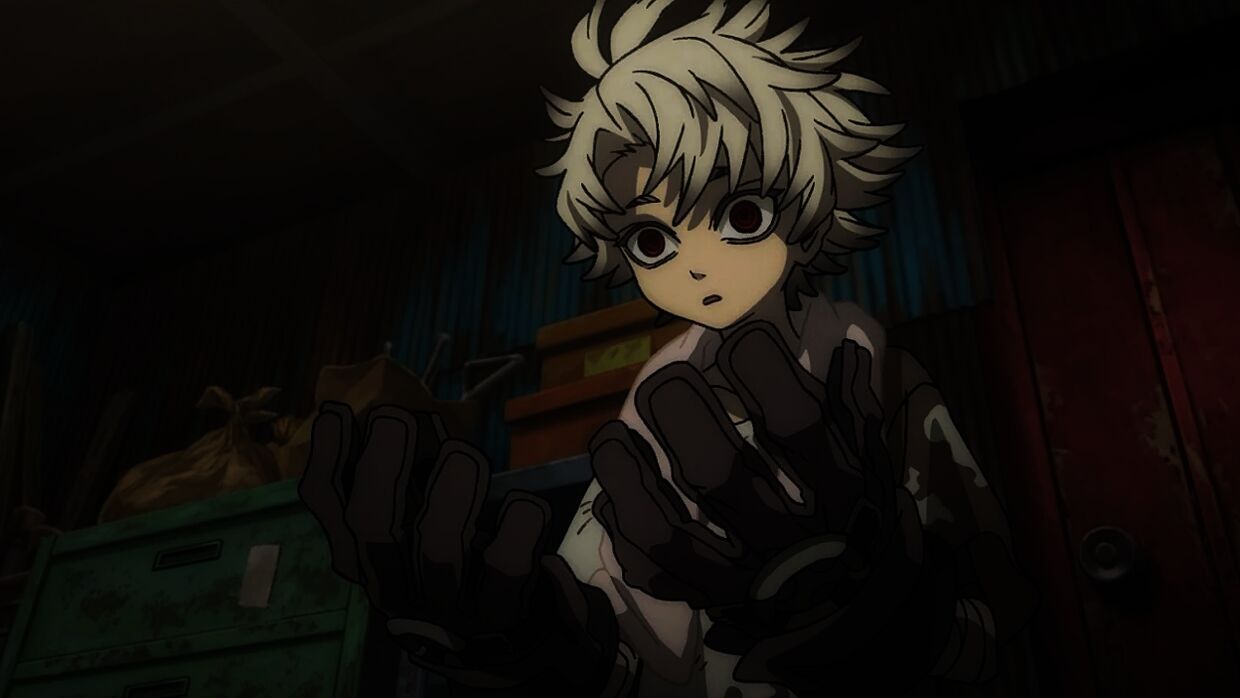
The story revolves around Rudo, a tribal lad who sifts through Sphereites' trash for salvageable items because he believes everything has value and purpose, and nothing should be discarded before achieving its "destiny", so to speak.
Falsely accused of murdering his kind foster father Regto, Rudo is summarily pronounced guilty and thrown into the Pit.
Surviving the fall somehow, he wakes up in a foul place and is promptly attacked by gigantic "Trash Beasts" until a mysterious masked figure saves him.
Before you can say "recyclables in the green bin", Rudo learns that he is a "Giver" – someone with the power to turn inanimate objects into "vital instruments" (no, not mortal instruments): thought-powered items that can be used for attack, defence, even to inscribe spells on people and things (depending on the Giver's specific ability).
This makes him an ideal candidate to join the Cleaners, an organisation of Givers dedicated to fighting the Trash Beasts and keeping order (of sorts) on the Ground.
If this is making your head spin, chill: Gachiakuta's world is premised on the metaphysical notion that if someone shows enough care for an object, it is gradually imbued with an "anima" or essence/soul/lifeforce that reflects the benevolence with which it was treated.
As for the garbage strewn all over the land, well, its anima is shaped by the rejection and bitterness of being discarded – hence the viciousness of the Trash Beasts.
And if these beasts, which take all forms and sizes (haven't seen a Trash Panda yet, though), weren't bad enough, other gifted people are roaming about the Ground and working against the Cleaners (for a range of nefarious purposes).
Of course, being inducted into the Cleaners throws a spanner into those works as he becomes targeted by powerful enemies for reasons slowly being made clear.
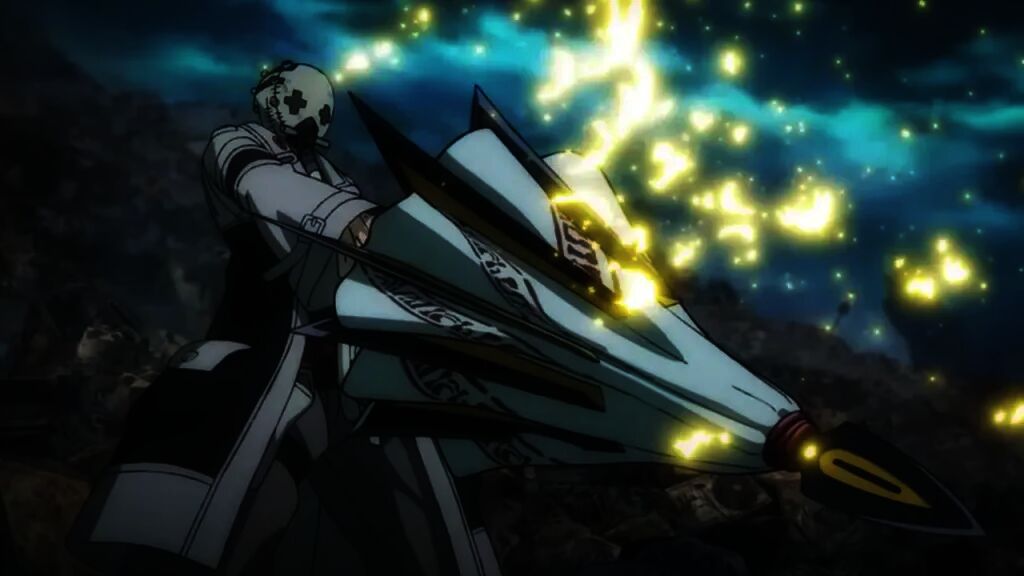
In a world (Trailer Guy voice) where viewers are deluged with anime of all shapes, sizes, genres and hysteria levels, Gachiakuta managed to stand out and grab me.
First, with its wild visuals and sprawling action, and then through the earnestness with which Rudo regards the things that other people discard.
His firm belief that everything is meant for something, no matter how lowly or dispensable it may seem, adds an aspect of inner strength to an already intriguing hero's journey.
Rudo makes a flawed yet compelling protagonist – surrounded as he is by a winning band of supporting characters who are mostly totally in his face (hey, respect a person's space, why don't you) or coolly aloof yet still invested in his welfare (even the baddest of the bad guys, as of the first dozen episodes), and battling on despite the weight of all those chips on his shoulder.
Character "studies" aside, Gachiakuta is at its eye-popping best in its fight scenes, whether against human or anima-imbued foes, best viewed on the biggest home screen possible to take in all that heart and spectacle.
Its first season will reportedly comprise 24 episodes, so we can expect to be happily picking up trash until December. Bin-ge away!
New episodes of Gachiakuta are released weekly on Netflix.
Summary:
The Vital Instruments: City of... Trash?