To comic book fans who came into this hobby because of the Marvel Cinematic Universe (MCU), Iron Man is undoubtedly the biggest superhero for them, as he was the one who kickstarted the MCU itself, and also sacrificed himself to save it in Avengers: Endgame.
However, for fans who have followed Iron Man since the Bronze Age (circa 1970-1985), Iron Man wasn’t the saviour back then, but needed saving instead.
Back in 1978, the Iron Man title was in danger of being cancelled due to low sales. Thankfully, he found his saviours in the creative team of David Michelinie and Bob Layton, who not only helped give Iron Man a bigger role on Earth-616, but also paved the way for him to become THE hero of the MCU.
Layton was in Malaysia recently as the guest of honour for Collektr, a live-streaming community marketplace for fans to buy, sell, or trade collectibles (For more details, visit www.collektr.co).
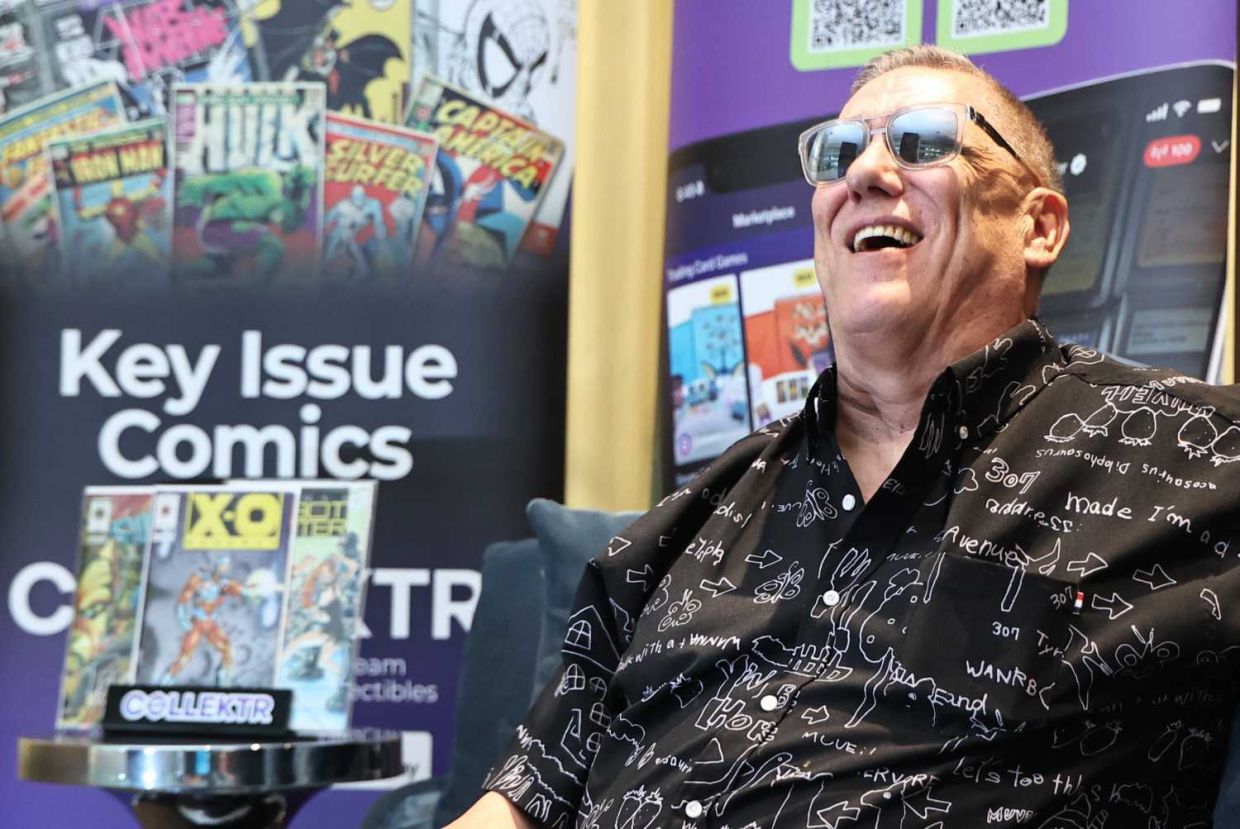
Despite celebrating his 72nd birthday on Sept 25, Layton hardly looks his age, and his ‘superpower’ of being able to chatter ferociously about any topic made this one of the most memorable and interactive interviews I have ever done.
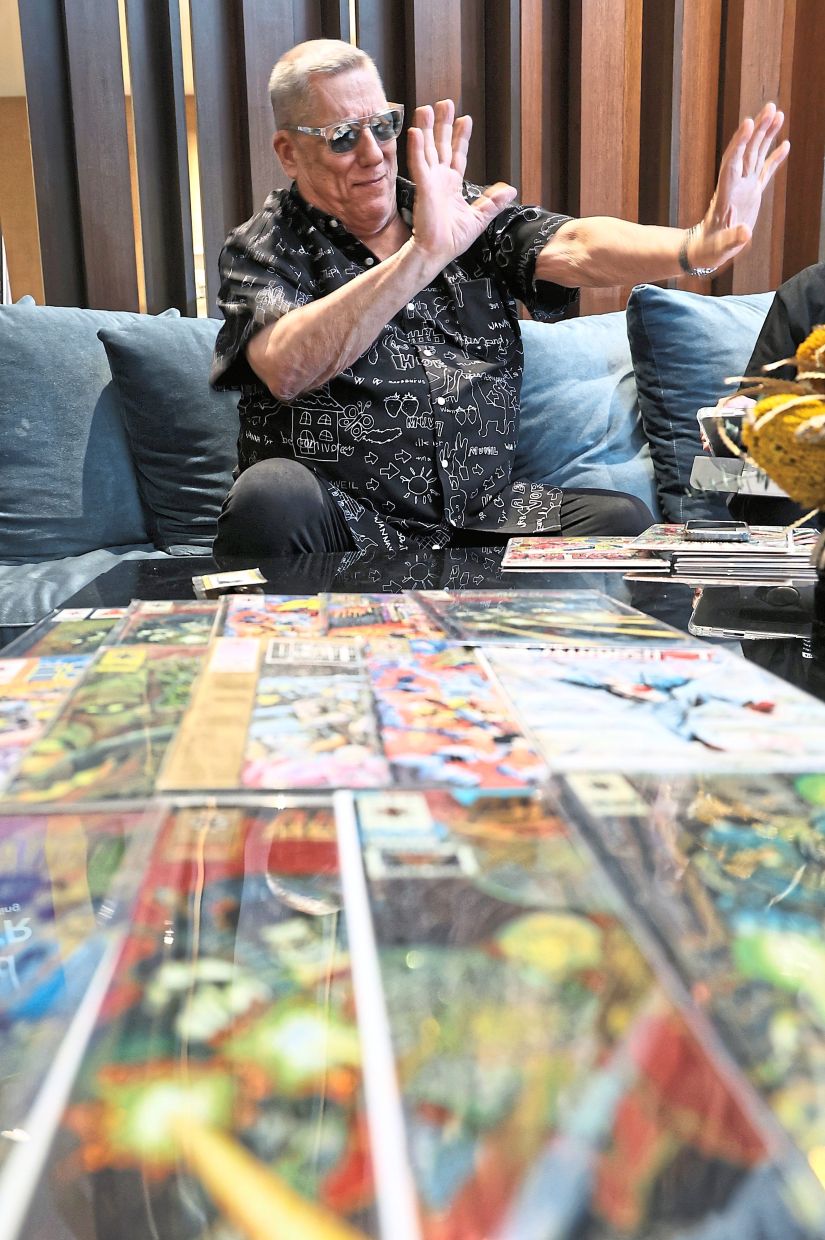
Layton’s connection with Iron Man spans decades. He began working on the character in 1978, plotting and inking Iron Man #116 alongside Michelinie.
Over the years, he continued to work on the character in the comics (plotting, drawing, and inking), and even contributed to the first two Iron Man movies, as well as Nicktoons’ Iron Man Armored Adventures animated series.
Hence, it’s no surprise that he has been crowned by many fans as one of the best Iron Man creators of all time.
Layton has also worked on many other comic book milestones, such as the second Spider-Man Vs Superman team up (Marvel Treasury Edition #28), and the first Marvel limited series (Contest of Champions).
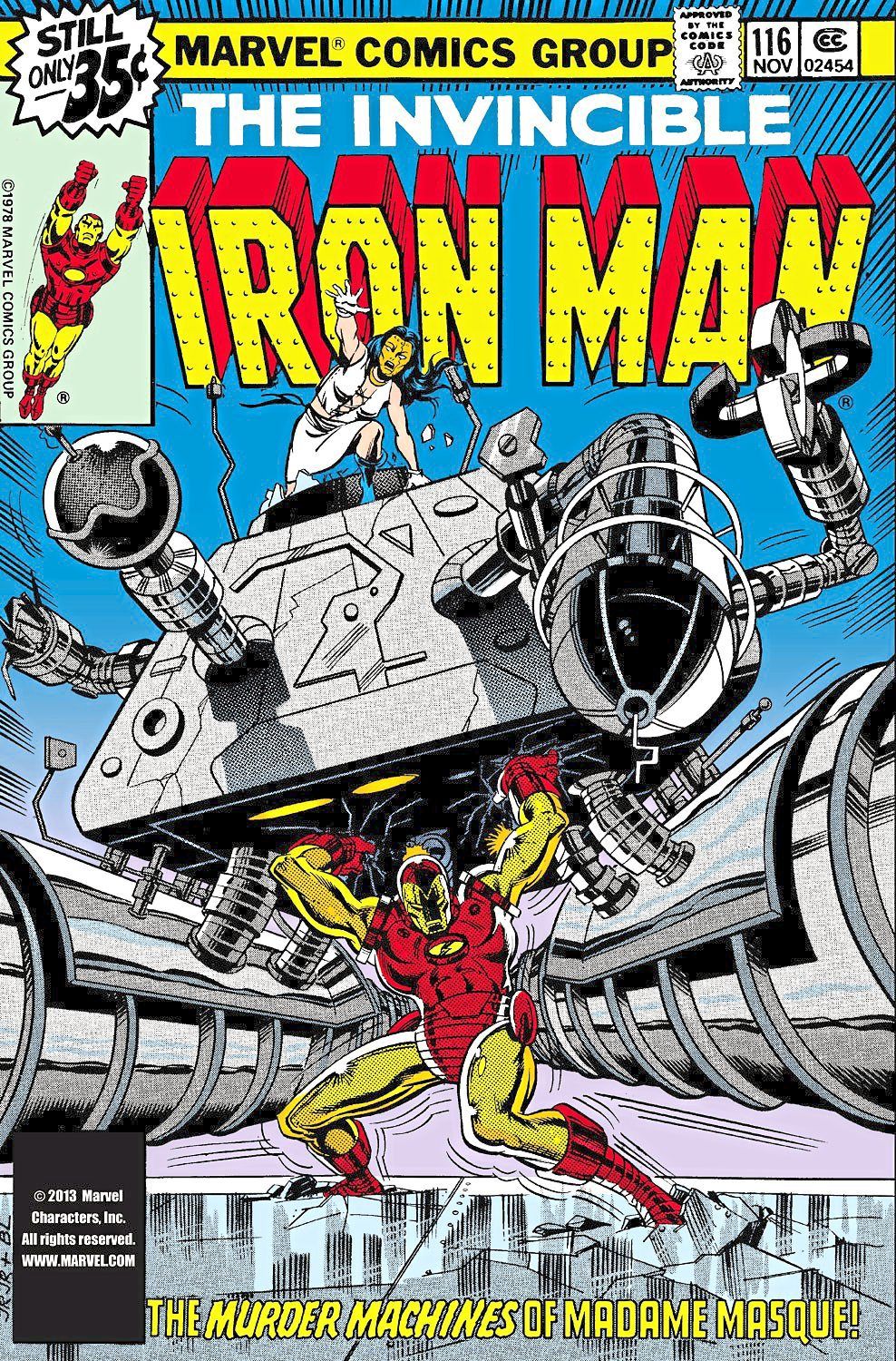
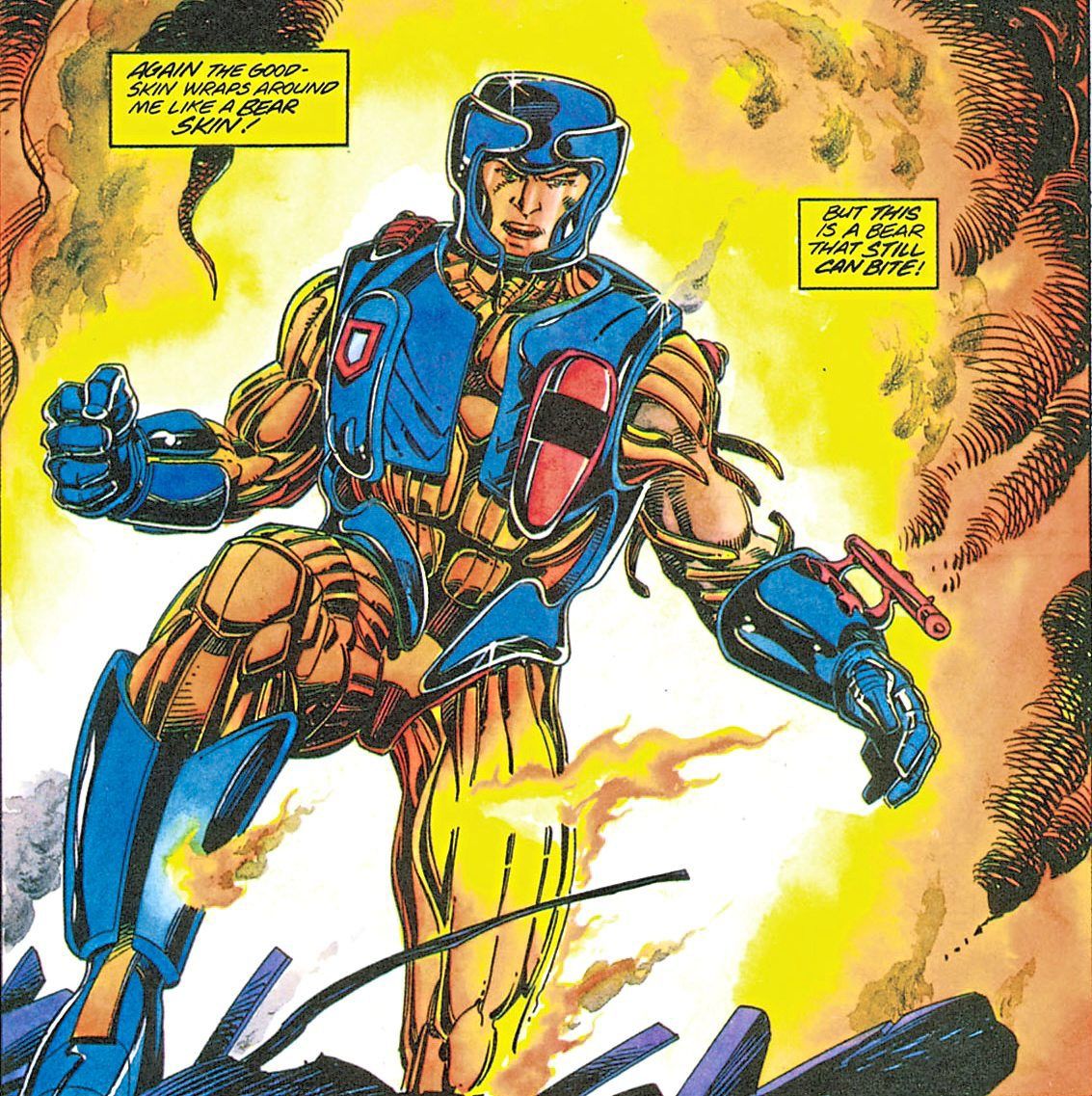
He is also the co-founder of Valiant Comics alongside Jim Shooter (helping to create most of the characters, including X-O Manowar), as well as Future Comics.
Being a fan of his early Iron Man works (#116-#153), I had the opportunity to take a trip down memory lane with Layton during an interview at Grand Hyatt KL.
Back then, sales of the Iron Man comic book were dismal – below the 90,000 monthly target. It was slated for cancellation along with Ghost Rider and a Spider-man title in six months’ time.
At that time, David Michelinie and I had just come back from DC Comics, and applied to be a writer-artist team. We were then given Iron Man to work on. Coincidentally, at the time I had ideas about Iron Man as I was never happy with the book, and felt it wasn’t done properly.
David wasn’t a Marvel guy and he had no preconceived ideas about Tony Stark, so he kind of based everything on my impression (of Tony).
When we asked them (Marvel) whether we could make some changes to Tony, they said, “It’s going to be cancelled, so we don’t really care. Do what you want’. And six months later, Iron Man was one of Marvel’s top-selling books.
We were just two newbies trying out things. It was the energy we brought, especially to Tony Stark – we created a ‘rock star’ Tony, which was something that was not there before.
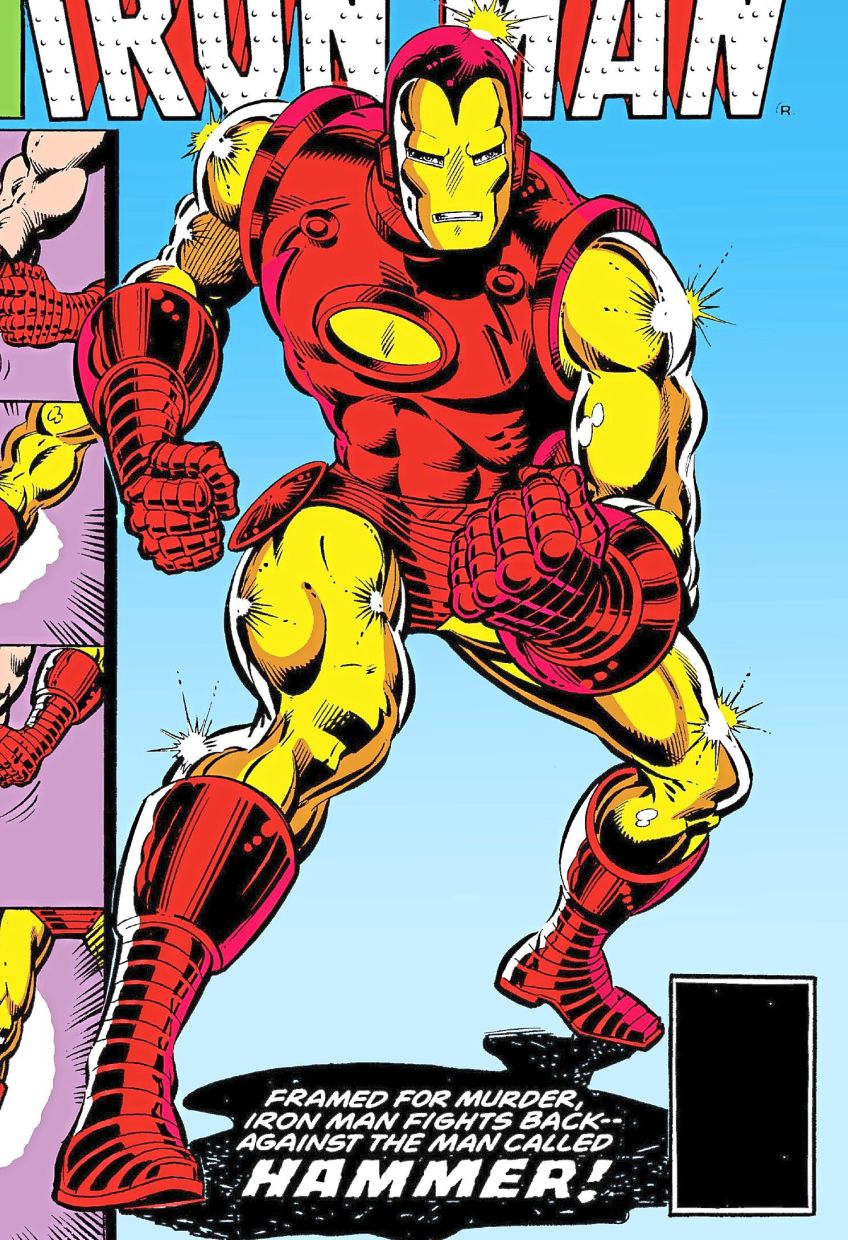
Also, at the time, Tony’s suit didn’t actually look like metal. I was the first guy who really made it look metallic, and the fans really loved that. This really set Iron Man apart from other characters, as it wasn’t just a costume, it was a suit of armour.
We also introduced a whole bunch of new characters – James ‘Rhodey’ Rhodes (who later became War Machine), Bethany Cabe, Mrs Arbogast and Justin Hammer.
Every character has a ‘hook’. In Spidey’s case, he poses as an adult superhero but he’s just a poor teenager who can’t get a date for the prom – that’s what sets him apart from other heroes.
On the other hand, when we created Ant Man (Scott Lang version), the ‘hook’ in him was that he is a single father.
With Tony Stark, the corporate world was his ‘hook’. He is not just a costumed hero, but he also has an ‘empire’ which he has to defend constantly. He is also an inventor who creates things for everyone’s benefit, but it is mainly done for capitalistic reasons.
So, me and David decided to emphasise that more, and focus on the man IN the armour rather than the armour itself.
We wanted to get rid of the heart problem. In the 1970s, heart transplants were common. Surely the smartest guy in the world can fix his own heart!
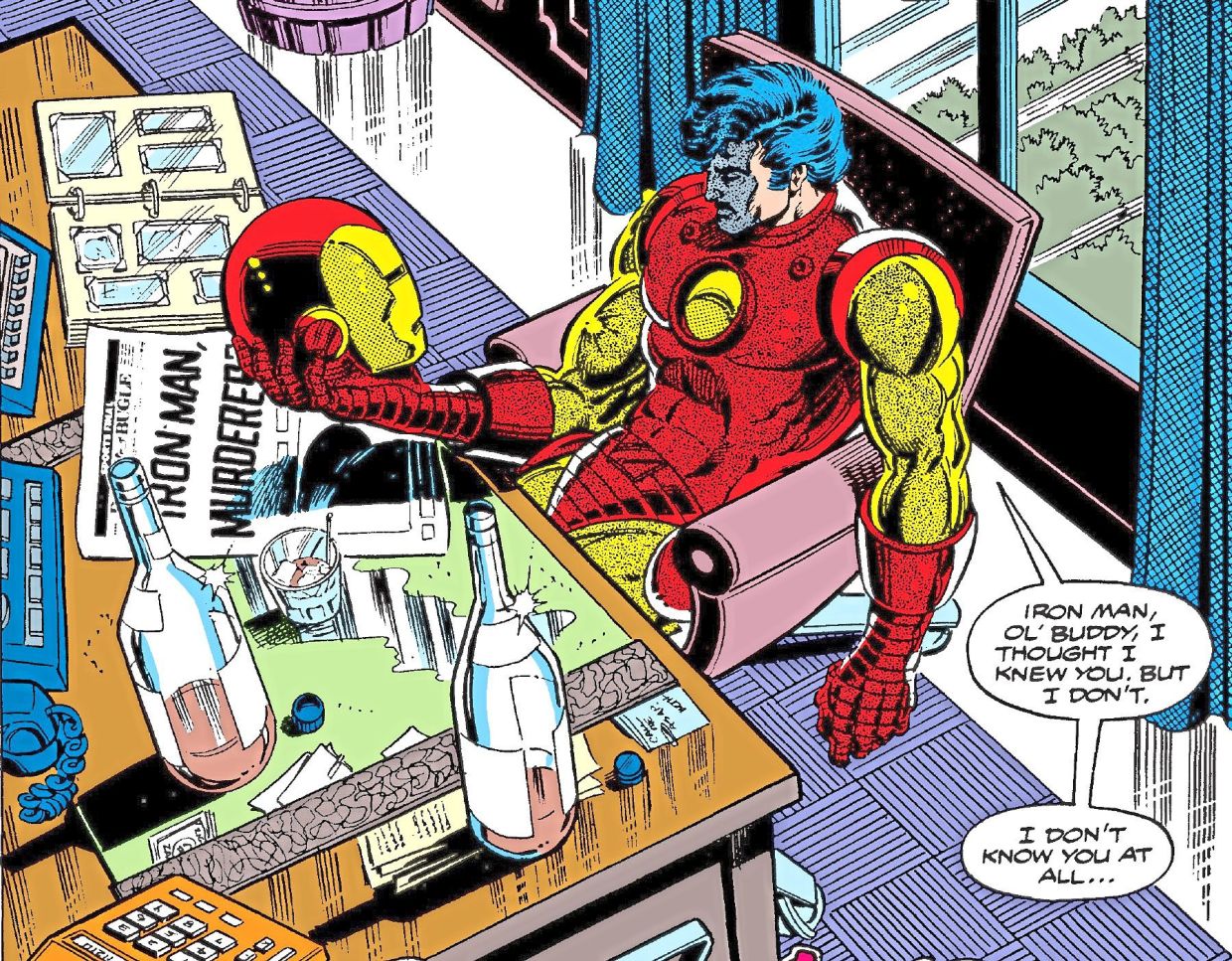
So, with a corporate world setting, we wanted to give him a new problem, and a new weakness by making him self-destructive and an alcoholic (through the Demon In A Bottle arc), which made him vulnerable and someone relatable.
Wally was my first mentor, but he retired nine months into my internship. Dick took me under his wing and became my mentor and father figure throughout my entire career.
He was also grooming me because he knew I was entrepreneurial, and I could build my own universe.
However, my biggest artistic influence is Barry Windsor Smith, whom we work together at Marvel and Valiant (check out their early collaborations on Iron Man #232 and #243).
John Romita Jr, in a heartbeat. We started working (on Iron Man) almost the same time. When we were working together, we totally evolved as time goes on. I still consider JR Jr as one of the best storytellers in the history of comics.
DC and Marvel were learning curves. Valiant was a chance where I had to exercise what I learnt – not only creating a universe of characters but also managing 200 employees.
Valiant is the greatest success of my life – we went from obscurity to being the biggest publisher in 1993.
Future Comics was our attempt to challenge the status quo by selling directly to retailers.
Cheesasaurus Rex And The Cheese and Macaroni Friends! (Published by Voyager in 1992.)
A mint condition issue, with coupon attached, would fetch US$1,000 (RM4,225.50) in today’s market.
It’s the people I mentored, such as Paul Ryan, Brett Breeding, Sean Chen, and Bernard Cheng. I am happy to be able to change somebody’s life with comics.
I am here to share their enthusiasm, and we all love the same thing – good stories and good art, regardless of what country I am in. This love never diminishes.
I love talking to my fans. That’s why I don’t do conventions anymore, and instead, do things like this (meet the fans), which allows me to spend time with them.
When you go to Comic Cons, the artists are too busy drawing and fans don’t bother them. They should be interacting with one another, as the fans paid money to attend and meet them!