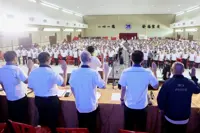
The Ceremony to mark the Completion of Phase 1 Conservation of Bangunan Sultan Abdul Samad (BSAS) in Kuala Lumpur was held on Jan 31.
This marks a significant milestone under the Warisan KL initiative – a national, heritage-led urban renewal programme aimed at restoring the built heritage of Kuala Lumpur.
Conceived to improve liveability and create new opportunities in tourism, community enterprise and commerce, Warisan KL looks beyond physical restoration alone.
It encompasses the revitalisation, management and long-term use of heritage assets and public spaces as part of a collaborative effort with public and private partners, GLICs, GLCs, and key government ministries and agencies; ensuring they remain active and relevant.
As one of the projects under the Warisan KL umbrella, BSAS is the second building to be revitalised by Khazanah, following the launch of Seri Negara last December, signalling a broader commitment to returning the city’s historic landmarks to public life.
When BSAS reopens its doors to the public tomorrow (Feb 2), it is not merely a building returning to be viewed, but a familiar presence re-entering the life of the city it has long watched over.
For more than a century, its copper domes and clock tower facing Dataran Merdeka have stood witness to Kuala Lumpur’s political, social and civic rhythms – from colonial administration to independence, from working offices to a national symbol etched into collective memory.
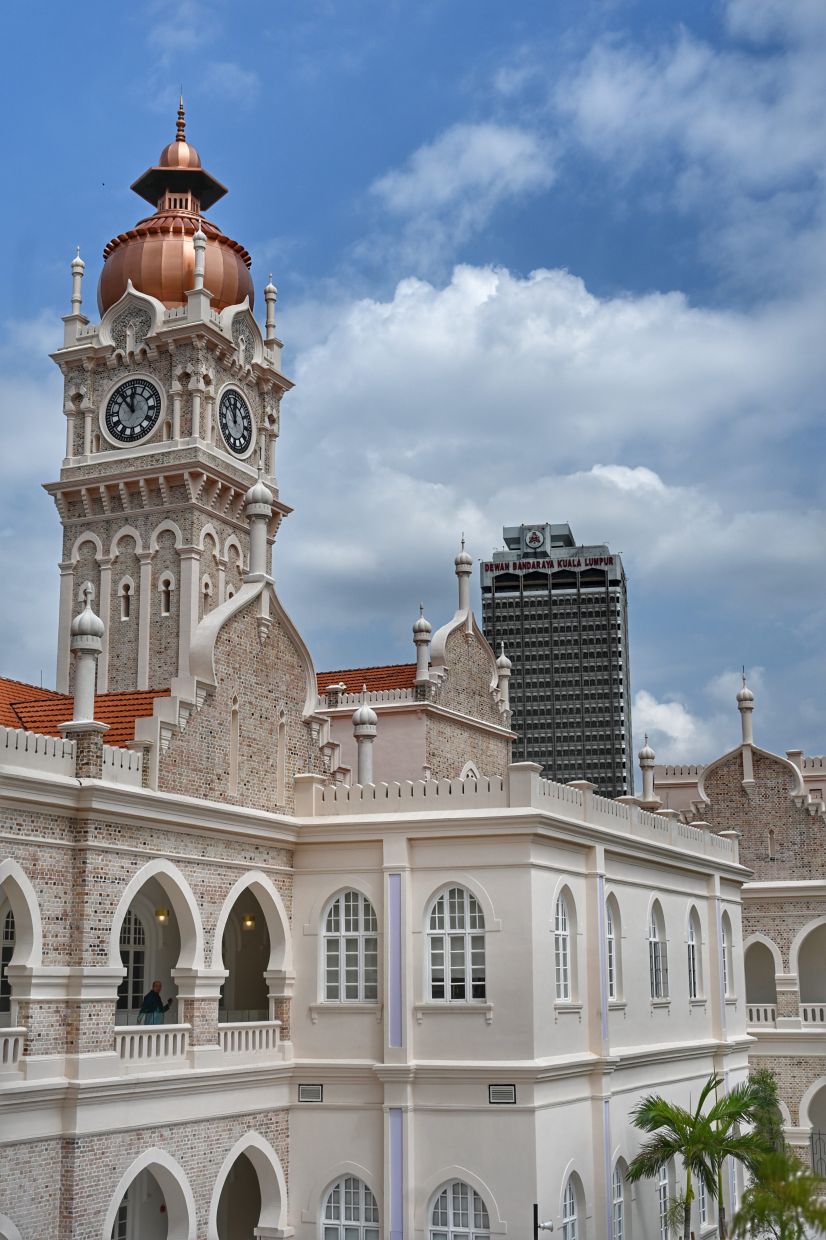
Conceived as an emblem of British authority, the building’s meaning has evolved alongside the nation itself.
On the night of Aug 31, 1957, as the Union Jack was lowered and the Malayan flag raised for the first time, BSAS became the backdrop to a defining moment – the birth of a free nation.
In the decades that followed, its image was replayed endlessly through National Day parades, school textbooks and televised broadcasts, gradually transforming public perception from colonial monument to cherished national landmark.
Beyond the iconic facade of BSAS lies a more intimate history – one shaped by the people who worked within its walls. Seen through the recollections of three people who worked within its walls from the 1980s to the early 2000s – and the insight of a conservation worker today – BSAS comes into focus as a lived space rather than a static monument.
Gazetted in 1983 and accorded National Heritage status in 2007, it continues to evolve as a meeting point between individual memory and national history.
Corridors of legal history
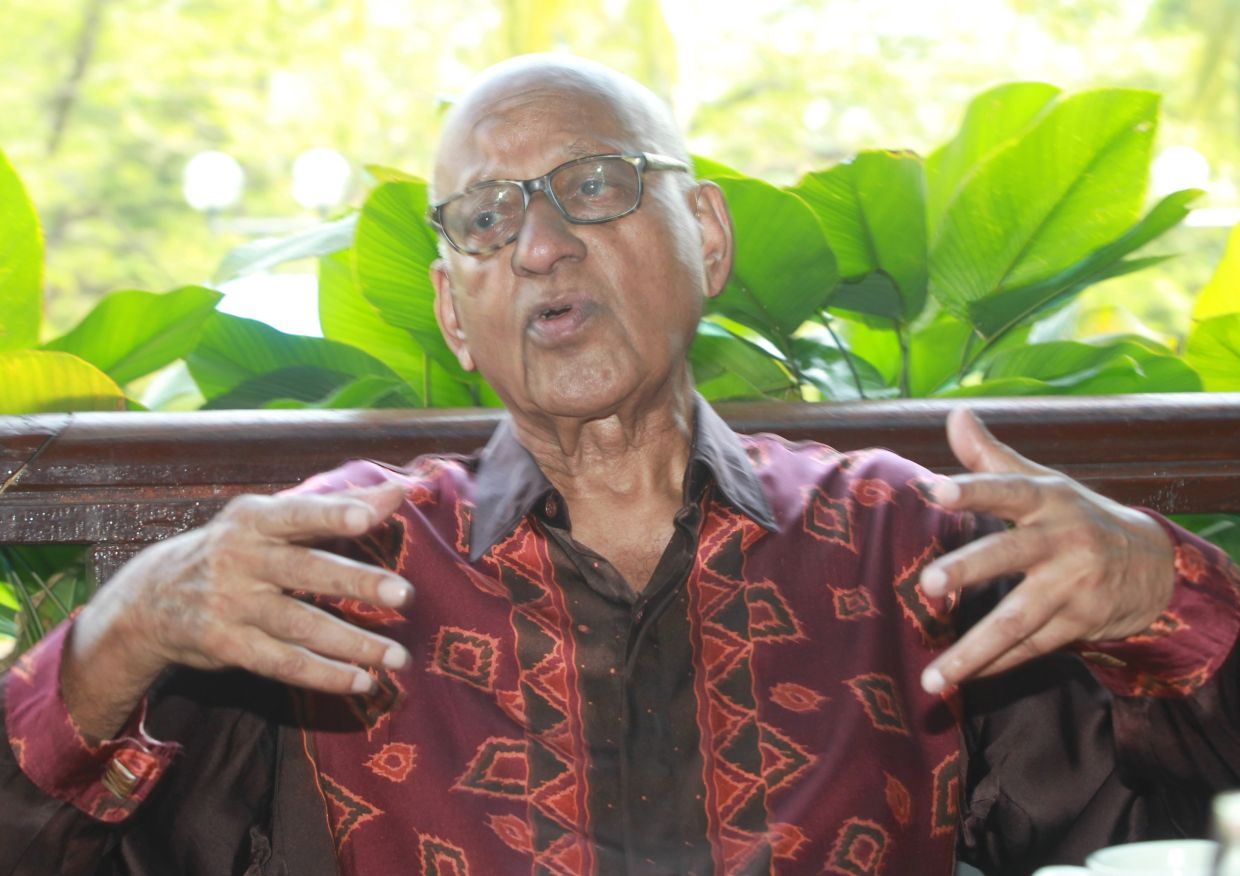
For Tan Sri Datuk V.C. George, a retired Court of Appeal judge whose career unfolded alongside Malaysia’s post-independence judiciary, BSAS sits at the intersection of personal memory and national legal history.
Called to the English Bar at Lincoln’s Inn in 1957, he began legal practice just as Malaya entered independence.
“I was here for Merdeka,” recalls the 95-year-old.
“I was reading in chambers at the time, and I was at the Padang.” In the early years, Malaysia’s courts still bore the imprint of colonial tradition.
“All the senior judges were British then,” he says. “Even after independence, we still went to the Privy Council in London as the final court of appeal.”
Before the courts moved into BSAS, proceedings were held in the old High Court building across the river, behind the auditorium.
“I used to appear there as a lawyer,” he recalls. “The Bar Council had a mezzanine room in that building.”
Elevated to the High Court Bench in 1981, Tan Sri George initially served in Kuantan. A year later, with Sultan Azlan Shah newly appointed Lord President, plans were underway to relocate the courts.
“It was around that time that the Clock Tower building was given to the courts,” Tan Sri George says. “In those days, it housed only the Federal Court and the High Court.”
Returning to Kuala Lumpur in 1983, he witnessed the transformation firsthand.
“I remember sitting with Sultan Azlan Shah while he was giving instructions to the Public Works Department on how he wanted the place renovated,” he says. “He had grand ideas.”
Once a seat of colonial administration, BSAS was reshaped into a judicial complex. Courts occupied the upper floor, while clerks and registrars worked below.
Later appointed Head of the Commercial Division of the High Court, Tan Sri George oversaw the entire upper wing.
“There were five judges,” he says. “We ran the commercial division from there.”
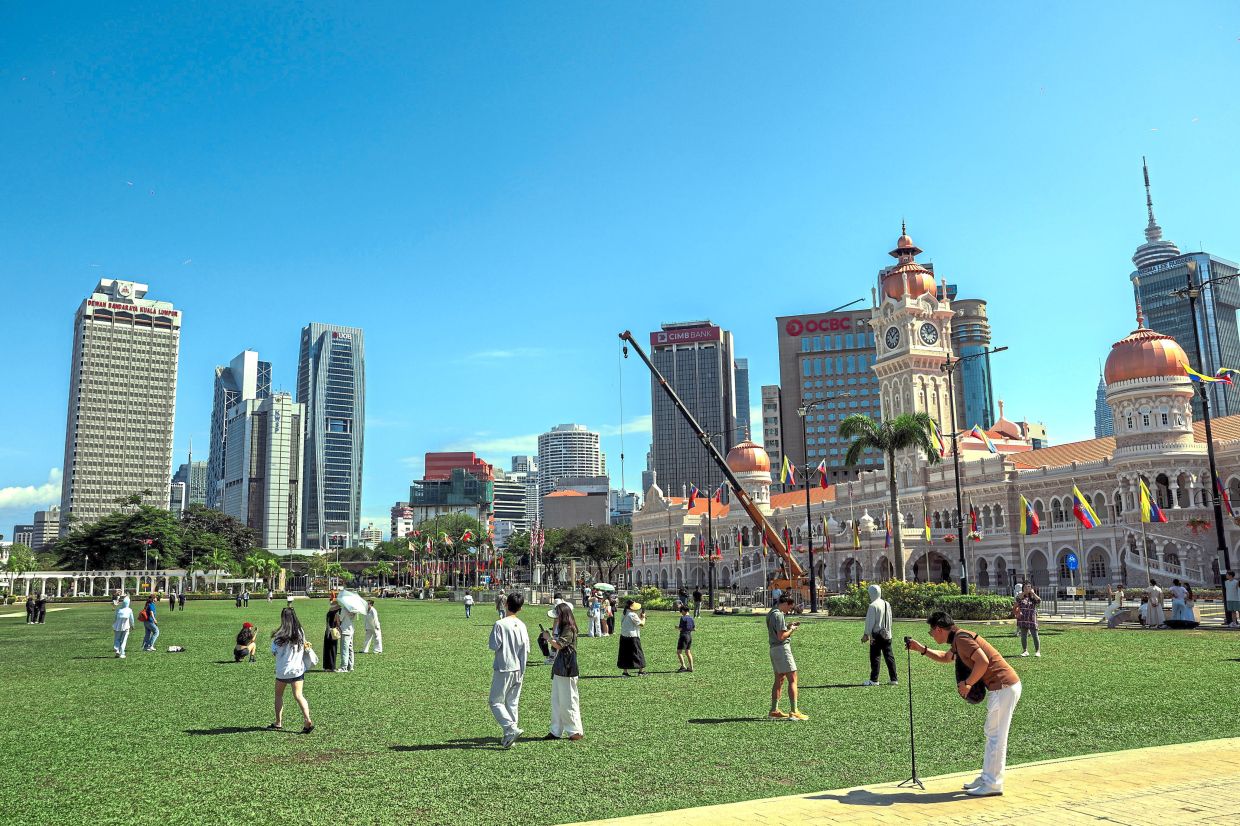
Its surroundings were part of its identity – facing the Padang, flanked by the Selangor Club (which Tan Sri George and his fellow judges would frequently visit), St Mary’s Church and the former Chartered Bank.
“That was how the British laid out their cities,” he notes. “Work on one side, recreation on the other.”
Malaysia had already abolished appeals to the Privy Council, and, in 1994, established the Court of Appeal. Tan Sri George was elevated that same year and retired in 1995. Soon after, the courts moved out.
“It upset me to see Bangunan Sultan Abdul Samad left unused for so many years after,” he admits.
“I sat there for 10 years as a judge – it was a great building, of course, I liked it.”
'One main route'
For photojournalist Kamarul Ariffin Hassan, 58, BSAS was never just a backdrop. It was a tightly controlled, high-pressure environment where stories unfolded quickly – and sometimes unpredictably – in front of his lens.
Covering court cases there was a regular assignment during his early years with daily newspaper The Star.
“The layout mattered,” Kamarul recalls. “There was only one main route for the accused. Once they came through, there was no other way out – no alternative doors or corridors.”
That single passageway often heightened tension, especially during high-profile trials.
Even so, Kamarul remained keenly aware of the building itself.
“The architecture was striking, both outside and inside,” he says.
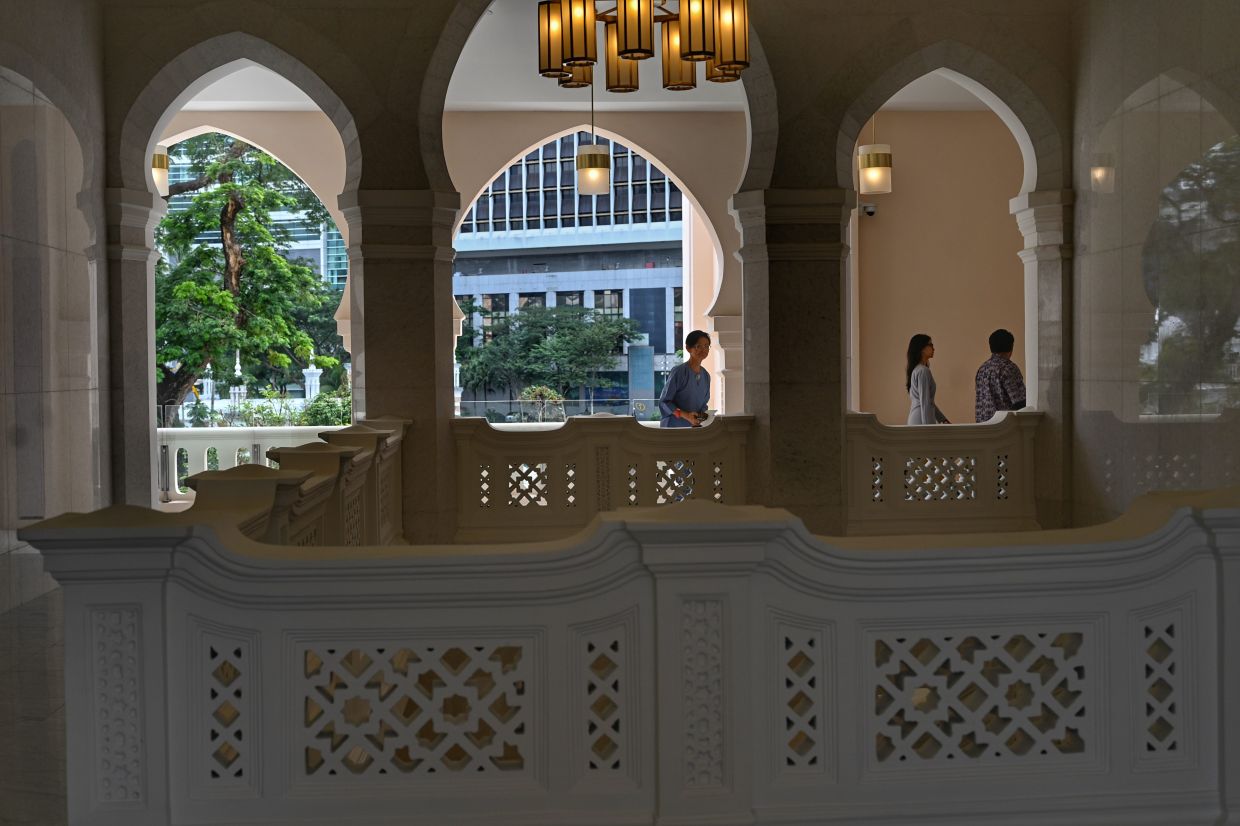
“The lighting was especially good. You could tell the building was designed to prioritise natural light, with so many arches and openings.”
One assignment remains indelibly etched in his memory. Covering a drug trafficking case that ended with a death sentence, emotions ran high.
“At the moment the sentence was delivered, the accused – who was under prison guard – lashed out and kicked my camera and my bag,” he recalls.
“It happened very fast. That’s something I still remember clearly today.”
For Kamarul, moments like these underscore why BSAS deserves continued care.
“This is one of the few remaining historic buildings in Kuala Lumpur,” he says. “It’s an important landmark, and it’s also a major attraction for tourists.”
Conservation, he believes, must go hand in hand with public access.
“The building shouldn’t just be preserved and locked up,” he adds. “People should be allowed to go inside and experience it.”
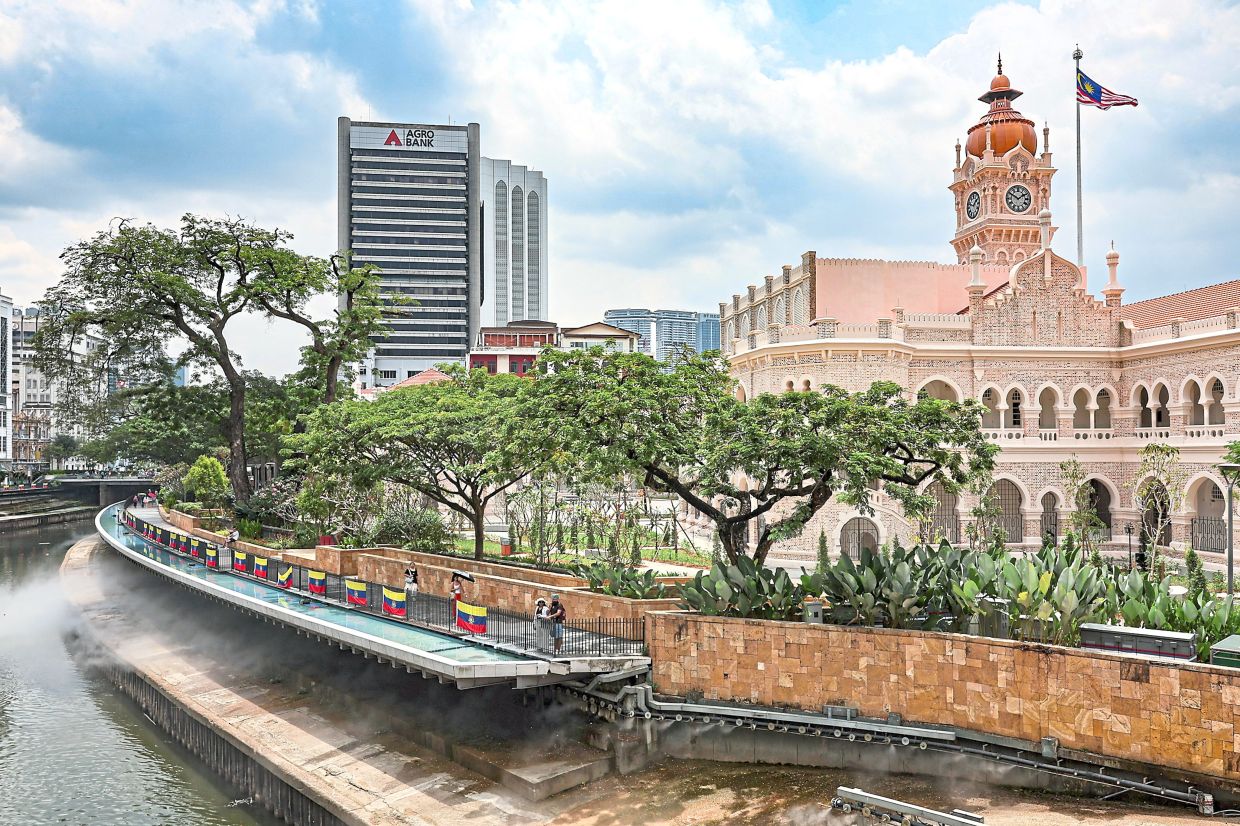
He envisions spaces that remain active – from Malaysian handicrafts to local food – allowing the building to stay relevant and alive.
As BSAS reopens, Kamarul sees an opportunity for change. Once a place of urgency and restriction, it now holds the potential to become a space of encounter – where history, architecture and everyday life intersect again.
A building with a presence
At BSAS, routine, pressure and unexpected moments shaped Saras Manikam’s working life – a building that quietly held decades of legal proceedings within its walls.
She reported for duty as a Tamil court interpreter in 1982, when she was in her early 20s, when the High Courts were still operating from the River Bank Building, and BSAS was undergoing renovation.
Two years later, the courts moved in – a shift Saras remembers as the beginning of the most formative years of her career.
“When we moved into BSAS, everything felt different,” she recalls.
“The building had a presence. You felt the history the moment you walked in.”
For the next decade, Saras moved between courtrooms, chambers and file rooms. At the time, the building housed the High Courts, the Court of Appeal and the Federal Court.
“I sat with the judge, both in chambers and in open court,” she says.
“I had to interpret questions from Tamil to English and back again, making sure nothing was lost.”
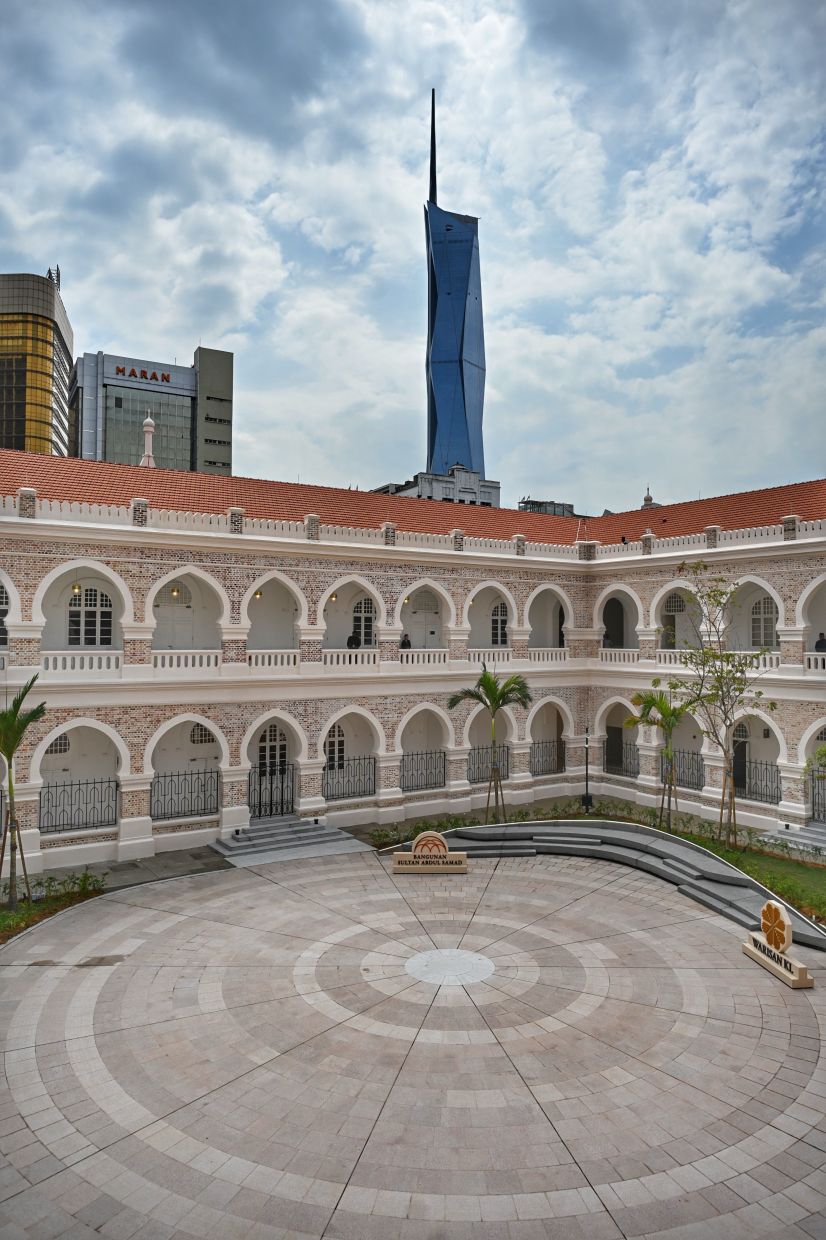
The atmosphere could change quickly – from calm to charged – but one moment stands out above all. Saras still remembers the day Tunku Abdul Rahman arrived at BSAS for his own court case.
“I saw him near the staircase; they had told us not to come out but I hid behind the staircase so I could get a glimpse of him,” she says.
“I was so amazed. I had only read about him in history books. To see him there, in person – it made me very happy.”
Beyond the courtroom, the building was also a front-row seat to national celebration.
Each year, Merdeka Day parades passed right outside. Hearings would pause as judges, lawyers and staff stepped onto the balcony to watch.
“Everyone was happy to stop for a while,” recalls Saras. “The noise was too loud for court anyway.”
Saras sees BSAS not just as a restored monument, but as a place layered with lived memory – of justice, routine and history unfolding quietly within its walls.
A centre of governance
For much of its existence, BSAS was not a public monument but the administrative heart of a city still in the making.
It anchored Kuala Lumpur’s early role as a centre of governance.
“From the very beginning, BSAS was built as an administrative centre,” explains Mariana Isa, Think City’s Senior Manager, Culture-based Economic Development.
“It housed Selangor state departments as well as federal agencies, long before Kuala Lumpur became a Federal Territory.”
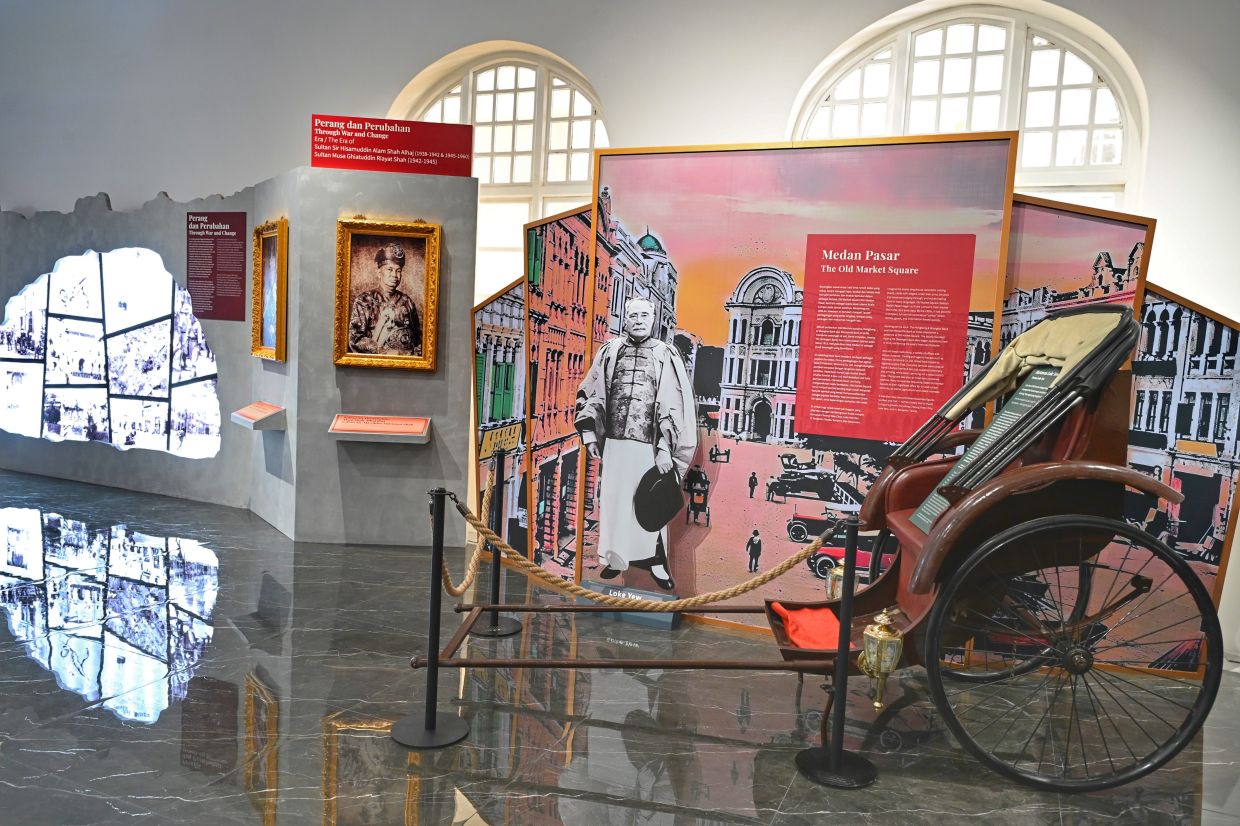
For decades, it served as the Selangor State Secretariat, hosting council chambers, Federal Council meetings and everyday services – from the survey office to the post office.
“It was both a working building and a ceremonial one,” says Mariana.
“Important decisions were made there, but it was also part of daily administrative life.”
That role shifted in the 1970s, following the formation of the Federal Territory of Kuala Lumpur. Selangor’s secretariat moved to Shah Alam, and in 1978 BSAS was handed to the judiciary.
By 1984, it had become home to the Supreme Court, later known as the Federal Court, until the courts relocated to Jalan Duta in 2007.
Stewardship then passed to heritage custodians, with Jabatan Warisan Negara and later Aset Warisan overseeing its care. The current conservation works mark a significant new chapter.
“The reopening is important because, for a long time, access to the building was very limited,” says Mariana.
“Unless you had official government or court business, there was no reason – or opportunity – to go inside.”
The timing, in conjunction with Federal Territory Day, is also symbolic.
“Bangunan Sultan Abdul Samad has always been an icon of Kuala Lumpur’s administrative past,” she says.
“To return it to the public feels very appropriate.”
With restoration complete, the building is no longer something to admire only from across the road.
“Reopening allows people to experience the architecture and spatial qualities of that period firsthand,” she adds.
“It reconnects the public with a building that has always shaped the city – even when it wasn’t accessible to them.”
As BSAS opens its doors once more, it invites the public to encounter it not as a distant symbol, but as a lived space shaped by memory, labour and quiet moments of history.
Within its walls are echoes of courtrooms and ceremonies, of daily work that quietly became part of something enduring.
To step inside now is to reconnect with those layers, and to recognise that this building, so familiar from afar, still has stories to offer – if we take the time to listen.
This article is courtesy of WarisanKL.my. Warisan KL is a national initiative aimed at reviving the soul of Kuala Lumpur into a vibrant and creative hub, a collaboration with relevant ministries and corporate partners and the community. It involves a series of events, programmes and projects that celebrate the city’s rich history and culture while fostering inclusivity, innovation and creativity.