
Kuala Lumpur Alternative Bookfest (KLAB) 2026, running at Central Market until Feb 3, opened to a robust reception today (Jan 30), with book lovers filling the venue as soon as doors opened at 10am.
Visitors also included a steady stream of overseas tourists, who arrived for souvenirs but remained to explore the extensive selection of local titles.
“This year’s bookfest is our biggest yet,” says Amir Muhammad, managing director of Buku Fixi and co-organiser, with booths now extending into the outdoor areas around Central Market for the first time.
Organised by the Malaysian Book Publishers Association (MABOPA) with support from indie publisher Buku Fixi and The Patriots Asia, KLAB is the first major book event of the year in Kuala Lumpur and serves as a key indicator of the state of contemporary book culture, particularly in the Bahasa Malaysia language.
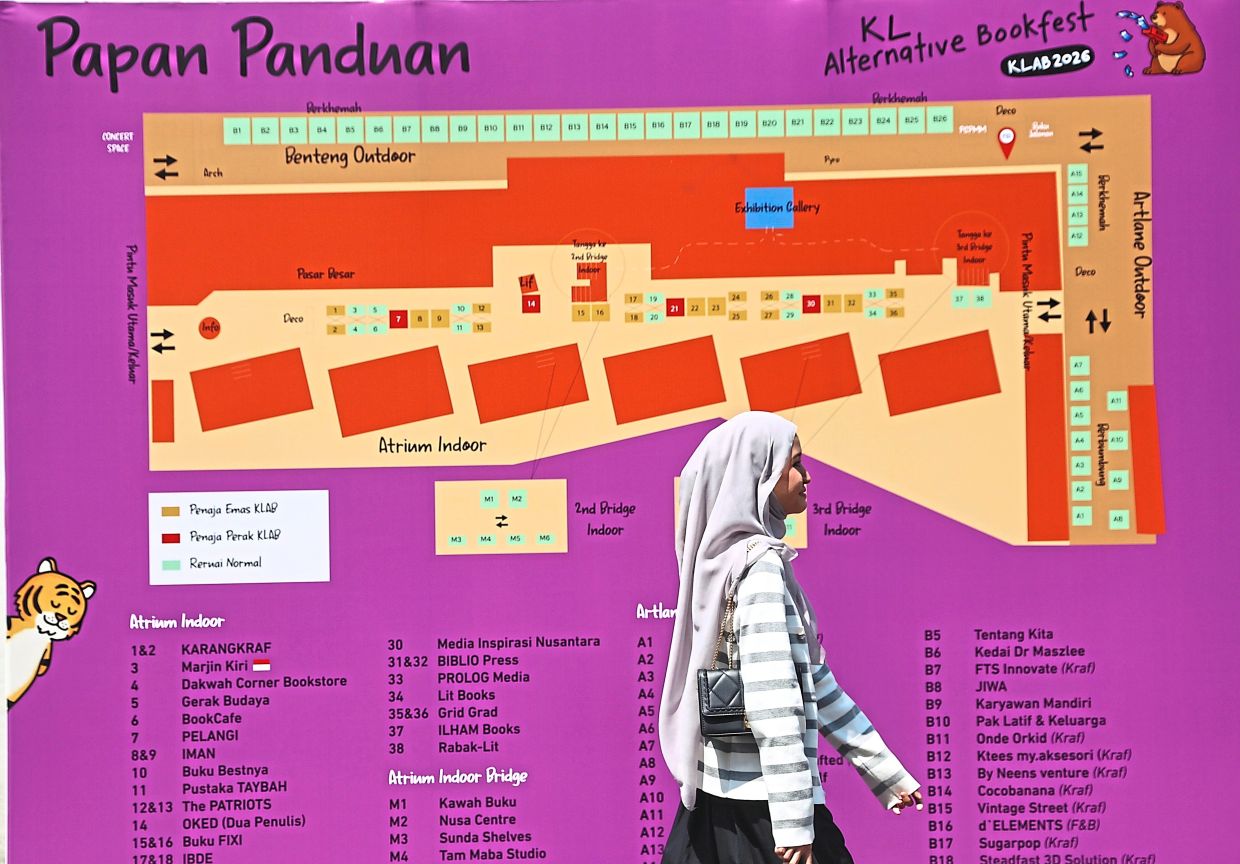
“Last year, we hit a record high of about 90,000 visitors, and this year we expect about the same or even more, as it’s a long weekend thanks to Thaipusam and for those working in KL, Federal Territory Day,” he adds.
Now in its 17th year, KLAB has grown bigger and evolved beyond its indie roots, gaining fresh momentum since returning to Central Market in 2022.
“Now there are fewer indie publishers, so instead, KLAB has become a good barometer of where the local publishing scene stands – it reflects what is currently being published and what is being sold,” says Amir.
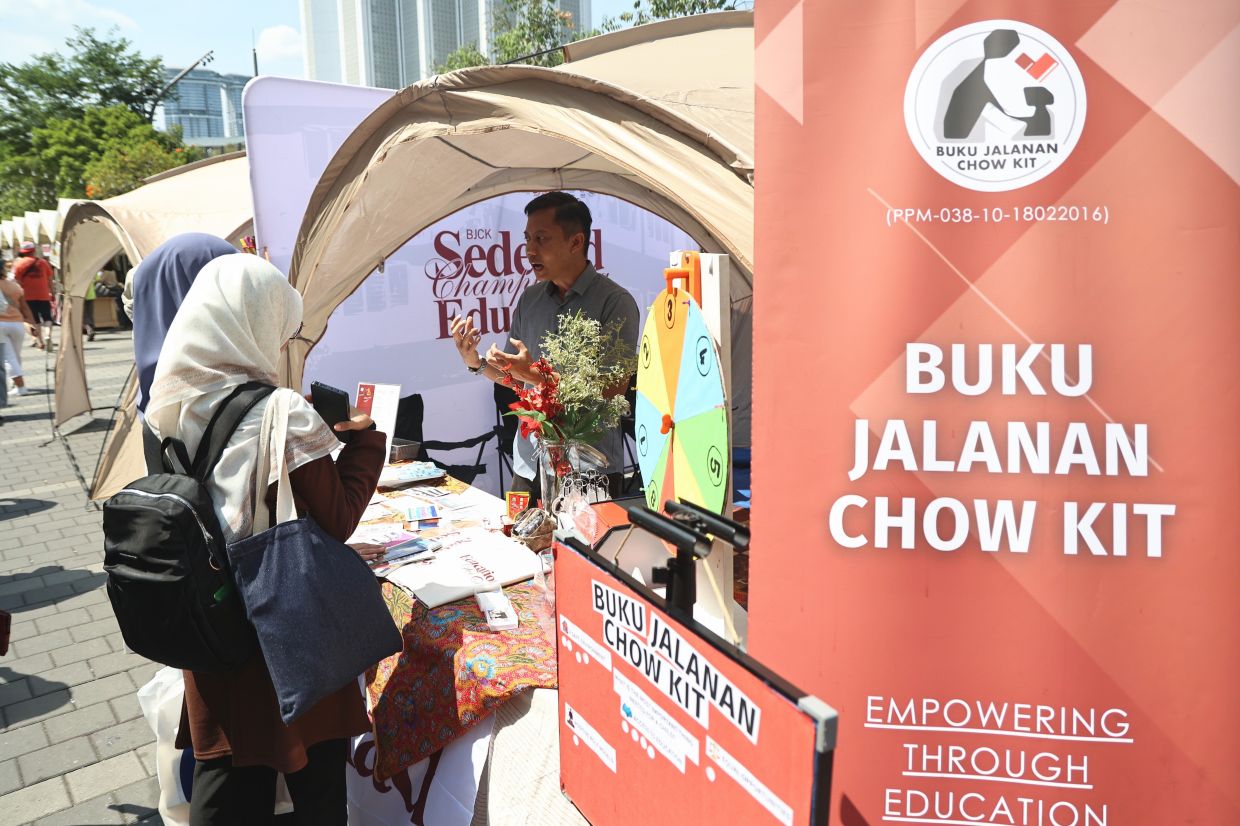
What can visitors expect at this year’s KLAB? The festival features over 80 vendors, including book publishers, booksellers and small businesses offering arts and crafts. With dedicated Instagram areas, mini exhibitions and pop-up coffee and cake stations, it also caters to contemporary literary lifestyle interests.
The KLAB 2026 programme offers something for everyone over five days, including book talks, launches, meet-the-author sessions, workshops, poetry readings, acoustic performances, children’s activities and even a free concert.
Bridging the language barrier
KLAB 2026 also welcomes some newcomers on the language front, including Petaling Jaya-based indie bookstores Lit Books and Sunda Shelves, both exhibiting for the first time.
As one of the few booths focusing mainly on English-language titles, Lit Books’ co-founder Fong Min Hun says they hope to attract curious readers eager to explore something different.
“At a lot of these book festivals, we know there tends to be more Malay books, and that a lot of the English titles available would be more focused on self-help and personal development. So as an English bookseller specialising in literary fiction, we figured we’d have a niche," says Fong.
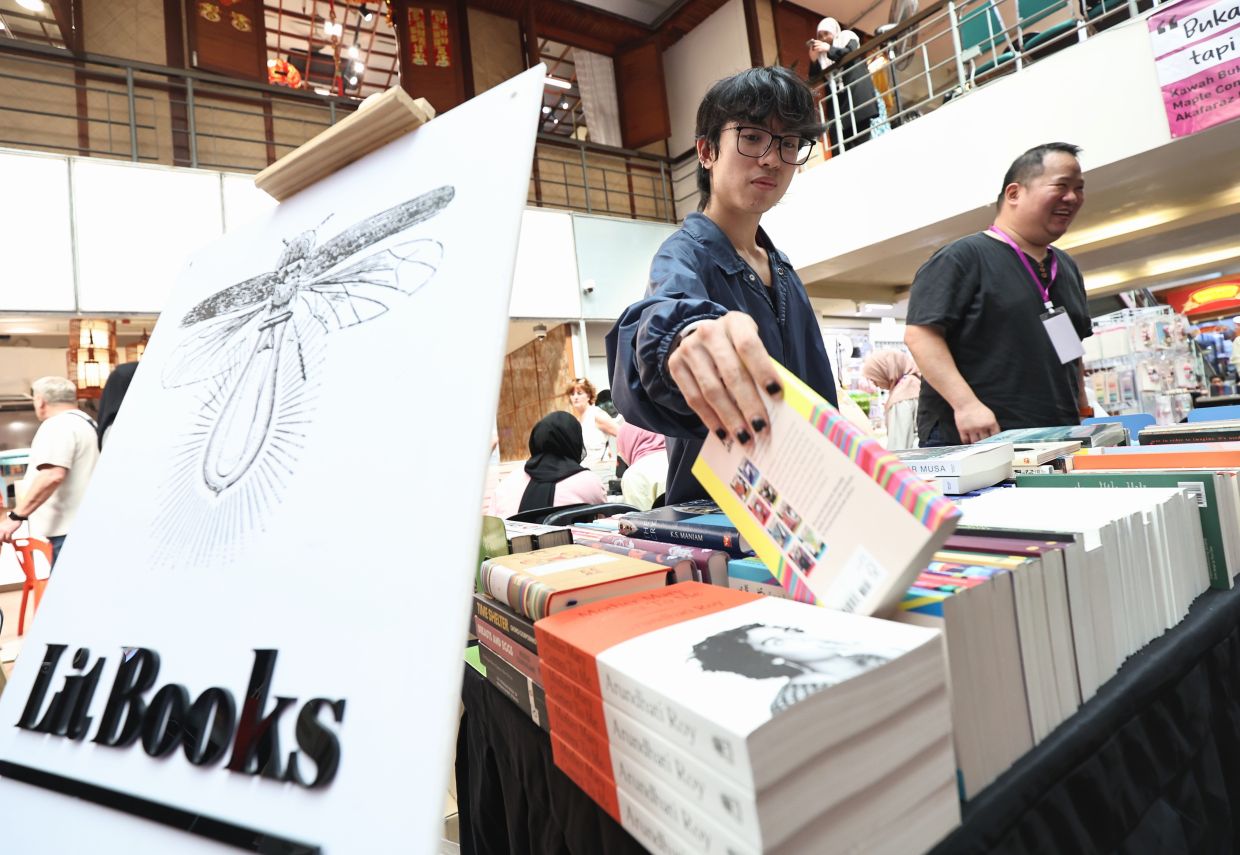
“Downtown KL is also very much outside our comfort zone, so I really wanted to explore how readers in this area would react to our book selections,” he adds.
Jennifer Neoh Tan, Sunda Shelves’ manager, thinks that the bookstore matches KLAB’s “alternative” theme quite well, as it’s known for its unique selection of books on nature, culture and travel.
“It’s our first time at KLAB, so we aren’t really sure what to expect, but we’re excited to bring our books to the crowd here at Central Market. We’re known as a specialty bookshop, especially when it comes to locally published kids’ books – most of our titles carry themes around nature and wildlife, which can be hard to find elsewhere,” says Tan.
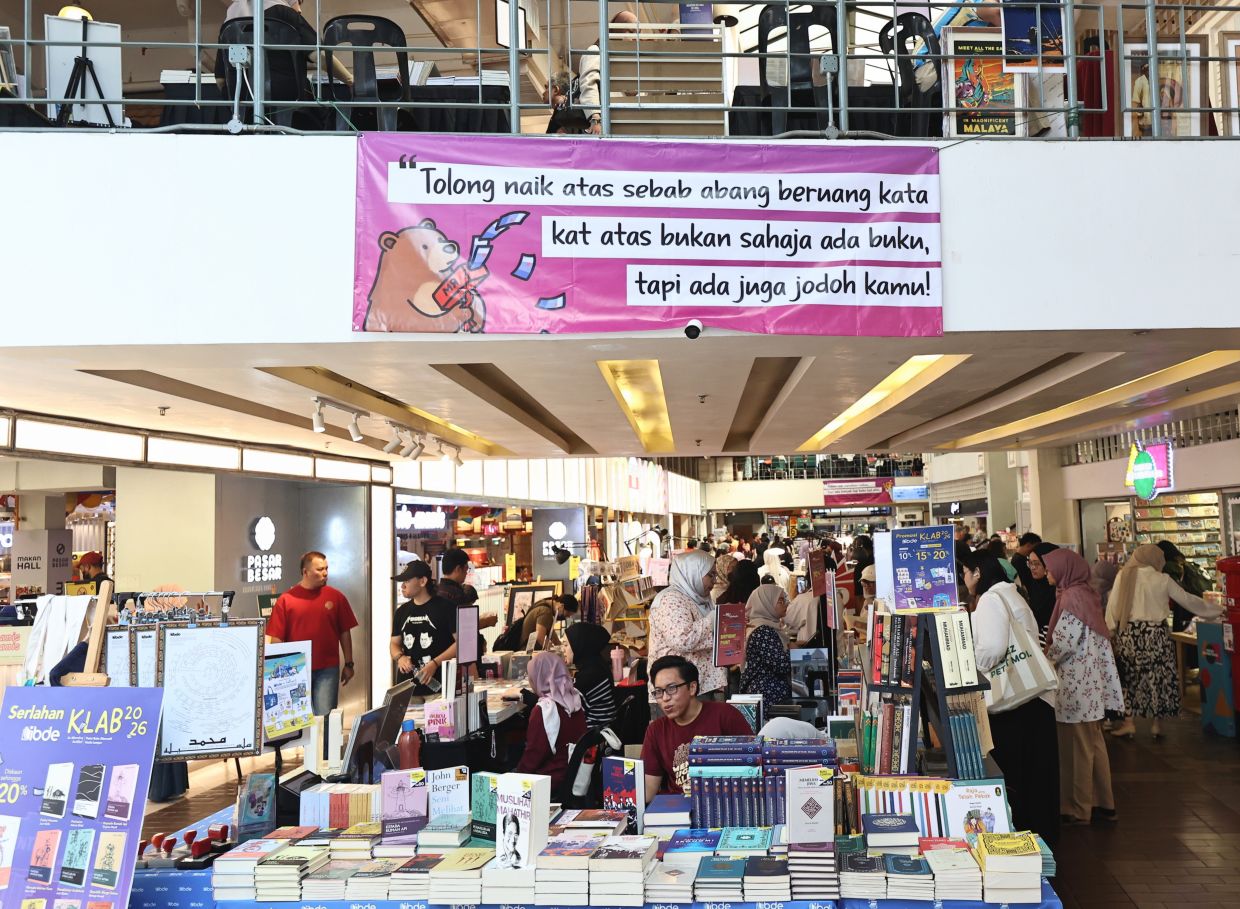
Sunda Shelves hopes KLAB 2026 will help them reach more people and inspire visits to their shop.
“As a small, independent bookshop, we know we need to create more awareness about who we are and what we do. Besides books, we often host events and workshops, and we sell handicrafts made by social enterprises, so we hope those who come for KLAB will stop by our booth to learn more – we’re upstairs at the bridge in the middle!” says Tan.
Keeping the 'indie spirit'
For local writers and publishers, events like KLAB cut through the noise in a very real way - not just as a sales platform, but as a meeting ground.
“Book events like KLAB offer publishers and writers the chance to meet readers face-to-face – to understand what draws them in and to receive their immediate, unfiltered reactions. I personally prefer selling my books at physical events because it’s easier to explain what the book is about, and those in-person encounters are always more enjoyable,” says writer Ku Syafiq, who is helping tend the Rabak-Lit booth, the indie publisher that releases his books.
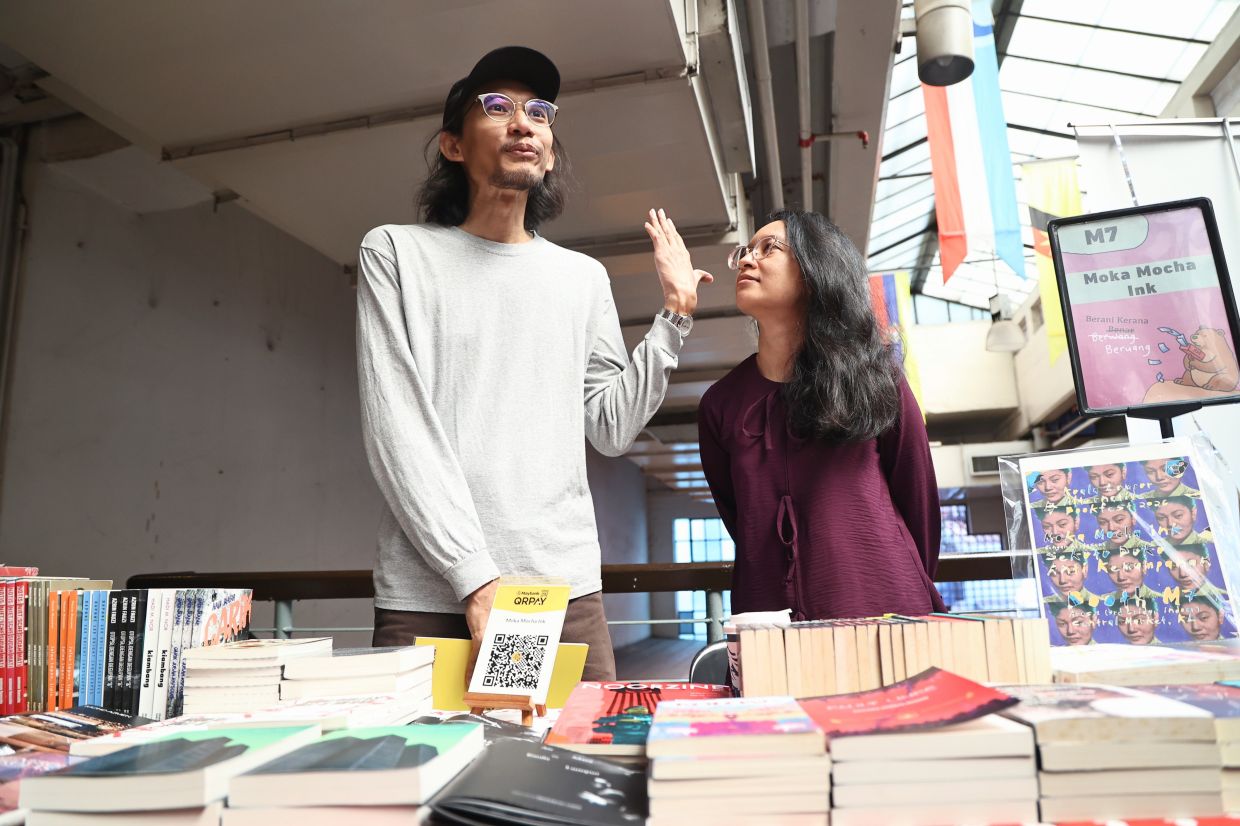
Moka Mocha Ink co-founder Ridhwan Saidi recalls when KLAB was a truly under-the-radar affair, alive with DIY titles, self-published books, and fanzines that gave it a distinctly indie pulse.
“Back in 2008, it was something completely new, and Central Market felt like a different world. Those were exciting times," says Ridhwan.
"Festivals do evolve and grow, but I’m grateful that KLAB has kept its rates reasonable, so small publishers can still take part and discover new audiences. We might be tucked away upstairs or at the back of the venue, but at least we’re still part of KLAB, still contributing to its indie literary spirit,” he adds.
KLAB is also a festival where readers can uncover used and collectible books, especially those with a rich Malaysiana heritage.
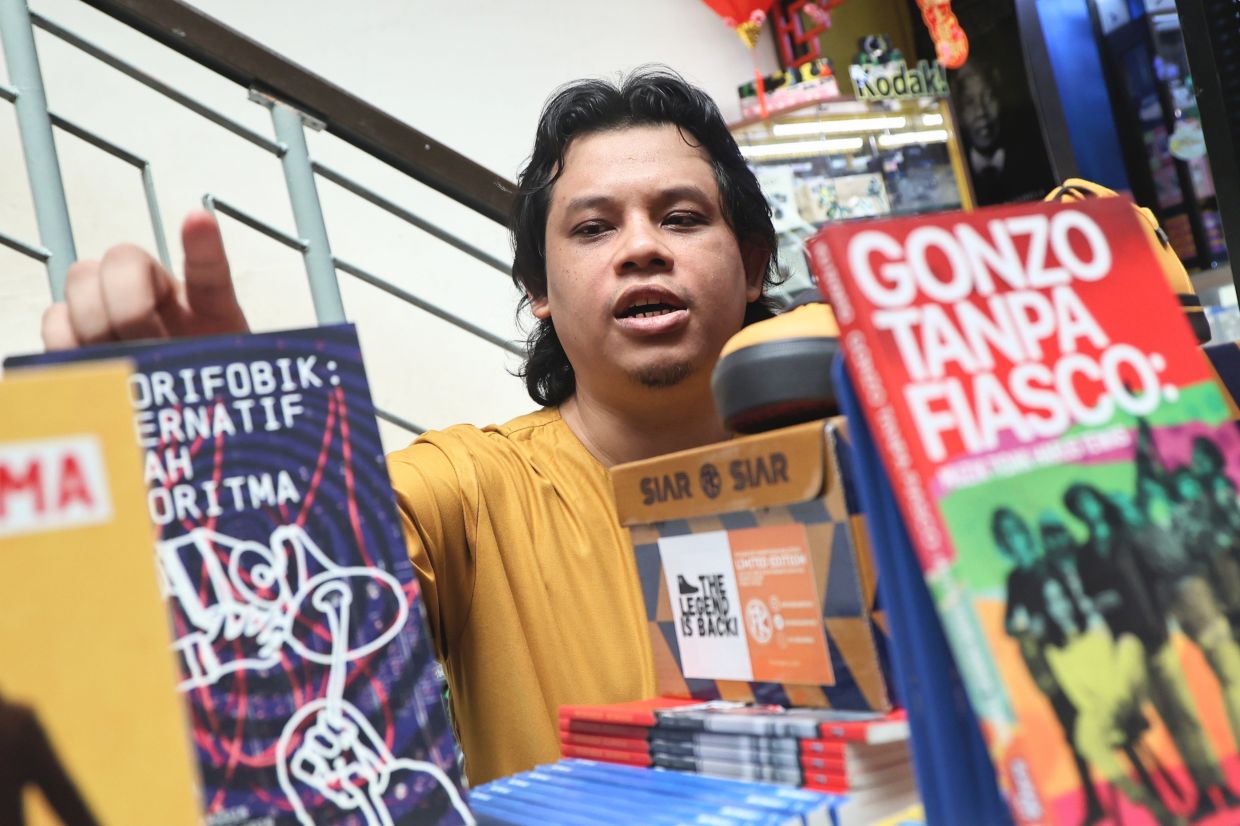
“Book events in Kuala Lumpur do tend to grow bigger and louder, but I’m glad KLAB has also made space for used book vendors to take part. At the festival, you’ll find some indie publishers reissuing vintage titles – and those books have to be discovered somewhere. That’s where a thoughtfully curated vintage stall plays its role," says Alaudin Shahidan, who runs Tinta Lama, a collectible books pop-up.
“You might be a publisher searching for a forgotten gem to bring back into print, or a reader hoping to stumble upon something rare and special. There’s always something waiting to be found in Malaysia’s rich literary history,” he adds.
Mainstream and more
Even major publishers such as Karangkraf acknowledge the significance of physical book events. Positioned at the front of the festival, with a catalogue spanning genres from horror to cosy fiction and beyond, KLAB provides an opportunity to assess readership demographics and gauge market reach.
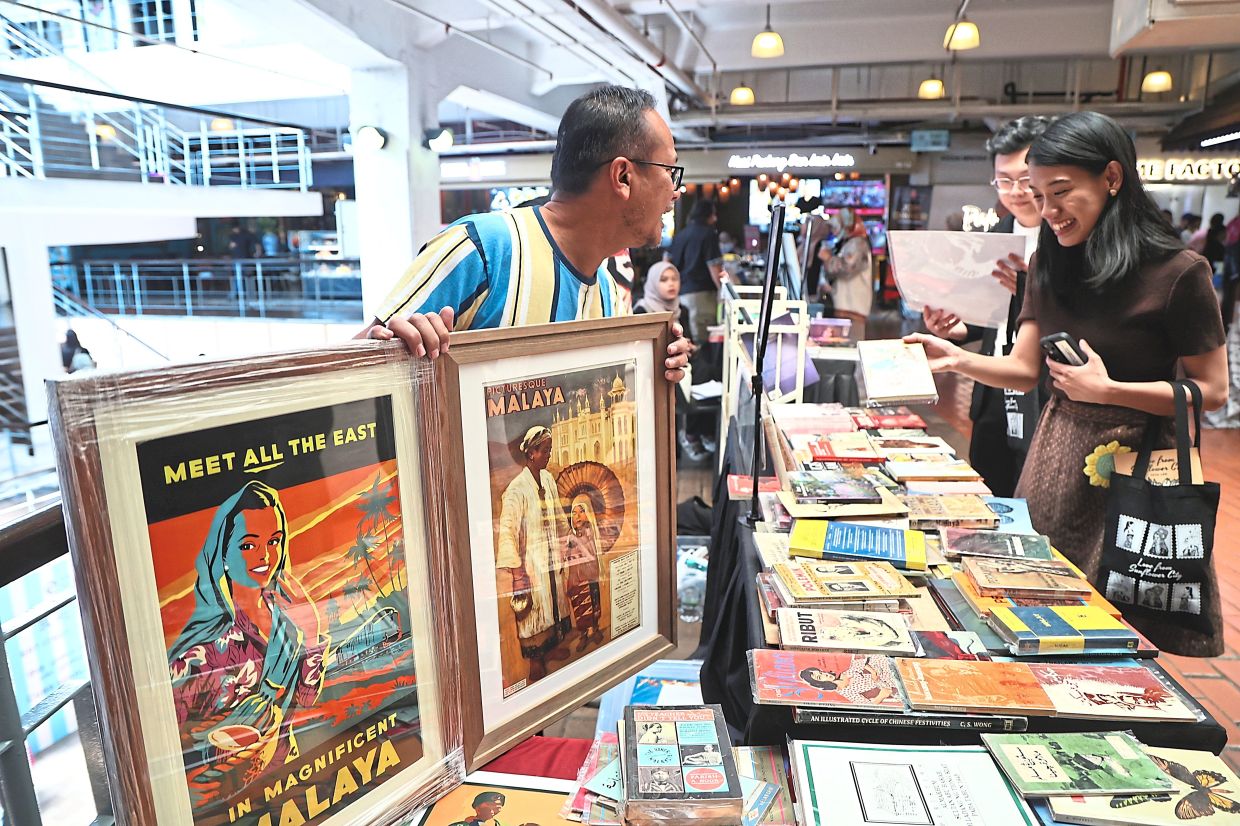
“We’ve been a part of KLAB since the beginning because we realise that it’s important to be out there interacting with readers and have a pulse on what they’re reading,” says Nur Layli Khayandari Mohamed Ain, English editor at Karangkraf.
Azan Safar, manager of Kawah Buku in Bangi, Selangor, sees KLAB as a unique bridge, where indie bookstores and publishers have the opportunity to connect with curious readers willing to explore Bahasa Malaysia titles.
“For a literary giant and thinker like Syed Hussein Alatas, some readers will seek out his works in Bahasa Malaysia, while English readers can discover Faisal Tehrani in translation at our booth. KLAB is a space where you can be proudly Malaysian, enjoy both languages, and leave feeling inspired," says Azan.
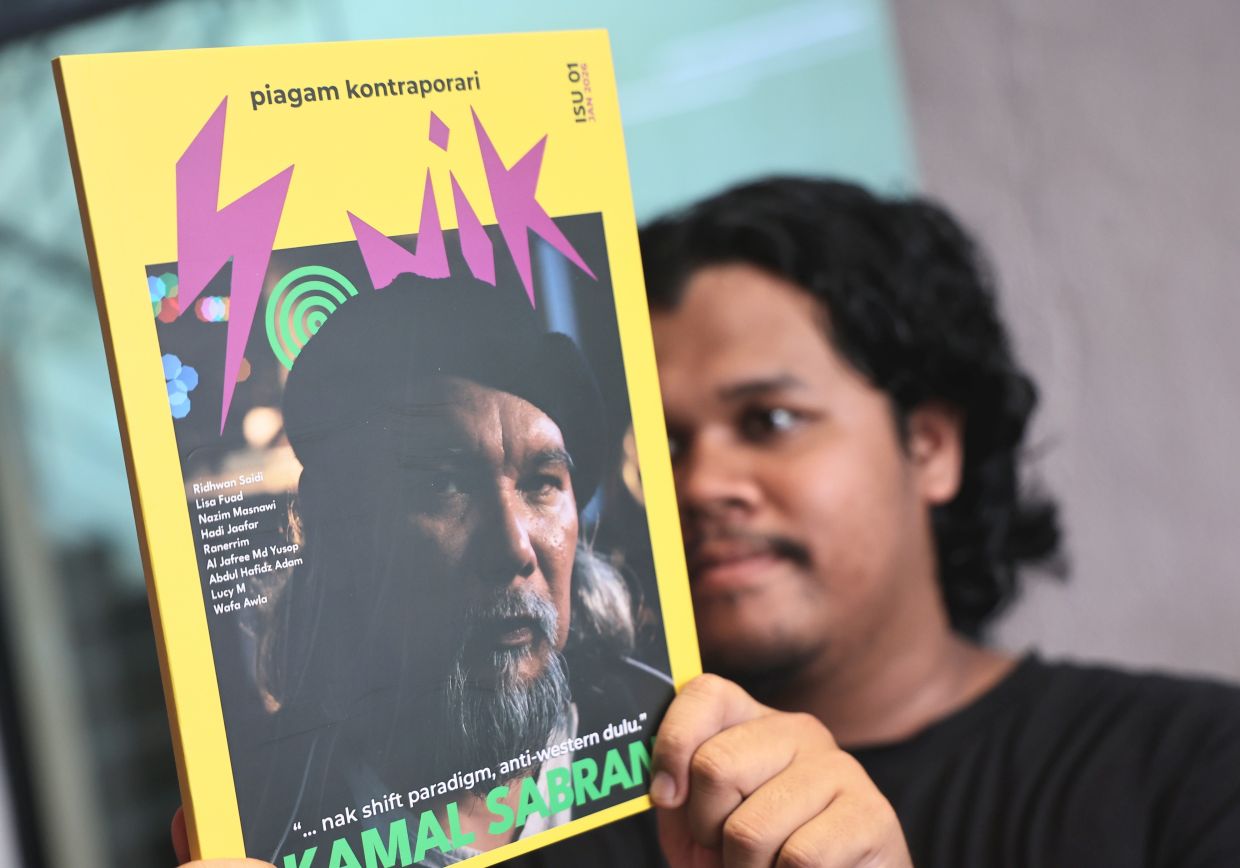
As the sole non-Malaysian exhibitor at KLAB, Indonesian indie publisher Marjin Kiri stands out. Based in Jakarta, the publisher offers alternative and progressive fiction and non-fiction that amplify the voices of marginalised communities.
“Last year, it was our first time at KLAB, and it was very exciting, because we didn’t expect that Malaysians would be interested in reading Indonesian books.
"But we managed to sell out all the books we had brought, so we’re happy to be back here again,” concludes Prihandini Nur Rahmah, one of Marjin Kiri's editors.
Kuala Lumpur Alternative Bookfest (KLAB) 2026 runs at Central Market in Kuala Lumpur until Feb 3. Open 10am to 10pm daily. Free admission.