
Ponggal, the traditional Tamil harvest festival symbolising gratitude to nature and the sun for a bountiful yield, is closely associated with the preparation of sweet rice cooked in clay pots - a practice that goes beyond ritual to embody cultural continuity and culinary wisdom passed down through generations.
As the festival approaches, clay pots once again take centre stage among the Tamil community, prized for their natural heat-retention properties and their role in reviving traditional practices increasingly eroded by modern lifestyles.
For fifth-generation potter Reguraj Devaraj, 50, the difference between cooking with earthenware and modern utensils such as aluminium or steel pots is striking, not only in taste but also in terms of health benefits.
"The character of the food changes when cooked in modern pots like aluminium, but when cooked in clay pots, the texture and flavour are superior and it is more nutritious,” he said at the K. Devaraj Pottery in Kampung Kedah, Parit Buntar, near the Perak-Penang border.
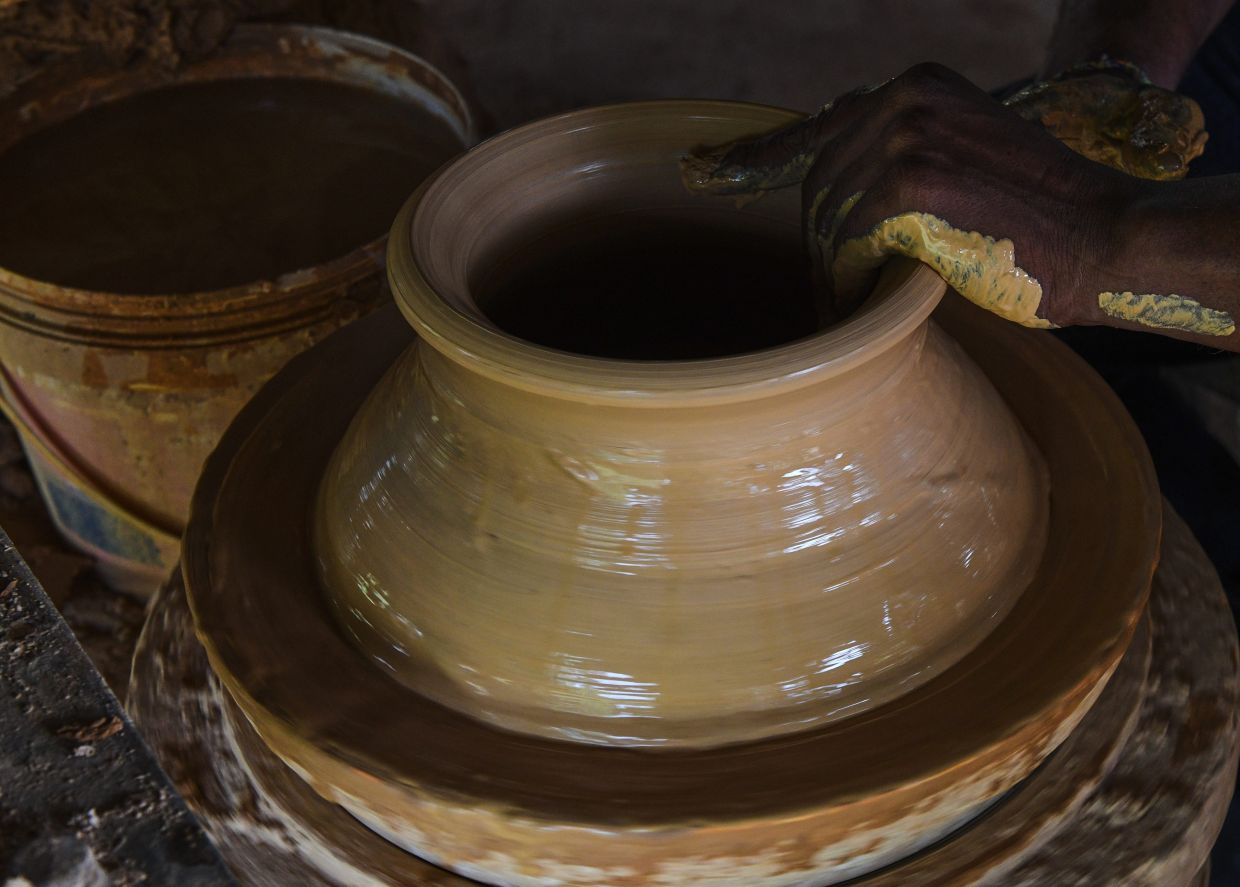
"When buying a clay pot, you should flick it lightly. If it produces a sharp, bell-like sound, it is considered a good-quality pot,” he said.
Reguraj said the clay pot-making business he operates has been in his family for more than 120 years, beginning with his ancestors, making him one of the few remaining traditional craftsmen still steadfast in preserving the legacy.
"At the moment, I am the only one fully active in this business as my children are still studying. I also hope my two siblings will continue this traditional legacy,” he said.
Demand for clay pots used specifically for cooking Ponggal rice surges every year ahead of the festival, with smaller pots suitable for one to two cups of rice being the most sought-after, he said.
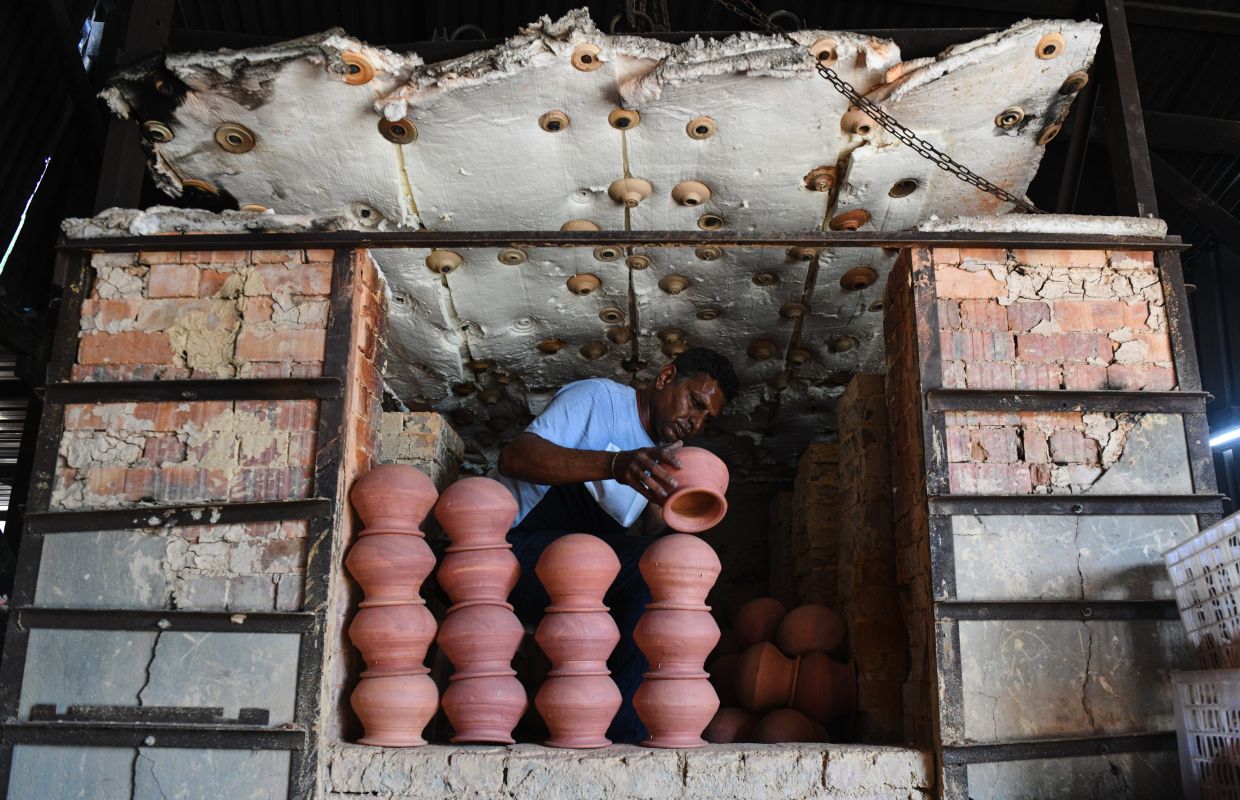
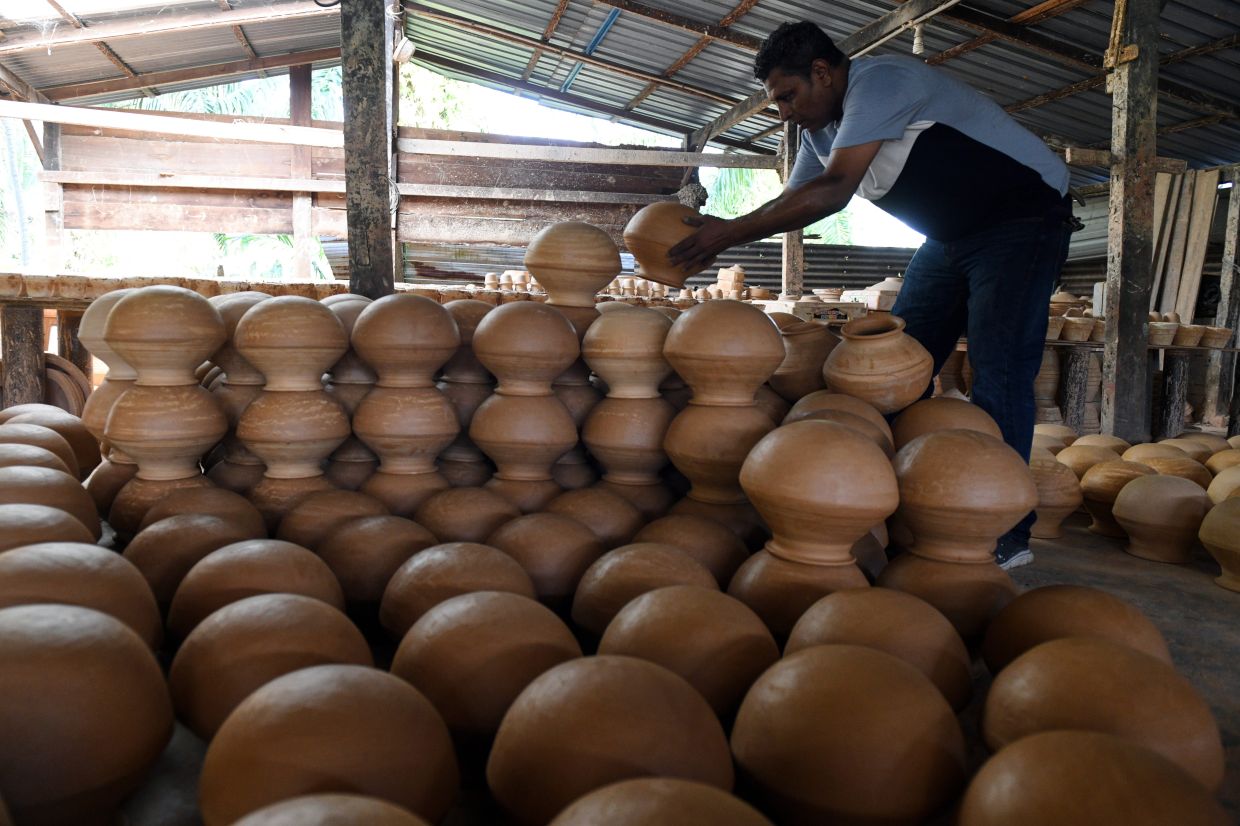
"Demand can reach between 10,000 and 25,000 units for small pots, and in certain years, sales have gone up to 30,000 pots,” he said, adding that prices range from RM6 to RM40 depending on size and the type of clay used.
Due to the lengthy production process, Reguraj begins stockpiling pots as soon as the Ponggal season ends, as each pot takes between three and four weeks to complete, depending largely on weather conditions.
He said the process begins with selecting high-quality clay, followed by kneading it seven to eight times before shaping the pot. The formed pots are then dried for 10 to 14 days and finally fired in a kiln at temperatures reaching up to 1,100 degrees Celsius.
However, Reguraj acknowledged that one of the biggest challenges in the industry is sourcing suitable clay.
"The clay cannot be just any soil. I have to select clay that is strong, well-structured and not brittle so that the pot turns out well. Finding such quality clay is not easy,” he said.
Determined to ensure the survival of this heritage craft, the father of two also opens his workshop to young people interested in learning the art of traditional pot-making through workshops and training sessions.
Among the last remaining traditional clay pots makers still active in the northern region, Reguraj currently employs nine workers and serves customers and suppliers from across the country.
He said clay pots are more than just cooking utensils, describing them as symbols of culture, heritage and identity that continue to endure and therefore pledged to remain committed to preserving the craft while encouraging the public to appreciate the many benefits of using earthenware.
In Malaysia, the Tamil community will celebrate Ponggal on Jan 15, and it is observed on the first day of the Tamil month of Thai, which falls in January each year. - Bernama