In the January 2026 issue of World Literature Today, an American magazine dedicated to international literature and culture, Malaysia takes the spotlight, with homegrown writers reflecting on our literary landscape – celebrating its strengths while also pointing to where change and reform are needed.
World Literature Today has been in publication for over 90 years. Founded at the University of Oklahoma as Books Abroad in 1927, the magazine is now published six times a year and has readers and subscribers all over the world.
As strong a start to the year as any, Malaysia features in the magazine, offering the world a window into our rich and diverse literary scene.
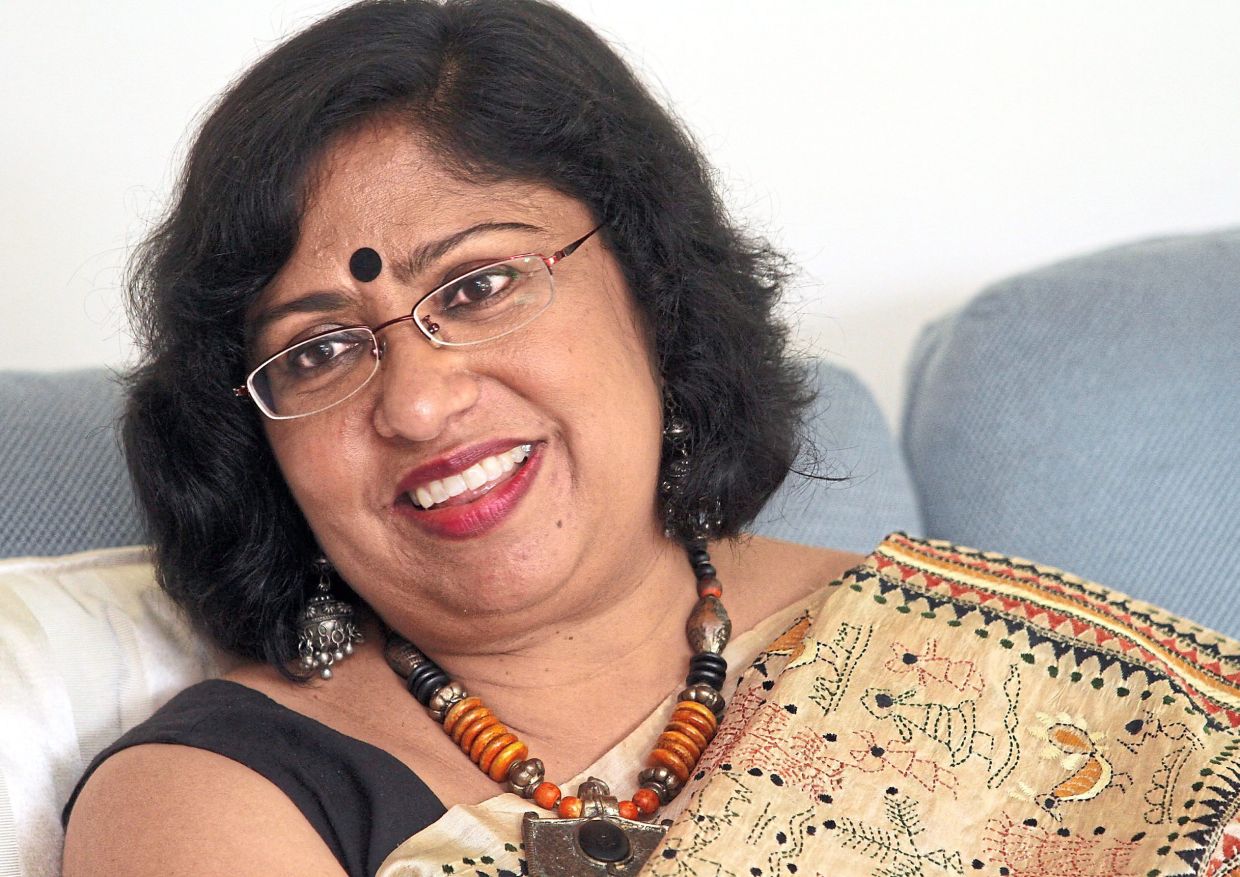
The feature, titled “Reading In Malaysia: Literature Beyond Erasure”, opens with an introduction by award-winning author and sociolinguist Dipika Mukherjee, and includes essays by PEN Malaysia president Mahi Ramakrishnan, Buku Fixi founder, writer and filmmaker Amir Muhammad, and translator Pauline Fan, who is also cultural organisation Pusaka’s creative director.
Reflecting the essays’ overarching concerns, Dipika writes: “Only by confronting the uneasy balance between creative freedom and social regulation can Malaysian literature fully claim its place as something daring, honest, and resonant.”
A publisher’s lament
Amir’s essay, marked by his signature tongue-in-cheek humour, reflects on his years as an independent publisher.
“I started publishing books in 2007, and, although it’s unseemly to keep such a strict count on these things, I think the total number of notches on my belt so far is about 350. Out of these, four titles have been banned,” he writes.
The four titles – Cekik (Choke) by Ridhwan Saidi, Aku (I) by Shaz Johar, Punai by Asyraf Bakti, and Kougar: 2 by Shaz Johar – form a mnemonic Amir spontaneously devised when asked which of his books had been banned. He recalls initially fearing police raids the first time this happened but now regards bans as an occupational hazard.
Quoting Singaporean intellectual Cherian George on how authoritarian leaders use censorship as a reminder of their power, Amir reflects on balancing government grants with the risk of book bans, ultimately noting that bans have not influenced his publishing decisions.
“Along the way, yes, we will sometimes get banned and sometimes lose money (guess which option is scarier), but what’s the alternative? Getting a real job?” he adds.
'There is no fear'
In her essay, Mahi – also a forced-migration consultant, filmmaker, and human rights advocate – recalls her father’s love of Tamil poetry, which he passed down to her, and cites a verse from renowned poet Subramania Bharati: “Acchamillai, acchamillai, accham yenbathillaye” (There is no fear, there is no fear, there is no such thing as fear).
She observes that Malaysians’ reading habits are also “as fragmented as the nation itself,” shaped largely by the language they prefer – Bahasa Malaysia, English, Mandarin or Tamil.
Mahi also touches on how censorship “looms like a damp cloth,” citing the recent example of Malaysian author Tash Aw’s The South: when it was longlisted for the Booker Prize, authorities reportedly searched local bookstores for copies because of its themes of sexuality, overshadowing the literary achievement.
Despite this, she maintains that Malaysians read as an act of resistance, ending her essay on a hopeful note: the future of reading in Malaysia “feels precarious yet luminous.”
To dwell among ghosts
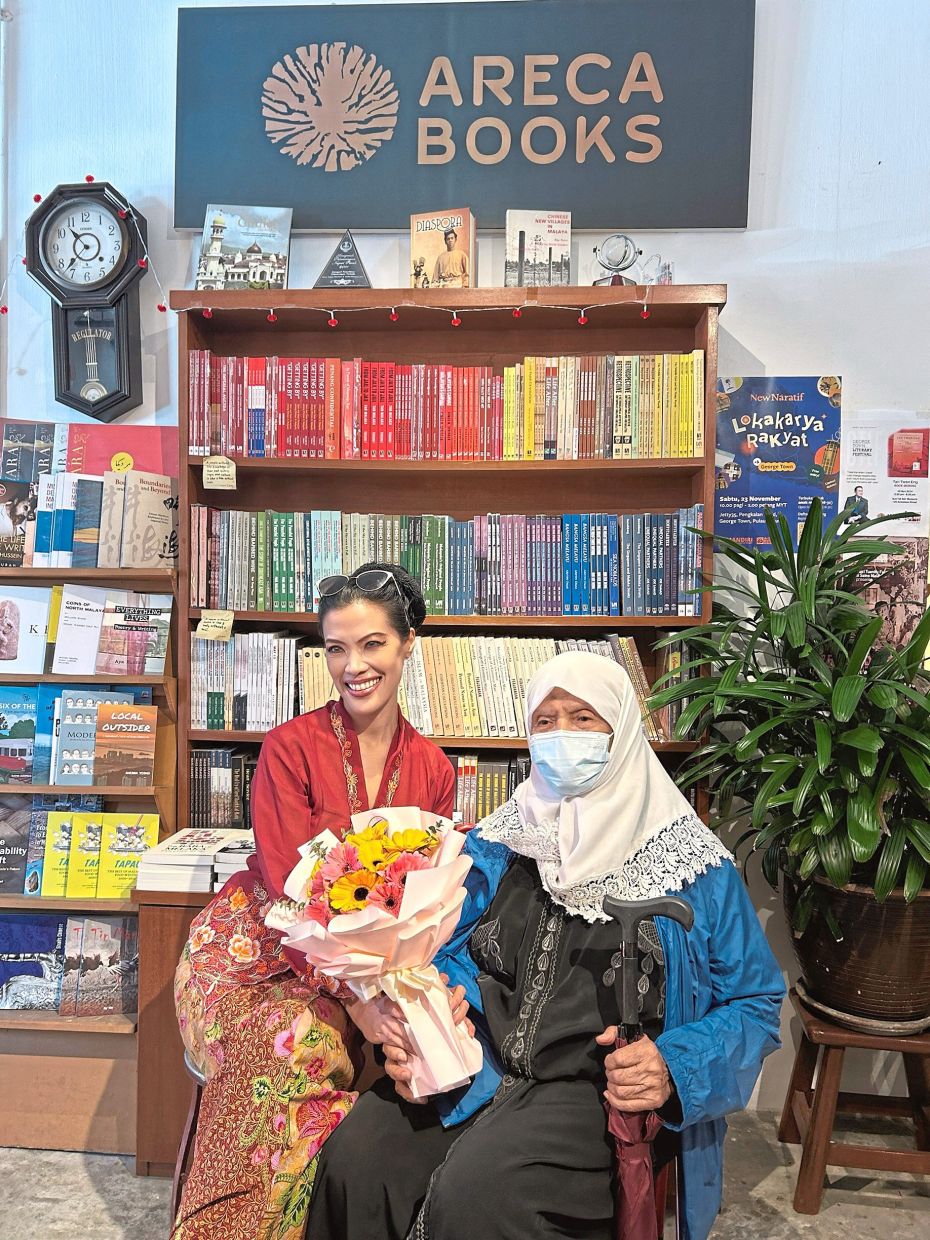
Fan, who last year won the inaugural PEN Presents x International Booker Prize for translating Sabahan author Ruhaini Matdarin’s The Last Days Of Jesselton from Bahasa Malaysia to English, offers a vivid glimpse into the world of secondhand Bahasa Malaysia books, a niche thriving among online collectors.
She was drawn into this world while seeking works by Kelantan-born writer Fatimah Busu, most of which are out of print.
The volumes she secured became part of An Ordinary Tale About Women And Other Stories, published by Penguin Random House SEA in 2024.
“Facebook has become the nerve centre of this underground literary economy,” she notes.
Fan reflects on the early days of Dewan Bahasa dan Pustaka (DBP), during the heyday of literary figures such as Usman Awang, A. Samad Said, and Shahnon Ahmad, calling it “a revolutionary force” whose fire has dimmed under bureaucracy.
She also recalls her personal quest for a specific edition of Shahnon Ahmad’s Srengenge (1973): “It was the first Malay novel I ever read, and it stunned me with the terrible beauty of its opening line: ‘Srengenge tersergam hodoh macam setan’ (Srengenge loomed, hideous as a demon).”
While she has yet to find the edition, Fan sees the search as “a meditation on how literature survives through memory and desire,” and reflects on her work as a translator as “to dwell among ghosts, to listen for voices that might otherwise be lost.”