Kuala Lumpur-based refugee collective Parastoo Theatre has called time on its chapter in Malaysia.
Saleh Sepas, a refugee from Kabul, Afghanistan, founded the theatre collective in 2017.
He made the announcement today through the Parastoo Theatre collective's social media channels, marking the end of an era shaped by refugee-led storytelling, community building and resilience through theatre.
"I would like to formally announce that Parastoo in Malaysia officially closed on Jan 1, 2026. There is no Parastoo representative in Malaysia anymore. All activities, registrations, bank accounts, and the studio in Quill City Mall (in Kuala Lumpur) that served as our centre have been closed. There is currently no activity anywhere under the name Parastoo," wrote Saleh.
Saleh and his family, who had lived in Kuala Lumpur since 2016, were resettled in the United States in August 2023.
Many Afghan refugees have arrived in Malaysia since 2001, fleeing conflict and persecution in their homeland.
Leaving a footprint
Parastoo Theatre's legacy will remain strong in Malaysia, showcasing how refugee communities and the homegrown theatre scene can find common ground and offer mutual support.
Saleh, who worked in writing and directing radio programmes in Kabul, was also trained in the Theatre of the Oppressed (TO), an interactive form of theatre created by Brazilian practitioner Augusto Boal, in which spectators become performers to explore solutions to social issues.
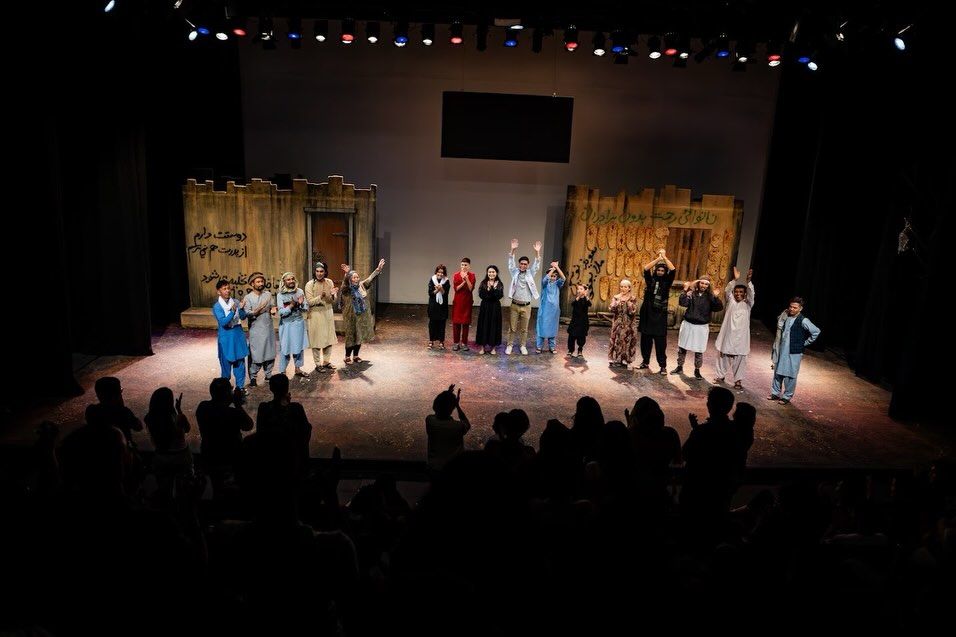
In Kuala Lumpur, the obstacles were significant, yet he recognised how theatre could empower, particularly within refugee communities in Malaysia.
With the support of friends, activists and crowdfunding, he advanced the vision of Parastoo Theatre. Even when some productions required actors to rehearse in public parks across Kuala Lumpur, the work continued undeterred.
"During my years in Malaysia, I met people who are truly rare. I’m proud of everyone who contributed to Parastoo’s growth and became like family to me. What you taught me, and what I will carry for the rest of my life, is kindness, respect for humanity, and selflessness. I received so much love that Malaysia will always feel like home to me," said Saleh.
Finding a way
As Saleh established his footing in the local arts scene, he blurred the boundaries between refugee and theatre maker.
Throughout, he employed Theatre of the Oppressed methods to foster community and connections, beginning with The Bitter Taste of History in 2017, an original play depicting the lives of war victims in Afghanistan.
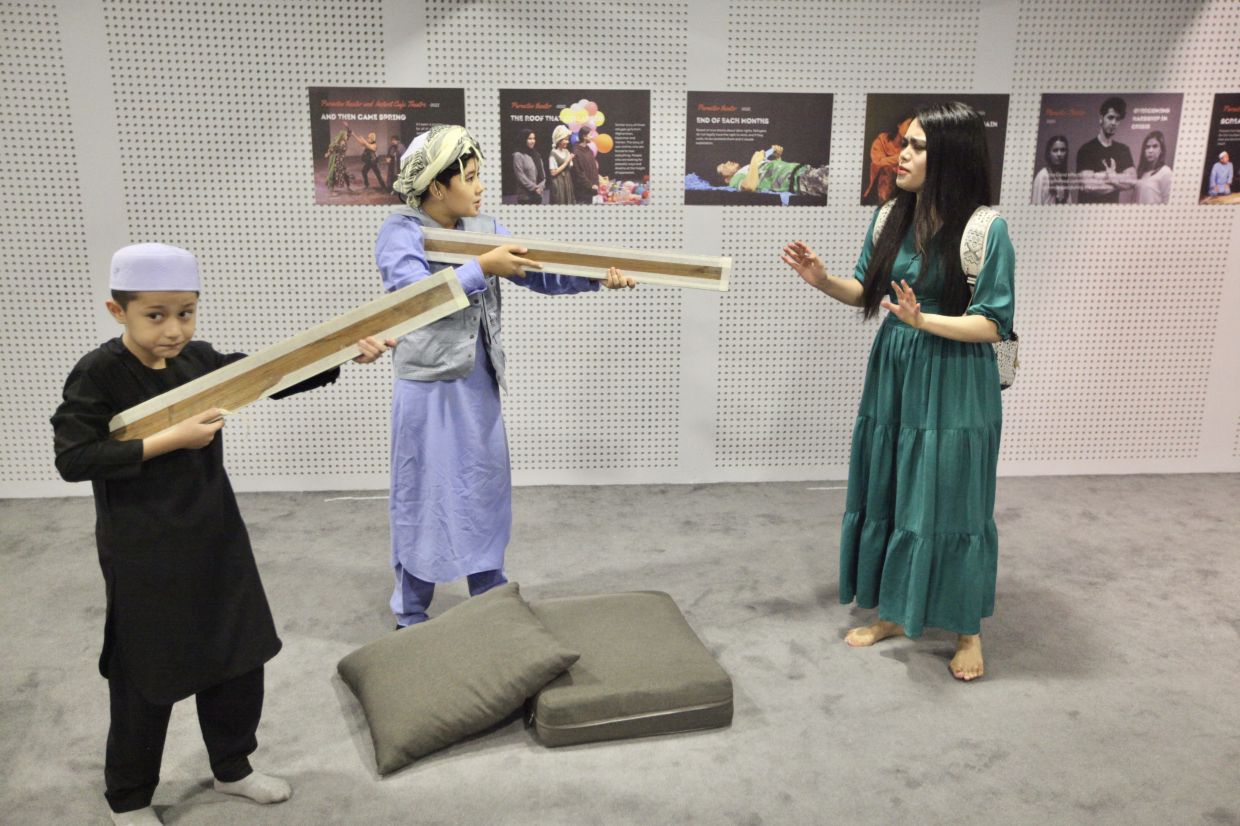
Buoyed by support from sponsors and Malaysian audiences, Parastoo followed up with Screaming In Silence, a longer play exploring child marriage in Afghanistan, which premiered at DPAC in February 2018.
Saleh's shows, mostly performed in Dari (the Afghan dialect of Farsi), included subtitles to engage local audiences. Parastoo's productions were also versatile enough to be staged in arts venues, university halls and NGO-led community events.
"Since Parastoo was founded in 2017, nearly 18,000 people have watched our productions. Over the years, we shared stories rooted in human rights, sat with you in conversation, felt together, and built a sense of community," said Saleh.
Other notable productions included And Then Came Spring (2022), which tackled child marriage, domestic violence and gender-based oppression, while Blank (2019), a crossover collaboration between Instant Cafe Theatre and Parastoo, brought local and refugee actors together on stage to perform Syrian playwright Nassim Soleimanpour’s experimental work.
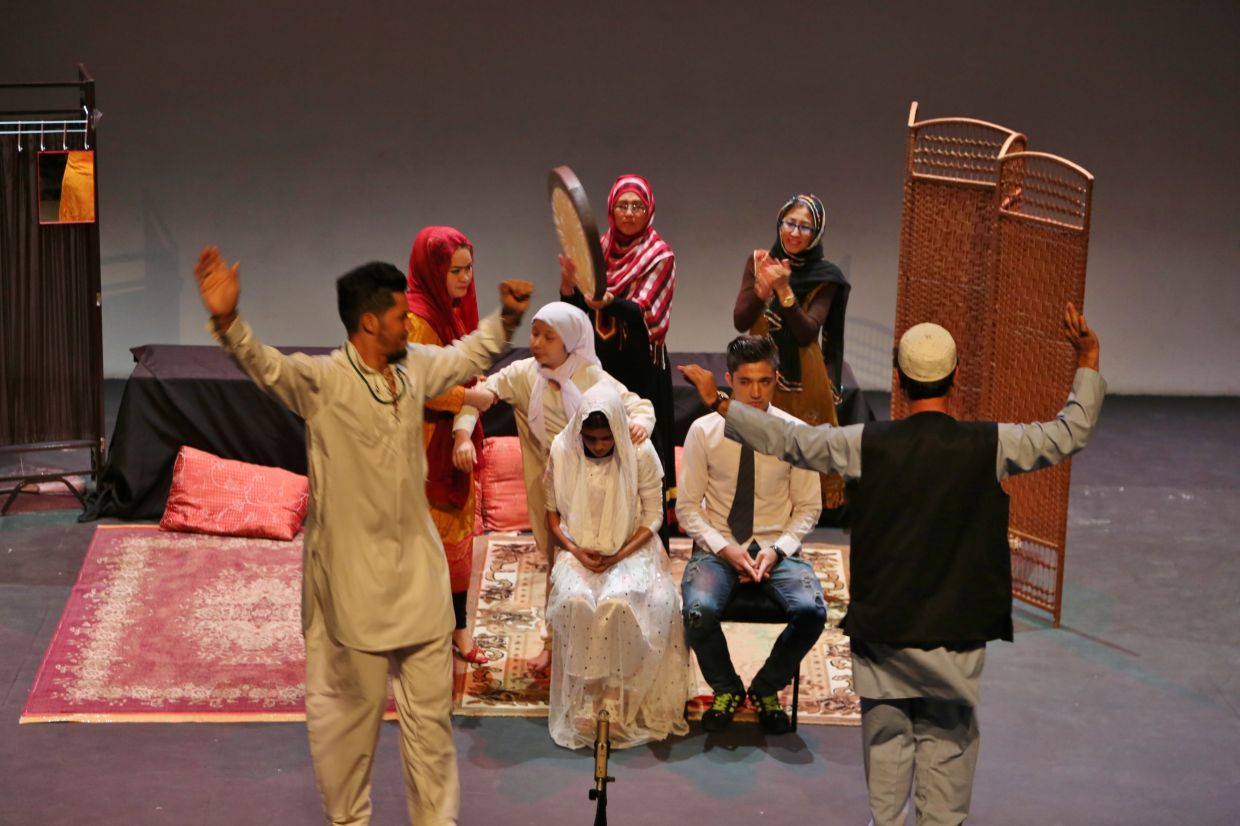
Red Soil In Kabul, based on true events in Afghanistan following the collapse of its democratic government in August 2021, was Saleh’s last major work in Malaysia in 2023 before his relocation to the United States.
The small Parastoo team was also a regular presence at refugee festivals in Kuala Lumpur, leading theatre writing lessons, workshops and other activities.
It also maintained a small theatre space in a Kuala Lumpur mall, providing a creative hub for refugee communities.
"Beyond the stage, hundreds of refugees and migrants participated in Parastoo’s empowerment workshops and trainings. Many of those who believed in change through this journey are now in a better place in their lives," concluded Saleh.
As of end October 2025, there are some 211,360 refugees and asylum-seekers registered with UNHCR in Malaysia.