The Netherlands returned a set of prehistoric bones known as “Java Man” – from a species long considered a “missing link” between humans and other apes – to Indonesia earlier this month, the first in the planned repatriation of about 40,000 fossils removed by Dutch scientist Eugene Dubois during colonial rule.
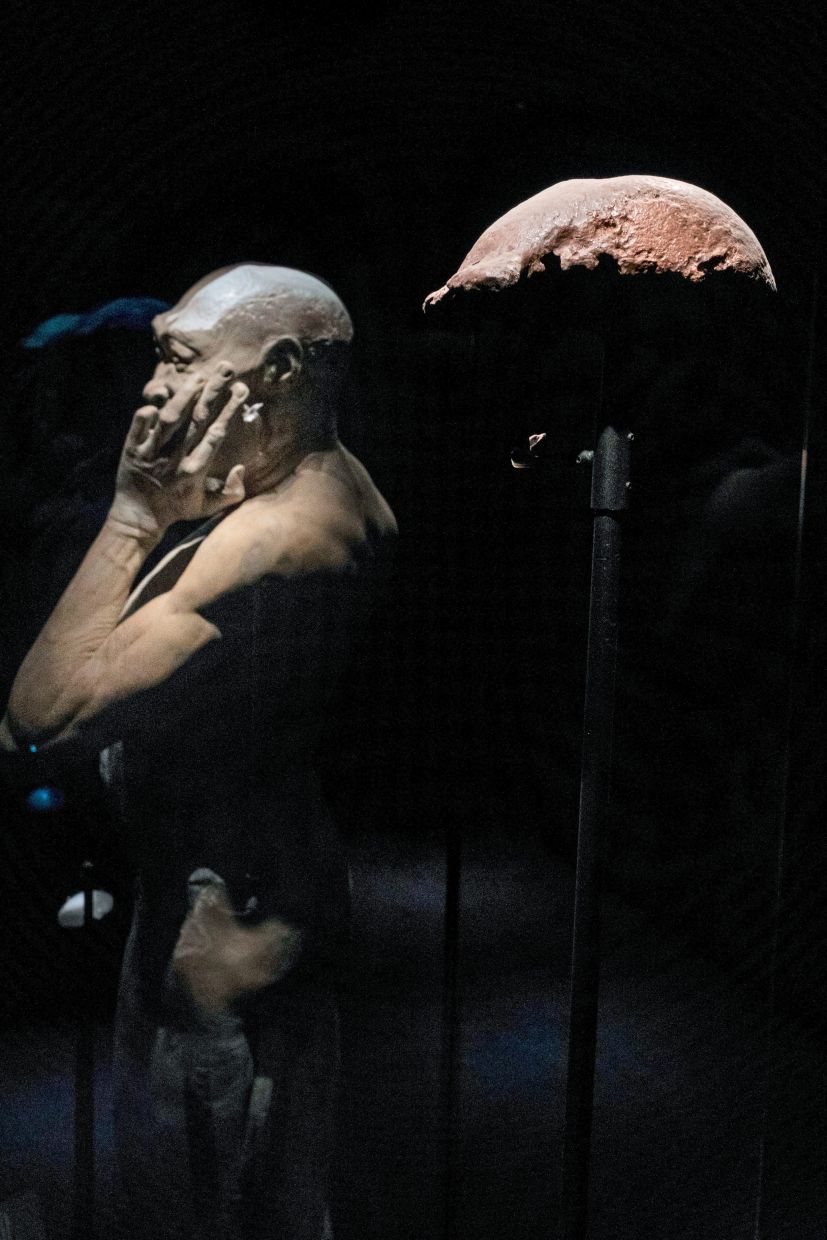
The parts of the skeleton – a skull cap, molar and thigh bone – were the first known specimens of Homo erectus.
Though they are often collectively called Java Man, scientists today believe they came from a few individuals.
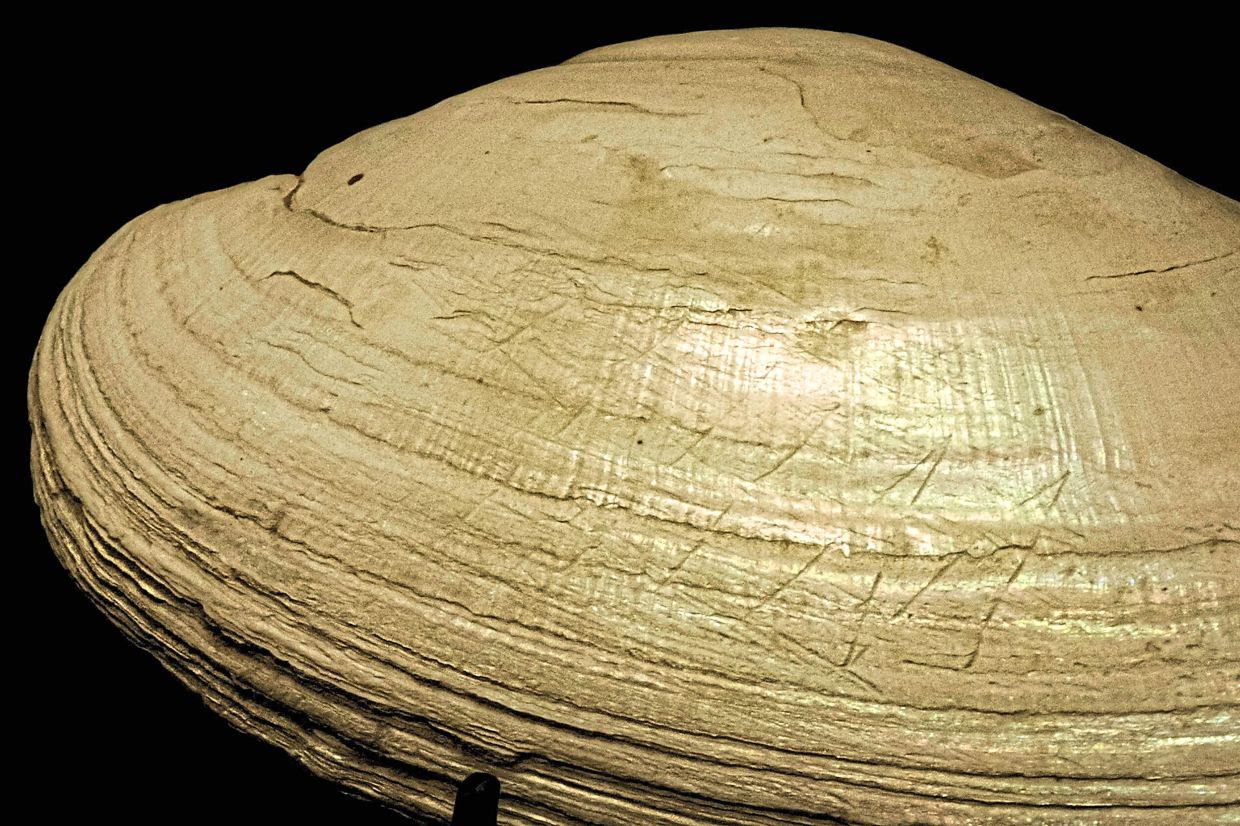
A related shell that was scratched by early Homo erectus was also included in the repatriation.
Natural history treasure
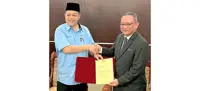
After more than 130 years, the items were returned at a ceremony at the National Museum of Indonesia in Jakarta, which will exhibit the objects. The Dutch ambassador to Indonesia, Marc Gerritsen, officially handed them over to Indonesia’s culture minister, Fadli Zon.
“I do feel the historical significance of this trip,” said Marcel Beukeboom, the general director of the Dutch museum where the items had been displayed, in a text message recently from a plane as he transported the bones in a GPS-tracked, climate-controlled suitcase with a diplomatic seal.
The Java Man case has been of particular interest to natural history museums worldwide because it is one of the first restitution claims to involve prehistoric items rather than artefacts of human civilisation, which can’t be linked to cultural or social traditions, or identified as ancestral remains.
The debate around repatriation in this case shifted toward a question of intellectual ownership and scientific sovereignty.
Given that they were removed by foreign representatives of a colonial power, which enslaved local people and exploited local resources, officials in the Netherlands and Indonesia agreed that the fossils are part of Indonesian history.
Back from Leiden
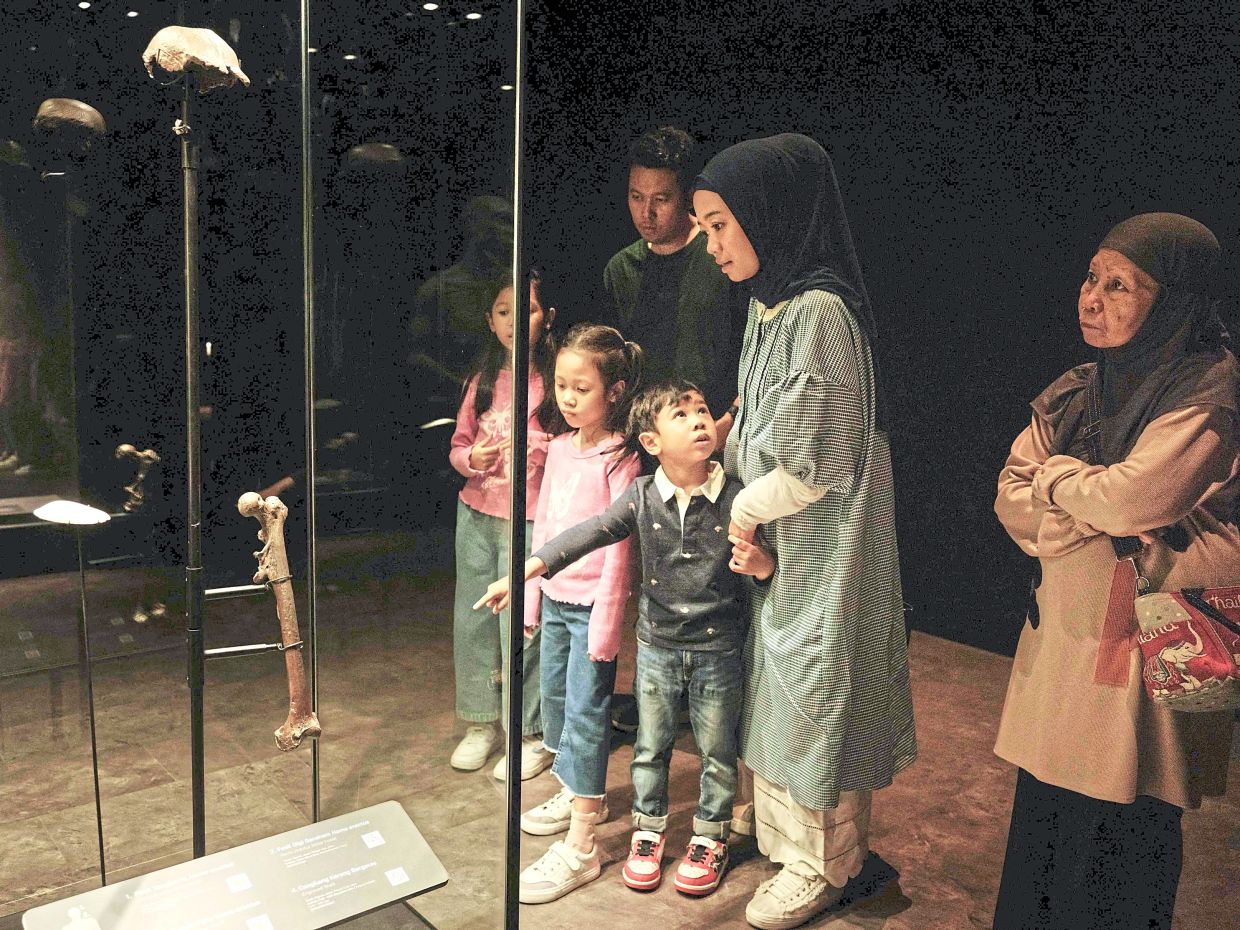
Until recently, the remains were the centrepiece of the popular Early Humans hall at the Naturalis Biodiversity Center in the city of Leiden, displayed next to a representation of what Java Man might have looked like.
They were among the more than 40,000 objects that Dubois removed from the banks of the Bengawan Solo river on the island of Java and at other digs in what was then called the Dutch East Indies.
He shipped them back to the Netherlands beginning in 1891, and they went into the collection at the Naturalis, a 200-year-old scientific institution.
Indonesia first made an official request for the return of Java Man and the larger Dubois Collection soon after gaining independence from Dutch rule in 1949.
Officials swatted away the claims for years, but after a Dutch government advisory committee advised more action on colonial-era restitution in 2020, the Indonesian government asked once more.
The committee also commissioned a study of the Dubois Collection’s provenance and ultimately recommended that the entire trove be returned.
“The Committee believes that the circumstances under which the fossils were obtained means it is likely they were removed against the will of the people,” said a news release issued by Naturalis at the time. “Fossils held spiritual and economic value for local people, who were coerced into revealing fossil sites.”
Role of indigenous people
In September, the Netherlands pledged to return a significant portion of the Dubois Collection.
In addition to the four pieces sent back, the remaining fossils and soil samples from Naturalis are expected to be sent to Indonesia in 2026.
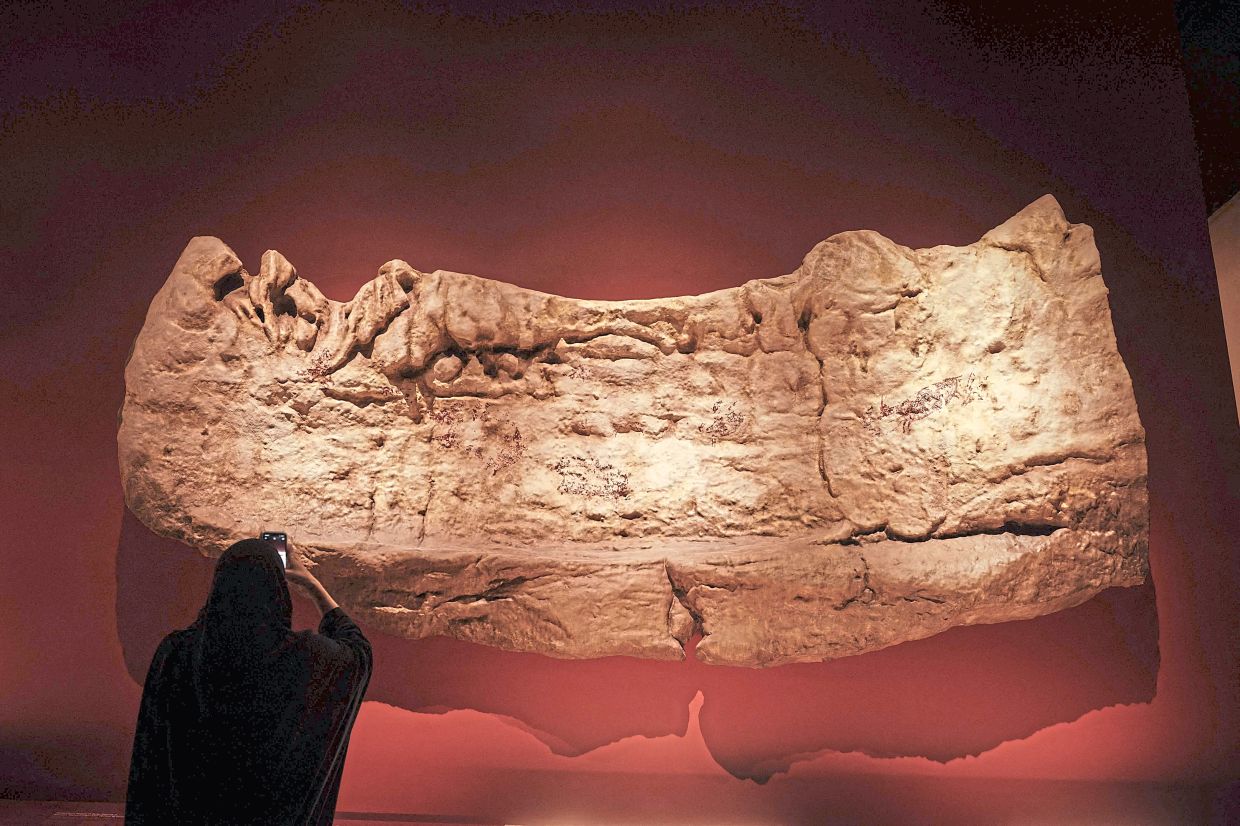
Sri Margana, a scholar of Javanese history at Universitas Gadjah Mada in Yogyakarta, Indonesia, said that Indonesian scientists would now be able to compare the fossils with others recently found in Sumatra and Sulawesi to make new links to human evolution in Asia.
“It’s also about recognising the role of the indigenous people in this discovery,” he added.
“The expedition was led by Dubois, but actually he didn’t do that much. He was relying on the local people who did the hard work, and also Indigenous intellectuals, who already know the place, had the knowledge of the ancient history, and also local leaders who were involved in this. We want to recognise that part of the history as well.”
Fenneke Sysling, a historian of science and colonialism at the University of Leiden who co-wrote a scholarly paper on the provenance of the Dubois Collection, said that the repatriation represented a form of “epistemic justice”.
“All the knowledge that colonial powers have collected in their colonies has made our research institutes really strong, and it would have given Indonesia a better start when they became independent, for example, if most of these collections had stayed in Indonesia,” said Sysling in an interview.
“These fossils are now returned to Indonesia so that Indonesian scientists can build their work and their careers around their own research.”
For Naturalis, repatriation also means that the Early Humans gallery will need to be adapted.
“These are big shoes to fill,” said Beukeboom.
“One could say our ‘Nightwatch’ is leaving,” he added, referring to the Rembrandt painting that is the centrepiece of the Rijksmuseum in Amsterdam.
“We will take time to think of a new story to tell. That story will most likely include references to the evolution and early humans, and may also address colonialism and perhaps even the influence of Dubois,” he added.
“But without his collection, and with everything we have learned, this will be a different story.” – © 2025 The New York Times Company